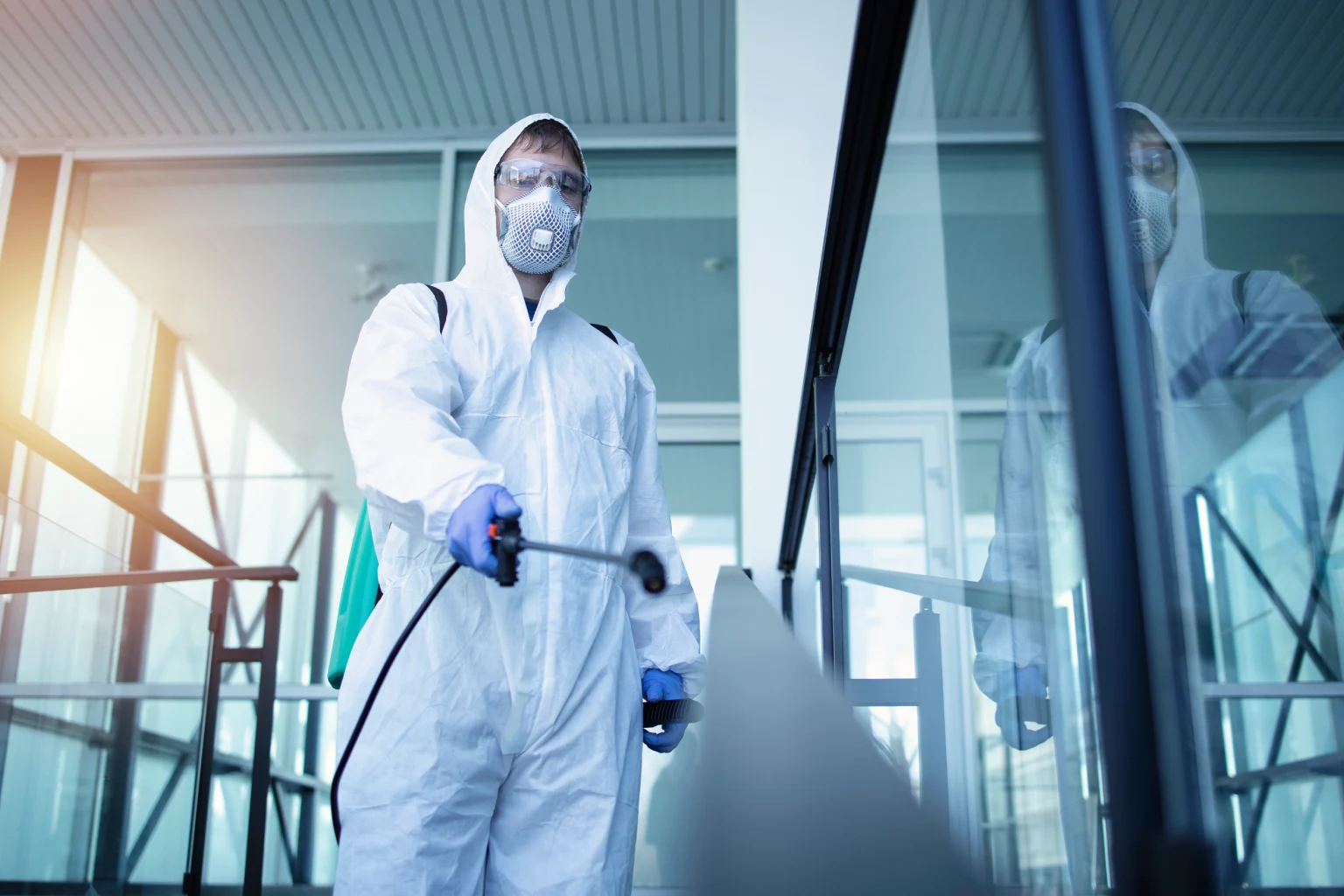
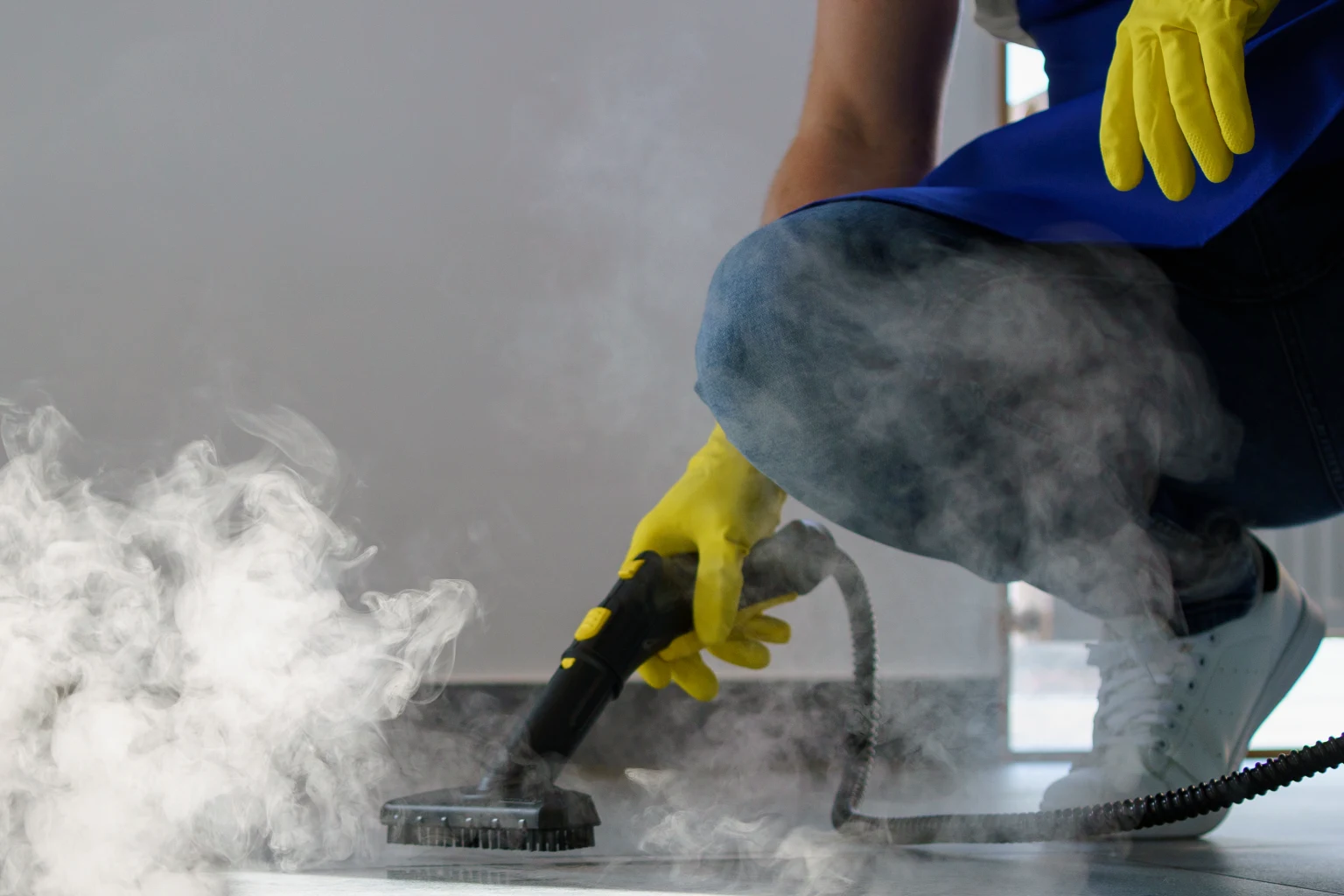
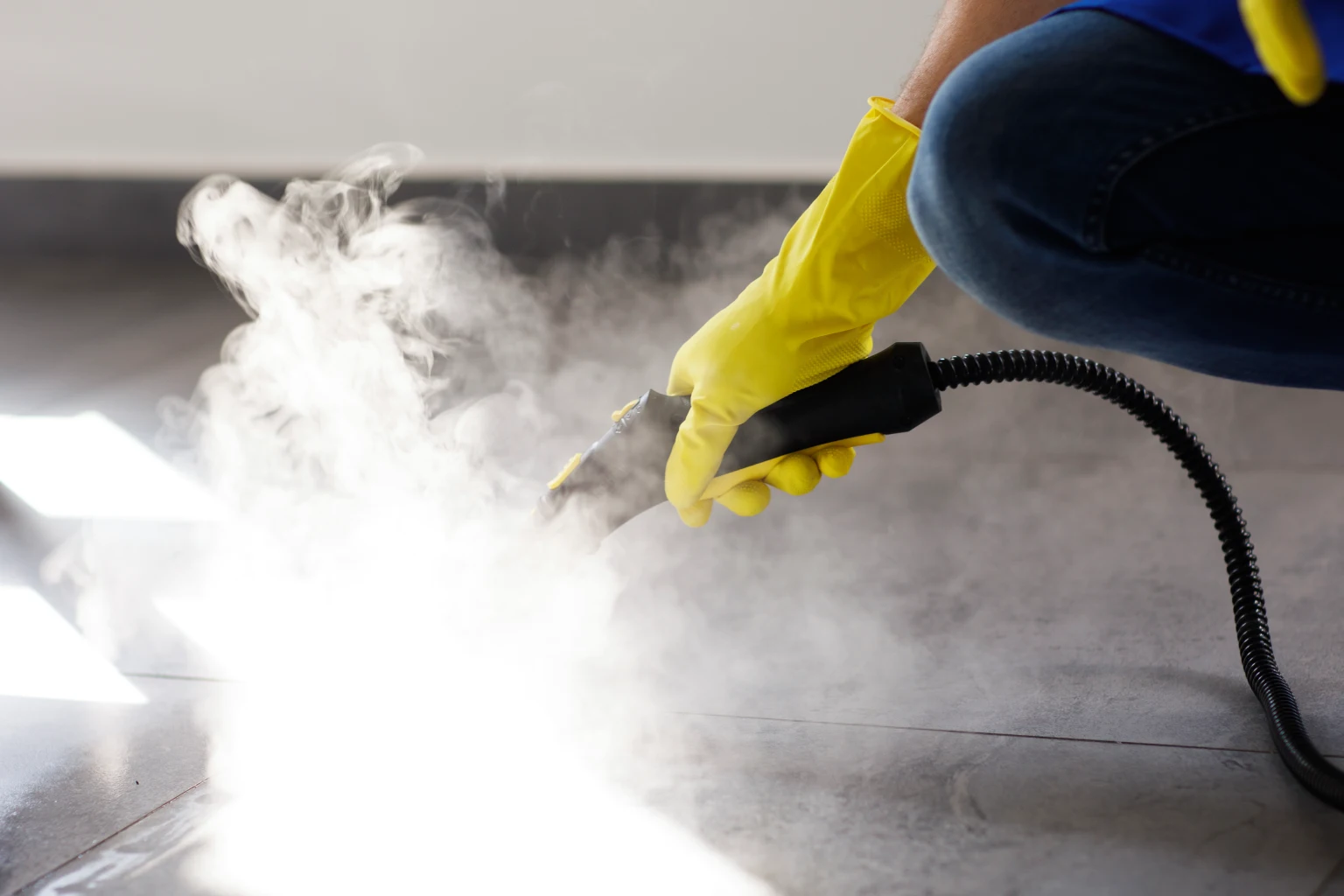
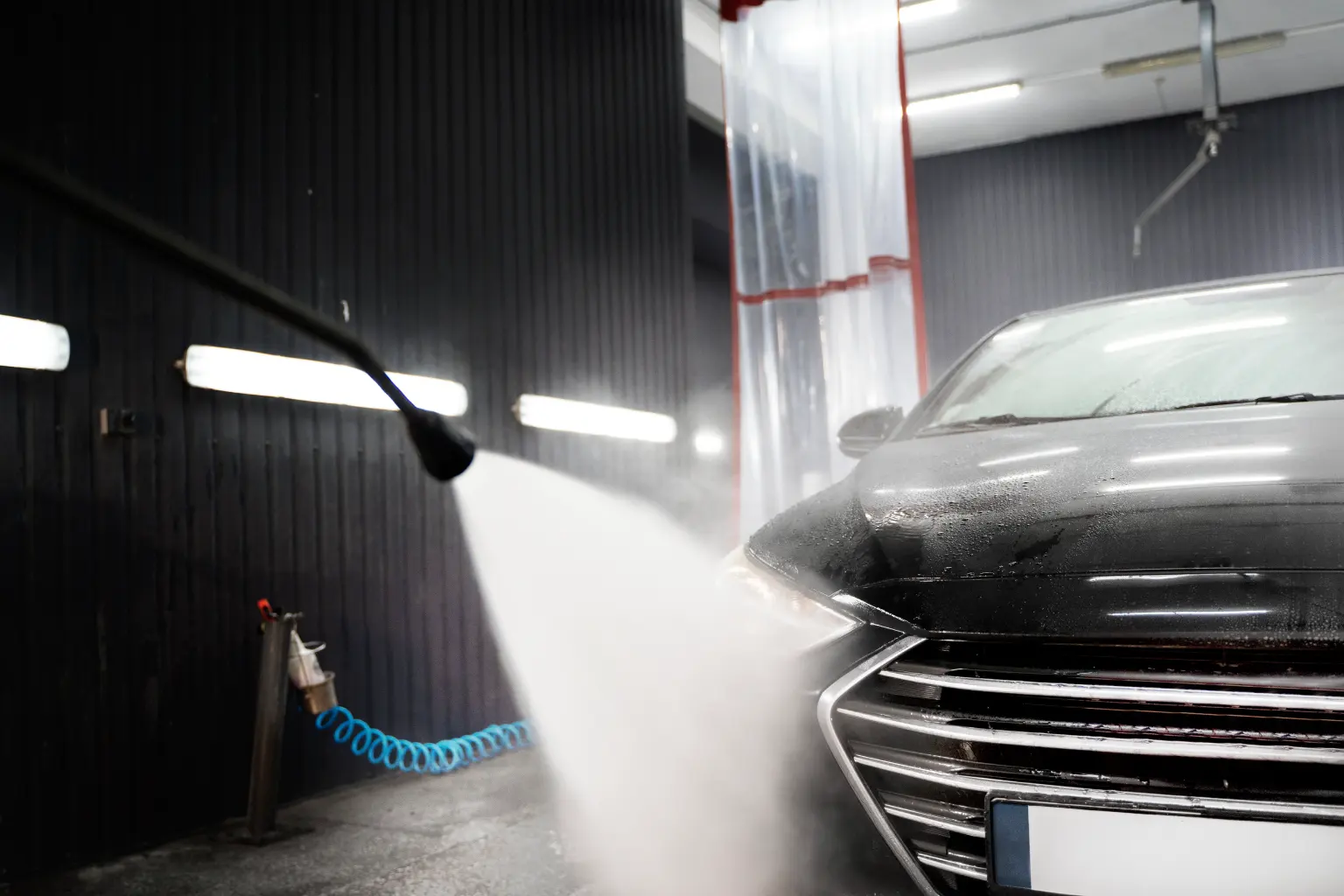
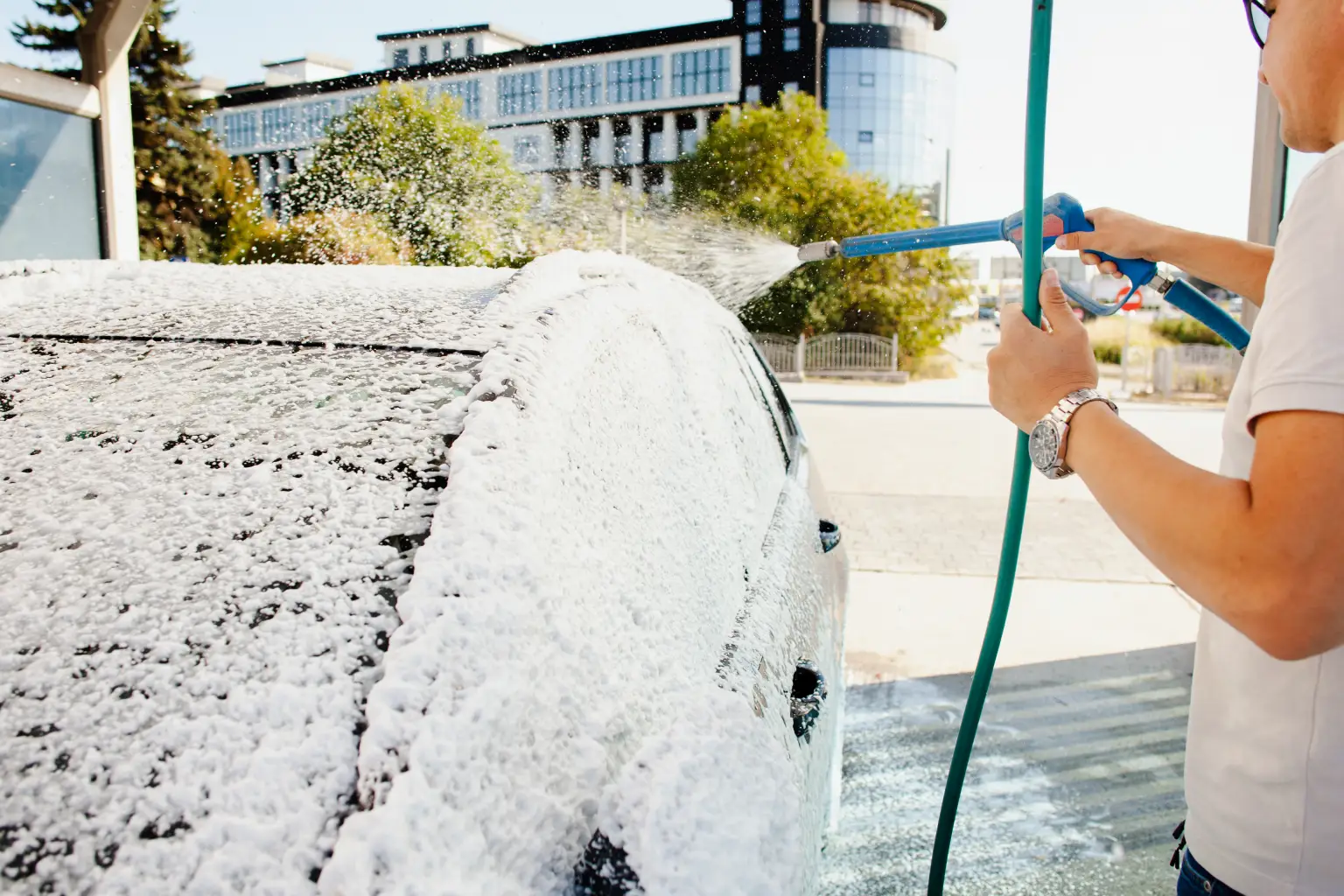
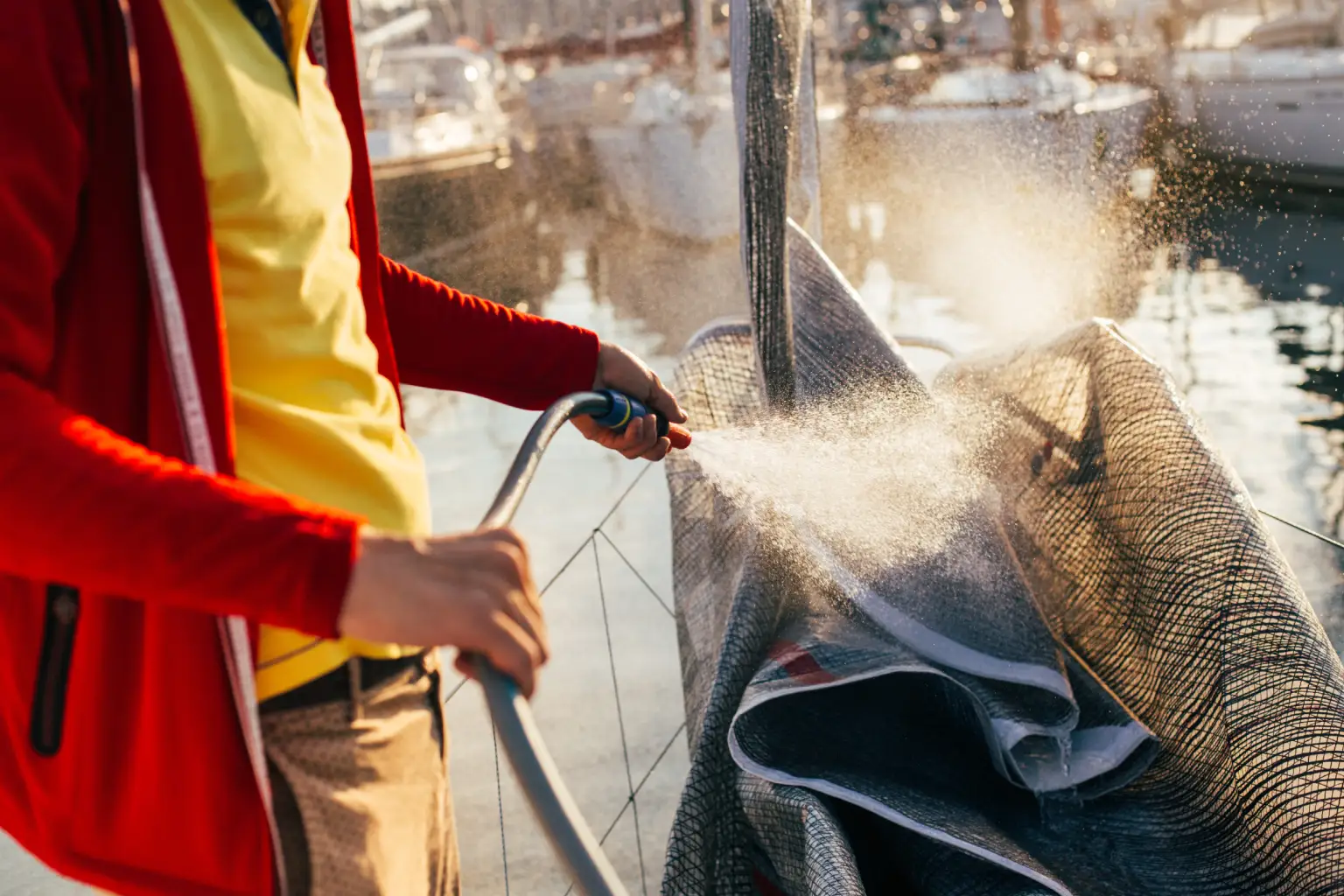
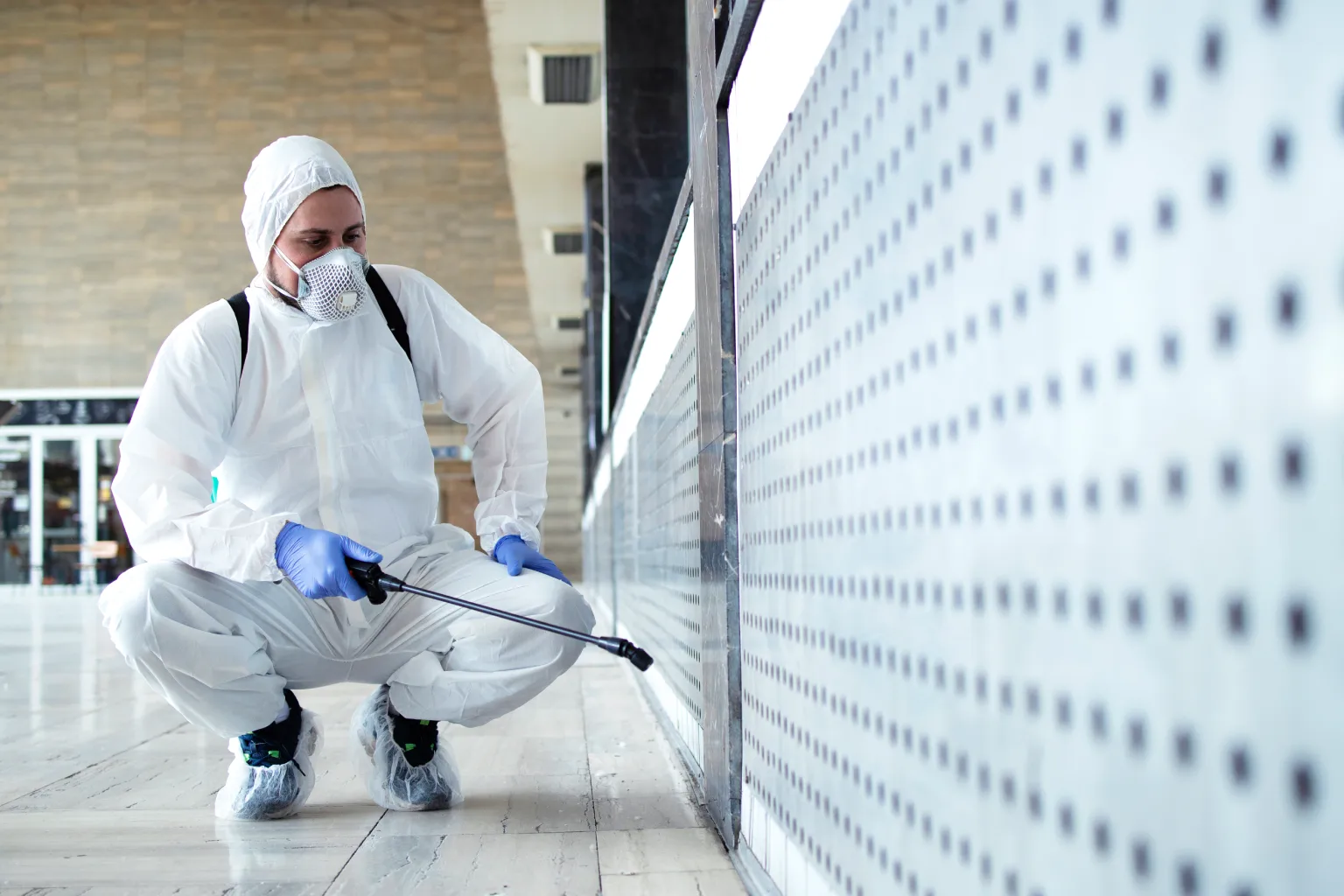
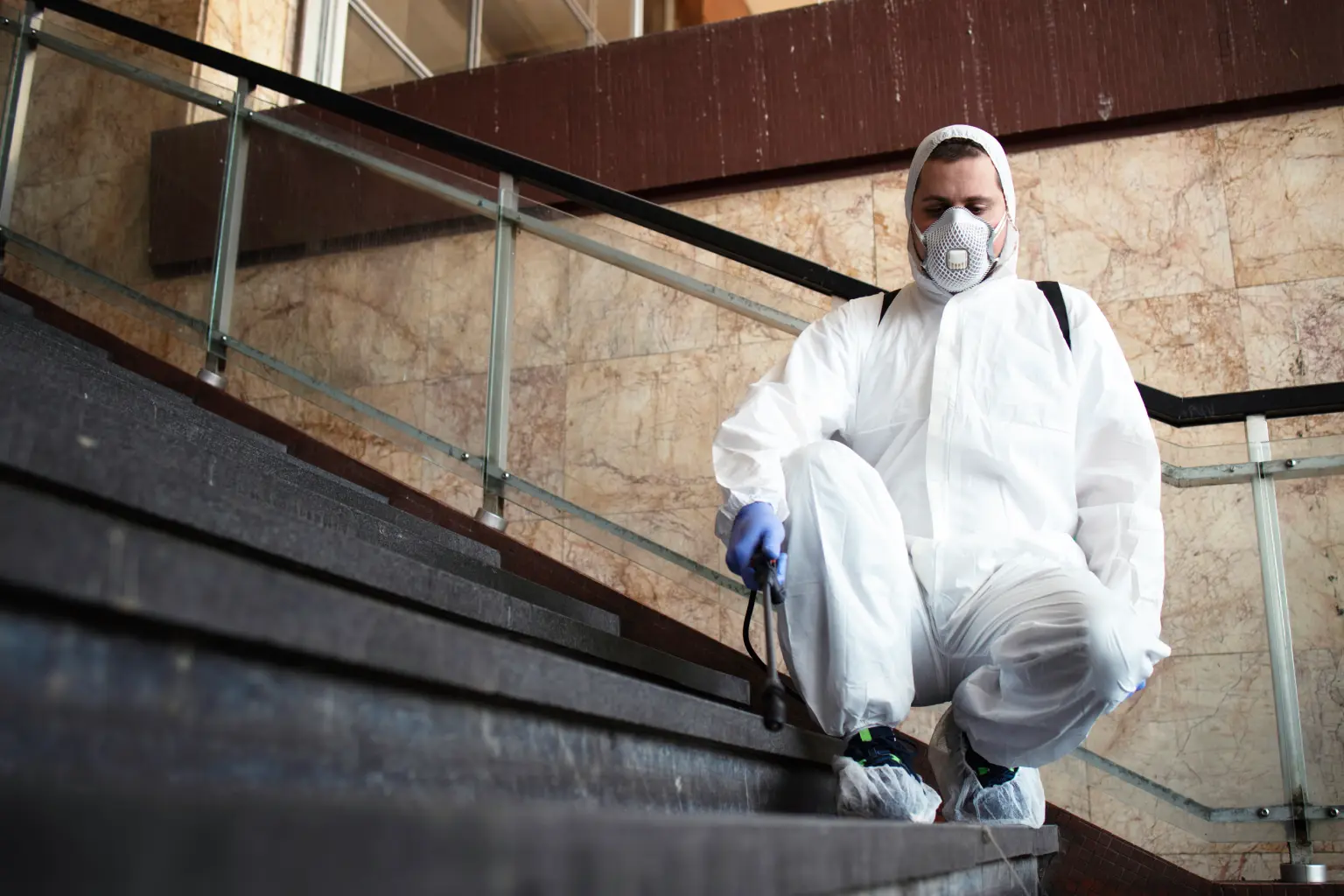
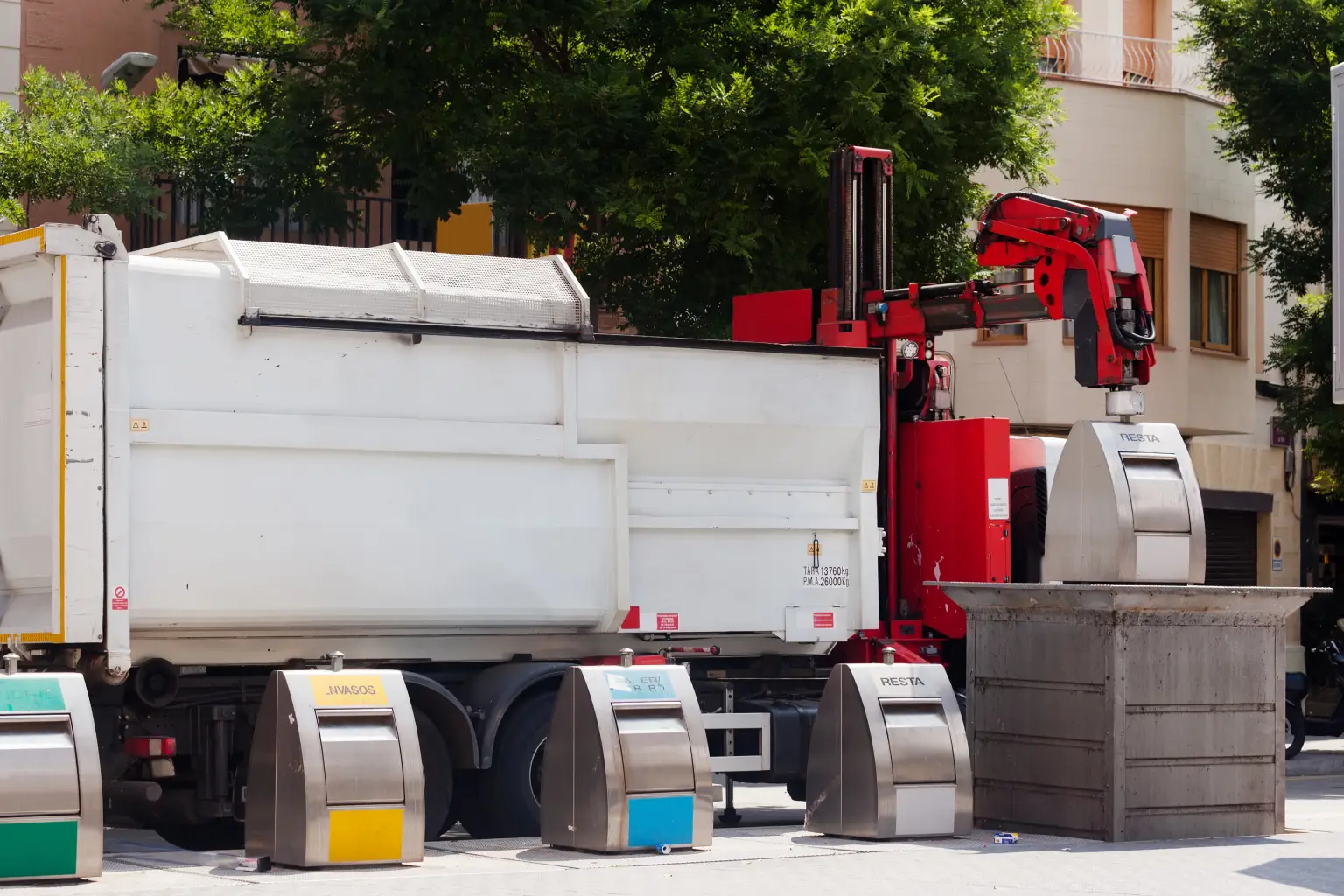
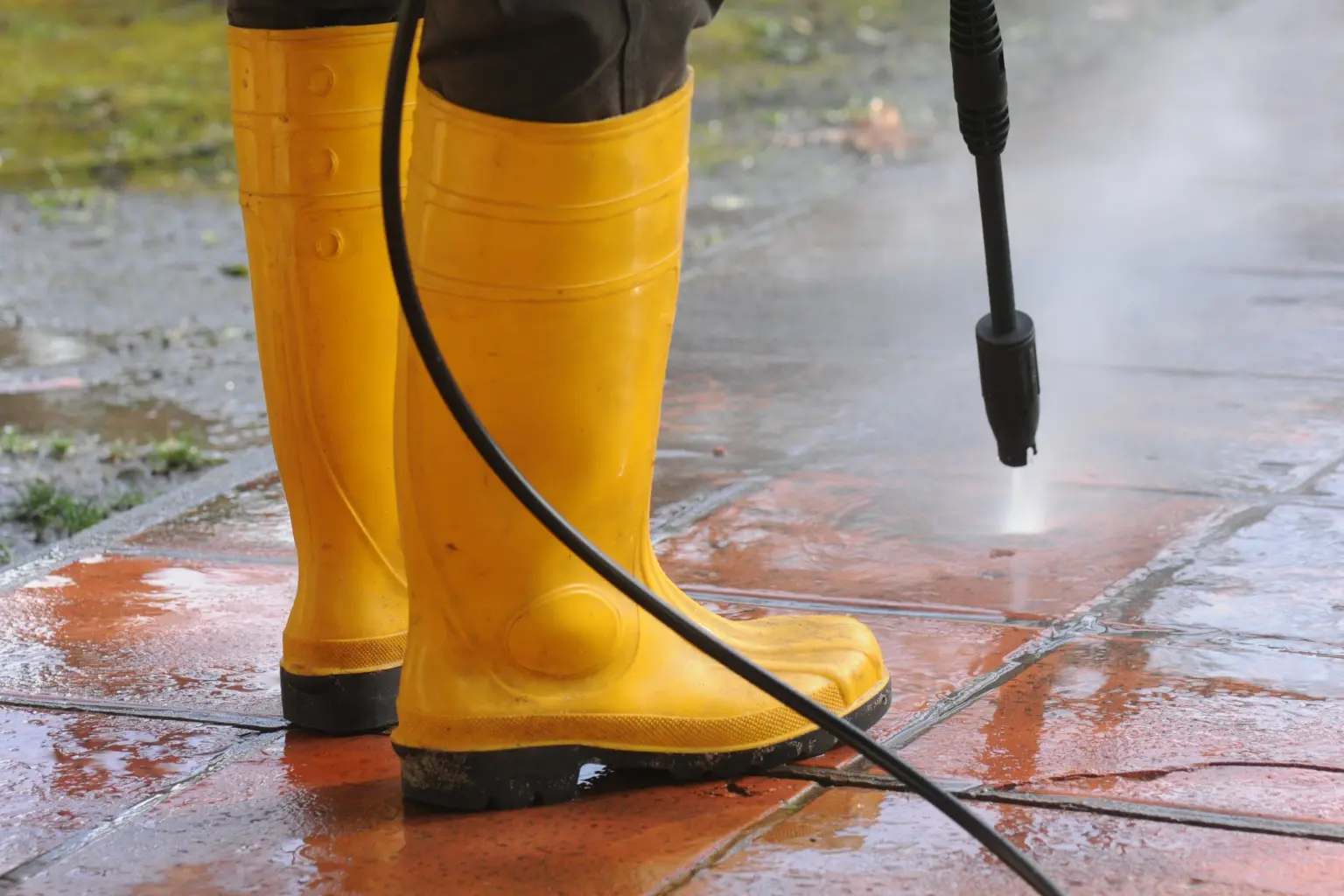
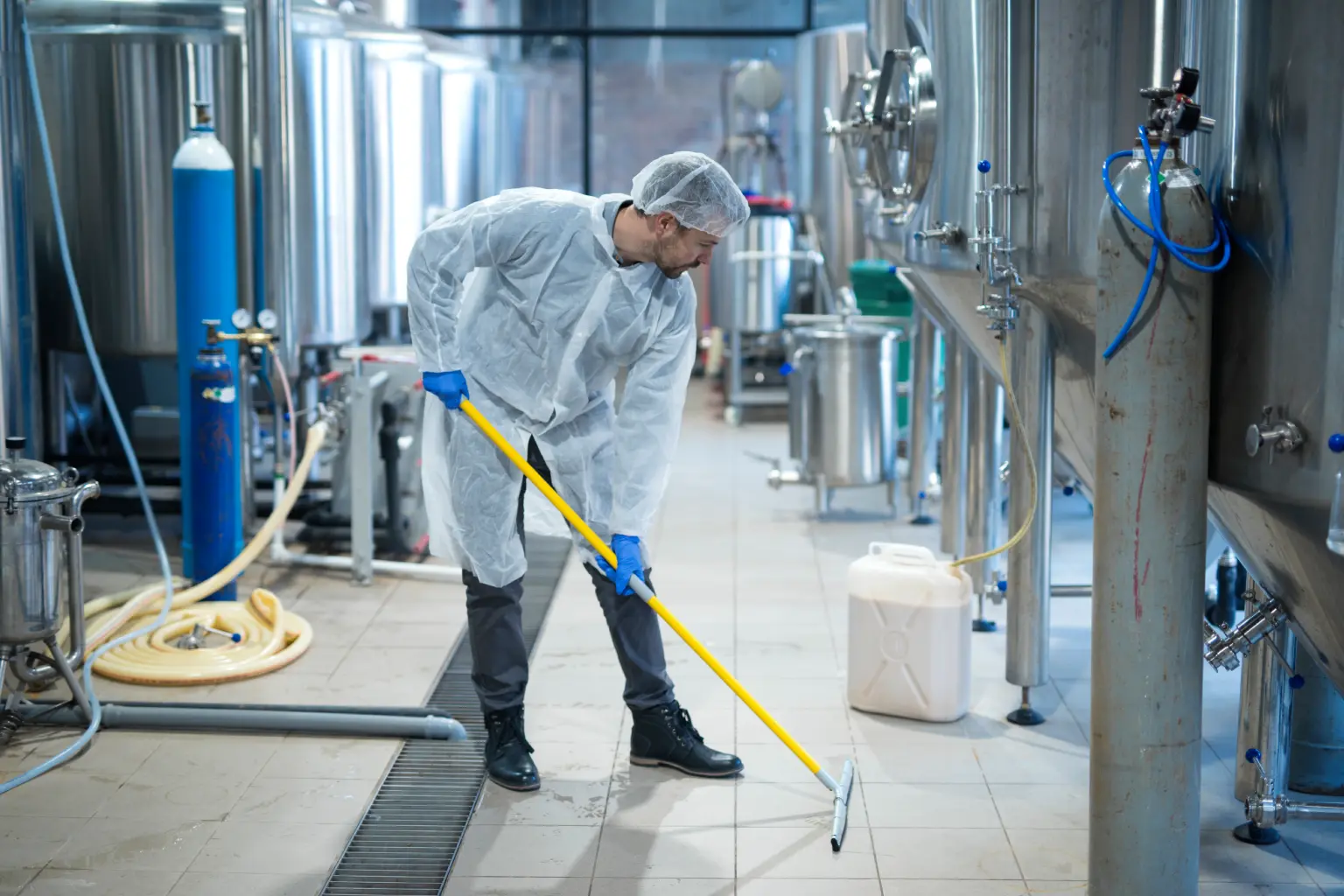
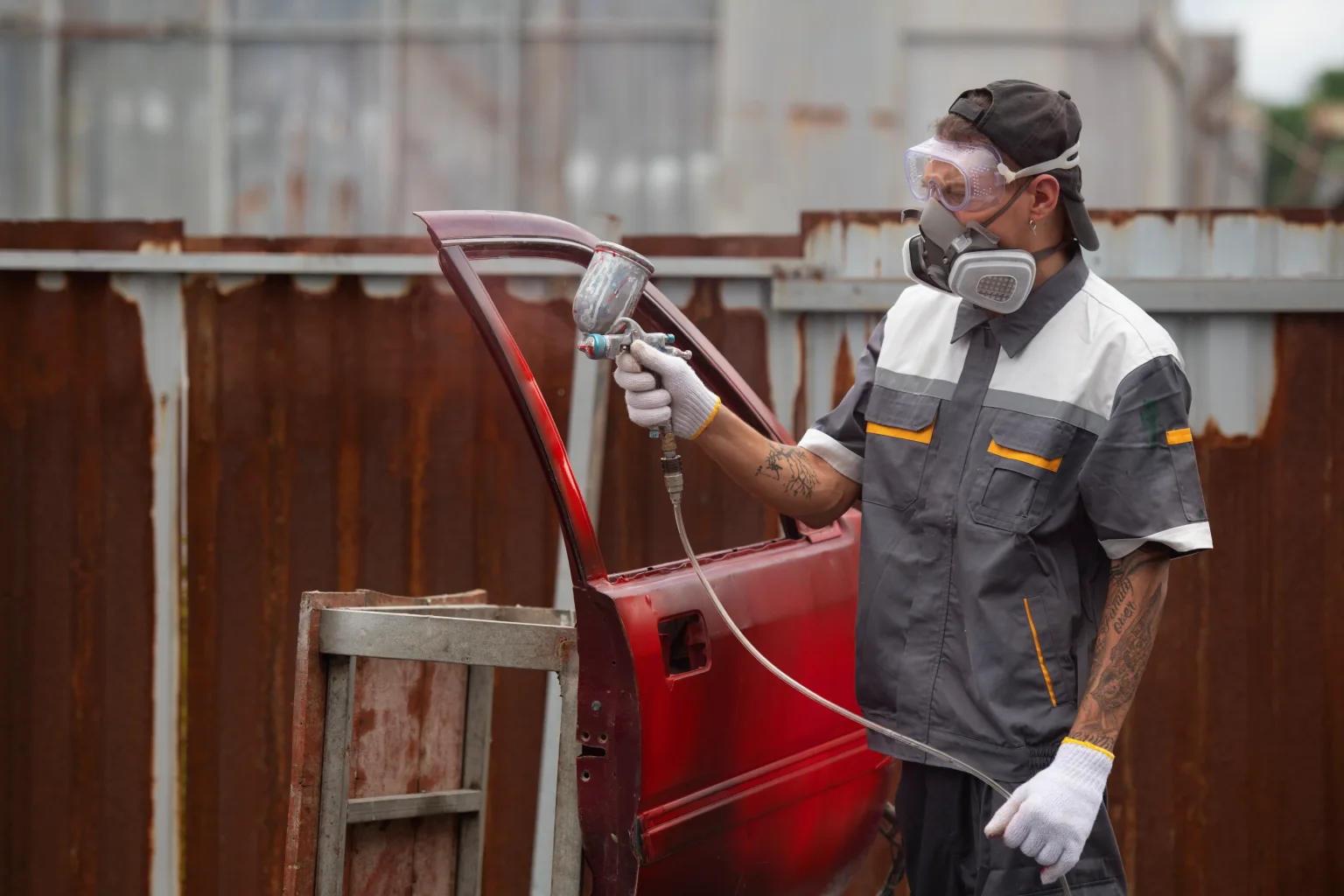
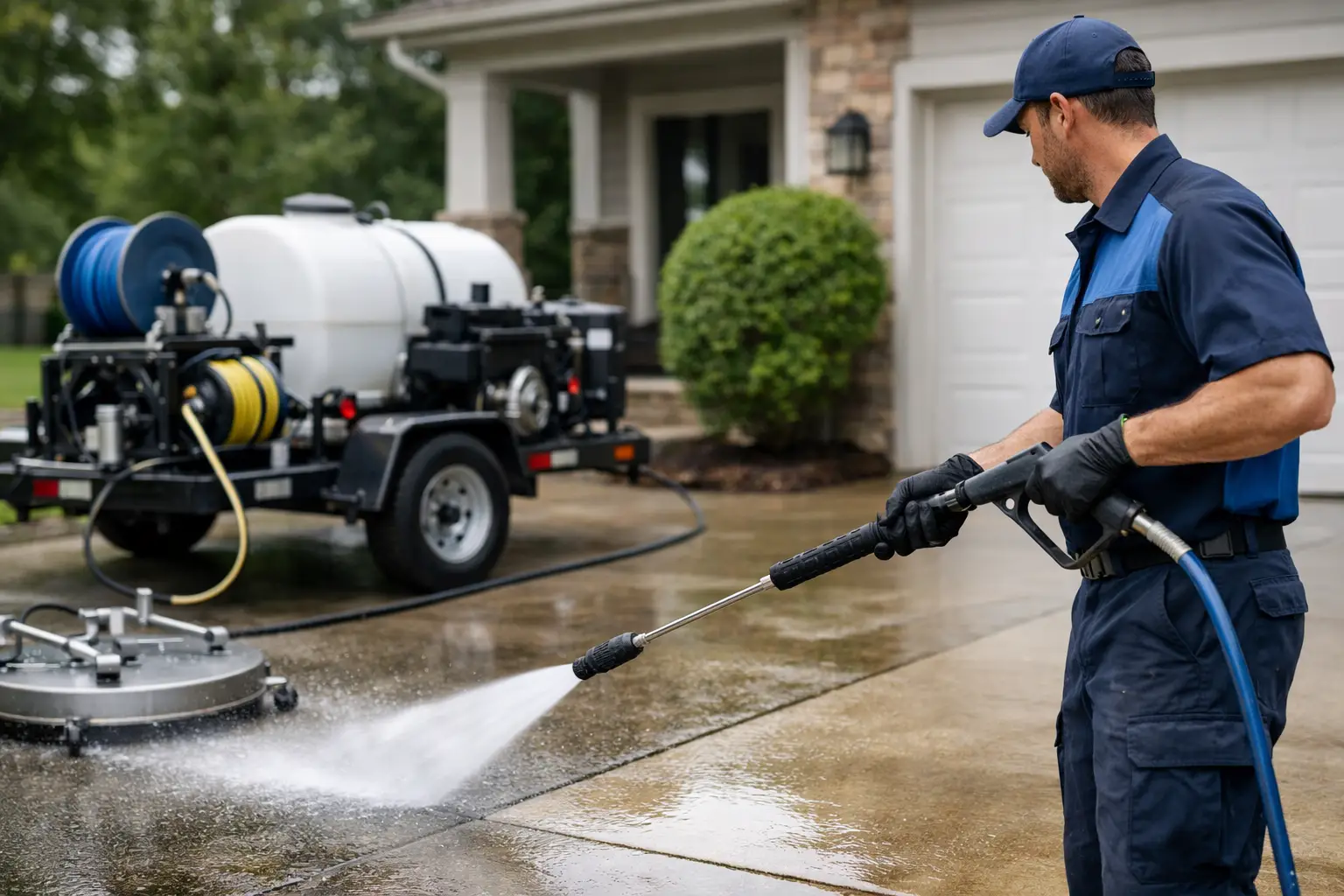
A retail center with stained sidewalks, a loading dock layered with grease, and a dumpster pad producing odor complaints all have the same problem - exterior conditions are affecting safety, appearance, and operations. That is where the question what is pressure washing business becomes practical, not theoretical. In a commercial context, it is a specialized service operation that removes built-up contaminants from exterior surfaces using pressurized water, detergents, surface-specific methods, and managed field execution.
For commercial property stakeholders, that definition needs to go further. A pressure washing business is not just a company with equipment that sprays water at concrete. At the professional level, it is a service system designed to restore and maintain exterior surfaces while controlling risk, scheduling work efficiently, and documenting results across one site or many.
What Is Pressure Washing Business in Real Terms?
A pressure washing business provides exterior cleaning services for surfaces that collect dirt, oil, algae, gum, graffiti, food waste, and other forms of contamination. Those surfaces may include concrete walkways, storefront entries, dumpster enclosures, loading zones, parking lots, curbs, building exteriors, and other hardscape areas.
The business side matters as much as the cleaning itself. In commercial environments, the company is typically responsible for estimating scope, assigning the correct cleaning method, coordinating service windows, handling recurring schedules, managing crews, and maintaining communication with the client. That is the difference between a basic contractor and a structured commercial service partner.
Pressure washing is often used as a broad term, but the actual work may involve more than high pressure alone. Different surfaces require different approaches. Some jobs call for hot water, some require degreasers, some need lower pressure with chemical treatment, and some require containment or environmental controls. A competent operator does not treat every surface the same because the wrong method can damage concrete, push water into buildings, strip finishes, or leave inconsistent results.
The Core Function of a Commercial Pressure Washing Business
For commercial properties, the core function is straightforward: protect appearance, improve cleanliness, and support ongoing property standards. But the way that happens is operational.
A commercial pressure washing business usually works within maintenance cycles. High-traffic storefronts may need regular sidewalk cleaning. Industrial facilities may need routine service around loading docks and service yards. Multifamily and retail properties often require parking lot cleaning, curb line cleaning, dumpster pad restoration, and response work for spills or graffiti. In each case, the goal is not just to make the property look better for a day. It is to create a repeatable maintenance result that supports tenant perception, customer experience, and asset condition.
This is why many commercial clients do not buy pressure washing as a one-time commodity. They buy managed exterior maintenance. That may include recurring scheduling, work orders, service verification, before-and-after documentation, and coordination across multiple locations. For portfolio managers and facility teams, that structure is often more valuable than the cleaning equipment itself.
What Services Does a Pressure Washing Business Typically Provide?
The service mix depends on the market. Residential providers often focus on houses, driveways, and fences. Commercial and industrial providers operate differently.
A commercial-focused pressure washing business commonly handles concrete cleaning, storefront washing, parking lot cleaning, dumpster pad cleaning, loading dock cleaning, graffiti removal, building washdowns, and other exterior surface restoration work. Some also address environmental maintenance issues tied to heavy-use areas where grease, organic buildup, or waste residue create visual and sanitation concerns.
These services may appear simple from a distance, but each one has different field requirements. Dumpster areas usually need degreasing and odor-related residue removal. Loading docks may involve oil staining, tire marking, and operational scheduling around deliveries. Graffiti removal depends on surface porosity, coating condition, and the type of material used. Parking lots require attention to traffic flow, runoff, and large-area efficiency. Good results come from process control, not just pressure output.
Why Commercial Clients Look at the Business Model, Not Just the Cleaning
For a homeowner, hiring a pressure washing company may be a short transaction. For a facility manager or property manager, it is a vendor management decision.
That distinction changes what matters. Commercial clients need reliable scheduling, clear scopes of work, responsive communication, insurance compliance, and consistent execution. They often need work completed outside peak operating hours. They may require photos, service logs, or invoice references tied to property locations. If they oversee multiple sites, they also need a provider that can standardize service quality across a region.
This is where the answer to what is pressure washing business becomes more specific. In the commercial sector, it is part field service, part account management, and part operations system. The cleaning crew is visible, but the administrative structure behind that crew is what makes the service dependable over time.
A company such as Einstein Surface & Environmental Services is positioned around that model. The emphasis is not just industrial-grade cleaning execution. It is also scheduling, estimating, work order control, appointment confirmation, analytics, and client-facing service management that fits commercial accounts.
What Separates a Professional Operation From a Basic Contractor?
The gap usually shows up in four areas: scope definition, method selection, communication, and repeatability.
Scope definition matters because commercial properties have many variables. A proposal that says only pressure wash exterior can create confusion fast. Which areas are included? What level of stain removal is realistic? Is gum removal included? Are oil stains treated or only rinsed? Professional operators define the work clearly so expectations match the field outcome.
Method selection matters because not every stain or surface responds the same way. High pressure can clean efficiently, but it can also etch concrete, scar coatings, or damage adjacent materials if used incorrectly. A disciplined business selects pressure, temperature, detergents, dwell time, and tools based on the surface condition and the result required.
Communication matters because commercial properties do not stop operating while cleaning takes place. Tenants, delivery schedules, customer access, and safety barriers all need coordination. A provider that confirms service windows, communicates arrival status, and documents completion reduces friction for the client.
Repeatability matters because one good visit is not the same as a dependable maintenance program. Commercial properties need consistency across service dates, crew assignments, and multiple sites. That requires systems, not guesswork.
Is a Pressure Washing Business Mainly About Appearance?
Appearance is a major driver, but it is not the only one. Clean exteriors support brand perception, especially in retail and customer-facing environments. A stained storefront entrance or neglected dumpster enclosure sends a message, and usually not the one property owners want.
Still, the business case is broader. Pressure washing can support slip risk reduction by removing algae, grease, and built-up residue. It can help extend the life of surfaces by removing contaminants that accelerate deterioration. It can also improve inspection readiness and help properties maintain a more controlled standard across public-facing and service areas.
That said, there are limits. Pressure washing is not a cure for every surface problem. Deep rust, permanent etching, coating failure, and long-set stains may only improve partially. Honest providers explain those trade-offs before work begins. In commercial service, credibility often comes from setting accurate expectations rather than promising full restoration on every surface.
When Does a Property Need Ongoing Service Instead of One-Time Cleaning?
It depends on traffic, use, and visibility. A low-traffic office building may only need periodic service in select areas. A busy shopping center with food traffic, gum buildup, spills, and constant foot activity may need recurring sidewalk and entry cleaning. Industrial properties with loading activity, waste handling, and equipment movement often benefit from structured service intervals because buildup returns quickly.
Recurring service tends to make sense when exterior conditions affect customer impression, tenant satisfaction, safety, or site operations on an ongoing basis. It also helps when a property group wants budget predictability and documented maintenance rather than reactive cleanup requests.
The real value of routine service is control. Instead of waiting for conditions to become visible enough to trigger complaints, the property maintains a standard. That is generally more efficient than letting contamination accumulate until restoration becomes more labor-intensive and disruptive.
What to Look for in a Pressure Washing Business
For commercial buyers, the right question is not who has the biggest machine. It is who can manage the work professionally.
Look for a company that understands commercial scope, communicates clearly, and applies the correct method for each surface. Evaluate whether they can handle recurring schedules, multi-site coordination, and service documentation if your portfolio requires it. Ask how they address high-traffic areas, sensitive surfaces, stain treatment limitations, and operational timing.
If your property has public visibility, service-heavy zones, or multiple stakeholders, the strongest provider is usually the one with both field capability and management discipline. Exterior cleaning becomes much easier to oversee when the service is organized from estimate through completion.
For commercial properties, a pressure washing business is best understood as a maintenance partner with industrial cleaning capability and a system for delivering it consistently. When that structure is in place, cleaner surfaces are not just cosmetic - they become part of how a property stays presentable, functional, and easier to manage.