Industry News & Trends
Insights, updates, and expert advice on commercial pressure washing and surface cleaning.
Add as a preferred source on GoogleHow Often Should You Get Your Dumpster Pads Cleaned: A Guide for Texas Facilities
July 14, 2026
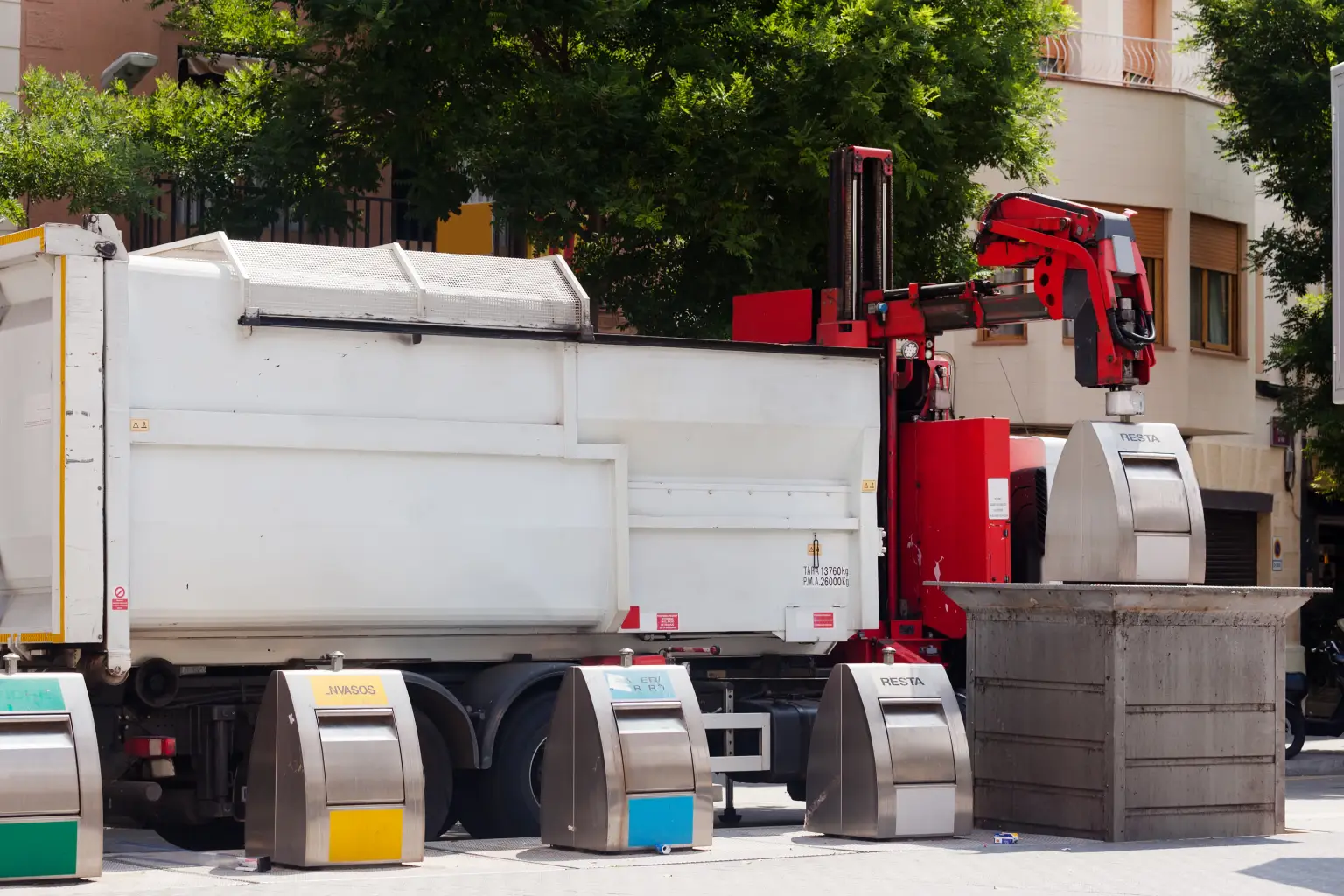
Dumpster pads are out of sight for many visitors, but they still shape the health, safety, and reputation of a commercial property. When those areas are ignored, odors build fast, grease spreads, pests appear, and complaints follow.
That is why facility teams often ask how often dumpster pads should be cleaned when building maintenance schedules. The right answer depends on property type, waste volume, climate, sanitation risk, and operational tolerance.
In Texas, heat accelerates odor, residue breakdown, and pest activity. Rain can spread waste runoff, while grease and organic matter can soak into concrete and create slip hazards.
This guide explains how often dumpster pads should be cleaned for Texas commercial facilities and how buyers can set a schedule that protects both sanitation and brand standards.
Why Dumpster Pads Need More Attention Than Most Teams Expect
Dumpster areas collect more than trash. They collect liquid waste, food residue, grease, leaks, organic buildup, tire marks, and bacteria over time.
That is why how often dumpster pads should be cleaned is not a cosmetic question. It is a facilities, risk, and tenant-experience question.
A neglected pad can create:
- Persistent odors.
- Fly and rodent activity.
- Slippery walking surfaces.
- Dirty runoff near drains.
- Staining on the surrounding concrete.
- Complaints from tenants, staff, or guests.
For wholesale and institutional buyers, these issues can quickly affect inspections, workplace experience, and operational credibility.
The Short Answer: Recommended Cleaning Frequency
Most Texas commercial facilities should not wait for visible buildup before acting. Once odor and grease become obvious, the pad already needs corrective cleaning.
A practical answer to how often dumpster pads should be cleaned looks like this:
| Facility Type | Recommended Frequency | Why |
|---|---|---|
| Restaurants and food service sites | Monthly or biweekly | Heavy organic waste and grease buildup |
| Grocery and wholesale facilities | Monthly | High waste volume and leak risk |
| Hotels and hospitality sites | Monthly or every 6 weeks | Odor control and guest-area protection |
| Apartment communities | Monthly or quarterly | Shared usage and resident complaints |
| Industrial and warehouse sites | Quarterly or as needed | Lower organic waste, but still soil buildup |
| Schools, hospitals, and institutions | Monthly or quarterly | Sanitation and public health expectations |
| Office parks | Quarterly | Lower waste intensity in many cases |
So, how often should dumpster pads be cleaned in most commercial settings? For many high-use properties, monthly service is the safest baseline.
What Changes the Right Schedule
Waste Type
Food-heavy properties need more frequent service than office environments. Organic residue, grease, liquids, and spoiled materials create odor and pest pressure quickly.
That makes the waste profile one of the biggest factors in how often dumpster pads should be cleaned. A restaurant pad is not comparable to a low-volume office trash zone.
Usage Volume
The number of tenants, customers, or residents using the waste area matters. More traffic usually means more spills, overflow, and contamination around the enclosure.
As usage rises, how often should dumpster pads be cleaned usually shifts from quarterly to monthly, or even more often.
Climate and Season
Texas heat speeds up bacterial activity, odor formation, and pest attraction. Summer conditions can turn a manageable trash area into a recurring complaint source very quickly.
Because of that, how often dumpster pads should be cleaned may change by season. Some facilities need extra warm-weather service, especially in hospitality and food-related environments.
Drainage and Surface Condition
Pads with poor drainage hold contaminated water longer. Cracked concrete, uneven slopes, and worn surfaces trap residue and make deep cleaning harder.
These site issues strongly affect how often dumpster pads should be cleaned because buildup returns faster when surfaces cannot drain or rinse properly.
Inspection and Reputation Risk
Institutional and wholesale environments often face stricter expectations. Tenants, auditors, staff, delivery partners, and public visitors notice back-of-house conditions more than many managers expect.
That is another reason why the frequency with which dumpster pads should be cleaned should be tied to risk exposure, not just budget convenience.
Texas Facility Types and Their Best Cleaning Schedules
Restaurants, Cafeterias, and Food Production Sites
These properties should typically schedule monthly or biweekly cleaning. Food waste and grease create fast odor buildup and attract pests.
When asking how often dumpster pads should be cleaned for food-related properties, the answer is usually: more often than you think.
Hotels, Resorts, and Hospitality Properties
Hospitality brands cannot let back-of-house odors drift near guest areas. Service roads, delivery lanes, and waste enclosures still affect the guest experience.
For many hospitality teams, how often dumpster pads should be cleaned should start at monthly and increase during hot seasons or peak occupancy periods.
Apartment Communities and Mixed-Use Sites
Shared trash areas often become resident complaint zones. Illegal dumping, bag leaks, and overflow are common in multi-tenant settings.
That means how often dumpster pads should be cleaned often falls between monthly and quarterly, depending on occupancy and management standards.
Warehouses and Industrial Sites
These facilities may produce less organic waste, but they still accumulate grime, leaks, and debris. Vehicle traffic can spread contamination beyond the pad itself.
For industrial buyers, how often should dumpster pads be cleaned is often quarterly, with extra service after spills, busy seasons, or tenant turnover.
Warning Signs You Are Waiting Too Long
Many teams only react when the problem becomes obvious. By then, the cleanup usually costs more, and the site looks neglected.
Your schedule is probably too light if you notice:
- Strong smell before reaching the enclosure.
- Dark grease rings or sticky residue.
- Standing dirty water after rain.
- Flies, rodents, or insect activity.
- Complaints from staff, tenants, or vendors.
- Slip risk around the approach path.
- Staining on nearby walls or curbs.
When these signs appear, the answer to how often dumpster pads should be cleaned is simple: more frequently than the current plan.
Why Routine Cleaning Costs Less Over Time
Some buyers delay service to save money. In practice, that often increases total cost.
Routine cleaning keeps buildup manageable. It reduces the labor, chemistry, odor treatment, and repeat passes needed to restore a neglected area.
So when evaluating how often dumpster pads should be cleaned, think beyond one invoice. A scheduled program can reduce emergency calls, resident complaints, and sanitation-related escalations.
What a Proper Dumpster Pad Service Should Include
Not all cleaning visits are equal. A superficial rinse may improve appearance for a day, but it will not control deeper residue or sanitation issues.
A proper service should include:
- Visual inspection of the pad and surrounding concrete.
- Removal of loose debris before washing.
- Degreasing or targeted pre-treatment where needed.
- Controlled pressure washing for the pad surface.
- Attention to curbs, walls, approach lanes, and corners.
- Rinse management and final inspection.
These details influence how often dumpster pads should be cleaned because better service quality usually extends the useful interval between visits.
How Buyers Should Build a Dumpster Pad Program
A smart program starts with property realities, not guesswork. Buyers should review waste type, complaint history, traffic, seasonality, and nearby occupancy.
Use this planning model:
- Start with a baseline monthly or quarterly schedule.
- Increase frequency for food-heavy or hospitality properties.
- Add seasonal service during hotter months.
- Include the surrounding concrete, not only the pad center.
- Track complaints, odors, and pest activity.
- Adjust frequency after 60 to 90 days of review.
This approach gives a practical answer to how often dumpster pads should be cleaned while keeping budgets aligned with real operational needs.
Why Einstein Surface Is a Strong Fit for Texas Facilities
Einstein Surface focuses on commercial cleaning environments where safety, presentation, and operational control matter. Its service mix includes commercial pressure washing, concrete cleaning, storefront cleaning, parking lot cleaning, dumpster pad cleaning, loading dock cleaning, and broader environmental services across Texas.
For wholesale and institutional buyers, that commercial specialization matters. Dumpster pads are not isolated surfaces. They connect to broader property cleanliness, sanitation expectations, and risk management.
A provider that understands commercial scheduling, traffic flow, and site-specific cleaning needs can help facilities move from reactive cleanup to a reliable maintenance routine.
Keep It Clean With Einstein Surface
The best answer to how often dumpster pads should be cleaned is the one that matches your waste load, property risk, and sanitation expectations. For many Texas facilities, monthly service is the safest starting point, with more frequent cleaning for food-heavy or complaint-prone sites.
Routine dumpster pad cleaning protects the property beyond appearances. It supports safer surfaces, fewer odors, better tenant experience, and stronger operational standards.
Need a clear answer on how often dumpster pads should be cleaned for your property? Contact Einstein Surface to build a schedule that fits your Texas facility.
Frequently Asked Questions
1. How often should dumpster pads be cleaned at restaurants in Texas?
Most restaurants benefit from monthly or biweekly cleaning because food residue, grease, odors, and pests build up quickly in warm Texas conditions.
2. How often should dumpster pads be cleaned at apartment communities?
Many apartment properties need monthly or quarterly service, depending on occupancy, overflow frequency, complaint history, and how well residents use shared trash areas.
3. Can quarterly dumpster pad cleaning be enough?
Yes, for lower-use office or industrial properties. It is often not enough for restaurants, grocery facilities, hotels, or busy multi-tenant sites.
4. What problems happen when dumpster pads are cleaned too rarely?
Odors, grease buildup, pests, slip hazards, runoff staining, and tenant complaints become more common, and deep restoration often costs more than routine service.
5. Should the surrounding concrete be cleaned with the dumpster pad?
Yes. Residue often spreads beyond the main pad, so surrounding approach lanes, curbs, and nearby walls should be included when needed.
Need fast commercial graffiti removal in Texas?
Contact Einstein Surface today for quick, professional service.