Industry News & Trends
Insights, updates, and expert advice on commercial pressure washing and surface cleaning.
Add as a preferred source on GoogleBest Oil Stain Removal for Commercial Concrete Lots
July 14, 2026
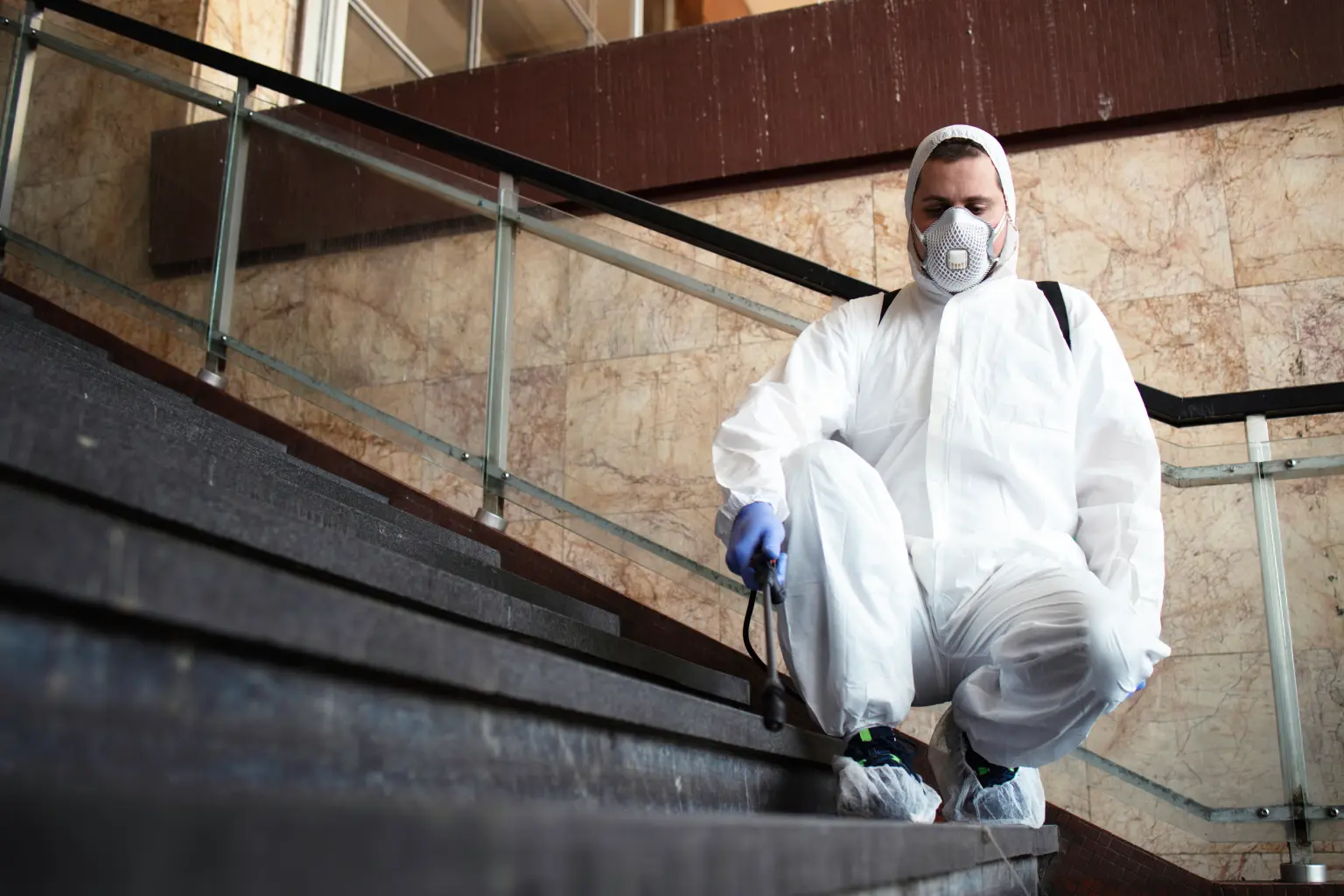
Oil stains do more than make a property look neglected. On commercial concrete, they signal poor maintenance, create slip risks, and weaken the visual standard that buyers, tenants, and visitors expect.
If you manage a resort entry drive, retail distribution site, or private label facility, the best way to remove oil stains from concrete is not a one-size-fits-all trick. It is a structured process that starts with stain identification, moves through absorption and treatment, and ends with professional surface cleaning that restores appearance without damaging the slab.
Many property teams waste time on random DIY methods. They scrub too lightly, choose the wrong cleaner, or pressure wash too early. That often spreads the stain, drives oil deeper, and leaves the concrete blotchy.
This guide explains the commercial process that works best. It also shows when basic methods can help, when they fail, and how to keep oil from becoming a permanent maintenance headache.
Why Oil Stains Are a Bigger Problem on Commercial Concrete
Commercial lots and driveways carry constant vehicle traffic. That means repeated leaks from delivery trucks, guest vehicles, forklifts, maintenance vans, and loading equipment.
Unlike a small residential spill, commercial staining often builds in layers. Fresh oil sits on the surface, but older residue settles into the porous capillaries of concrete.
That matters for three reasons:
- Stains hurt curb appeal and first impressions.
- Residue can create slick walking or driving zones.
- Long-term buildup makes concrete harder to restore.
For resort buyers, appearance affects guest perception. For retail importers and private label operators, exterior upkeep reflects internal standards. A dirty lot suggests weak maintenance discipline, even when operations are strong.
That is why the best way to remove oil stains from concrete must balance speed, safety, and finish quality.
Start With the Type and Age of the Stain
Before choosing any product, identify what is on the concrete. Different oils respond differently.
Common culprits include:
- Motor oil from parked vehicles.
- Transmission fluid, often red and sticky.
- Gasoline residue, which needs quick handling.
- Grease from service vehicles or loading areas.
- Mixed petroleum runoff near curbs and drains.
Fresh stains are easier to treat. Absorbent materials can pull surface oil before it penetrates further. Older stains need more agitation, dwell time, and often heat-based cleaning.
A simple rule helps here: if the stain still feels wet, absorb first. If it is dark, dry, and embedded, move to a deeper treatment plan.
Skipping this step leads to poor results. Many teams think the best way to remove oil stains from concrete is simply blasting water on it. In reality, pressure alone rarely removes deep oil contamination.
The Step-by-Step Method That Works Best
The most reliable commercial method follows a sequence. Each stage supports the next.
1. Contain the Area First
Secure the space before cleaning begins. This matters most in active lots, guest drives, and loading zones.
Use cones, caution signage, and temporary rerouting where needed. If the stain is near storm drains, block the runoff paths and plan recovery measures.
2. Absorb Fresh Surface Oil
For new spills, use an absorbent first. Cat litter, absorbent granules, or baking soda can pull up loose oil before scrubbing starts.
Spread a thick layer over the stain. Let it sit long enough to absorb the surface residue, then sweep and dispose of it properly. This is a smart first move, but it is not the full answer. On commercial sites, the best way to remove oil stains from concrete rarely stops at absorption alone.
3. Apply the Right Degreasing Agent
Use a cleaner made for petroleum contamination on concrete. Dish soap may help with very light residue, but commercial lots usually need stronger degreasing chemistry.
The cleaner should break down oil without etching the slab. It also needs enough dwell time to lift contamination from the pores. Apply evenly across the full stain and slightly beyond the visible edges. Oil often spreads wider than the darkest center.
4. Agitate the Surface Properly
After the cleaner sits, scrub the area with a stiff-bristle brush or a mechanical surface tool. Agitation is what loosens embedded material from the concrete texture.
Small manual brushes work for spot treatment. Larger sites often need rotary equipment for consistent results across stained lanes and parking bays.
5. Rinse With Controlled Hot or Cold Washing
This is where technique matters. Cold pressure washing can remove loosened dirt and lighter oil. Hot water power washing is often more effective on grease-heavy commercial staining.
Heat helps soften and break down oily residue. That makes rinsing faster and more complete, especially in drive lanes and service areas.
Here is a quick comparison:
| Method | Best Use | Main Limitation |
|---|---|---|
| Absorbent only | Fresh spills | Does not remove deep staining |
| Detergent and scrubbing | Light or recent stains | Often uneven in large areas |
| Cold pressure washing | Surface dirt and mild residue | Less effective on set-in oil |
| Hot water power washing | Grease, oil, commercial buildup | Needs trained handling |
| Professional degreasing plus washing | Heavy commercial stains | Requires site planning |
For most active commercial properties, the best way to remove oil stains from concrete is professional degreasing followed by controlled surface cleaning with the right water temperature and pressure.
6. Repeat on Deep or Aged Stains
One pass may not be enough. Old stains often need repeated treatment because oil sits below the top surface.
A second degreasing cycle can lighten the shadow significantly. In some cases, complete invisibility is unrealistic, but major visual improvement is absolutely possible.
Why DIY Methods Often Fail on Commercial Sites
DIY tips can work on a small driveway spill. They often fall short on a busy commercial lot.
The problem is scale. A resort entrance, retail yard, or warehouse apron collects traffic, dust, tire residue, and repeated leaks. That creates layered contamination.
Common DIY mistakes include:
- Using too little product.
- Rinsing before the cleaner has dwell time.
- Scrubbing only the center of the stain.
- Using high pressure without proper chemical treatment.
- Ignoring runoff control near drains and landscaped areas.
These mistakes waste labor and leave visible ghosting. Worse, aggressive washing can scar the concrete surface.
When image matters, the best way to remove oil stains from concrete is not the cheapest shortcut. It is the method that restores the area safely and consistently.
Power Washing vs Pressure Washing for Oil Removal
Many buyers and facility teams use these terms interchangeably. They are related, but not identical. Pressure washing uses high-pressure water, usually cold. Power washing uses heated water at pressure, which makes it more effective against oily residue, sticky buildup, and grease-heavy surfaces.
For commercial oil stains, hot water often performs better because it loosens petroleum-based grime faster. It also helps clean the surrounding concrete evenly, so the treated patch does not look isolated.
That said, not every slab needs the same force or heat. Surface age, finish, slope, and nearby drainage all affect the right approach.
So, what is the best way to remove oil stains from concrete when you need a real operational answer? It is to match the cleaning method to the stain depth, traffic level, and surface condition rather than relying on one universal setting.
What Commercial Buyers Should Look for in a Cleaning Partner
If you are hiring outside help, ask more than one question. The right contractor should understand concrete chemistry, stain behavior, and commercial site logistics.
Look for a provider that offers:
- Experience with high-traffic commercial properties.
- Degreasing solutions designed for concrete surfaces.
- Hot water capability where needed.
- Runoff control and environmentally responsible practices.
- After-hours scheduling options.
- Service documentation for facility teams.
For resort buyers, guest disruption matters. For import and private label sites, operational timing matters. A reliable cleaning partner should plan around deliveries, occupancy, and brand presentation.
How to Prevent Oil Stains From Coming Back Fast
Removal is only part of the equation. Prevention keeps maintenance costs lower over time.
Use these practices:
- Schedule routine inspections of parking and loading areas.
- Treat fresh leaks the same day whenever possible.
- Place absorbent materials in service zones.
- Clean repeated problem spots on a maintenance schedule.
- Consider sealing concrete where suitable for the site.
- Train staff to report drips near guest or customer paths.
Preventive care matters because the best way to remove oil stains from concrete is always easier when the spill is fresh and localized.
Estimated Results by Stain Condition
| Stain Condition | Typical Response Time | Cleaning Difficulty | Expected Visual Improvement |
|---|---|---|---|
| Fresh, wet spill | Same day | Low | High |
| One to seven days old | One service visit | Moderate | High to moderate |
| Aged and dark | One to two treatment cycles | High | Moderate to high |
| Repeated buildup zone | Ongoing maintenance plan | High | Gradual but strong |
This is why response speed matters. The longer the oil sits, the more labor and chemistry it usually takes to restore the area.
Why Einstein Surface Fits Commercial Concrete Cleaning
Einstein Surface is built for commercial environments, not casual spot-cleaning jobs. That matters when you need results across driveways, parking lanes, loading areas, and customer-facing entrances.
The team understands large-site coordination, surface-specific cleaning, and the need to protect both operations and appearance. For buyers managing visible properties, that combination is valuable.
Einstein Surface also fits the needs of brands that cannot afford sloppy cleanup. A structured service plan helps reduce visual wear, improve safety, and support a cleaner first impression across the property.
Make Concrete Look Investment-Ready With Einstein Surface
Oil stains do not disappear because time passes. They get darker, harder to treat, and more expensive to ignore.
If your property needs the best way to remove oil stains from concrete, choose a commercial process that starts with the right degreaser, uses the right washing method, and protects the surface while restoring appearance.
Einstein Surface helps commercial properties clean smarter, present better, and stay ready for buyers, tenants, guests, and inspections. Book service now and get the best way to remove oil stains from concrete done right.
Frequently Asked Questions
1. What is the best first step for a fresh oil stain on commercial concrete?
The best first step is absorption. Use cat litter or absorbent granules quickly, then follow with degreasing and washing to stop the oil from sinking deeper.
2. Can pressure washing alone remove old oil stains from concrete?
Pressure washing alone rarely removes old oil stains completely. Set-in stains usually need a degreaser, agitation, and often hot water cleaning for stronger results.
3. Is hot water better than cold water for oil stain removal?
Yes, in many commercial cases. Hot water helps break down greasy residue faster and can improve cleaning performance on older, heavier oil contamination.
4. How often should commercial lots be checked for oil staining?
High-traffic lots should be checked weekly. Fast cleanup keeps stains from setting and helps preserve curb appeal, safety, and long-term concrete condition.
5. Can oil stains damage the image of a commercial property?
Yes. Dark stains make a property look poorly maintained, which can affect guest trust, customer perception, and the overall quality signal buyers associate with the site.
Need fast commercial graffiti removal in Texas?
Contact Einstein Surface today for quick, professional service.