Industry News & Trends
Insights, updates, and expert advice on commercial pressure washing and surface cleaning.
Add as a preferred source on GoogleCommercial Property Exterior Maintenance: A Guide For Texas
August 25, 2026
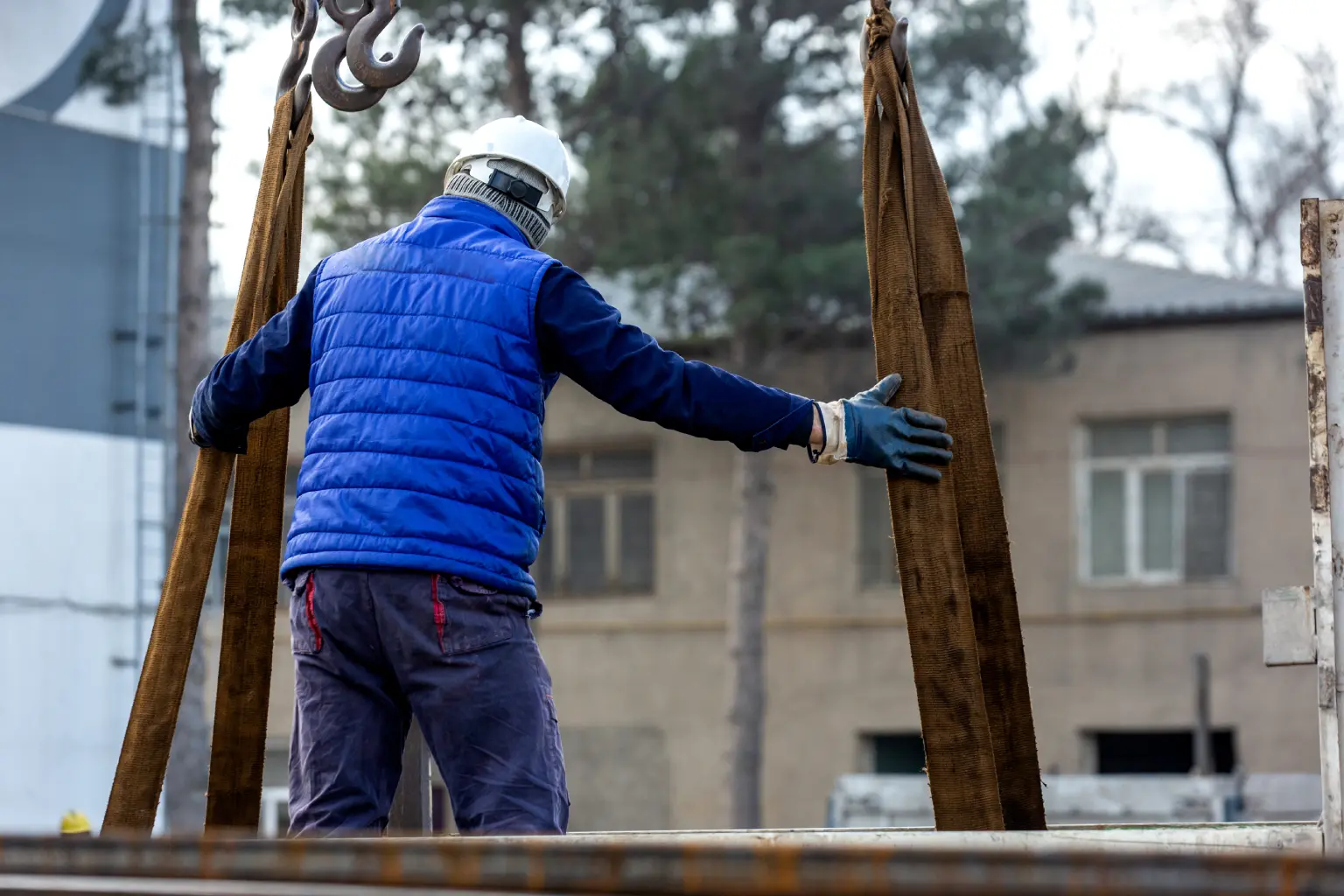
Managing a commercial property in Texas means fighting heat, sudden storms, and dust almost every month of the year. A single missed inspection can turn into a costly repair bill within a season. That is why a structured approach to commercial property exterior maintenance matters more here than in milder climates.
Property managers juggle leasing, tenant relations, and budgets. Exterior upkeep often slides down the priority list until a tenant complains or a slip-and-fall claim lands on your desk. This guide provides a clear, repeatable checklist, ensuring that commercial property exterior maintenance never becomes an afterthought again.
Why Commercial Property Exterior Maintenance Cannot Wait
Texas properties face a rough combination of intense UV exposure, flash flooding, and dust storms. Concrete cracks faster under thermal expansion. Facades collect grime quickly near highways and industrial corridors. Left unchecked, small issues become expensive structural problems.
Deferred maintenance also affects leasing. Prospective tenants judge a building within seconds of pulling into the lot. A property manager who treats commercial property exterior maintenance as routine, not reactive, protects both asset value and occupancy rates.
There is also a liability angle. Cracked walkways, oil stains, and slick entryways create real slip-and-fall risk. Courts and insurers expect documented maintenance schedules, not guesswork. A written checklist becomes your defense if a claim ever arises, and it strengthens your overall commercial property exterior maintenance strategy.
The Texas Property Manager's Exterior Checklist
Below is a practical breakdown organized by the three zones that generate the most tenant complaints and liability exposure: concrete surfaces, building facades, and entryways. Together, these zones form the backbone of any solid commercial property exterior maintenance plan.
Concrete And Pavement
-
Inspect parking lots and drive lanes quarterly for cracks, potholes, and pooling water
-
Pressure wash concrete every 90 to 120 days to remove oil, rubber marks, and organic buildup
-
Reseal expansion joints annually before the summer heat widens existing cracks
-
Restripe parking spaces and fire lanes once faded striping becomes hard to see
-
Clear storm drains and catch basins before the spring rain season begins
Building Facades
-
Schedule a facade wash at least twice a year, more often near dusty roads or construction sites
-
Check for efflorescence, mold, and mildew on stucco and masonry after wet months
-
Inspect caulking and window seals annually to prevent water intrusion behind the wall
-
Look for rust streaks near metal fixtures, gutters, and signage anchors
-
Document facade condition with dated photos each quarter for your maintenance file
Entryways And Common Areas
-
Clean glass doors, storefront windows, and lobby entrances weekly for a polished first impression
-
Pressure wash entry mats, ramps, and steps monthly to remove grease and grime
-
Test entry lighting and motion sensors monthly, especially before daylight saving changes
-
Repaint or touch up handrails and thresholds twice a year
-
Verify ADA-compliant ramps remain slip-resistant after every deep cleaning cycle
Seasonal Planning For Texas Weather
Texas does not have a gentle transition between seasons. Spring brings pollen and sudden storms. Summer brings scorching heat that bakes grime into concrete. Fall and winter bring dust and the occasional ice event in the northern parts of the state.
A smart commercial property exterior maintenance calendar assigns heavier cleaning cycles right before and after these extremes. Spring cleaning removes winter grime before pollen season. Late summer cleaning removes baked-in oil and tire marks before fall foot traffic increases. Building this rhythm into your yearly plan keeps commercial property exterior maintenance predictable instead of reactive.
| Season | Priority Task | Why It Matters |
|---|---|---|
| Spring | Facade wash, drain clearing | Removes pollen buildup, prepares for storm season |
| Summer | Concrete pressure washing | Prevents heat-baked stains, reduces UV damage |
| Fall | Entryway deep clean, caulk check | Prepares seals before temperature swings |
| Winter | Lighting checks, spot cleaning | Maintains safety during shorter daylight hours |
Building Exterior Cleaning Services: DIY Versus Professional
Some tasks fit inside a maintenance team's regular rounds. Others need commercial-grade equipment and trained technicians. Knowing where that line sits saves money and prevents surface damage.
In-house teams can usually handle light sweeping, spot wiping of glass doors, and visual inspections. However, deep concrete cleaning, facade washing, and graffiti removal call for professional building exterior cleaning services with the right pressure, water temperature, and eco-safe chemicals.
Using the wrong pressure or chemical mix can strip paint, damage stucco, or push water behind siding. Professional crews carry insurance, follow local water discharge rules, and document results with before-and-after photos. That documentation matters if a tenant or inspector ever asks for proof of your commercial property exterior maintenance efforts.
Why Experience And Expertise Matter Here
Exterior maintenance decisions carry real financial weight. A property manager who understands surface materials, regional weather patterns, and safety codes makes far better calls than one working from a generic checklist alone.
Experience shows in the details: knowing which sealants hold up under Texas heat, which facade materials stain fastest near highways, and which entryways need extra attention during grease-heavy lunch rushes near food courts. That local, hands-on knowledge is what separates a reactive maintenance plan from a proactive commercial property exterior maintenance program.
Working with vendors who specialize in Texas commercial properties adds another layer of trust. They have already tested which techniques work on local limestone, brick, and stucco without causing damage. That expertise protects your building and your budget at the same time, reinforcing sound commercial property exterior maintenance decisions year after year.
Building A Maintenance Calendar That Sticks
A checklist only works if someone owns it. Assign specific tasks to specific team members or vendors, with clear deadlines tied to the calendar above. Review completion each quarter during your regular budget meeting.
Keep a simple log, whether digital or paper, noting the date, task, and vendor for every exterior job completed. This log becomes invaluable during lease renewals, insurance audits, and property sale due diligence. Buyers and lenders both look favorably on documented commercial property exterior maintenance history.
Set calendar reminders 30 days ahead of each seasonal task so vendor scheduling never becomes a last-minute scramble. Texas contractors book up fast before storm season, and before major local events, so early planning protects your overall maintenance timeline.
Working With Multi-Tenant And Multi-Building Portfolios
Property managers overseeing several sites across Texas face an added challenge: consistency. Each building may sit in a different microclimate, from humid Gulf Coast air to dry West Texas dust. A one-size-fits-all schedule rarely works across a diverse portfolio.
Instead, build a master commercial property exterior maintenance calendar, then adjust cleaning frequency per site based on local conditions. A Houston property near the coast may need facade washing every 60 days due to humidity. A Lubbock property might need it every 90 days due to dust.
Centralizing vendor management also helps. Working with one provider across multiple Texas locations simplifies invoicing, standardizes quality, and ensures every site follows the same documented process. This consistency matters most during audits, refinancing, or portfolio sales, when buyers expect uniform maintenance records across every asset.
Common Mistakes Property Managers Make
-
Waiting for visible damage before scheduling a facade wash
-
Using residential-grade equipment on large commercial concrete surfaces
-
Skipping documentation, leaving no proof of maintenance for insurance claims
-
Ignoring drainage issues until standing water damages pavement
-
Treating entryway cleaning as optional rather than a safety requirement
Avoiding these mistakes takes discipline, not extra budget. Most fixes are simply about timing tasks correctly and choosing the right vendor for each surface type, which keeps your commercial property exterior maintenance budget predictable.
Partner With Einstein Surface For Reliable Results
**Einstein Surface **brings industrial-grade equipment and trained technicians to every commercial property across Texas. From cracked concrete to grimy storefront glass, the team handles the full scope of building exterior cleaning services with documented, photo-verified results.
Property managers choose Einstein Surface because scheduling is simple, quotes are transparent, and crews understand the specific demands of Texas heat, dust, and storm cycles. Whether you manage a single retail strip or a multi-building portfolio, a single call covers concrete, facades, and entryways under one commercial property exterior maintenance plan.
Every job includes a scope walkthrough, a same-day quote in most cases, and a service log you can hand straight to your ownership group or insurer. That level of documentation turns routine maintenance into a genuine asset protection strategy, backed by reliable building exterior cleaning services.
Einstein Surface Makes Exterior Upkeep Effortless
A clean, well-maintained property protects tenants, reduces liability, and preserves asset value across every Texas season. Building a repeatable checklist for concrete, facades, and entryways turns commercial property exterior maintenance from a scattered chore into a predictable, budget-friendly process.
Professional building exterior cleaning services fill the gap that in-house teams cannot safely cover, especially on large concrete surfaces and delicate facade materials. Pair that expertise with a documented seasonal calendar, and your property stays ahead of Texas weather instead of reacting to it.
Ready to put a reliable commercial property exterior maintenance plan in place? Call Einstein Surface today for a free quote.
Frequently Asked Questions
1. How often should Texas commercial properties schedule exterior pressure washing?
Most properties benefit from concrete cleaning every 90 to 120 days and facade washing twice a year, adjusted for nearby dust, traffic, or construction activity.
2. What is the biggest liability risk in exterior maintenance?
Slip-and-fall incidents near entryways and parking areas top the list, often caused by grease, standing water, or cracked walking surfaces left unaddressed.
3. Can in-house maintenance teams handle facade cleaning?
Light spot cleaning works fine in-house, but full facade washing needs professional equipment to avoid stripping paint or forcing water behind siding.
4. How does documentation help during insurance claims?
A dated maintenance log with photos proves due diligence, which can reduce liability exposure and speed up claim resolution after an incident.
5. What is the best time of year for a full exterior deep clean?
Early spring works well in Texas, removing winter grime before pollen season and preparing surfaces for the summer heat that follows.
Need fast commercial graffiti removal in Texas?
Contact Einstein Surface today for quick, professional service.