Industry News & Trends
Insights, updates, and expert advice on commercial pressure washing and surface cleaning.
Add as a preferred source on GooglePressure Washing vs. Power Washing for Texas Sites
July 14, 2026
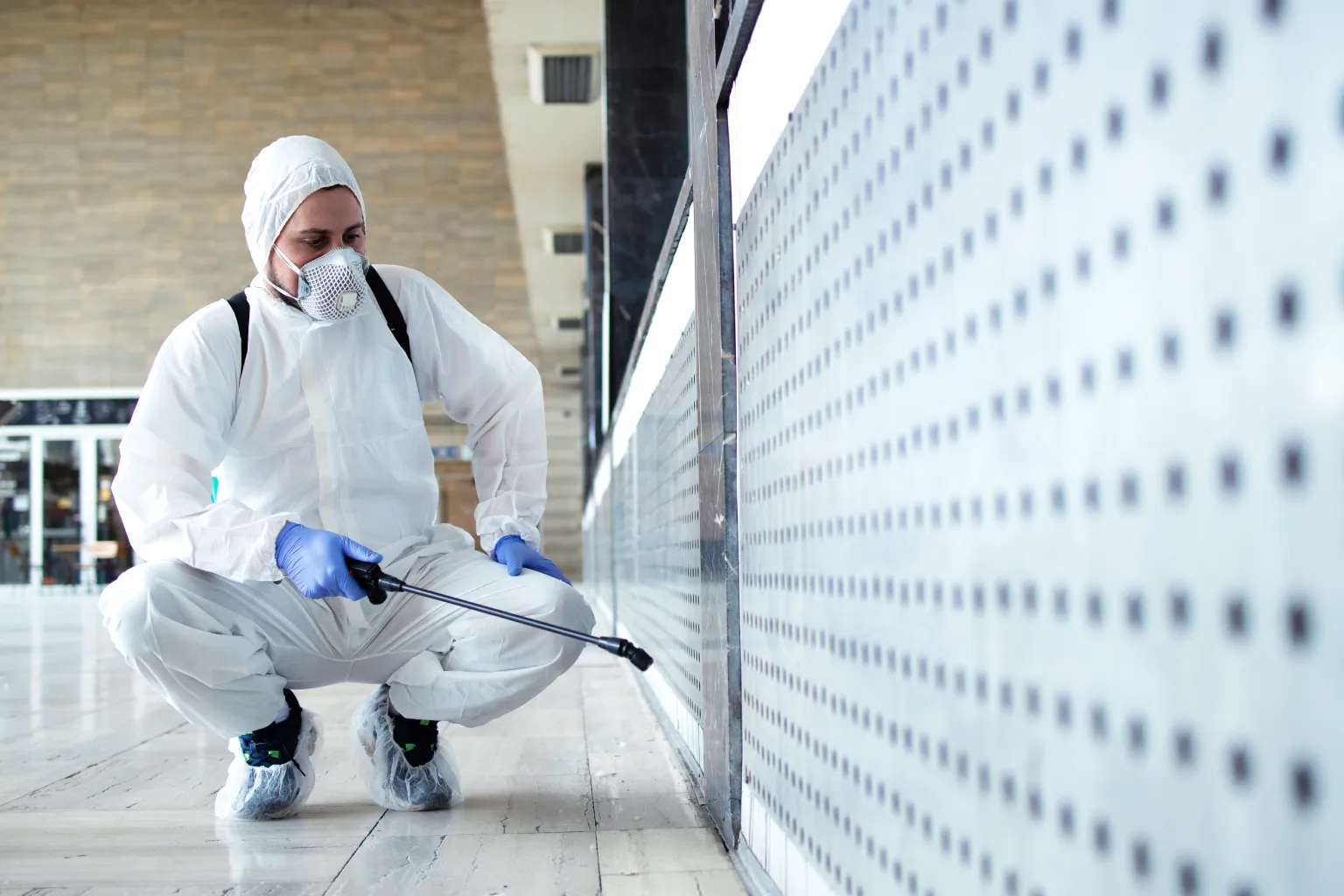
When commercial property teams compare cleaning methods, they often ask the same question: What is the real difference between pressure washing and power washing? The terms get used interchangeably, but they are not always the same.
For Texas commercial properties, the right choice depends on surface type, stain type, temperature needs, traffic conditions, and environmental controls. Understanding pressure washing vs power washing helps owners protect surfaces, control costs, and schedule the right service the first time.
What Is the Difference Between Pressure Washing and Power Washing?
The simplest distinction is heat. Pressure washing uses high-pressure water, while power washing uses heated water delivered under pressure.
That temperature difference matters more than many buyers realize. Heat can improve cleaning performance on grease, oil, gum, and stubborn organic buildup.
In plain terms, the pressure washing vs power washing decision often comes down to whether cold water is enough. If not, heated water may be the better commercial solution.
Why the Difference Matters on Commercial Properties
On a residential patio, either method might seem similar. In a Texas shopping center, warehouse, school, or wholesale facility, the wrong method can waste labor and still leave stains behind.
Commercial sites have larger surfaces, tighter cleaning windows, and heavier contamination. They also have brand, safety, and compliance concerns that require more planning.
That is why pressure washing vs power washing is not just a technical debate. It is a business decision tied to results, risk, and operational efficiency.
How Pressure Washing Works
Pressure washing uses force to remove dirt, loose debris, mildew, and light surface contamination. It works well when heat is not essential.
This method is often effective for:
- Sidewalk dust and light grime.
- Building exteriors with general soil buildup.
- Parking areas with surface dirt.
- Walkways that need routine appearance maintenance.
- Pre-cleaning before a deeper treatment.
Pressure washing is often faster to deploy and suitable for routine maintenance. When the soil load is moderate, it can deliver solid results at a lower service intensity.
How Power Washing Works
Power washing adds heated water to the cleaning process. That extra heat helps break down grease, oil, sticky residue, and tougher buildup.
This method is often better for:
- Oil-stained concrete.
- Grease-heavy dumpster pads.
- Gum removal.
- Loading docks with embedded residue.
- Food service exteriors.
- High-traffic concrete with dark staining.
In the pressure washing vs power washing comparison, power washing is usually the stronger option for petroleum-based and greasy contamination. It is especially useful where appearance and sanitation both matter.
Pressure Washing vs Power Washing: A Side-by-Side View
Here is a simple commercial comparison:
| Factor | Pressure Washing | Power Washing |
|---|---|---|
| Water temperature | Cold or ambient | Heated |
| Best for | Dirt, dust, light grime | Oil, grease, gum, tougher buildup |
| Surface impact | Good for routine maintenance | Stronger on stubborn contamination |
| Typical commercial use | Sidewalks, facades, and general pavement | Dumpster pads, loading docks, stained concrete |
| Efficiency on oily residue | Moderate | High |
For many Texas properties, pressure washing vs power washing is not an either-or decision across the whole site. Different zones may require different methods.
Which Method Works Best for Common Texas Property Types
Texas properties vary widely. So does the ideal cleaning approach.
Retail Centers
Retail centers need clean storefront approaches, sidewalks, curbs, and parking fields. Routine pressure washing may handle general dust and traffic film, but oil spots, gum, and food grease often call for power washing.
Wholesale and Distribution Sites
Institutional and wholesale buyers often manage loading zones, fleet lanes, and larger paved areas. These sites usually benefit from a mixed strategy: pressure washing for broad maintenance, power washing for heavy-use zones.
Schools, Campuses, and Public Facilities
These properties often need appearance, safety, and scheduling control at the same time. Pressure washing is useful for routine walkway care, while power washing helps with stubborn stains around service and food areas.
Fuel Stations and Service Areas
In the pressure washing vs power washing discussion, fuel stations lean strongly toward heated cleaning in targeted areas. Petroleum residue responds better when heat is part of the process.
Surface Type Also Changes the Answer
No method should be chosen by stain type alone. Surface material matters too.
Pressure washing may be appropriate for:
- Painted surfaces that need careful handling.
- Certain facades with lighter soil loads.
- General concrete maintenance.
- Wide pavement zones without grease buildup.
Power washing may be better for:
- Porous concrete with deep oil stains.
- Dumpster pads with grease deposits.
- Loading dock aprons.
- Gum-heavy entry areas.
The pressure washing vs power washing choice should always match both the contamination and the material being cleaned.
Common Mistakes Buyers Make
Commercial teams sometimes assume that more pressure always means better cleaning. That is not true.
High pressure without the right temperature or chemistry can leave stains behind. In some cases, it can even damage joints, coatings, or delicate finishes.
Other common mistakes include:
- Choosing one method for every area on the property.
- Ignoring runoff planning.
- Scheduling cleaning during peak traffic.
- Treating grease stains as simple dirt.
- Focusing on price before service scope.
The smartest pressure washing vs power washing decision comes from site assessment, not guesswork.
How Texas Weather Changes Cleaning Performance
Texas weather affects drying time, stain behavior, and maintenance frequency. Heat can bake contaminants into concrete, while storms can spread runoff and surface debris across large lots.
Dust, humidity, and heavy vehicle use also increase surface buildup between cleanings. That means some properties need more than occasional washing.
For many owners, the pressure washing vs power washing choice should be part of a broader yearly maintenance plan. Seasonal scheduling often improves both efficiency and appearance.
Cost, Value, and Long-Term Maintenance
Buyers often ask which service costs less. The better question is which service solves the problem with fewer repeat visits.
Pressure washing may cost less for routine maintenance areas. Power washing may create more value where stubborn contamination would otherwise require repeated cleaning attempts.
A useful way to think about pressure washing vs power washing is this:
- Pressure washing supports regular upkeep.
- Power washing addresses tougher buildup.
- A mixed plan often produces the best commercial outcome.
That approach helps institutional buyers control budgets without under-cleaning critical zones.
Why Professional Planning Matters
On large commercial properties, the cleaning method is only one part of the project. Access, water supply, traffic control, safety signage, dwell time, and wastewater handling all affect the result.
Professional crews can map the site and assign the right method to each area. That avoids over-cleaning low-risk surfaces and under-cleaning problem zones.
In the real-world pressure washing vs power washing decision, planning is often more important than the label. Good results come from matching the process to the property.
How Einstein Surface Supports Texas Commercial Sites
Einstein Surface is built for commercial cleaning across Texas. That means the company can approach a site by use case, not by one-size-fits-all assumptions.
For shopping centers, wholesale facilities, campuses, and high-traffic properties, Einstein Surface can identify where pressure washing is enough and where heated cleaning adds more value. That helps owners spend smarter and maintain cleaner surfaces.
The result is a more practical pressure washing vs power washing strategy: one based on stain type, traffic patterns, operational windows, and business priorities.
Einstein Surface: Choose the Right Wash, Not Just the Cheapest One
The right cleaning method protects more than pavement. It supports appearance, safety, customer perception, and maintenance efficiency across the property.
Einstein Surface helps commercial teams build cleaning plans that match Texas conditions and real-world site demands. When that plan is done well, pressure washing vs power washing becomes easier to answer because every zone gets the method it actually needs.
Need expert help with pressure washing vs power washing? Consult Einstein Surface today.
Einstein Surface Keeps Texas Properties Looking Ready
The difference between pressure washing and power washing is simple on paper but important in practice. Pressure washing handles lighter contamination, while power washing adds heat for tougher stains and grease.
For commercial properties, the best decision depends on the surface, the soil, the traffic, and the service goal. Many sites benefit from using both methods in different areas rather than forcing one method everywhere.
Texas properties face heat, dust, traffic, and visibility pressures that make a cleaning strategy matter. A thoughtful service plan helps owners clean more effectively and maintain a stronger site presentation over time.
Frequently Asked Questions
1. Is power washing always better than pressure washing for commercial concrete?
No, power washing is stronger on grease and oil, but pressure washing can be the better fit for routine dirt removal and less aggressive maintenance.
2. What surfaces usually need power washing on commercial properties?
Dumpster pads, loading docks, gum-heavy entries, and oil-stained concrete often benefit most because heated water cuts through stubborn residue more effectively.
3. Can one property need both pressure washing and power washing?
Yes, many Texas commercial sites use pressure washing for routine areas and power washing for heavily stained or grease-prone zones.
4. Does hotter water reduce cleaning time on tough stains?
Often, yes; heated water can improve grease breakdown and reduce repeated passes on stubborn contamination, especially on porous concrete surfaces.
5. How should a buyer choose between pressure washing and power washing?
Start with a site assessment that reviews stain type, surface material, traffic conditions, cleaning windows, and environmental requirements before selecting the method.
Need fast commercial graffiti removal in Texas?
Contact Einstein Surface today for quick, professional service.