Industry News & Trends
Insights, updates, and expert advice on commercial pressure washing and surface cleaning.
Add as a preferred source on GoogleHot Water Pressure Washing Texas: Is 200°F Really Necessary?
September 7, 2026
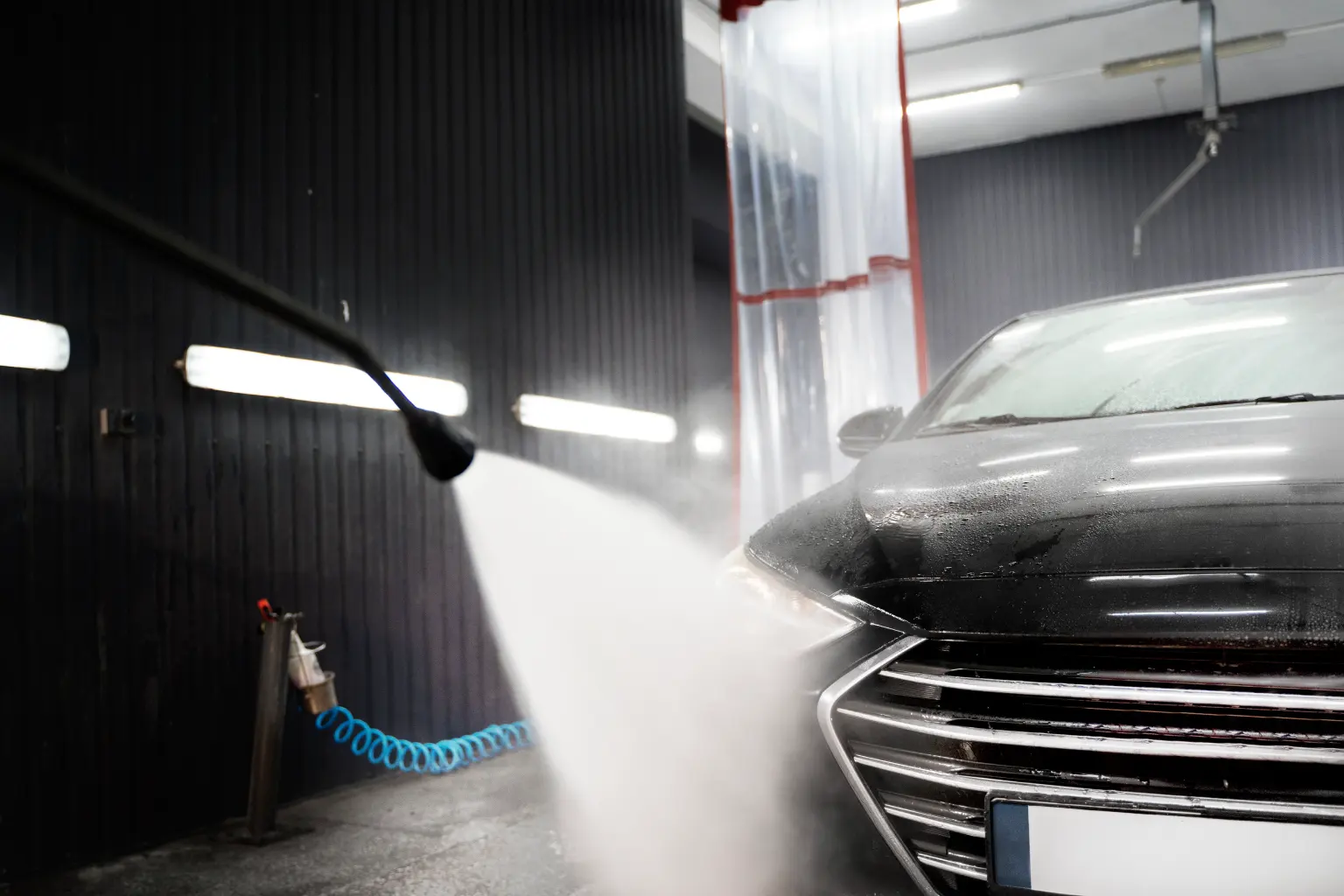
Cold water pressure washing bounces off hydrocarbon stains on Texas industrial concrete. It cannot break the molecular bond between oil and porous concrete. Hot water pressure washing, especially at or near 200°F, melts grease, kills bacteria, and eliminates the foul odors that build up in loading docks, fuel terminals, and manufacturing yards.
This blog breaks down when thermal water becomes mandatory, not optional, for Texas logistics and industrial sites, and where Einstein Surface's equipment fits into that threshold.
Why Cold Water Fails on Industrial Concrete
Texas industrial sites deal with a specific kind of grime. Diesel drips, hydraulic fluid, tire rubber, and food-grade grease soak into porous concrete over months of heavy traffic. Cold water pressure washing relies purely on mechanical force to dislodge this buildup.
That approach works fine on dust or loose dirt. It fails against oil-saturated concrete because cold water cannot change the physical state of grease. Oil stays viscous, clings to the pores, and simply spreads across the surface instead of lifting away.
Hot water pressure washing solves this by attacking the problem at a molecular level. Heat reduces the viscosity of oil and grease, breaking the surface tension that binds contaminants to concrete. The result is a cleaner strip with fewer passes and far less water waste.
Facility managers often assume more pressure alone solves stubborn stains. In reality, PSI without heat just redistributes grease across a wider area. That is why so many Texas industrial sites end up rewashing the same spots within days of a cold water service call.
The Science Behind Thermal Degreasing
Hydrocarbons like diesel, motor oil, and industrial lubricants are non-polar compounds. Water, being polar, does not naturally mix with them. That is why cold rinsing often just pushes oil around rather than removing it.
Raising water temperature past 140°F begins to emulsify oil, allowing it to separate from the concrete surface. At 180°F to 200°F, that emulsification happens much faster, and combined with a degreasing agent, the bond breaks almost instantly.
This is the same principle used in petrochemical and industrial cleaning, where heavy equipment and concrete pads accumulate stubborn residue daily. Facilities in that sector rely on high-heat systems paired with specialized detergents to keep operations compliant and safe, a standard echoed by industrial equipment providers like Hotsy South Texas, which outfits petrochemical clients with commercial-grade hot water systems built for exactly this kind of buildup.
Petrochemical operators are not the only ones who need this level of thermal performance. Warehouses, cold storage docks, and vehicle maintenance yards across Texas generate similar hydrocarbon loads, just at a smaller scale.
A single cold water pass on these surfaces might look clean for a day or two. Underneath, oil residue continues to seep back to the surface as temperatures rise, undoing the visual result almost immediately.
When Is 200°F Thermal Water Mandatory?
Not every job needs maximum heat. But certain conditions push thermal water from “helpful” to “required.”
-
Heavy hydrocarbon saturation: When diesel or hydraulic fluid has soaked into concrete for weeks, cold water cannot penetrate deep enough. Only sustained high heat breaks that bond.
-
Food-grade grease buildup: Restaurant grease traps, dumpster pads, and loading docks accumulate animal fat, which solidifies at room temperature. Hot water keeps it in a liquid state long enough to rinse away completely.
-
Bacterial and odor control: Standing grease and organic matter become breeding grounds for bacteria. Cold water rinses the surface but leaves bacteria intact underneath.
-
Regulatory and safety inspections: Facilities preparing for OSHA or environmental audits need documented degreasing, not surface-level cosmetic cleaning.
-
Extreme Texas heat cycles: Summer temperatures bake grease and oil into concrete pores, hardening residue that would otherwise stay soft. Thermal water is often the only method that can re-liquefy this buildup.
How Hot Water, Degreasers, and Sanitizers Work Together
Hot water pressure washing rarely works alone on industrial-grade grime. It performs best as part of a three-part system.
-
Heat opens the surface: Thermal water softens grease and hydrocarbon buildup, making it easier for chemical agents to penetrate.
-
Degreasers break the bond: Alkaline or solvent-based degreasers attach to oil molecules and lift them away from concrete pores.
-
Sanitizers finish the job: After grease is removed, sanitizing agents kill remaining bacteria and neutralize the organic matter responsible for foul odors.
Skipping any one step leaves a gap. Heat without degreaser softens oil but does not fully remove it. Degreaser without heat works slowly and needs far more chemical volume. Sanitizer without the first two steps just masks odor temporarily.
This layered process is precisely why a single cold water rinse rarely satisfies commercial property standards. Combining heat, chemistry, and sanitizing turns a cosmetic clean into a genuinely restorative one.
Trained technicians also adjust dwell time, the number of minutes a degreaser sits on a surface before rinsing. Longer dwell times paired with hot water pressure washing allow tougher stains to break down without needing excessive chemical concentration.
Cold Water vs. Hot Water: A Side-by-Side Look
| Factor | Cold Water Pressure Washing | Hot Water Pressure Washing |
|---|---|---|
| Grease and oil removal | Weak; pushes residue around | Strong; emulsifies and lifts oil |
| Bacteria elimination | Minimal | High, especially above 180°F |
| Odor control | Temporary | Long-lasting |
| Chemical usage needed | Higher volume required | Lower volume, faster action |
| Best for | Dust, dirt, light debris | Grease, hydrocarbons, biofilm |
| Water and labor efficiency | More passes, more water | Fewer passes, less water |
This comparison shows why facility managers overseeing fuel terminals, food distribution centers, and manufacturing yards increasingly default to thermal systems rather than standard cold water units.
Where Texas Logistics and Manufacturing Sites Feel This Most
Texas carries some of the busiest industrial corridors in the country, from Gulf Coast petrochemical plants to Permian Basin oilfield support yards. These sites generate contaminant loads that residential-grade equipment simply cannot touch.
Warehouse loading docks see daily diesel drips from trucks idling for hours. Manufacturing floors and adjacent concrete pads collect machine lubricant and metal shavings. Fuel and fleet yards deal with constant hydrocarbon runoff across large paved areas.
In each case, cold water pressure washing offers a cosmetic fix at best. The grime returns within days because the underlying oil saturation was never addressed. Hot water pressure washing targets the root cause, not just the visible symptom, giving facility managers a longer window between service calls.
Distribution centers along I-35 and I-10 corridors face particularly heavy truck traffic, which accelerates hydrocarbon buildup on dock aprons. Regular thermal cleaning keeps these high-traffic zones from becoming safety hazards.
Slip-and-fall incidents on oil-slicked concrete remain a leading liability concern for warehouse operators. Scheduling hot water pressure washing on a fixed cycle reduces that risk while keeping surfaces looking professional for visiting clients and inspectors.
EPA and Water Reclamation Considerations
Thermal degreasing produces wastewater that often contains oil, grease, and chemical residue. Texas facilities cannot simply let this runoff enter storm drains, since state and federal rules classify this as industrial wastewater.
That is why professional hot water pressure washing providers pair thermal systems with mobile water reclamation units. These units capture wastewater on-site, preventing contaminated runoff from reaching storm systems or nearby waterways.
For facility managers, this detail matters as much as the cleaning result itself. A provider using proper reclamation protects the client from potential fines while keeping thermal cleaning fully compliant with environmental standards.
Choosing the Right PSI and Temperature Combination
Heat alone does not guarantee results. Pressure, measured in PSI, and flow rate, measured in GPM, both need to match the surface and contaminant type.
Industrial concrete generally responds well to systems rated between 2,000 and 4,000 PSI, combined with water heated to 180°F or higher. Lower pressure with high heat suits sensitive surfaces, while higher pressure with sustained heat handles heavy-duty degreasing on parking structures, dumpster pads, and loading zones.
This balance is where experience matters. Overusing pressure can etch or damage concrete, while underusing heat leaves grease behind. A calibrated approach protects the surface while still achieving deep-clean results, and it is one reason hot water pressure washing should always be handled by trained commercial crews rather than general maintenance staff.
Thermal Cleaning: The Standard Einstein Surface Clients Trust
Cold water pressure washing has its place on light debris and dust. But for Texas facilities battling hydrocarbon-saturated concrete, food-grade grease, and bacterial buildup, thermal cleaning is not a premium upgrade. It is the baseline requirement.
Hot water pressure washing, paired with the right degreasers and sanitizers, breaks down contaminants that cold water simply cannot touch. It protects concrete, improves safety, supports compliance, and keeps facilities odor-free long after the crew leaves.
Einstein Surface brings industrial-grade hot water systems, EPA-compliant water reclamation, and Texas-wide service to logistics hubs, manufacturing plants, and commercial properties that need more than a surface rinse. Call today and schedule hot water pressure washing built for the toughest concrete in Texas.
Frequently Asked Questions
1. Does hot water pressure washing damage concrete?
No. When PSI and temperature are calibrated correctly, hot water pressure washing cleans safely without eroding or etching properly cured industrial concrete surfaces.
2. How hot does water need to be to remove grease?
Grease typically loosens around 140°F, but 180°F to 200°F removes hydrocarbon buildup faster and more completely on heavily saturated concrete.
3. Is cold water pressure washing ever enough for industrial sites?
Cold water works for dust and light dirt but cannot break down oil, grease, or bacteria embedded in porous industrial concrete surfaces.
4. Does hot water pressure washing require water reclamation?
Yes. Wastewater from degreasing often contains oil and chemical residue, requiring reclamation to meet Texas environmental discharge regulations.
5. How often should industrial concrete get hot water pressure washing?
Most logistics and manufacturing facilities benefit from quarterly cleaning, though high-traffic loading docks may need monthly service.
Need fast commercial graffiti removal in Texas?
Contact Einstein Surface today for quick, professional service.