Industry News & Trends
Insights, updates, and expert advice on commercial pressure washing and surface cleaning.
Add as a preferred source on GoogleTexas Graffiti Removal Guide for Business Owners
July 14, 2026
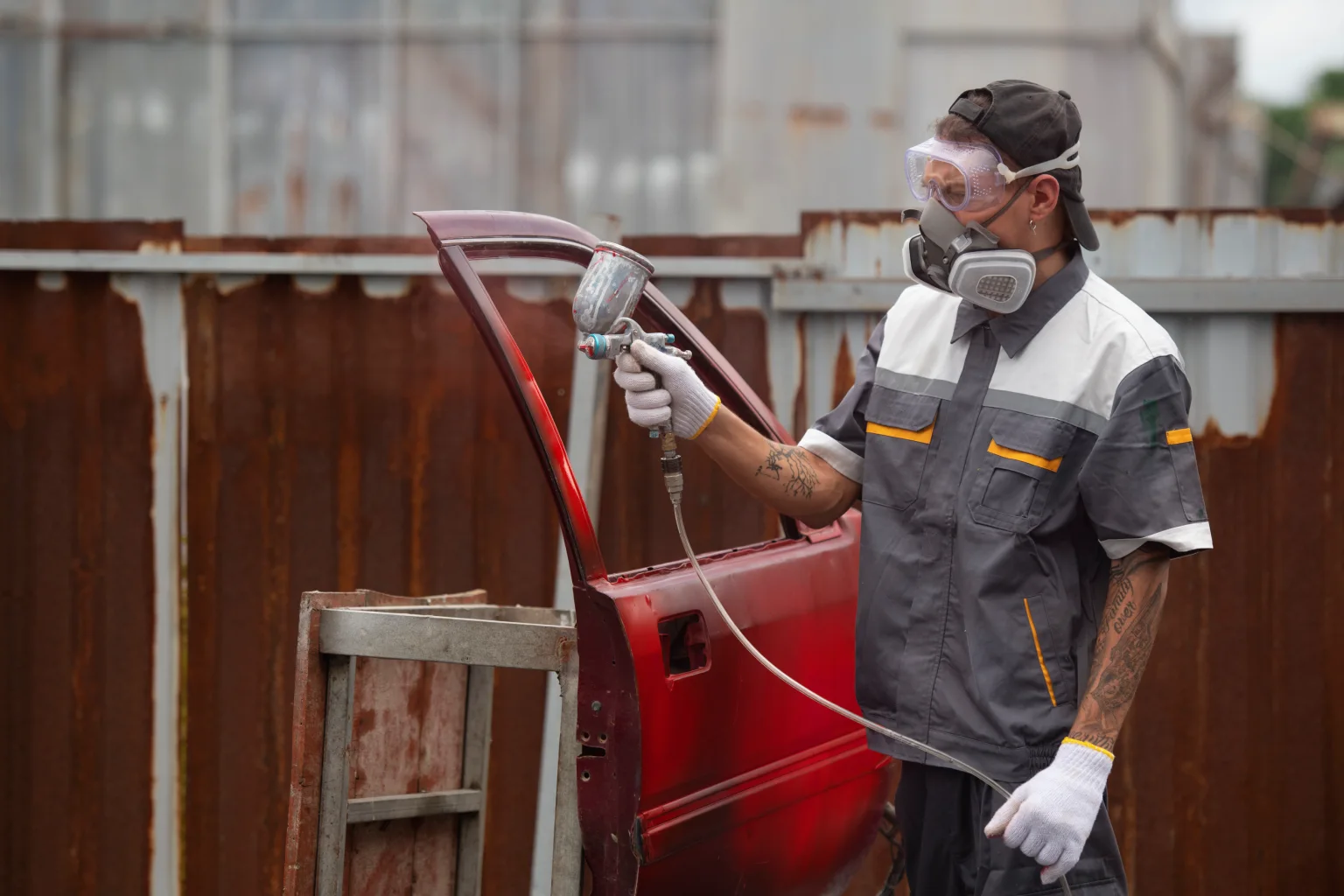
Texas business owners cannot afford to treat vandalism as a small maintenance issue. Graffiti damages curb appeal, hurts customer confidence, and can signal weak oversight to tenants, guests, and staff. For hospitality groups, retail operators, warehouse managers, and commercial landlords, fast action matters.
Commercial graffiti removal protects the image of the property and reduces the chance of repeat tagging. When cleanup is delayed, the problem often spreads across walls, doors, loading areas, and exterior glass.
This guide explains how Texas businesses should approach response, prevention, and long-term surface care. It also shows how to think beyond cleanup alone. The right strategy blends speed, material knowledge, risk management, and protective planning. That is why commercial graffiti removal should be part of a broader exterior maintenance program instead of a one-time reaction.
Why Graffiti Is More Than a Cosmetic Issue
Many operators first see graffiti as a visual annoyance. In reality, it creates operational and financial problems that touch several parts of the business. A tagged wall at a hotel, restaurant, shopping center, or industrial site changes how visitors judge the property. It can also create friction with tenants, franchise leadership, or regional operations teams.
Graffiti often causes the following business problems:
- Weakened first impressions for customers, guests, and investors.
- Increased complaints from tenants, staff, and neighboring businesses.
- More repeat incidents when vandals see the tag remains visible.
- Higher repair costs when porous surfaces absorb paint or chemicals.
- Damage to glass, coated metal, signage, and branded entry points.
For hospitality buyers, image matters every day. For commercial property managers, visible damage suggests deferred maintenance. For industrial operators, graffiti around loading zones and perimeter walls can raise questions about site control. That is why commercial graffiti removal should be treated as a business continuity task, not just a janitorial line item.
Why Speed Matters in Texas
Texas properties face wide-open roads, busy corridors, active downtown districts, and spread-out industrial areas. These conditions create many exposed surfaces. If graffiti stays visible, it can attract more vandalism. Fast removal shows that the property is monitored and maintained.
Rapid response delivers three important benefits:
| Priority | Why It Matters |
|---|---|
| Brand protection | Customers and tenants see a clean, controlled property. |
| Deterrence | Quick cleanup reduces the reward vandals seek from visibility. |
| Cost control | Fresh paint and marker are usually easier and cheaper to remove. |
For that reason, every business should define an internal response target. In many cases, the best window is within 24 to 48 hours. A structured commercial graffiti removal plan helps teams avoid slow approvals and delayed vendor coordination.
Common Surfaces That Need Special Care
Not all graffiti removal methods work the same way. Surface type determines how quickly damage sets in and which cleaning approach is safe. A poor technique can spread the stain, dull the finish, or permanently scar the material.
Painted Masonry and Concrete
These are common on hospitality buildings, shopping centers, alley walls, and service corridors. Paint can soak into porous material fast. High pressure alone may not solve the issue. It may also remove the original coating if the operator is careless.
Brick and Stone
Brick and stone need careful treatment because pigment can move deep into pores. Some surfaces respond to specialty removers and controlled washing. Others may need repeated treatment. In these cases, commercial graffiti removal requires patience and the right chemistry.
Metal Doors and Utility Covers
Metal often sits near loading docks, back entrances, and service lanes. Graffiti on metal may come off faster, but the wrong solution can strip paint or damage protective coatings. Powder-coated finishes need special handling.
Glass and Storefront Panels
Glass presents a different problem. Spray paint may be removed, but scratching and etching can become permanent. Many businesses only think about cleanup after damage happens. A smarter plan combines commercial graffiti removal with protective film or surface protection where possible.
A Smart Response Plan for Business Owners
Every site should have a simple response workflow. It does not need to be complicated, but it must be clear. Teams lose time when no one knows who approves the vendor, who documents the damage, or which areas are the highest priority.
Use this practical response plan:
- Document the damage with clear photos.
- Note the exact location, time discovered, and material type.
- Check whether glass, signage, or painted branding was affected.
- Report the incident internally and, when needed, to local authorities.
- Contact a qualified provider for commercial graffiti removal.
- Inspect for nearby tags or weak points that invite future incidents.
- Add preventive steps after the cleanup is complete.
This process helps regional teams, hotel operators, and commercial owners move faster. It also supports maintenance records and repeat-incident tracking.
What Professional Removal Should Include
A good vendor does more than wash the surface and leave. Business owners should expect a process that matches the material, protects the finish, and supports long-term upkeep. The provider should understand how exterior cleaning affects coatings, sealants, painted surfaces, and public-facing areas.
A strong commercial graffiti removal service should include:
- Surface assessment before any chemical or pressure treatment.
- Selection of the safest method for each material.
- Controlled cleaning to reduce ghosting or shadow stains.
- Attention to surrounding finishes, signage, and landscaping.
- Recommendations for future surface protection.
- Clear communication on turnaround time and scope.
For multi-site businesses, consistency matters as much as speed. Brand standards should not change from one property to the next.
Prevention: The Step Many Businesses Skip
Removal is necessary, but prevention creates better long-term economics. The referral guidance around graffiti prevention emphasizes a layered strategy. That same logic works well for Texas commercial properties. Businesses should not rely on one tactic alone.
Consider these prevention methods:
- Better lighting around side walls, rear entries, and loading zones.
- Cleaner property edges that show regular oversight.
- Faster cleanup routines after each incident.
- Access control around alleys, fences, and service corridors.
- Surface coatings or films where the risk is recurring.
- Landscape or layout changes that remove easy hiding spots.
The most effective commercial graffiti removal strategy starts before the next tag appears. Surface protection is especially useful in repeat-problem areas. Glass, smooth metal, painted walls, and entry features often benefit from added protection when incidents happen more than once.
Graffiti Removal and Surface Protection: Better Together
Many business owners wait until a second or third vandalism incident before they ask about protection. That delays savings. Surface protection should be considered as part of the same discussion as cleanup, especially on vulnerable or expensive materials.
Here is a simple decision table for planning:
| Surface Type | Removal Need | Protection Option | Priority |
|---|---|---|---|
| Painted concrete | Moderate to high | Anti-graffiti coating | High |
| Brick or masonry | High | Sealers or coating by material | High |
| Metal doors | Moderate | Protective coating | Medium |
| Storefront glass | High when etched | Protective film | High |
| Signage surfaces | High | Coating or replaceable coverings | Medium |
When paired correctly, commercial graffiti removal and surface protection lower repeat costs. They also make future incidents easier to manage.
How Hospitality and Commercial Buyers Should Evaluate Risk
The topic is especially important for hospitality buyers. Hotels, restaurants, entertainment venues, and guest-facing commercial properties work hard to control perception. Graffiti near entrances, parking areas, and service corridors shapes guest expectations before service even begins.
Risk is usually higher when a property has these traits:
- Blank exterior walls visible from public roads.
- Rear service areas with poor lighting.
- Glass-heavy storefronts or lobby zones.
- High foot traffic and low evening oversight.
- Nearby alley access, rail lines, or nightlife activity.
- A history of repeat tagging in the surrounding district.
Business owners should review these risks quarterly. A basic exterior audit can reveal which surfaces need more monitoring or added protection. In high-exposure areas, commercial graffiti removal should be supported by a standing maintenance partnership rather than a reactive search after each incident.
Choosing the Right Removal Partner
Not every pressure washing or maintenance provider is equipped for graffiti work. Owners need a team that understands material differences and can act quickly. Hospitality and retail operators also need minimal disruption during business hours.
Look for a provider that offers:
- Commercial site experience, not just residential work.
- Fast scheduling and scalable response.
- Knowledge of concrete, masonry, metal, and storefront surfaces.
- A process for protecting adjacent finishes and landscaping.
- Preventive recommendations after the job.
- Service coverage that matches your Texas footprint.
A reliable commercial graffiti removal partner should act like an extension of your facility team. They should solve the issue, reduce repeat risk, and support the long view.
Why Einstein Surface Fits This Need
Einstein Surface is built for commercial exterior cleaning and operational consistency. That matters when business owners need a vendor that understands public-facing properties, industrial surfaces, and time-sensitive cleanup. For hospitality groups, logistics sites, retail centers, and commercial buildings, response speed and surface care must work together.
Einstein Surface can support commercial graffiti removal as part of a broader site strategy. That includes exterior cleaning knowledge, attention to commercial workflows, and a service mindset that aligns with business operations. Instead of treating graffiti as an isolated stain, the smarter approach connects cleanup with protection, maintenance planning, and property image control.
Clean Faster, Protect Longer: Let Einstein Surface Help
Einstein Surface helps Texas businesses restore exterior surfaces quickly and protect high-visibility properties with commercial-focused service. From customer-facing storefronts to hard-working service zones, the team is built to keep your property clean, credible, and ready for business.
Einstein Surface Keeps Your Property One Step Ahead
Graffiti will always be a risk on exposed commercial properties. The difference lies in how prepared the business is to respond. Fast action, proper methods, and targeted protection reduce both short-term disruption and long-term cost.
A smart plan starts with trusted commercial graffiti removal, then adds the safeguards that keep repeat incidents under control. Business owners who think this way protect their brand, extend surface life, and create stronger confidence for guests, tenants, and staff.
Need fast commercial graffiti removal in Texas? Contact Einstein Surface today.
Frequently Asked Questions
1. What is the best first step after finding graffiti on a commercial building?
Take clear photos, identify the surface type, report the damage internally, and arrange professional cleanup quickly. Fast response improves removal success and lowers the chance of repeat tagging.
2. Can pressure washing alone remove graffiti from every surface?
No. Some surfaces need specialty removers, lower pressure, or coating-safe methods. Pressure alone can damage paint, push stains deeper, or scar softer materials.
3. How quickly should commercial graffiti be removed?
Most businesses should aim for removal within 24 to 48 hours. Quick cleanup reduces visibility, limits repeat incidents, and often lowers restoration costs.
4. Is anti-graffiti protection worth it for storefronts and hotels?
Yes. Repeated vandalism on glass, painted walls, and guest-facing entries can become expensive. Protective coatings or films help lower repeat costs and support brand presentation.
5. How often should properties review graffiti risk?
Quarterly reviews are a good baseline. Higher-risk sites, such as hospitality corridors or retail districts, may benefit from monthly exterior checks and faster preventive upgrades.
Need fast commercial graffiti removal in Texas?
Contact Einstein Surface today for quick, professional service.