Industry News & Trends
Insights, updates, and expert advice on commercial pressure washing and surface cleaning.
Add as a preferred source on GoogleHow Often Should a Parking Lot Be Pressure Washed? The 4 Factors
August 25, 2026
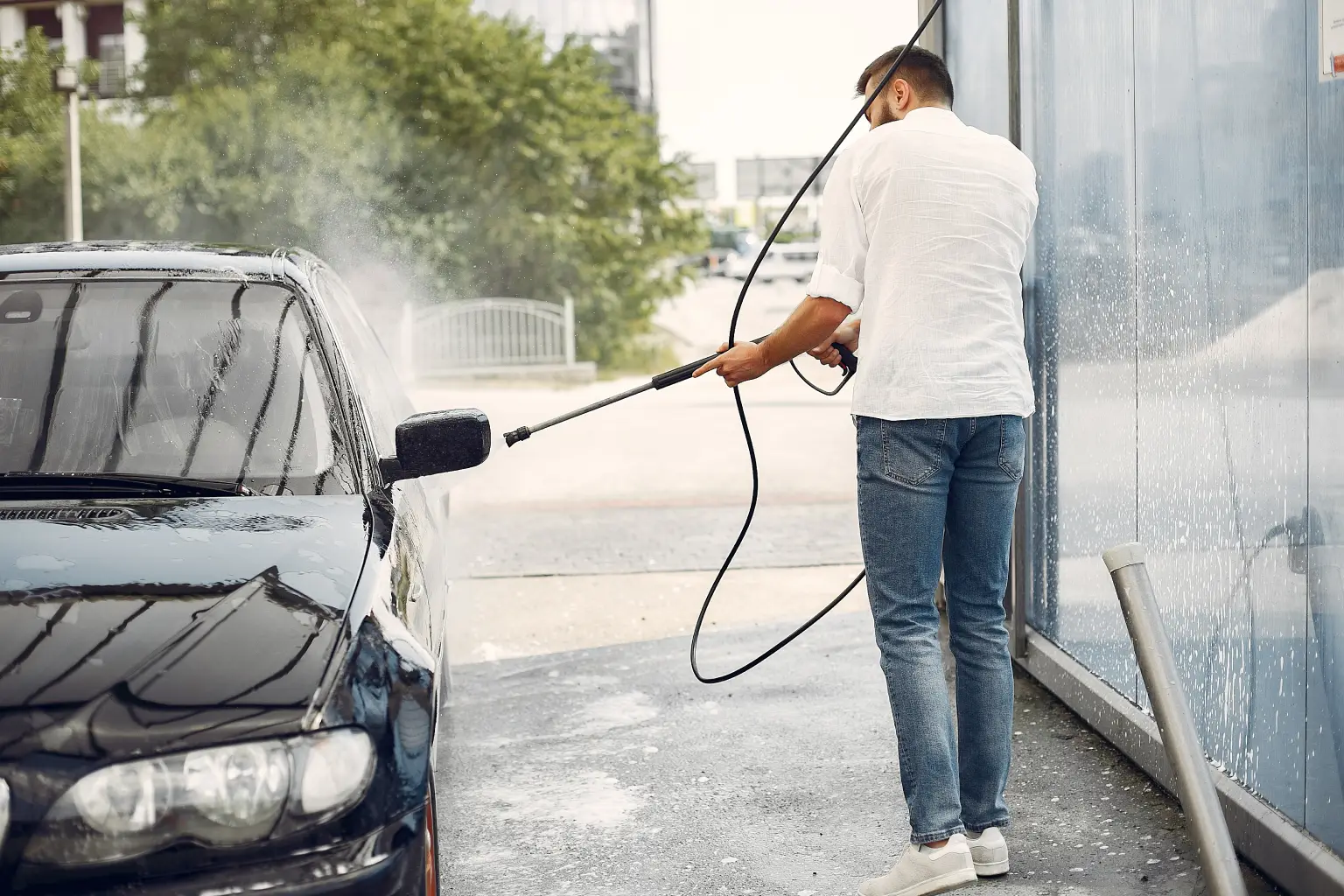
How often should a parking lot be pressure-washed? The answer depends on four factors: your business category, foot and vehicle traffic volume, local weather conditions, and surrounding vegetation. This guide breaks each one down with clear frequency recommendations for Texas commercial properties.
Your parking lot is the first surface every customer, vendor, and employee touches when they arrive at your property. Oil stains, grime, and debris accumulate fast. The question most property managers eventually ask is: how often should a parking lot be pressure-washed?
There is no single answer that applies to every commercial property. A fast-food restaurant in San Antonio and a warehouse in Midland-Odessa have very different cleaning needs. The right frequency comes down to four specific factors: understanding each one lets you build a schedule that protects your surface, your brand, and your liability exposure.
More than half of consumers report avoiding a business because its exterior looked dirty. Your parking lot is not background scenery. It is an active part of the customer experience, and its condition communicates the standard your business operates at.
This guide covers the four factors that determine how often parking lot pressure washing should be scheduled, with concrete frequency recommendations for each business type and condition across Texas.
Factor 1: Business Category and Industry Type
The nature of your business determines the baseline cleaning frequency before any other variable applies. Different industries generate different types and volumes of surface contamination, and those differences are not cosmetic.
A restaurant parking lot collects grease from kitchen exhaust systems, food waste dropped by customers, and high foot traffic. A grocery store sees cart traffic, produce spills, and constant vehicle turnover throughout the day. A corporate office park sees significantly lower contamination rates and a cleaner traffic pattern overall.
Grease from food service operations bonds to asphalt and concrete differently than tire rubber or general debris. It requires hot water pressure washing and degreaser applications, not just a standard surface wash. Understanding your contamination profile is the starting point for setting the right parking lot pressure washing frequency for your property.
Frequency by Business Category
| Business Type | Recommended Pressure Washing Frequency |
|---|---|
| Restaurant or fast food | Monthly, high-traffic locations: bi-weekly |
| Grocery store or supermarket | Monthly to bi-monthly |
| Convenience store or fuel station | Monthly |
| Retail shopping center | Quarterly; high-traffic anchor: bi-monthly |
| Office park or corporate campus | Twice yearly; quarterly if multi-tenant |
| Warehouse or logistics facility | Twice yearly, more if near loading docks |
| Hospital or medical complex | Monthly compliance and appearance are both critical |
For food service operators asking how often a parking lot should be pressure-washed, monthly is the absolute minimum. In the Texas summer heat, grease and food residue degrade faster and embed deeper. Bi-monthly service is appropriate for high-volume locations.
Factor 2: Foot and Vehicle Traffic Volume
Traffic volume is the most direct driver of surface contamination. More vehicles mean faster accumulation of oil drips, tire rubber deposits, and exhaust residue across the lot surface. More pedestrians mean faster embedding of gum, food waste, and debris into the concrete.
This is not a linear relationship. A lot serving 500 vehicles per day does not simply need twice the cleaning of one serving 250. High-traffic surfaces experience compaction that forces contamination deeper into porous material, making removal harder the longer it sits.
Properties hosting large-scale events, including retail centers with anchor tenants, medical complexes, and entertainment-adjacent venues, may require parking lot pressure washing immediately after high-attendance events to prevent rapid surface degradation.
Traffic Volume Benchmarks
| Daily Vehicle Traffic | Recommended Frequency |
|---|---|
| Under 100 vehicles | Twice yearly, plus post-event as needed |
| 100 to 300 vehicles | Quarterly |
| 300 to 700 vehicles | Bi-monthly |
| 700 to 1,500 vehicles | Monthly |
| 1,500+ vehicles | Bi-weekly to monthly |
For multi-site portfolios, traffic benchmarks vary by location. Einstein Surface builds location-specific schedules into multi-site contracts so every property receives the right service frequency, not a blanket interval.
Factor 3: Weather Conditions and Texas Climate
Texas's climate creates specific challenges that directly affect how often a parking lot should be pressure-washed. Heat, humidity, and seasonal weather patterns influence contamination rates and surface degradation timelines in ways that differ from national averages.
During summer months across South Texas, the Rio Grande Valley, and Houston, ambient temperatures regularly exceed 100°F. This accelerates the oxidation of oil stains, bakes contamination into concrete, and creates conditions where bacteria and mold grow rapidly in shaded areas.
Heavy rain events, common in the Gulf Coast and Central Texas, wash debris across surfaces and force contamination into drainage channels. Pooled water and organic debris left after storms create slip hazards and surface staining that worsen with each day of exposure.
Seasonal Adjustment for Texas Properties
-
Spring: pollen and tree debris accumulate rapidly; schedule a cleaning after peak pollen season to prevent permanent surface staining
-
Summer: Texas heat bakes oil and grease into surfaces faster; increase service frequency for food service and fuel station lots
-
Fall: leaf and organic debris buildup accelerates in treed commercial areas; clean before the end of the fall season to protect the surface
-
Winter: temperature cycling in North Texas causes surface expansion and contraction; pre-winter cleaning removes acids that worsen cracking
West Texas properties in Midland-Odessa, Lubbock, and Big Spring face high dust accumulation from regional wind events. Fine dust particles settle into surface pores and combine with vehicle fluids to create hardened residue that requires hot water parking lot pressure washing for effective removal.
Factor 4: Surrounding Trees, Vegetation, and Pollen
Properties bordered by trees, landscaping, or dense vegetation face a contamination pattern that many operators significantly underestimate. Organic matter, including leaves, tree sap, pollen, and seed pods, falls continuously onto lot surfaces and creates its own layer of degradation independent of vehicle traffic.
Tree sap is particularly problematic. It bonds aggressively to asphalt and concrete, creates sticky surface areas that attract additional debris, and darkens over time. Left untreated, sap requires aggressive degreasing and extended dwell time to remove, increasing the time and cost of each cleaning visit.
Pollen season in Texas typically runs from February through May, with oak, cedar, and grass pollen contributing significant surface accumulation across Central and South Texas. Pollen mixed with morning dew creates a daily film that embeds into the surface under vehicle traffic. Scheduling a parking lot pressure washing at the end of pollen season prevents this from becoming a permanent surface issue.
Vegetation Exposure Impact on Cleaning Frequency
| Vegetation Factor | Cleaning Impact |
|---|---|
| Mature oak or cedar trees over the lot | Add 1 to 2 extra cleanings per year |
| High pollen load (spring and fall) | Schedule a dedicated end-of-season cleaning |
| Ground-level landscaping and mulch nearby | Organic debris: add a quarterly cleaning cycle |
| No tree coverage or landscaping | Standard frequency applies; can reduce by 1 cycle |
Organic matter retained on parking surfaces also holds moisture. In the shade of a tree canopy, this creates sustained damp conditions that promote mold and algae growth on the lot surface. Both create slip hazards and surface discoloration that require professional parking lot pressure washing for proper removal, not just surface sweeping.
Building a Realistic Cleaning Schedule for Your Property
Determining how often a parking lot should be pressure-washed means layering all four factors. Start with your industry baseline, then adjust for traffic volume, Texas climate, and vegetation.
A restaurant in San Antonio with mature oak trees and 600 daily vehicles needs monthly service, with bi-monthly cleaning during pollen peaks. An office park in Dallas with light landscaping and 150 daily vehicles can run quarterly with a post-storm protocol.
Why Einstein Surface for Parking Lot Pressure Washing?
Einstein Surface delivers scheduled parking lot pressure washing for commercial properties across Texas: San Antonio, Houston, Midland-Odessa, Lubbock, and beyond. Our industrial hot water units, water reclamation systems, and EPA-compliant processes deliver consistent results on every visit. We schedule overnight to eliminate disruption. Multi-site operators get one coordinated contract with location-specific service frequencies and uniform standards across every property.
Clean Lots, Confident Customers: Einstein Surface Delivers
The four factors covered here: business category, traffic volume, weather conditions, and surrounding vegetation, give you the complete picture for setting an effective parking lot pressure washing schedule.
There is no universal answer to how often a parking lot should be pressure-washed. Start with the frequency tables above, adjust for your specific conditions, and lock in a scheduled program with a contractor who delivers consistent results on every visit.
Parking lot neglect is always more expensive than maintenance. The surface damage, liability exposure, and customer perception costs of a dirty lot far exceed the cost of a scheduled parking lot pressure washing program. Einstein Surface is the commercial cleaning partner built for that program, at any scale, across all of Texas.
Get a Free Parking Lot Pressure Washing Quote. Contact Einstein Surface today for a no-obligation quote on scheduled parking lot pressure washing. We serve commercial properties statewide, overnight, with full EPA compliance and scalable crews ready to perform.
Frequently Asked Questions
1. How Often Should a Parking Lot Be Pressure Washed for a Shopping Center?
Retail shopping centers typically need quarterly parking lot pressure washing, with bi-monthly service for high-traffic anchor locations. Seasonal pollen and Texas weather may require additional targeted cleanings throughout the year.
2. Does Texas Weather Affect How Often Parking Lots Need Cleaning?
Yes, significantly. Texas heat bakes oil stains into surfaces faster than in cooler climates. Gulf Coast humidity promotes mold growth in shaded lot areas. West Texas dust creates hardened residue. Adjust frequency seasonally for Texas commercial properties.
3. Can Parking Lot Pressure Washing Remove Oil Stains from Asphalt?
Yes. Hot water pressure washing with commercial degreasers effectively removes oil stains from both asphalt and concrete. Cold water alone cannot penetrate or dissolve the molecular bonds that hold petroleum-based fluids to the surface.
4. Is Overnight Parking Lot Cleaning Available for Properties That Cannot Close?
Einstein Surface operates overnight for commercial properties that cannot shut down during business hours. This eliminates customer and operational disruption while maintaining the cleaning schedule your property requires.
5. What Happens If I Skip Scheduled Parking Lot Pressure Washing?
Skipped cleanings allow oil stains to bond permanently, organic matter to embed deeper, and surface degradation to accelerate. The longer the gap, the higher the restoration cost and the greater the slip-and-fall liability exposure for your property.
Need fast commercial graffiti removal in Texas?
Contact Einstein Surface today for quick, professional service.