Industry News & Trends
Insights, updates, and expert advice on commercial pressure washing and surface cleaning.
Add as a preferred source on GoogleWarehouse Pressure Washing: Your Key to OSHA Floor Compliance
September 8, 2026
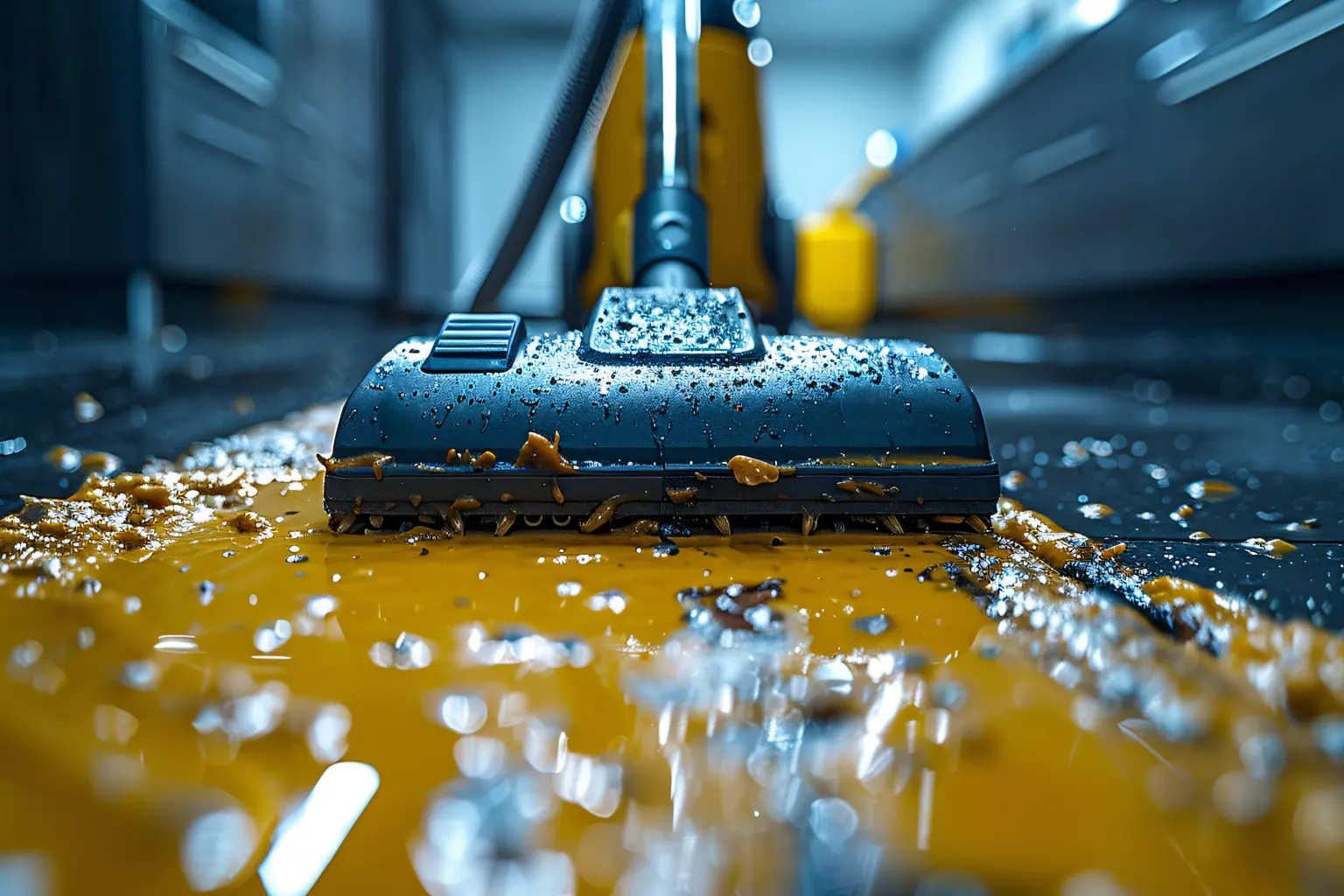
TLDR: Dirty warehouse floors are not just an eyesore; they are an OSHA liability. Grease, dust, and chemical residue on interior and exterior surfaces cause slips, trips, and falls, which account for 27% of all non-fatal warehouse injuries.
Regular warehouse pressure washing removes contamination at the source, keeps safety markings visible, and helps facilities pass OSHA audits without last-minute scrambling. This guide breaks down exactly how floor cleaning supports compliance and protects your workforce, backed by data every Texas facility manager should know.
Why Warehouse Floors Are an OSHA Blind Spot
Most safety managers focus on machine guarding, forklift certification, and fall protection harnesses. Floors get overlooked until someone gets hurt, and that oversight is expensive.
According to OSHA data, slips, trips, and falls cause nearly 700 workplace fatalities every year. They are also responsible for 15% of all accidental workplace deaths nationwide. In warehouse environments specifically, these incidents account for 27% of all non-fatal injuries reported to OSHA.
The floor is not a passive surface. It is an active safety system, and warehouse pressure washing is one of the simplest, most measurable ways to keep that system functional across a facility's entire footprint. Facilities that treat warehouse pressure washing as routine maintenance, rather than a one-off task, see fewer flagged hazards during inspections.
The Hidden Cost of a Dirty Floor
Contaminated concrete does more than look bad. Oil drips from forklifts, cardboard dust, spilled chemicals, and tracked-in debris all reduce slip resistance over time, often without anyone noticing until an incident occurs.
A single untreated spill can sit for weeks in a low-traffic aisle. By the time someone notices, the residue has already bonded to the concrete. That buildup is exactly what warehouse pressure washing is designed to remove before it becomes a documented hazard.
How Warehouse Pressure Washing Prevents Slips and Falls
Hot water pressure washing breaks down grease, oil, and chemical film that mop-and-bucket cleaning cannot touch. This matters because wet and contaminated floor surfaces are the single most common cause of same-level workplace falls across nearly every industry.
Here is what a proper warehouse pressure washing program addresses directly:
-
Removes petroleum-based residue from forklift and machinery traffic lanes
-
Strips embedded grime that creates a slick film invisible to the naked eye
-
Clears dust and fine particulate that reduces traction on painted or sealed concrete
-
Eliminates standing water buildup in loading dock transition zones
-
Restores the original slip-resistance rating of coated or epoxy floors
Interior vs Exterior Cleaning Priorities
Interior warehouse floors accumulate grease and chemical spills near production lines and forklift charging stations. Exterior aprons and loading docks face a different challenge entirely: rain, mud, oil drips from idling trucks, and seasonal debris tracked in from parking areas.
Both zones need attention, but on different schedules. Interior aisles near heavy forklift traffic often need weekly attention, while exterior loading docks and receiving areas typically need bi-weekly or monthly warehouse pressure washing, depending on shipment volume and regional weather.
Slip and Trip Statistics Every Facility Manager Should Know
Numbers make the case better than opinions. Here is a snapshot of why floor maintenance belongs on every safety checklist in a Texas warehouse or distribution center.
| Statistic | Source |
|---|---|
| 27% of non-fatal warehouse injuries involve slips, trips, or falls | OSHA inspection data |
| Nearly 700 workplace fatalities annually from slips, trips, and falls | OSHA / Bureau of Labor Statistics |
| 25% of warehouse slips are caused by wet floors | OSHA 2021 inspection data, 800 sites |
| 42,000 slip injuries occur in warehouses annually | National Safety Council |
| Average cost per slip-and-fall injury claim: $41,000 | U.S. Department of Labor |
These figures are not abstract. Every incident triggers a workers' compensation claim, a potential OSHA citation, and lost productivity while the affected area is cordoned off for investigation and cleanup.
Same-Level Falls Are Preventable
Roughly 67% of workplace falls happen on the same level, meaning they result from slipping or tripping rather than falling from height. Unlike fall-from-height hazards, which require harnesses and guardrails, same-level falls are almost entirely preventable through consistent housekeeping and surface maintenance.
This is exactly where warehouse pressure washing earns its place in a facility's safety budget. It is not a cosmetic upgrade; it is a direct, measurable countermeasure against the leading cause of same-level injuries in industrial settings.
Keeping Safety Markings and Signage Visible
OSHA requires clear visibility of floor markings that indicate pedestrian walkways, forklift lanes, hazardous material zones, and emergency exit paths. Grime and dust buildup gradually dull painted lines until they blend into the surrounding concrete, often within a matter of months.
A faded walkway line is not just an aesthetic problem. It is a compliance gap that inspectors flag immediately during a walkthrough. Routine warehouse pressure washing restores contrast and legibility to several critical zones:
-
Pedestrian walkway boundaries and crossing points
-
Forklift traffic lanes and posted speed zones
-
zardous material storage markings and containment lines
-
Fire extinguisher and emergency equipment zones
-
Exit route arrows and floor-mounted directional signage
Why This Matters During an Audit
OSHA inspectors do not just check paperwork. They walk the floor, and they notice details that untrained eyes might miss. If markings are unreadable, or if there is visible grease buildup near machinery, that becomes a documented finding on the inspection report.
Clean, well-marked floors signal that a facility takes housekeeping seriously, which often sets a positive tone for the rest of the inspection. Facilities that invest in scheduled warehouse pressure washing rarely face floor-related citations, simply because the hazard never gets the chance to develop.
Building an OSHA-Ready Cleaning Schedule
A reactive cleaning approach, where crews only mop up after a spill is reported, leaves too much room for error. Facilities that pass audits consistently treat floor cleaning as a scheduled maintenance task, not an emergency response triggered by a near-miss.
Consider structuring your program around these intervals:
-
Daily spot-cleaning for high-traffic zones and loading docks
-
Weekly interior pressure washing near production and forklift lanes
-
Bi-weekly or monthly exterior dock and apron cleaning
-
Quarterly deep cleaning of dumpster pads and grease-prone zones
-
Immediate response cleaning after chemical spills or major deliveries
This structure keeps contamination from accumulating between service visits, which is exactly the pattern OSHA inspectors look for during unannounced walkthroughs at industrial and distribution facilities.
Documentation Supports Compliance
Keeping a cleaning log with dates, zones serviced, and technician sign-offs gives your facility a paper trail. If an incident does occur, that documentation demonstrates a good-faith safety effort, which matters during both OSHA review and any resulting liability claim down the line.
The ROI of Preventive Floor Maintenance
Facility managers often ask whether warehouse pressure washing is worth the recurring cost. The math is straightforward once you compare it against the average $41,000 price tag of a single slip-and-fall claim.
A quarterly or monthly cleaning contract costs a fraction of that figure annually, even for large distribution centers. Beyond the direct claim cost, facilities also avoid indirect losses: idle production lines during investigations, increased insurance premiums, and the administrative burden of OSHA reporting.
Preventive warehouse pressure washing shifts floor safety from a reactive expense to a predictable line item, which is generally easier for finance teams and safety directors to justify than after-the-fact litigation and citation fines.
Why Texas Facilities Need a Specialized Approach
Texas warehouses face conditions that intensify floor hazards. Humidity along the Gulf Coast accelerates mold and algae growth on exterior aprons. Dust storms across West Texas coat loading docks in fine grit that behaves like sandpaper one day and a slip hazard the next once moisture arrives.
Petroleum-adjacent facilities near the Permian Basin deal with oil and chemical tracking that standard cleaning cannot fully remove. A regional approach to warehouse pressure washing, matched to local conditions, prevents these variables from turning into safety incidents.
Choose Einstein Surface for Reliable Warehouse Floor Cleaning
Einstein Surface & Environmental Services provides industrial-grade warehouse pressure washing across Texas, built specifically for facilities that cannot afford downtime or compliance gaps. Our hot water systems run between 2,000 and 4,000 PSI, strong enough to strip embedded grease, petroleum residue, and chemical film from both interior floors and exterior loading docks.
We serve warehouses, distribution centers, and industrial facilities from San Antonio to Midland-Odessa, with flexible scheduling that fits around shift patterns and shipment cycles. Every service is EPA-compliant, including water reclamation for facilities near drains or environmentally sensitive zones.
Whether you need a one-time deep clean before an inspection or a recurring maintenance program, our crews respond within 24 hours and provide a free, no-obligation estimate. We are licensed, insured, and built exclusively for commercial and industrial clients, never residential work, so every visit is handled with facility-grade precision and accountability.
Safer Floors Start With Einstein Surface
A clean warehouse floor is not a luxury; it is a documented safety control that reduces injury risk and keeps your facility audit-ready year-round. From slip prevention to visible safety markings, consistent warehouse pressure washing touches nearly every part of OSHA floor compliance, and the return on that investment shows up in fewer incidents and smoother inspections.
Do not wait for an incident report or a failed inspection to take floor maintenance seriously. Call Einstein Surface today and schedule warehouse pressure washing built for Texas facilities.
Frequently Asked Questions
1. How often should warehouses schedule pressure washing?
High-traffic interior zones typically need weekly cleaning, while exterior docks and aprons can follow a bi-weekly or monthly schedule depending on shipment volume and weather exposure.
2. Does pressure washing help with OSHA compliance specifically?
Yes. It removes slip hazards, restores visibility of safety markings, and demonstrates documented housekeeping practices, which inspectors evaluate during facility walkthroughs.
3. Can pressure washing damage warehouse floor coatings?
Professional hot water systems are calibrated by PSI and technique to clean without stripping epoxy or sealant, unlike improperly operated consumer-grade equipment.
4. What is the biggest cause of warehouse floor injuries?
Wet or contaminated surfaces from spills, forklift drips, and tracked-in debris cause the majority of same-level slips, which make up most non-fatal warehouse injuries.
5. Is exterior loading dock cleaning necessary if forklifts stay inside?
Yes. Exterior grime, oil, and debris get tracked indoors on tires and footwear, transferring contamination into interior aisles even when forklifts rarely leave the building.
Need fast commercial graffiti removal in Texas?
Contact Einstein Surface today for quick, professional service.