Industry News & Trends
Insights, updates, and expert advice on commercial pressure washing and surface cleaning.
Add as a preferred source on GooglePressure Washing Companies Near You: Why Insurance Matters In San Angelo
September 7, 2026
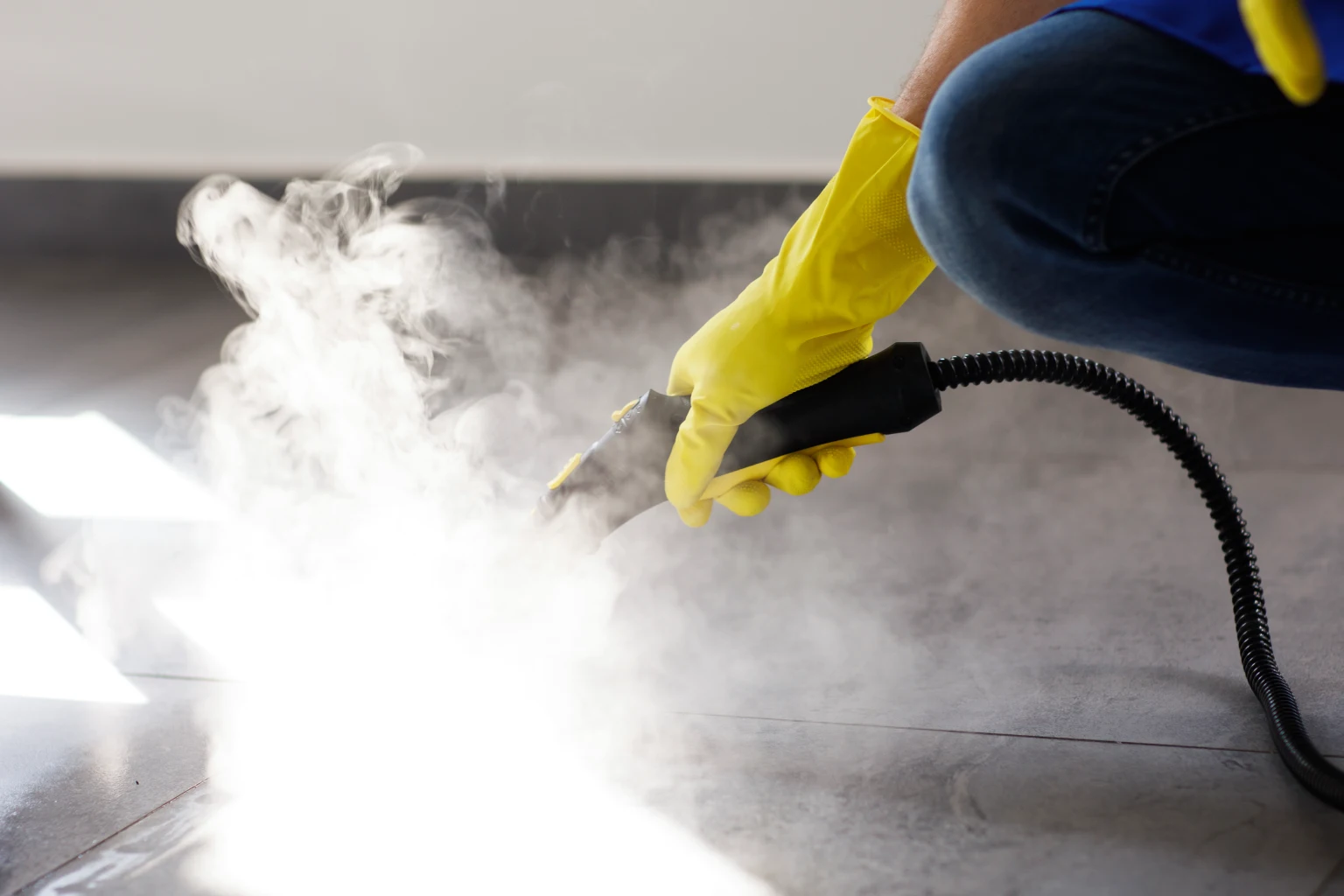
Searching pressure washing companies near me in San Angelo or West Texas turns up plenty of options, but not all are equal. Independent contractors often skip general liability insurance and workers' compensation, leaving property owners exposed if something goes wrong.
Fully insured commercial providers, backed by $2M+ general liability and TCEQ-compliant wastewater practices, protect your business from legal and financial risk. This guide breaks down exactly what sets the two apart, especially for commercial exterior work.
Why This Decision Matters More Than Price
Business owners searching “pressure washing companies near me” usually compare quotes first. Price matters, but it should never be the only factor for commercial properties.
An uninsured contractor might charge less upfront. If that contractor damages your parking lot surface or injures a worker on-site, the financial exposure often lands back on you. Improper wastewater discharge adds another layer of risk.
Fully insured commercial pressure washing companies build coverage costs into their pricing for a reason. That premium reflects real protection, not just paperwork.
When you search “pressure washing companies near me”, the results rarely show which providers carry proper coverage. That information only surfaces once you ask directly or request documentation, which is exactly why due diligence matters before signing any contract.
Independent Contractors: What You Are Actually Risking
Many independent operators in West Texas run lean businesses with minimal overhead. That keeps their rates low, but it often means skipping insurance entirely or carrying only bare-minimum coverage.
-
No general liability coverage. A worker's equipment could crack a storefront window or damage irrigation. An uninsured contractor may not cover that repair.
-
No workers' compensation. Under Texas law, independent contractors are typically responsible for their own workers' comp. If an uninsured worker gets injured on your property, your business could face a liability claim.
-
No TCEQ compliance documentation. Wastewater from pressure washing counts as industrial runoff under Texas environmental rules. Contractors without proper containment and disposal practices put property owners at risk of state penalties.
-
Inconsistent quality control. Without a company structure, insurance underwriting, or formal training, results vary widely between one-person operations.
-
Limited equipment capability. Independent operators often run smaller rigs. These units lack the PSI and heating capacity needed for heavy-duty pressure washing on oil-saturated surfaces.
What "Fully Insured" Actually Means
The phrase gets used loosely in this industry. A genuinely fully insured commercial pressure washing company carries several distinct types of coverage, not just one generic policy.
-
General liability insurance, ideally at $2 million or higher, covers property damage and third-party injury claims tied to the job.
-
Workers' compensation insurance protects both the crew and the property owner if an employee is injured while working on-site.
-
Commercial auto insurance covers vehicles and trailers used to transport equipment between job sites.
-
Pollution or environmental liability coverage addresses risks tied to chemical runoff, since standard general liability policies often exclude this exposure.
A Comparison: Independent Contractor vs. Commercial Company
| Coverage Type | Typical Independent Contractor | Fully Insured Commercial Company |
|---|---|---|
| General liability | Often none or minimal | $1M to $2M+ per occurrence |
| Workers' compensation | Rarely carried | Standard, covers all crew members |
| Commercial auto coverage | Personal auto policy, if any | Dedicated commercial policy |
| TCEQ wastewater compliance | Inconsistent or absent | Documented, permit-aware processes |
| Additional insured endorsement | Not available | Available for property owner protection |
| Contract and invoicing structure | Informal, cash-based | Formal contracts, insurance certificates |
This table highlights why commercial property managers increasingly ask for a certificate of insurance before hiring, rather than relying on a handshake agreement.
It also explains why the cheapest quote among pressure washing companies near me is not always the safest choice. Commercial contracts involve multiple crew members and heavy equipment.
Understanding the $2M General Liability Standard
Commercial clients often set a minimum insurance bar before allowing any contractor on-site. This applies especially to retail centers, industrial parks, and fuel stations.
A $2 million general liability policy is quickly becoming the standard for commercial-grade pressure washing contracts across Texas. This limit accounts for higher-value property damage risks, like cracked pavement, damaged signage, or harm to nearby vehicles during a job.
Smaller policies, such as $500,000 or $1 million, may be enough for light residential work. Commercial sites carry more risk exposure, which is why property managers should confirm coverage limits before signing any service agreement.
Some commercial leases explicitly require proof of this coverage level before any exterior vendor can access the premises.
TCEQ Water Compliance: The Overlooked Risk Factor
Texas treats pressure washing wastewater as industrial runoff under TCEQ's permitting framework. Discharging this water into storm drains without proper containment violates state regulations.
Civil penalties for non-compliance can reach significant daily fines, accumulating from the first day of violation until it is corrected. Property owners who hire uninsured, uncertified contractors may unknowingly become part of that liability chain.
Fully insured companies typically maintain chemical usage logs, water reclamation records, and disposal documentation for every job. This protects both the contractor and the client if a regulatory inspection occurs.
Working with a provider who understands TCEQ requirements is not optional. This matters most for pressure washing near fuel stations, drive-thrus, or loading docks.
Property owners rarely think about wastewater compliance until an inspection happens. By then, choosing the cheapest option among the ”pressure washing companies near me” search results can turn into a costly regulatory problem.
Why San Angelo and West Texas Properties Need This Extra Layer
San Angelo sits in a region shaped by dust, oilfield traffic, and seasonal severe weather. Local businesses along Sherwood Way and the Concho River corridor face heavier grime buildup than most Texas markets.
That environment makes regular pressure washing a near-necessity for retail centers, restaurants, and industrial facilities. It also raises the stakes when hiring the wrong provider. West Texas properties often see faster reaccumulation of oil, dust, and biological residue.
Commercial property managers searching “pressure washing companies near me” in this region should prioritize providers who understand local conditions and carry documentation to match.
West Texas dust storms and seasonal grime accumulation mean properties here need more frequent pressure washing. A reliable, insured partner becomes even more valuable in this climate.
What to Ask Before Hiring Any Provider
Before signing a contract, ask direct questions rather than assuming coverage exists.
-
Request a current certificate of insurance showing general liability limits and expiration dates.
-
Confirm whether the company carries workers' compensation for all crew members, not just the owner.
-
Ask how the company handles wastewater disposal and whether they maintain TCEQ-compliant records.
-
Verify whether your business can be named as an additional insured on their policy for extra protection during the project.
These four questions quickly separate a fully insured commercial operation from an independent contractor working without a formal safety net.
Keep a copy of every document on file. If a dispute arises months later, proof of insurance and compliance records protect your business. It protects the contractor too.
A simple shared folder with certificates of insurance, TCEQ documentation, and signed contracts takes minutes to set up and can save significant time during an audit or claim.
The Cost Difference Explained
Fully insured companies typically charge more than independent operators, and that gap often surprises first-time commercial clients. The difference usually reflects real overhead, not inflated margins.
Insurance premiums, licensing, trained staff, and compliance documentation all add cost to a legitimate operation. An independent contractor without these expenses can charge less, but the property owner absorbs the risk that pricing gap represents.
For one-time residential jobs, that risk might be acceptable. For ongoing commercial contracts involving pressure washing, storefronts, or industrial pads, the exposure is too significant to ignore.
Think of insurance as part of the total cost of the service, not a separate line item. A slightly higher quote from a fully insured provider often works out cheaper than an uninsured contractor's mistake down the line.
This is especially true for multi-location businesses in West Texas, where a single incident at one site can quickly become a costly, drawn-out legal matter without proper coverage in place.
Choosing Wisely: Why Einstein Surface Sets the Standard
Searching “pressure washing companies near me” should lead you to a provider who protects your business. Independent contractors may offer lower prices, but skipping insurance and TCEQ compliance can cost far more if something goes wrong.
Fully insured commercial providers bring accountability, documentation, and financial protection to every pressure washing job. That difference matters most in San Angelo and West Texas, where environmental conditions accelerate wear on commercial properties.
Einstein Surface carries the insurance, compliance records, and local expertise San Angelo businesses need. From routine pressure washing to full facility exterior maintenance, every job is backed by documented coverage and TCEQ-aware processes. Contact us today for reliable pressure washing companies near me results you can trust.
Frequently Asked Questions
1. Why does general liability insurance matter for pressure washing contracts?
It protects property owners financially if a contractor causes damage or injury during the job, covering repair costs and legal claims.
2. What is the standard insurance limit for commercial pressure washing?
Many commercial clients now require $2 million in general liability coverage, especially for industrial or retail properties with higher risk exposure.
3. Are independent pressure washing contractors required to carry workers' compensation in Texas?
Texas law generally makes independent contractors responsible for their own workers' comp, meaning property owners could face liability if a worker is hurt.
4. What does TCEQ compliance mean for pressure washing companies?
It means contractors properly contain, document, and dispose of wastewater, avoiding illegal discharge into storm drains and state penalties.
5. How can I verify a pressure washing company is fully insured?
Request a current certificate of insurance directly from the provider, confirming coverage limits, expiration dates, and workers' compensation status.
Need fast commercial graffiti removal in Texas?
Contact Einstein Surface today for quick, professional service.