Industry News & Trends
Insights, updates, and expert advice on commercial pressure washing and surface cleaning.
Add as a preferred source on GoogleFuel Station Cleaning Services: Protecting Equipment While Removing Diesel Stains
September 9, 2026
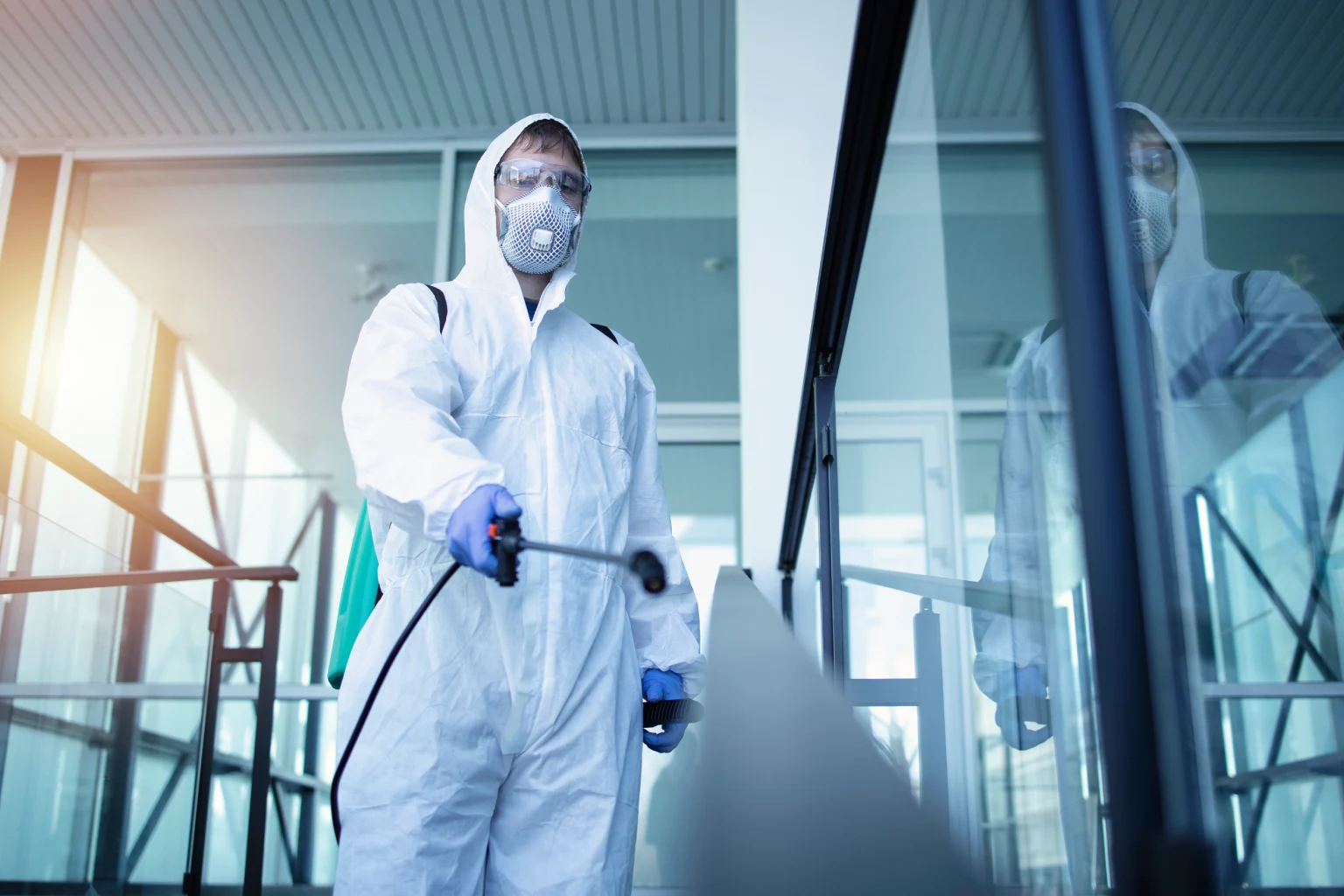
Fuel canopies and dispensers face constant exposure to diesel soot, fuel residue, and grime. Aggressive cleaning can damage sensitive equipment and violate fire codes. Einstein Surface applies certified, precision-focused techniques across Texas to keep fuel stations clean without risking equipment damage or compliance violations.
Diesel exhaust does not stay in one place. It drifts upward, settles on canopy panels, streaks down support columns, and bakes onto the concrete beneath every pump. For fuel station owners across Texas, that buildup is more than cosmetic. It affects visibility, safety, and how customers judge a business before they step out of their vehicle.
This is where fuel station cleaning services earn their value. Done right, the process lifts soot and stains without touching sensitive dispenser electronics, canopy lighting, or signage wiring. Done wrong, it can short out equipment, violate fire code clearances, or push contaminated runoff into a storm drain. Einstein Surface has built its process around getting this balance right, every time.
This guide breaks down safe, EPA-aware methods for fuel station cleaning services. It covers protective covers, low-pressure washing near overhead lighting and signage, and specialized degreasers built for fuel pads.
Why Fuel Canopy & Dispenser Washing Demands A Different Approach
Most commercial surfaces can handle a straightforward pressure wash. Fuel islands cannot. Dispensers sit inside hazardous location zones defined by fire codes. Any equipment or activity near them has to respect strict clearances. NFPA 30A classifies the area immediately around a dispenser as a Class I, Division 1 or 2 hazardous location. That classification limits what kind of electrical exposure or ignition risk is acceptable nearby.
Add diesel particulate matter into the mix. OSHA has flagged diesel exhaust components as carcinogenic with long-term exposure. Diesel soot also bonds tightly to canopy surfaces over time. Fuel station cleaning services need to strip that residue without dispersing it carelessly. Water should never be forced where it was never meant to go. That mix of fire code awareness and health-conscious handling matters. Generic pressure washing crews should never touch a fuel island.
The Real Risk Of DIY Or Generic Pressure Washing
A generic pressure washing crew, unfamiliar with fuel environments, can cause expensive problems fast. These mishaps happen often enough that insurers and franchise operators specifically ask about technician training before hiring.
-
High-pressure water can force moisture into dispenser control panels and payment terminals.
-
Harsh degreasers formulated for engines or driveways can strip protective coatings on canopy paint and signage.
-
Uncontrolled runoff can carry fuel residue straight into storm drains, triggering environmental violations.
-
Ladders and wands used carelessly near overhead lighting risk both equipment damage and technician injury.
None of this is theoretical. Texas regulators actively enforce rules against discharging contaminated wash water into storm systems. Fuel-related runoff draws particular scrutiny given its petroleum content. A single mistake during a routine wash can cost far more than the service itself.
Overview: Specialized Equipment Protection
Protecting equipment starts before a single drop of water is sprayed. Reliable fuel station cleaning services follow a sequence built around isolation, dwell time, and controlled rinsing rather than brute force. This overview breaks down exactly what that sequence looks like on a working fuel island.
Protective Covers Come First
Before any washing begins, technicians should shield anything electronic or moisture-sensitive. This includes:
-
Dispenser keypads, card readers, and screens.
-
Junction boxes and electrical conduits near the canopy columns.
-
Speaker systems and intercoms mounted on pump islands.
-
Security cameras positioned on canopy support beams.
Waterproof covers or masking material go over these components first. It is a simple step. Yet skipping it is the single most common cause of equipment damage during fuel station cleaning services. A five-minute setup step can prevent a costly repair bill. It also signals whether a crew truly understands fuel environments.
Low-Pressure Washing For Overhead Lighting And Signage
Canopy lighting fixtures and illuminated signage are not built to withstand the same pressure as a concrete pad. High-pressure streams can crack lenses, force water into ballasts, or loosen mounting hardware over time. That is why experienced fuel station cleaning services rely on low-pressure washing for anything overhead.
Technicians typically drop pressure well below what is used on the fuel pad surface. They often rely more on the cleaning solution's dwell time than on force. This softens grime gradually rather than blasting it, which protects seals, gaskets, and wiring penetrations. It also reduces the chance of pushing water backward into fixtures mounted at odd angles. That backward push is a common cause of flickering or failed canopy lights months after a careless wash.
Canopy fascia and signage often need a soft-wash approach. Pair it with a gentle wipe-down or brush pass, not a direct high-pressure hit. This preserves paint, vinyl graphics, and LED components. It still restores a clean, professional appearance that matches the brand standards most fuel retailers require.
Specialized Degreasers Built For Fuel Pads
The concrete beneath dispensers absorbs diesel drips, oil spots, and tire residue daily. Standard driveway cleaners are not built for this kind of contamination. Using the wrong product can either fail to lift the stain or damage the concrete sealant underneath.
Fuel pad degreasers are formulated specifically to break down hydrocarbon-based residue. Dwell time matters more than scrubbing force in most cases. A properly matched degreaser is applied first. It gets time to break the bond between the stain and the surface, then a controlled rinse follows.
A short period, often under thirty seconds, can lift stubborn diesel residue without scrubbing that risks scratching surfaces or dulling finishes.
The table below summarizes how different fuel station zones require different treatment during professional fuel station cleaning services.
| Zone | Cleaning Method | Key Risk If Done Wrong |
|---|---|---|
| Dispenser body & keypad | Covered, wiped, low-moisture | Water intrusion into electronics |
| Canopy lighting & signage | Low-pressure soft wash | Cracked lenses, ballast damage |
| Fuel pad concrete | Specialized degreaser, controlled rinse | Sealant breakdown, runoff violations |
| Support columns | Moderate pressure, protected base | Paint stripping, chipped coatings |
Compliance Matters As Much As Cleaning
Environmental compliance is not an afterthought for fuel station cleaning services operating in Texas. Wastewater generated during fuel pad cleaning often contains hydrocarbons. Discharging it into a storm drain is prohibited under most municipal codes. Compliant crews use water reclamation systems that capture and filter runoff before disposal. This keeps contaminated water out of the storm system entirely.
This matters for two reasons. First, it protects the property owner from potential fines. In Texas, stormwater non-compliance penalties can reach tens of thousands of dollars per violation. Second, it reflects a level of professionalism. That professionalism separates certified operators from a crew with a pressure washer and no environmental plan.
What A Certified Crew Checks Before Starting
A trained team typically walks the site first, noting:
-
Location of storm drains relative to the fuel pad and canopy.
-
Condition of existing sealant on concrete surfaces.
-
Placement of cameras, speakers, and lighting that need covering.
-
Any active fueling operations that require rescheduling or rerouting during the wash.
This walk-through takes minutes but prevents costly mistakes once equipment is running. It is a small habit that separates trained fuel station cleaning services from crews working without a formal process.
How Often Should Fuel Stations Schedule Cleaning?
Frequency depends on traffic volume and climate. Stations along interstate corridors in Houston or Dallas accumulate diesel soot fast. A smaller station in a quiet West Texas town builds up grime more slowly. As a general guide:
-
High-volume truck stops: monthly cleaning for pads, quarterly for canopy and signage.
-
Standard retail fuel stations: quarterly pad cleaning, semiannual canopy service.
-
Rural or low-traffic stations: semiannual cleaning for both pad and canopy areas.
Humidity and Gulf moisture in coastal Texas can accelerate grime buildup and algae growth on shaded canopy sections. Properties near Corpus Christi or the Gulf Coast may need more frequent attention than drier inland areas. Stations near industrial corridors in Houston also tend to collect heavier particulate buildup.
Why Einstein Surface Is Built For This Job
Einstein Surface approaches every fuel station job with the same discipline: protect the equipment first, then clean with precision. Our certified technicians use low-pressure techniques for canopy lighting and signage. We apply degreasers formulated specifically for fuel pad residue. Wastewater is managed through compliant reclamation systems instead of reaching storm drains.
We operate across Texas, from major metros like Houston, Dallas, San Antonio, and Austin. Our coverage also includes the Rio Grande Valley, West Texas, and the Gulf Coast. Every job includes a pre-service walkthrough and protective covering for sensitive equipment.
Station owners get a clear scope so they know exactly what is being treated and how. Our online estimator and scheduling system make booking straightforward. There is no back-and-forth phone tag typical of smaller operators offering generic fuel station cleaning services.
Keep Your Fuel Station Spotless With Einstein Surface
A clean fuel canopy and dispenser area does more than look good. It protects expensive equipment, keeps your station compliant with environmental rules, and reassures customers that your business takes maintenance seriously. Cutting corners with generic pressure washing risks the opposite outcome: damaged electronics, voided warranties, and potential fines.
Choosing a team trained specifically in fuel station cleaning services matters. Your canopy, signage, and pad get treated the right way, every single visit. Einstein Surface brings that specialized approach to every fuel property across Texas. Certified technicians and a compliance-first process back every job, start to finish.
Book your fuel station cleaning services with Einstein Surface today and protect your equipment while you're at it.
Frequently Asked Questions
1. Can pressure washing damage fuel dispenser electronics?
Yes, if done without protective covers or with excessive pressure. Certified crews cover keypads, screens, and wiring before washing to prevent moisture intrusion and equipment failure.
2. How often should a gas station canopy be cleaned?
Most stations benefit from quarterly canopy cleaning. High-traffic truck stops or coastal locations with added humidity may need service every one to two months.
3. What makes fuel pad degreasers different from regular cleaners?
Fuel pad degreasers target hydrocarbon-based stains like diesel and oil. They use dwell time to break down residue instead of aggressive scrubbing or high pressure.
4. Is wastewater from fuel station cleaning regulated?
Yes. Runoff containing fuel residue cannot legally enter storm drains in Texas. Compliant cleaning services use reclamation systems to capture and properly dispose of contaminated water.
5. Why choose a specialized service over a general pressure washing company?
Fuel environments involve hazardous location zones, sensitive electronics, and strict environmental rules. General crews may not understand these risks, raising the chance of damage or violations.
Need fast commercial graffiti removal in Texas?
Contact Einstein Surface today for quick, professional service.