










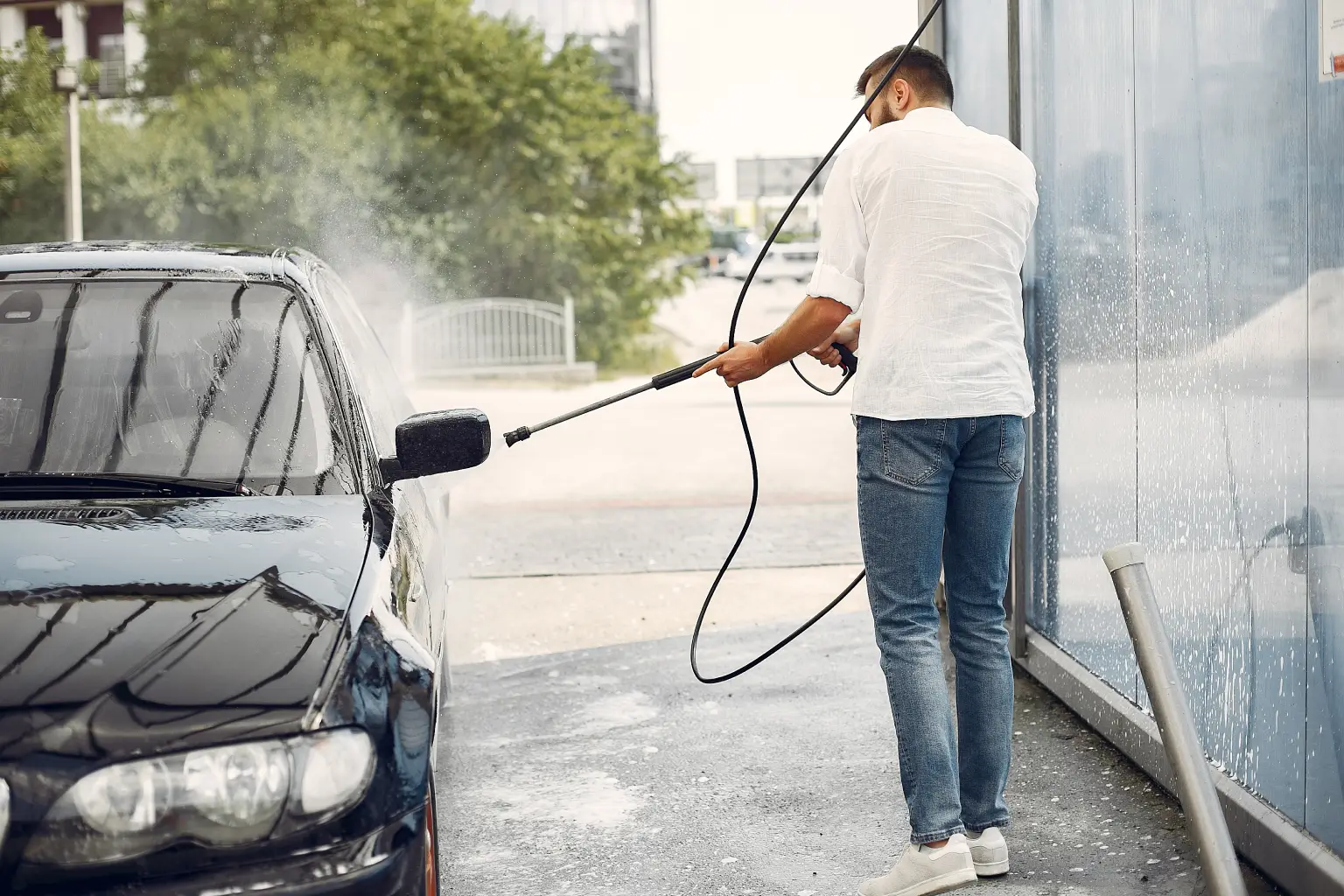






A stained storefront entry at 9 a.m. says something before your tenant or customer ever reaches the door. So does a greasy dumpster pad, a gum-covered sidewalk, or striping buried under dirt in the parking field. A strong retail property cleaning guide starts with that reality - exterior conditions affect perception, safety, tenant satisfaction, and asset performance at the same time.
Retail properties create a specific cleaning challenge because traffic is constant and exposure is broad. Customers see the storefront, sidewalks, curbs, cart areas, loading zones, dumpster enclosures, and parking lot in one visit. That means exterior maintenance cannot be handled as an occasional cosmetic task. It has to be managed as an operating standard.
What a retail property cleaning guide should actually cover
Many retail managers inherit a site with fragmented maintenance habits. One vendor handles sweeping, another gets called for emergency graffiti, and pressure washing happens only when complaints build up. The result is inconsistency. Some areas stay presentable while others quietly decline.
A useful retail property cleaning guide should define cleaning by surface type, traffic load, contamination source, and business impact. Sidewalks and storefront aprons need a different cadence than dumpster pads. Loading docks have different safety concerns than customer-facing entries. Parking lots may look acceptable from a distance while still holding oil stains, sediment buildup, and slip risks near pedestrian crossings.
That distinction matters because overcleaning low-impact areas wastes budget, while undercleaning high-visibility zones creates tenant friction and reputational damage. The goal is not to wash everything at the same interval. The goal is to keep each area at an appropriate standard with minimal disruption.
Start with a property-wide cleaning assessment
Before setting any service frequency, document the current condition of the site. This is where disciplined property teams separate reactive spending from managed maintenance. Walk the property in zones and review it the way a customer, tenant, insurer, and operations manager would.
Look first at storefront presentation. Dirt accumulation near entrances, algae on shaded concrete, and residue around planters or bollards usually signal routine neglect. These are highly visible issues, but they also indicate that water flow, foot traffic, and spill patterns are not being accounted for in the maintenance plan.
Then move to the parking lot and access lanes. Oil spotting, sediment migration, and trash staining near curbs tend to build gradually, so teams stop noticing them. But these conditions reduce curb appeal and can interfere with drainage performance over time. If pedestrian walkways from parking to storefront are not cleaned consistently, the property starts to look unmanaged even if the buildings themselves are in decent shape.
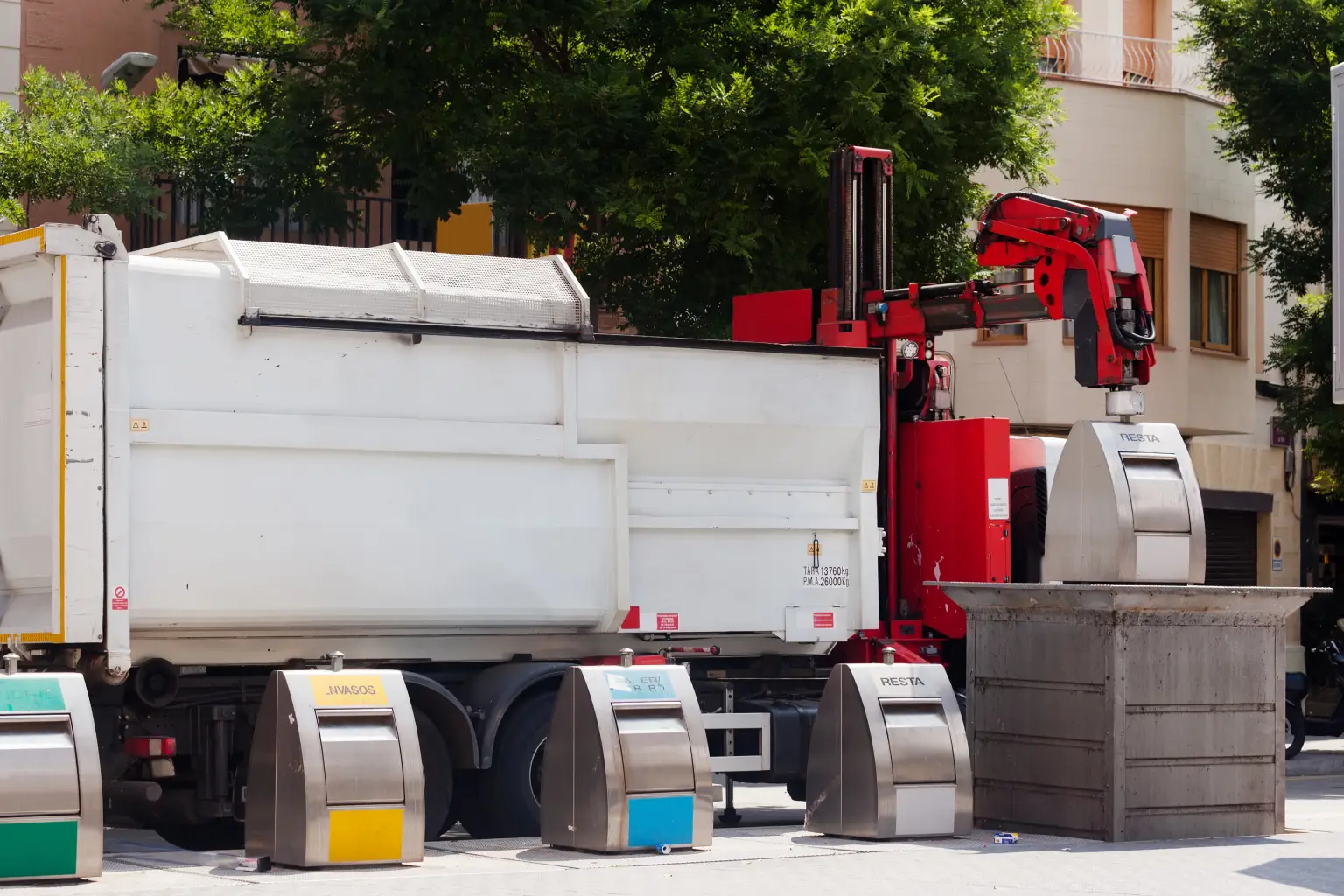
Service areas deserve a harder look. Dumpster pads, rear corridors, and loading sections create many of the most persistent exterior sanitation issues on retail sites. Grease, leaked liquids, food waste residue, and organic buildup do not stay contained for long. If these zones are neglected, odor, pest pressure, and slip hazards become operational issues, not just cleaning issues.
Prioritize the surfaces that shape perception and risk
Not every surface affects the property in the same way. The highest priority is usually the path customers and tenants experience first. That includes storefront glass surroundings, entry concrete, sidewalks, curb lines, crosswalks, and front parking sections. These surfaces shape first impression quickly, and they are where complaints tend to surface first.
The second priority is any area with elevated safety or sanitation exposure. Dumpster pads, loading docks, service alleys, and heavily used back-of-house concrete often need more aggressive cleaning methods and tighter scheduling. These areas do not always matter to shoppers directly, but they matter to operations, code expectations, and tenant confidence.
The third priority is asset preservation. Concrete staining, organic growth, and embedded debris can shorten the useful life of surfaces or increase restoration costs later. Cleaning is partly about appearance, but on commercial properties it is also a form of preventive maintenance.
Match service frequency to traffic and contamination
One of the most common mistakes in retail exterior maintenance is using a fixed schedule without regard to how the property actually operates. A neighborhood strip center with steady daytime traffic will not foul at the same rate as a food-heavy retail center, a big-box site, or an urban storefront corridor.
High-traffic entries may need monthly or even more frequent attention depending on climate, food activity, and foot volume. Dumpster pads often require recurring service on a tighter cycle because contamination is concentrated and persistent. Parking lots may need periodic cleaning tied to traffic flow, seasonal debris, and oil accumulation rather than a generic calendar.
It also depends on tenant mix. Restaurants, grocers, convenience retail, automotive uses, and service-heavy tenants create more exterior residue than soft goods or office-oriented retail. If the cleaning scope does not reflect tenant use, the site will either decline between visits or pay for unnecessary service in lower-impact areas.
Use the right cleaning method for each area
A disciplined retail property cleaning guide is not just about frequency. Method matters. Different surfaces and contaminants require different pressure levels, water volumes, detergents, recovery considerations, and operator judgment.
Concrete flatwork at entrances may respond well to scheduled surface cleaning that removes dirt, gum shadows, and organic discoloration without disturbing pedestrian access for long. Dumpster pads usually need a more specialized approach because grease, bacteria-laden residue, and embedded staining behave differently than general soil. Loading docks may require focused cleaning around dock plates, wheel paths, and spill areas where buildup affects traction and housekeeping standards.
Graffiti removal is another category where speed matters as much as chemistry. Fast response reduces visibility and discourages repeat tagging, but the process still needs to match the substrate so painted block, coated surfaces, and masonry are not damaged in the effort to clean them.
For retail operators managing multiple locations, method standardization becomes especially important. If one site receives industrial-grade service and another gets improvised cleaning, brand consistency suffers and budgeting becomes difficult to control.
Build cleaning around operating hours
Retail cleaning succeeds when it protects the customer experience instead of interfering with it. That usually means scheduling around open hours, delivery windows, peak traffic, and tenant-specific constraints. Early morning, overnight, and phased service windows are often the best fit, but the right answer depends on the property.
A vendor should be able to define work zones clearly, manage access, and complete service without turning a live retail environment into a disruption event. This is where organized service delivery matters. Appointment confirmation, scope documentation, and work order clarity reduce confusion for property teams and tenants alike.
For multi-tenant centers, communication is not a courtesy item. It is part of execution. If service areas are blocked unexpectedly or storefront access is restricted without notice, even technically good cleaning work creates operational friction.
Documentation matters more than most properties think
Exterior cleaning is often treated as a visual service only, but serious property management requires documentation. If you oversee several retail sites, you need a record of what was cleaned, when it was serviced, what issues were observed, and where conditions are trending.
That administrative layer is what turns cleaning from a recurring expense into a managed program. It supports budgeting, helps validate completed work, and gives regional managers a way to compare site conditions across locations. It also makes it easier to address recurring problem areas such as grease migration, chronic dumpster misuse, or accelerated staining near certain tenants.
This is one reason sophisticated providers stand apart from basic local contractors. A managed service model with scheduling controls, work orders, and account visibility is often more valuable than a lower one-time price, especially for portfolios that need consistency across markets.
When reactive cleaning is not enough
If your team is only calling for service after complaints, inspections, or visible decline, the property is already behind. Reactive cleaning usually costs more over time because contamination becomes harder to remove, emergency calls interrupt operations, and appearance standards fluctuate.
A better approach is to identify which issues should trigger immediate response and which should be handled on a planned cycle. Graffiti, hazardous spills, and severe dumpster-area sanitation issues typically require rapid action. Sidewalk brightening, lot cleaning, and storefront washing are usually best managed as recurring maintenance.
That balance helps control cost without letting the site drift. It also gives tenants confidence that exterior conditions are being monitored, not ignored.
Choosing a provider for retail property cleaning
A retail site does not just need someone with pressure washing equipment. It needs a provider that understands commercial surfaces, contamination patterns, scheduling constraints, and account management. For larger properties or multi-site portfolios, regional coordination and process discipline are not extras. They are part of the service requirement.
Ask whether the provider can handle storefront cleaning, concrete cleaning, dumpster pad cleaning, parking lot cleaning, loading dock cleaning, and graffiti response within one managed system. Ask how service is documented and how site communication is handled. Ask what happens when conditions shift or a property needs a different cadence than originally planned.
A provider built for commercial environments will answer those questions clearly. A provider built only for one-off jobs usually will not.
Retail properties work hard every day, and the exterior shows it first. The most effective cleaning programs are not the ones that chase appearances after they slip. They are the ones that treat exterior maintenance as part of site operations, with the same precision, accountability, and planning expected everywhere else on the property.