




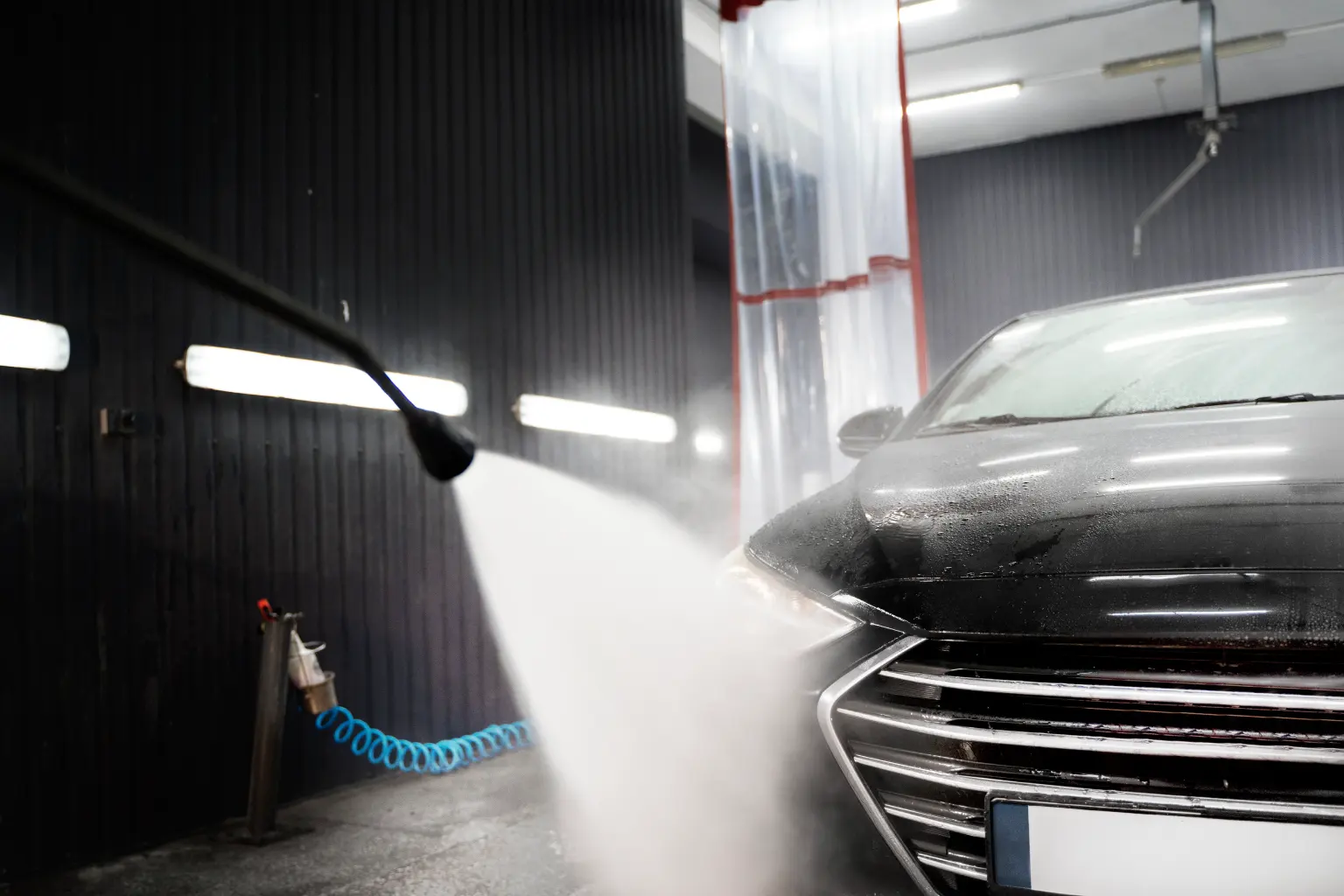
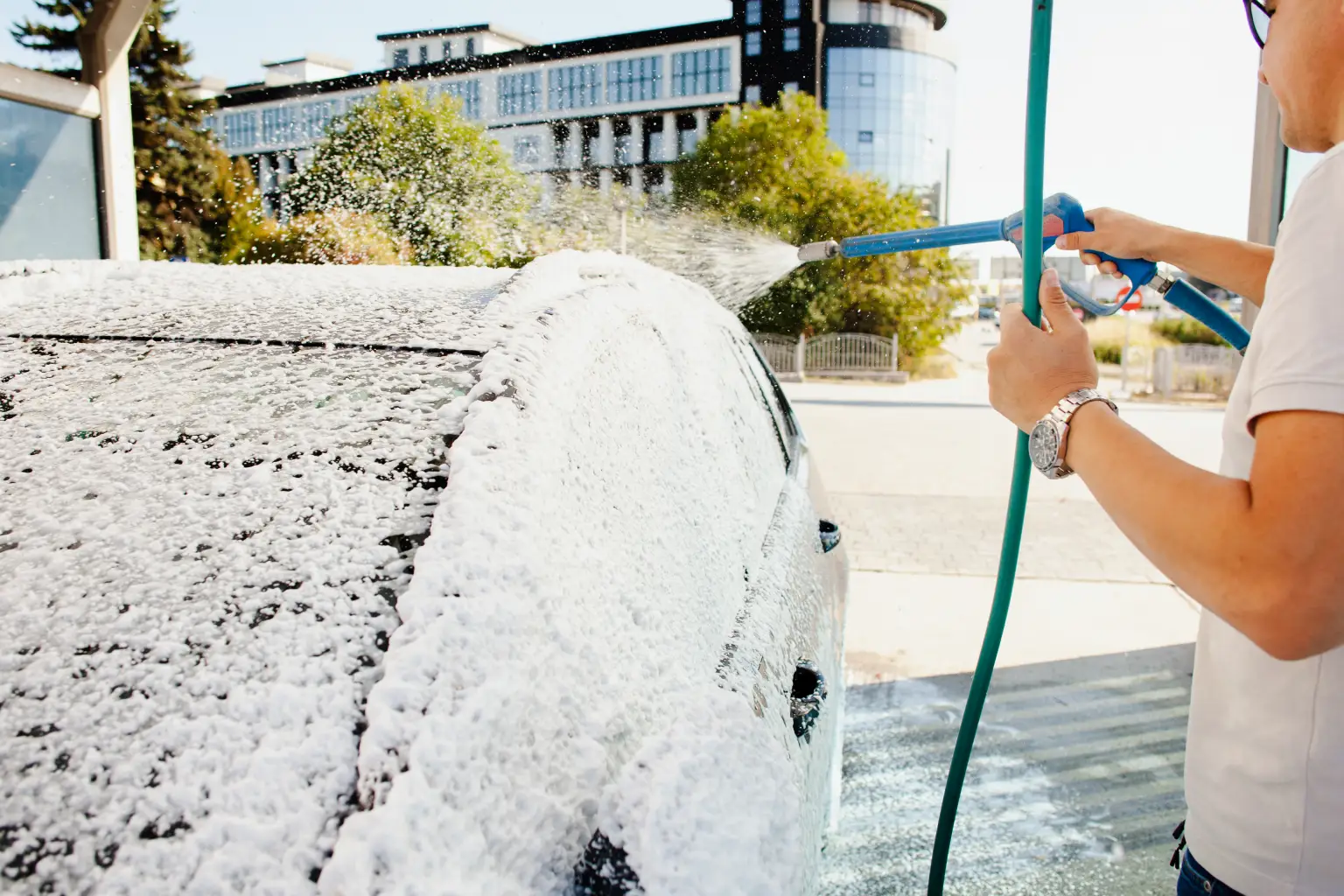






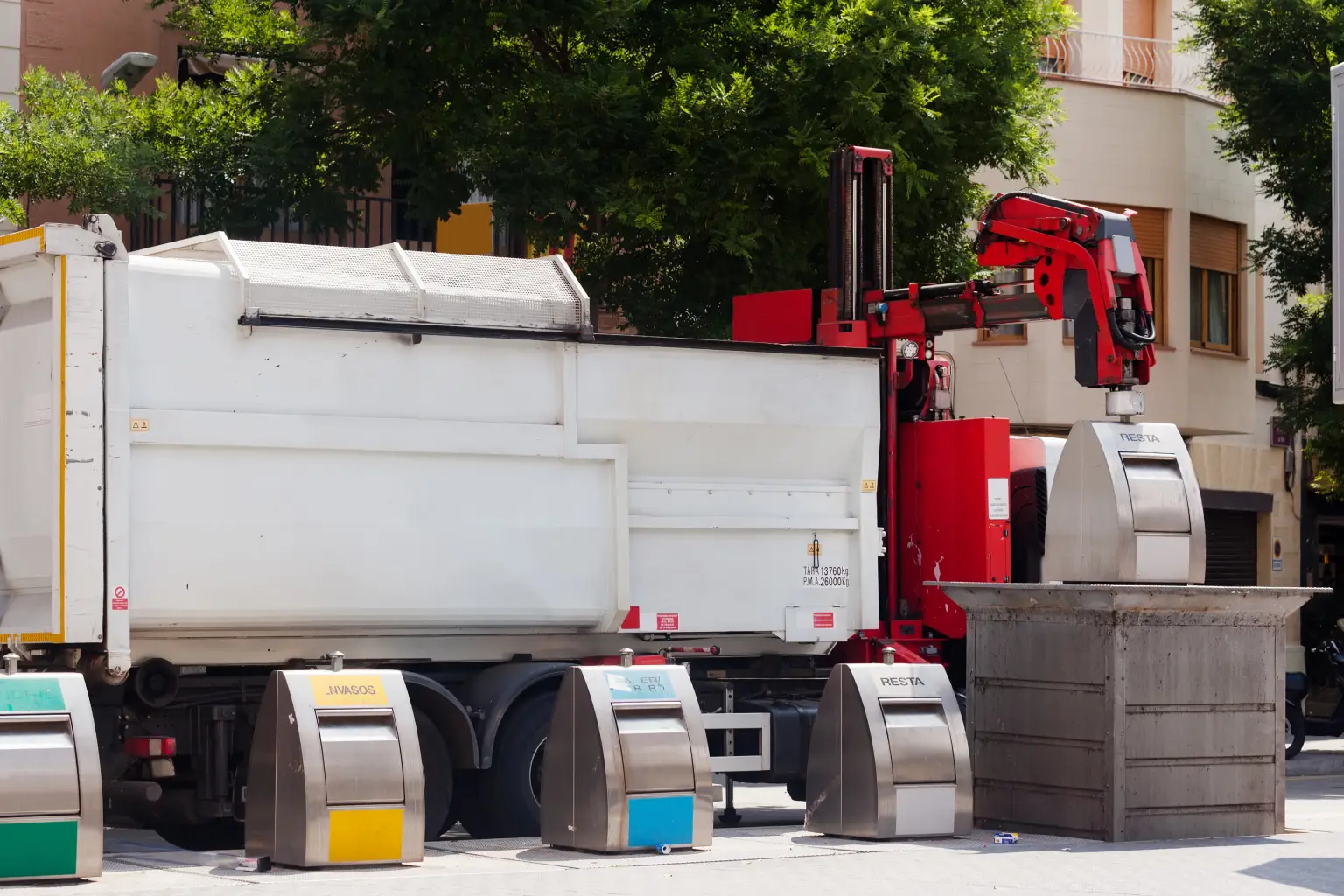




A parking lot with oil staining, a dumpster pad with runoff controls, and a loading dock that has to stay active until 10 p.m. are not one-price-fits-all situations. If you want to understand how to quote commercial pressure washing jobs, the real work starts before a number ever goes on a proposal. Commercial pricing is an operational exercise. It has to account for site conditions, production time, access, water recovery, safety requirements, and the level of service the property actually needs.
That is where many estimates go wrong. A contractor prices by square footage alone, misses the constraints, and then either loses margin or underdelivers. On commercial and industrial properties, a quote has to reflect field execution and service management, not just cleaning time.
What commercial pressure washing quotes are really built on
A solid commercial quote is based on scope, risk, and production. Scope defines what will be cleaned and to what standard. Risk covers liability, environmental controls, public exposure, and site-specific complications. Production is the time and labor required to complete the work with the right equipment and crew configuration.
This is why two properties with the same square footage can price very differently. A flat concrete storefront walkway with open daytime access is one type of job. A grease-heavy restaurant corridor behind a retail center with restricted access, wastewater containment, and after-hours scheduling is another.
When decision-makers review pricing, they are not only buying surface cleaning. They are buying a vendor’s ability to execute without disrupting operations, creating runoff issues, or leaving behind inconsistent results.
How to quote commercial pressure washing jobs accurately
The fastest way to underquote a commercial job is to treat it like residential work at a larger scale. Commercial sites require a disciplined estimating process. In most cases, that starts with a site visit, or at minimum, current aerial imagery, photos, and a clear understanding of traffic patterns and restrictions.
Begin by defining the exact service area. That may include concrete walks, storefront aprons, dumpster pads, loading docks, drive lanes, parking stalls, service alleys, or building facades. Each area has a different production rate and may require a different process. Dumpster pad cleaning, for example, often involves heavier contamination, degreasing chemistry, and wastewater management that should not be priced the same way as general sidewalk washing.
Then determine the cleaning objective. Some clients need maintenance-level appearance improvement. Others need restoration-level cleaning for high-visibility assets, investor inspections, lease-up preparation, or code-related issues. Those are different scopes, and the quote should reflect that difference clearly.
Measure more than square footage
Square footage matters, but it is only part of the estimate. You also need to measure edge conditions, obstacles, hose distances, setup points, and any areas that require detail work. Tight corners, bollards, outdoor seating, curbs, ramps, and drive-thru lanes all slow production.
On larger sites, travel time across the property can also affect labor hours. Multi-building retail centers and industrial campuses often look efficient on paper but involve significant movement of equipment, staging changes, and coordination with tenants or facility staff.
Build pricing from production rates
One of the most reliable ways to quote is to start with realistic production rates for each service type. A wide-open parking area may clean quickly with surface cleaners and proper water volume. A loading dock with buildup, tire marks, and active logistics traffic may move much slower.
Production rates should reflect your actual field conditions, not ideal conditions. If your estimate assumes uninterrupted access but the job will be completed around parked vehicles, customer foot traffic, deliveries, or tenant operations, your rate needs to come down. Conservative estimating usually protects margin better than aggressive assumptions.
Factor in water recovery and environmental controls
This is one of the most overlooked pricing variables in commercial work. If wastewater must be contained, recovered, filtered, or disposed of properly, the quote needs to include that labor, equipment, and time. The same applies when local regulations or site policies require extra controls around drains, landscaped areas, or food-service zones.
For properties with grease, dumpster runoff, oils, or chemical residues, recovery is not optional from a risk standpoint. It is part of the job. If you leave it out of the estimate, the number may look competitive at first, but it will not be operationally sound.
Key cost drivers that change the quote
Commercial pressure washing is rarely priced from a single formula because site variables change labor demand and risk exposure. The most common cost drivers are surface type, contamination level, access restrictions, service timing, water availability, environmental compliance requirements, and documentation needs.
Surface type matters because not all materials respond the same way. Concrete, EIFS, brick, painted block, metal panels, and specialty coatings all require different pressure, chemistry, dwell time, and technician attention. A quote for facade cleaning should never be copied from a flatwork cleaning template.
Contamination level matters just as much. Embedded staining, rust transfer, grease, gum, organic growth, and post-construction residue each require different treatment. If the property manager expects stain removal but the quote only allows for general washing, expectations and pricing are already out of alignment.
Access restrictions can change a profitable job into a difficult one. After-hours work, gated properties, security escorts, tenant coordination, limited parking, and hot operational zones all add labor and planning time. For retail and mixed-use properties, night work often makes sense operationally, but it should be priced accordingly.
Don’t separate field work from administration
A commercial quote should include more than labor, equipment, and chemical cost. Administrative execution is part of the service. That includes scheduling, site communication, insurance documentation, crew dispatching, service notes, before-and-after records, and any client reporting requirements.
This matters even more for multi-site accounts. A regional retail operator or property group is often comparing vendors on reliability and oversight, not just line-item price. If the service requires coordinated appointments, recurring work orders, location tracking, and documented completion, those systems support the work and should be reflected in the pricing structure.
At a company like Einstein Surface & Environmental Services, that management layer is part of the value. For commercial clients, it reduces friction, improves accountability, and makes repeat service easier to scale.
Should you price per square foot, per hour, or per site?
It depends on the service category and how consistent the conditions are. Per-square-foot pricing works well when the surface area is measurable, conditions are reasonably uniform, and the scope is clearly defined. This can be effective for sidewalks, parking decks, or large sections of flat concrete.
Hourly pricing is useful when the conditions are unpredictable, the contamination is severe, or the work is investigative in nature. Graffiti removal and specialty stain treatment often fall into this category, especially when substrate sensitivity or multiple attempts may be involved.
Per-site pricing is often the best fit for managed commercial accounts because it bundles scope, logistics, and service expectations into one number. This is especially useful for recurring storefront cleaning, dumpster pad maintenance, loading dock cleaning, or portfolio-level service agreements where simplicity matters to the client.
The key is not choosing one pricing method for every job. The key is choosing the method that matches the work and still protects execution quality.
What a professional commercial quote should include
A strong quote is specific enough to prevent confusion later. It should identify the service areas, cleaning methods where relevant, any exclusions, scheduling assumptions, access requirements, and whether wastewater recovery or environmental controls are included. If stain removal is not guaranteed, say so. If parked cars or blocked access will require rescheduling or change-order pricing, say that too.
This is where disciplined contractors separate themselves from low-information bids. Commercial clients do not just want a price. They want clarity. A structured quote reduces back-and-forth, gives property stakeholders something they can approve internally, and creates a cleaner handoff to operations.
Common estimating mistakes to avoid
The biggest mistake is pricing from incomplete information. If you have not seen current site conditions, asked about operating hours, or confirmed utility access and drainage constraints, the quote is built on assumptions.
Another common mistake is underestimating detail work. Gum removal, curb edge cleanup, enclosure washouts, and heavy buildup at service areas can consume far more time than broad surface cleaning. Small areas with high soil loads are often the least forgiving parts of the job.
The third mistake is competing only on the lowest number. Commercial clients care about price, but they also care about consistency, documentation, responsiveness, and reduced risk. A quote that is too low often signals that something has been missed.
The best commercial estimates are not just accurate. They are operationally believable. They show that the contractor understands the property, the work sequence, the constraints, and the client’s service standard. When a quote is built that way, pricing becomes easier to defend and easier for serious buyers to trust.
If you are quoting commercial pressure washing jobs, think like an operator first and a salesperson second. The number should reflect what it takes to deliver clean surfaces, controlled execution, and a service process the client can depend on.