














A loading dock usually tells you where a facility stands operationally before anyone steps inside. If the concrete is saturated with oil, debris is packed into corners, and dock edges show impact damage that no one has addressed, the site is already carrying avoidable risk. Knowing how to maintain loading docks is less about appearances alone and more about controlling safety exposure, preserving infrastructure, and keeping high-traffic service areas functional under constant use.
Why loading dock maintenance needs a system
Loading docks absorb some of the hardest use on a commercial property. They handle repeated forklift traffic, trailer impact, standing water, pallet debris, spilled product, grease, and tire marking. Unlike a storefront or front entrance, the dock is also a work zone, which means neglected conditions move quickly from cosmetic to operational.
That is why maintenance works best as a managed process rather than a reactive cleanup. A disciplined program reduces slip hazards, helps prevent premature concrete deterioration, supports drainage performance, and gives facility teams a documented rhythm for inspection and corrective action. For multi-tenant retail, industrial sites, distribution properties, and service-heavy facilities, consistency matters more than occasional deep cleaning.
How to maintain loading docks without creating downtime
The first step is to separate maintenance into three tracks: routine cleaning, structural inspection, and corrective service. When these are treated as one task, docks often get attention only after a complaint, spill, or safety event. A better approach is to assign different intervals based on actual use conditions.
High-volume docks may need weekly or even multiple-times-per-week surface cleaning, while lower-traffic sites may be fine with a lighter frequency. Inspection should happen on a schedule regardless of appearance, because cracking, joint failure, and bumper wear do not always stand out during daily operations. Corrective service then follows based on findings instead of guesswork.
That schedule should be built around the way the property operates. A grocery distribution site, for example, will not have the same maintenance pattern as a suburban retail back-of-house dock. The right frequency depends on traffic count, material handled, exposure to oils or food waste, weather, and how much standing water the area holds after washdown or rain.
Start with surface cleaning, not just spot cleanup
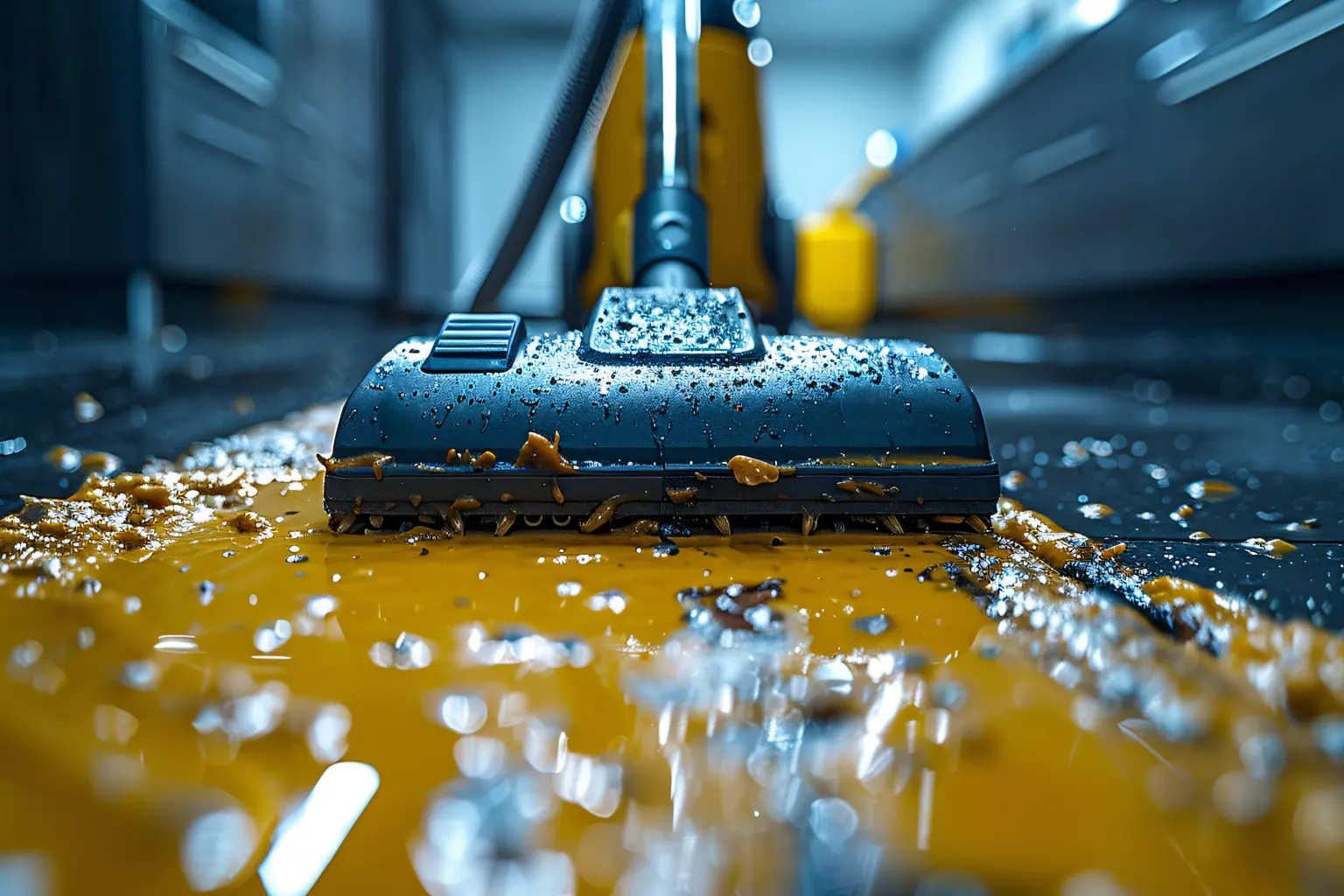
Most dock deterioration starts at the surface level. Debris collects in expansion joints, corners, and along dock walls. Oils and leaked fluids migrate into porous concrete. Organic buildup near drains creates odor issues and adds slip risk. If teams are only sweeping visible trash, they are handling the symptom rather than the condition.
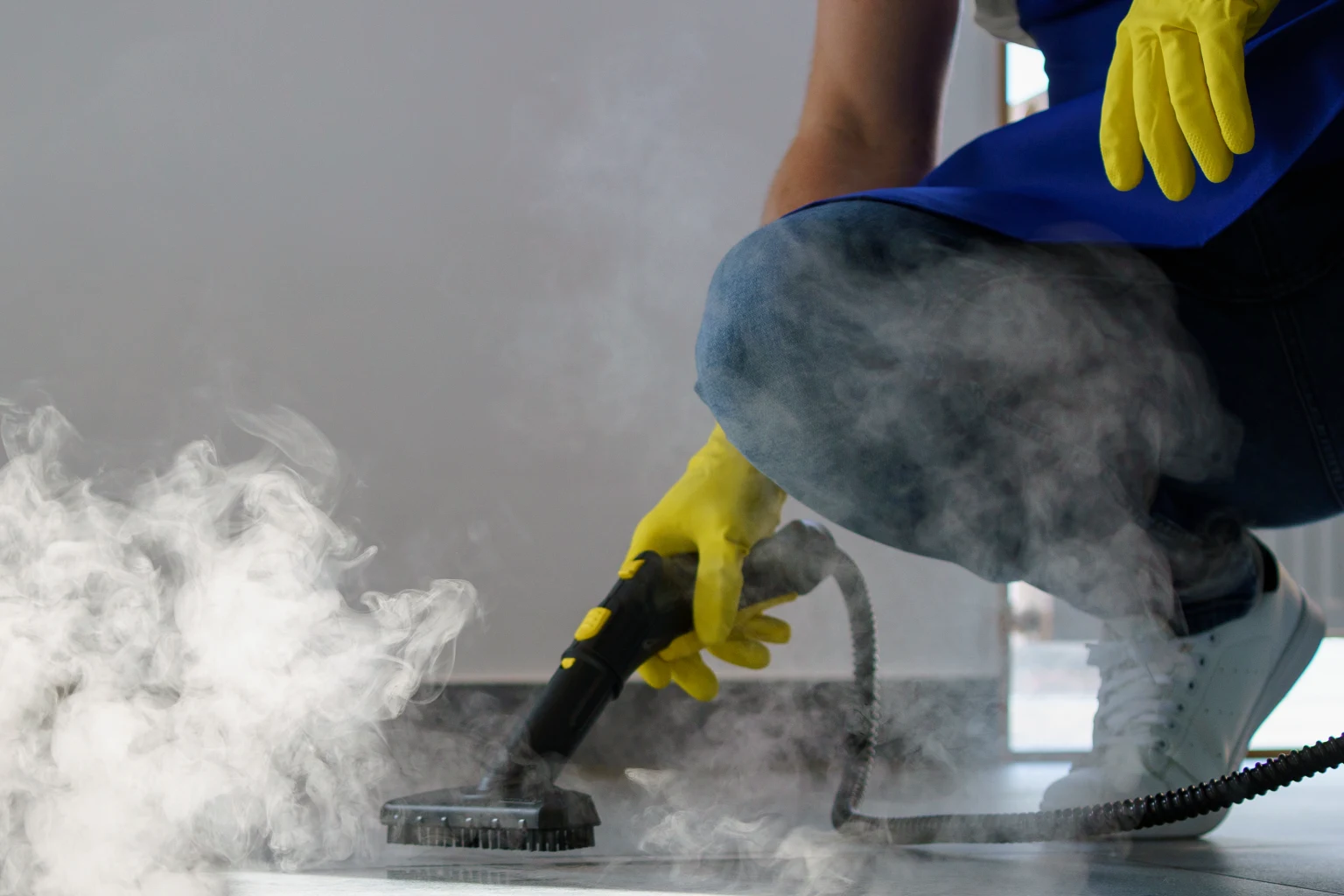
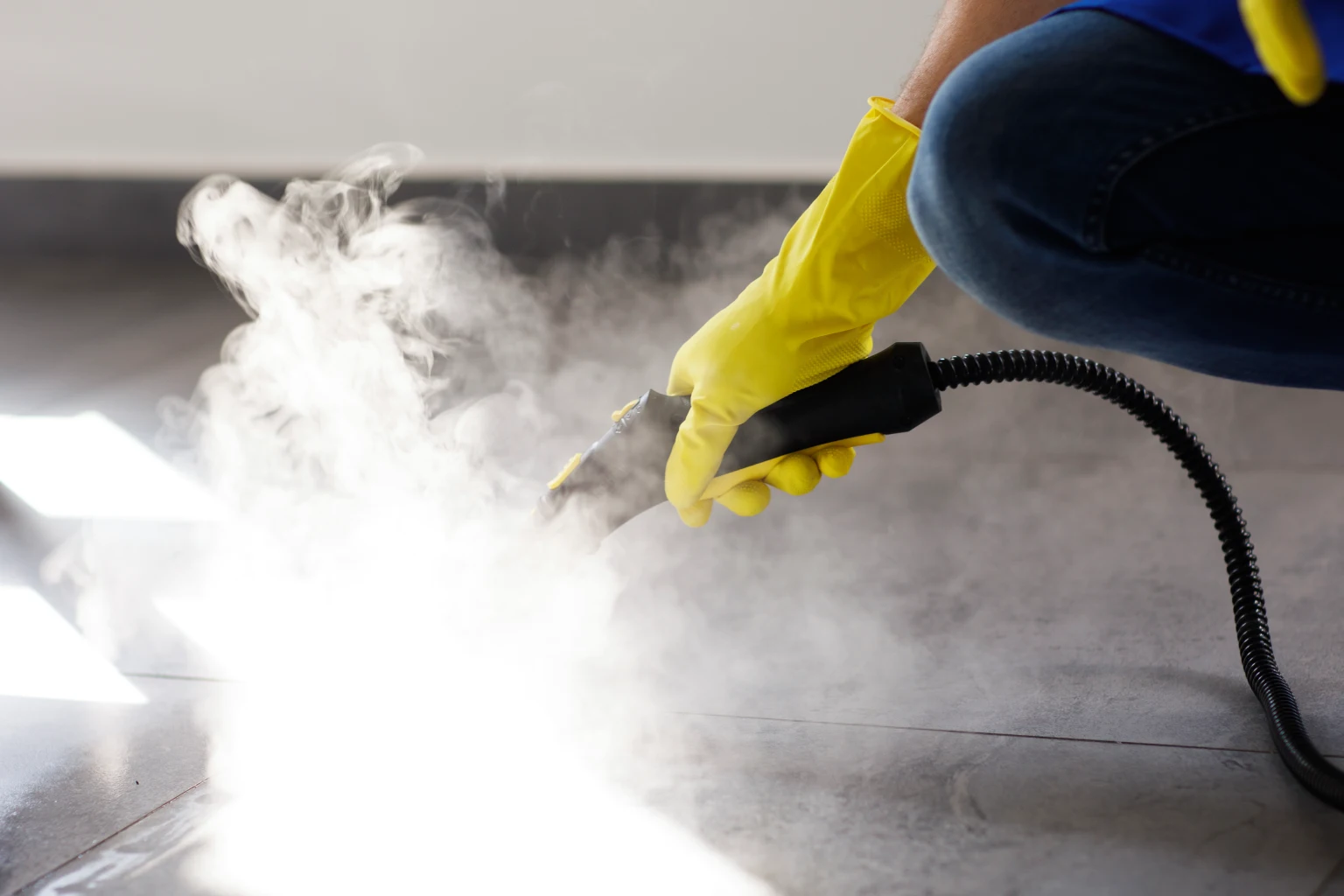
A proper maintenance routine includes scheduled sweeping, removal of pallet fragments and shrink wrap, and periodic pressure washing or surface cleaning calibrated for commercial concrete. The goal is to remove embedded grime, not just move it around. Water pressure, chemical selection, and runoff control all matter. Too little cleaning leaves residue behind, but overly aggressive methods can damage already weakened surfaces or drive contaminants into surrounding areas.
This is where professional execution matters. A loading dock is not a patio. It is an industrial work area with grease, sediment, and wastewater considerations that need process control.
Keep drainage working or the dock will fail faster
If water sits on a dock, maintenance is already behind. Standing water accelerates staining, increases slip exposure, weakens surface integrity over time, and often points to clogged drains or grade issues. In food service and retail service corridors, it can also contribute to odor and sanitation problems.
Drain covers should be cleared routinely, not only after heavy rain. Sediment, cardboard fragments, plastic, and organic waste build up fast in active dock zones. During cleaning, runoff should be directed and managed rather than ignored. If puddling appears repeatedly in the same area, that usually signals more than housekeeping. It may indicate settlement, blocked drainage lines, or a surface profile that needs correction.
A dock that stays wet also stays dirty. Fine particles bond to damp concrete quickly, which means neglected drainage increases cleaning frequency and shortens the life of the surface.
Inspect the parts that take impact every day
Clean docks still fail if impact components are ignored. Vehicle contact points and dock equipment absorb constant force, and small defects become expensive when left in service too long.
Dock bumpers should be checked for compression, tearing, and mounting failure. If they are worn down, trailers can transfer more impact directly into the dock face and surrounding concrete. Edge conditions also need attention. Spalling, cracked corners, and exposed aggregate at the dock edge are common signs of repeated contact and water intrusion.
Levelers, seals, and restraints fall into a slightly different category because they are mechanical or equipment-related, but they affect maintenance planning all the same. If a leveler leaks fluid, leaves residue, or creates unusual wear patterns on the surface, cleaning crews and facility managers need to treat that as an operational issue, not just a stain issue.
Watch concrete joints, coatings, and striping
Concrete joints often show early signs of dock stress. When joints open, chip, or collect packed debris, they create both a cleaning problem and a traffic problem. Forklift wheels hitting damaged joints repeatedly can expand the failure area fast.
If the dock includes traffic striping or safety markings, those should be reviewed during routine maintenance as well. Faded striping reduces visual control in a space where pedestrians, forklifts, and trucks may all be moving within a confined footprint. Re-striping is not always urgent, but if markings no longer guide behavior, the site loses a basic layer of risk management.
Some facilities also use protective coatings or sealed surfaces in portions of the dock. Those can improve cleanability, but only if they are maintained correctly. Once coatings begin to fail, they can trap dirt unevenly or create patchy traction conditions. The trade-off is simple: coated surfaces may look better and clean faster, but they require closer monitoring and periodic renewal.
Build a maintenance schedule around real dock conditions
A useful dock maintenance plan is specific. It should define what gets checked daily, weekly, monthly, and quarterly, along with who owns each task.
Daily attention may be as simple as debris removal, visual hazard checks, and confirming drains are not obstructed. Weekly service often includes more detailed surface cleaning and documenting any visible damage. Monthly or quarterly reviews should cover dock faces, bumpers, joints, striping, and any recurring contamination patterns that suggest a larger issue.
Documentation matters here. Without it, the same staining, impact damage, or drainage issue gets rediscovered over and over. With it, property teams can spot trends, budget repairs sooner, and maintain a record of service activity across one site or multiple locations.
For organizations managing several commercial properties, standardization is usually worth the effort. A shared maintenance framework creates cleaner reporting and more predictable site conditions, especially when different managers or vendors are involved.
Know when cleaning is not enough
One of the most common mistakes in loading dock upkeep is assuming every ugly surface just needs a stronger wash. That is not always true. Some conditions point to repair, not cleaning.
Deep oil saturation, recurring rust transfer, active spalling, failed joints, and chronic drainage problems will not be resolved by surface treatment alone. In those cases, cleaning should support the repair plan, not replace it. The same goes for sanitation-sensitive areas where repeated buildup indicates a process issue upstream.
A disciplined service partner should be able to distinguish between a dock that needs restoration cleaning and one that needs structural attention. That saves time, avoids wasted service calls, and helps property stakeholders make decisions based on condition rather than appearance.
How professional service supports dock performance
For many facilities, the issue is not whether teams understand how to maintain loading docks. The issue is execution consistency. Dock areas are easy to postpone because they are functional spaces, not customer-facing ones. But they are also high-liability zones with constant wear, which means postponement usually increases cost.
A professional maintenance program brings structure to that environment. It aligns cleaning frequency with site traffic, applies industrial-grade methods appropriate for concrete and contamination type, and creates accountability through scheduling, work orders, and documented service intervals. For commercial clients managing multiple service areas, that level of control is often the difference between occasional improvement and sustained site performance.
Einstein Surface & Environmental Services approaches loading dock maintenance the same way it approaches broader exterior property care - with precision-focused field execution and a managed service model built for commercial operations.
A clean dock will not solve every facility issue, but a neglected one will create more than its share. The practical move is to treat the dock like the operational asset it is, then maintain it with the same discipline expected everywhere else on the property.