


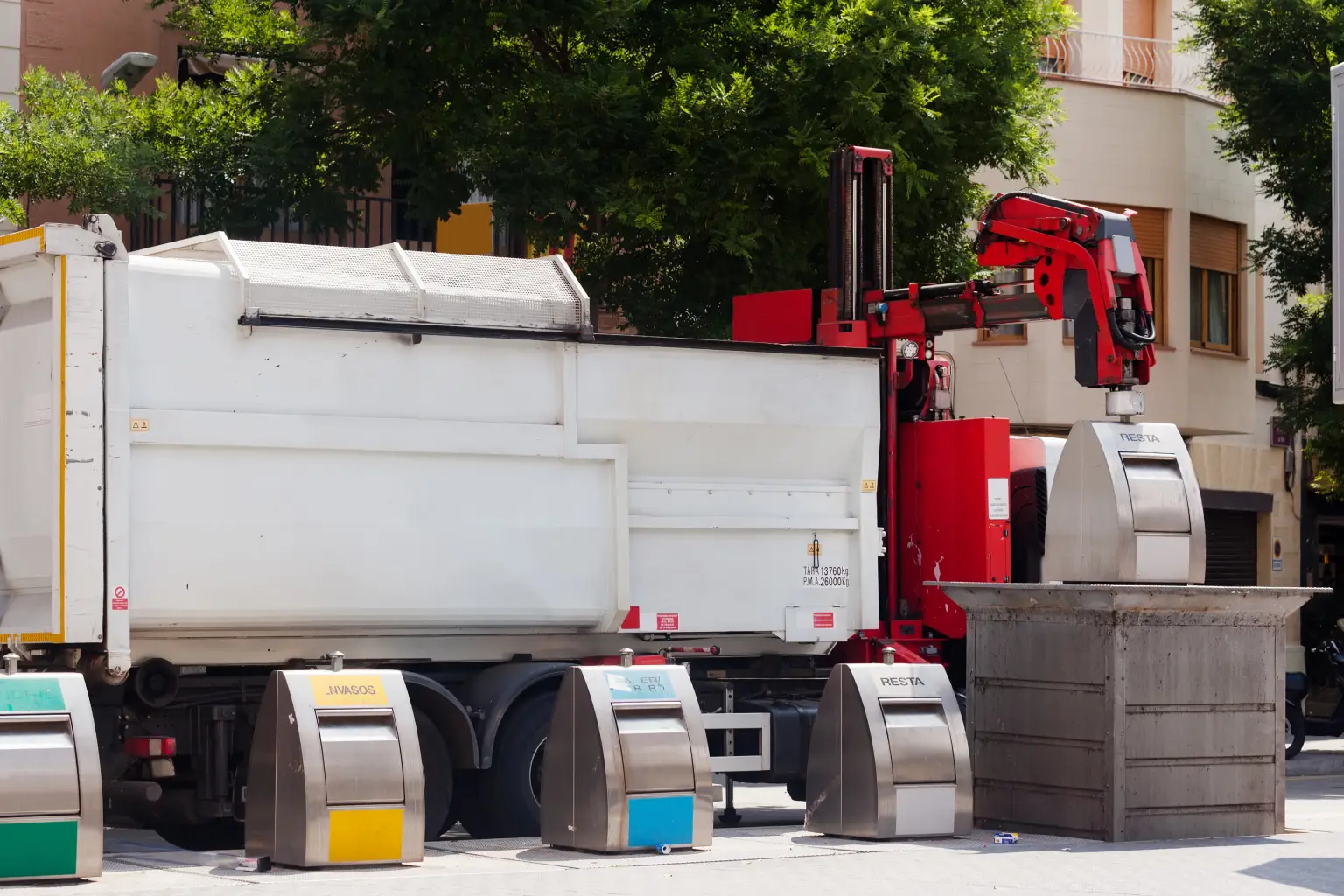
A dumpster pad tells on the rest of the property. When grease, food waste, and leachate build up on concrete, the problem does not stay contained to the enclosure. Odor travels, pests follow, slip risk increases, and tenants notice. If you need to know how to clean dumpster pads in a commercial setting, the answer is not just high pressure and hot water. It is a controlled process that removes contamination while protecting concrete, drainage systems, and site operations.
Why dumpster pad cleaning needs a controlled process
Dumpster pads collect a difficult mix of contaminants. Organic waste, oils, grease, beverage residue, trash fluid, bacteria, and wind-blown debris all settle into porous concrete. Over time, that combination creates dark staining, persistent odor, and a slick surface that can become a safety issue for employees, vendors, and waste haulers.
This is where many properties make the wrong call. A quick rinse can improve appearance for a day or two, but it usually pushes contamination into nearby drains, leaves residue embedded in the slab, and does very little to address odor at the source. Effective cleaning requires surface preparation, chemical selection, agitation, pressure washing, and wastewater control. If one part of that sequence is skipped, results are usually inconsistent.
How to clean dumpster pads without creating a bigger problem
The most effective approach starts before any washing begins. The pad should be inspected for cracked concrete, failed joints, pooled waste, and nearby storm drains. That inspection determines the right pressure level, detergent type, dwell time, and recovery method. A heavily stained retail dumpster enclosure may need a different treatment than a light-industrial site where oil residue is the main issue.
Dry debris should be removed first. Cardboard fragments, loose trash, dirt, and sediment interfere with cleaning and can clog recovery equipment. Once the area is cleared, the concrete is typically pretreated with a degreaser or enzymatic cleaner designed for organic buildup. The chemistry matters. Grease and leachate do not break down the same way, so a one-size-fits-all product often underperforms.
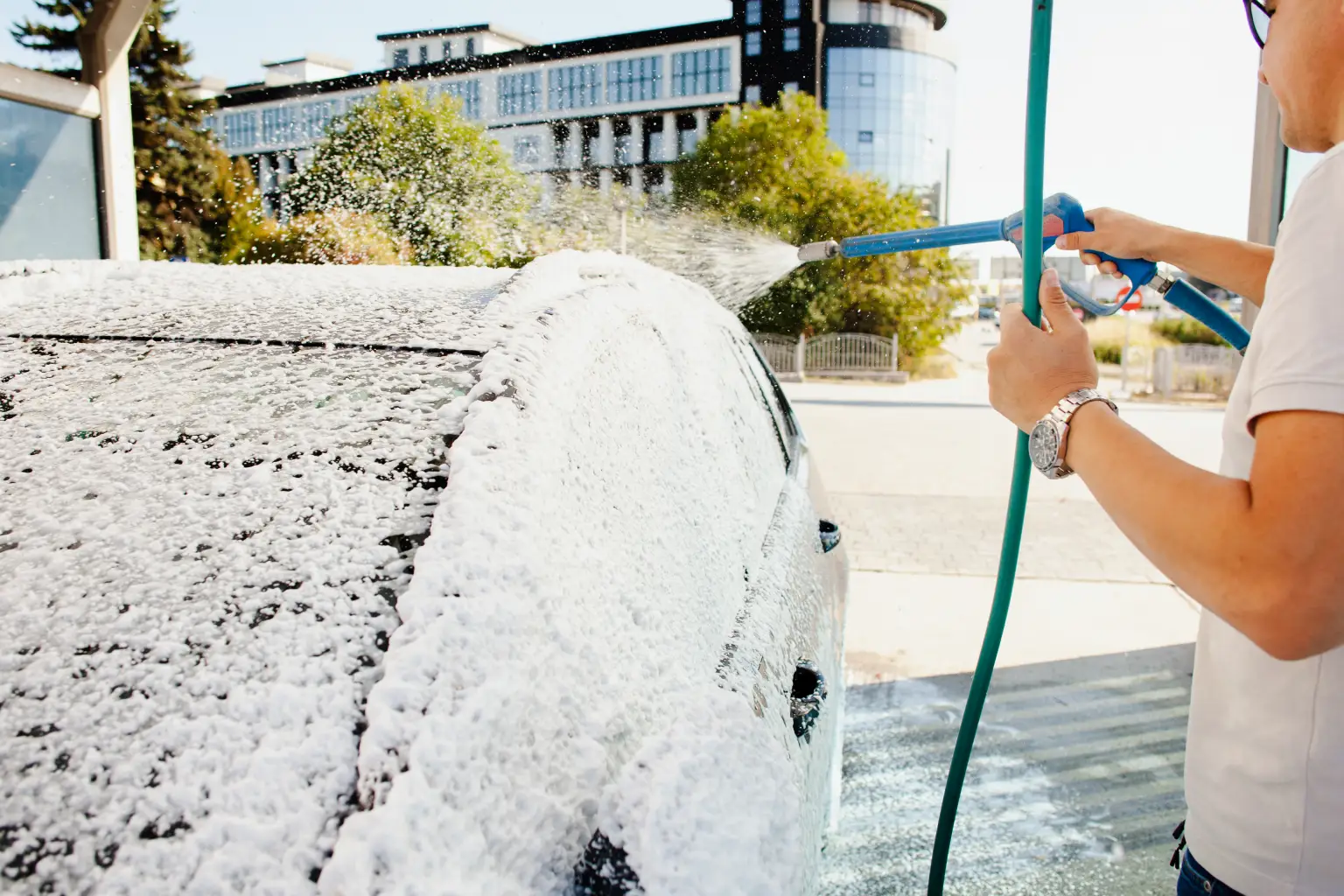
After pretreatment, the surface needs dwell time. This is one of the most overlooked steps. If detergent is rinsed off too quickly, it has no time to break the bond between the concrete and the contamination. If it sits too long under hot conditions, it can dry on the surface and reduce effectiveness. The right dwell window depends on temperature, buildup level, and product specifications.
Agitation is often the difference between a partial cleanup and a professional result. On heavily impacted pads, surface cleaners and pressure alone may not fully release embedded residue around corners, curbs, bollards, and enclosure walls. Brushing those problem areas helps lift material that would otherwise remain behind and continue producing odor.
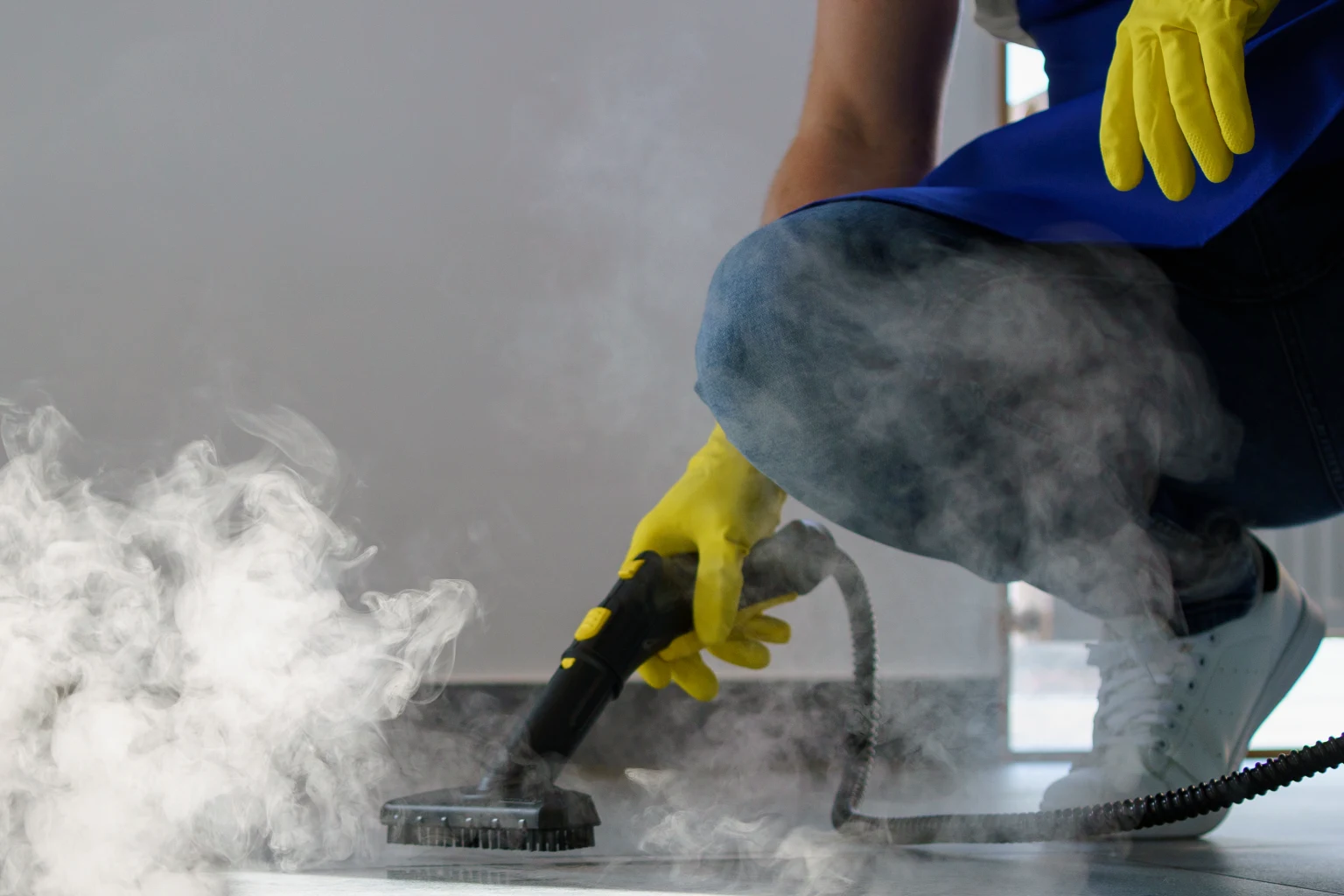
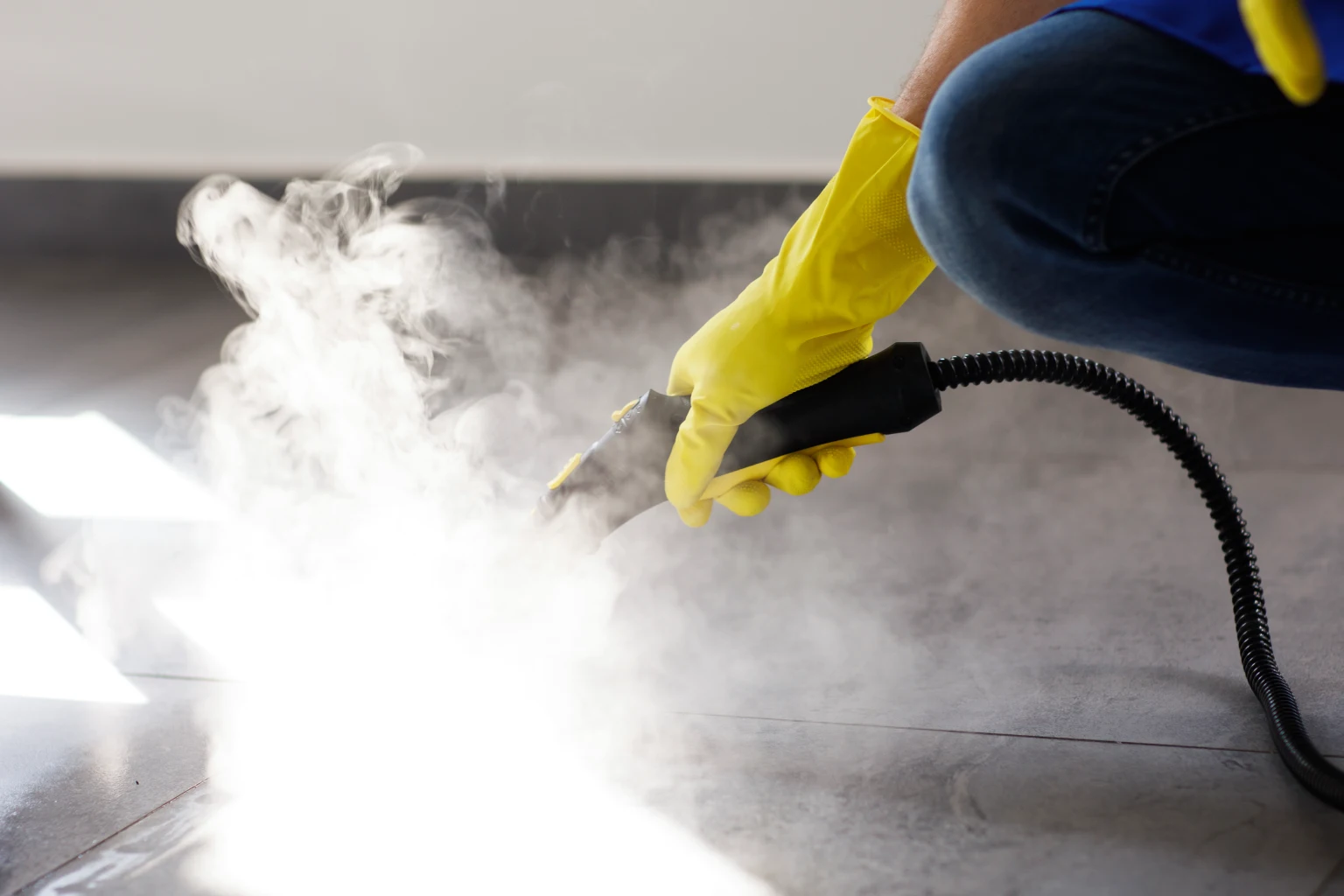
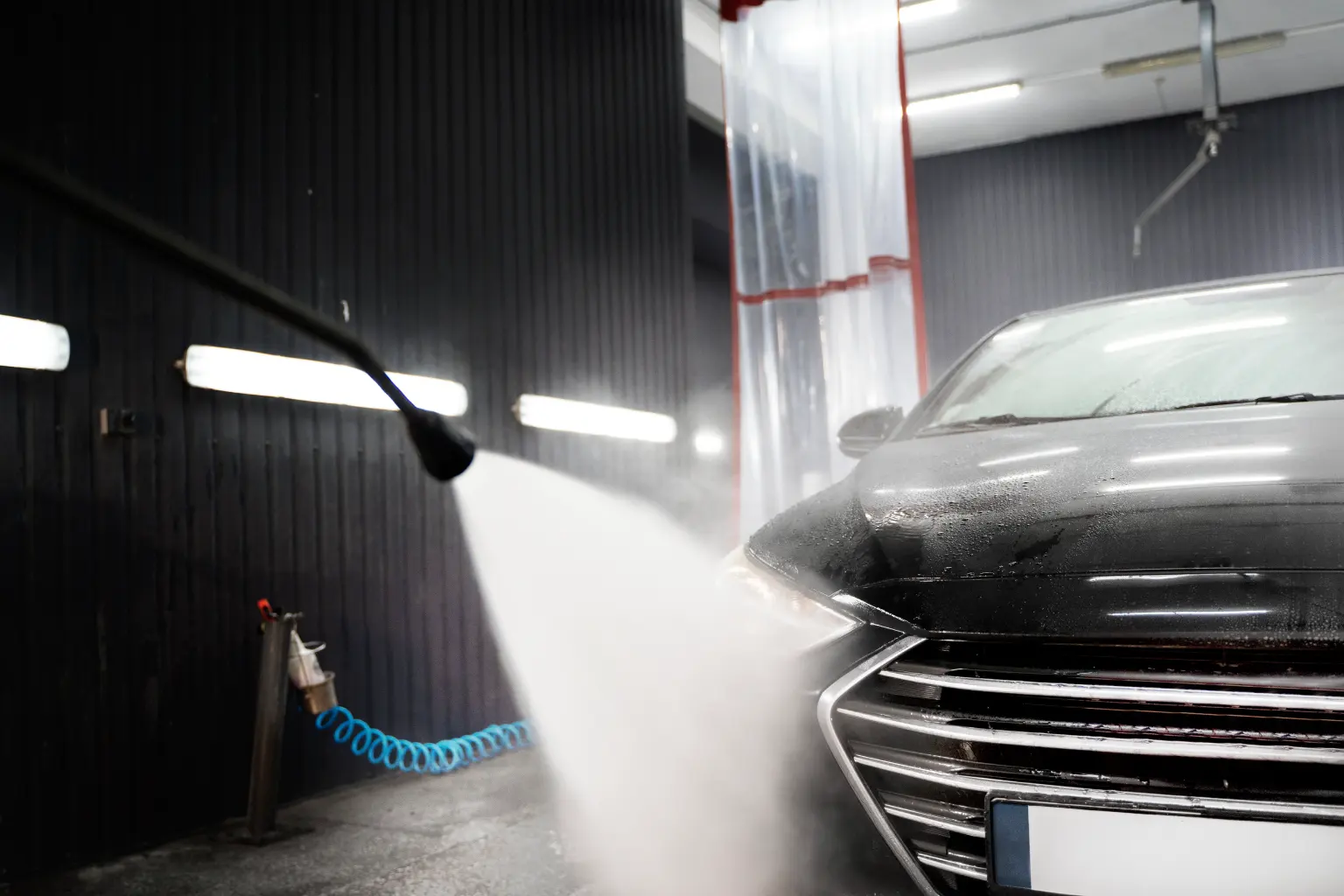
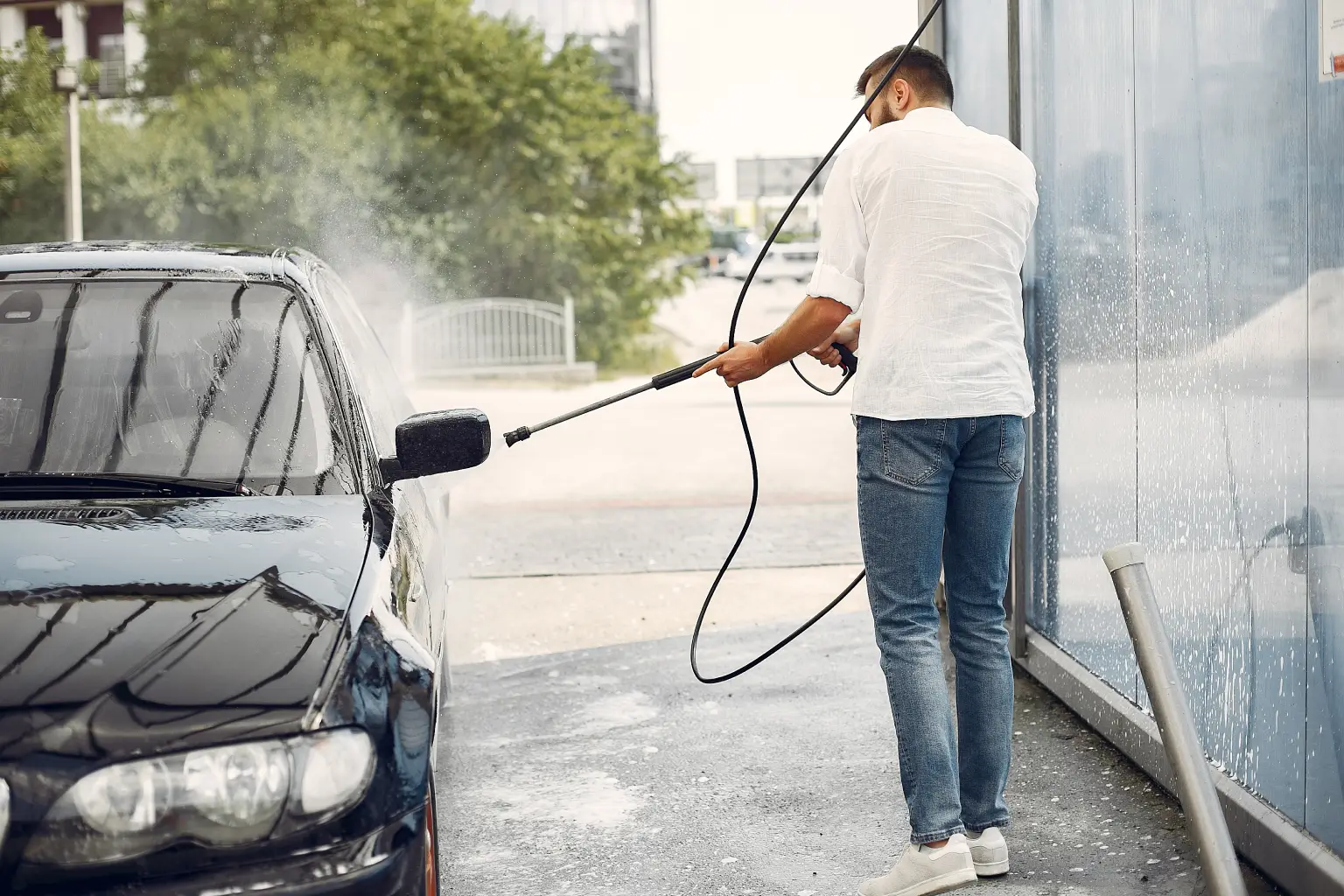
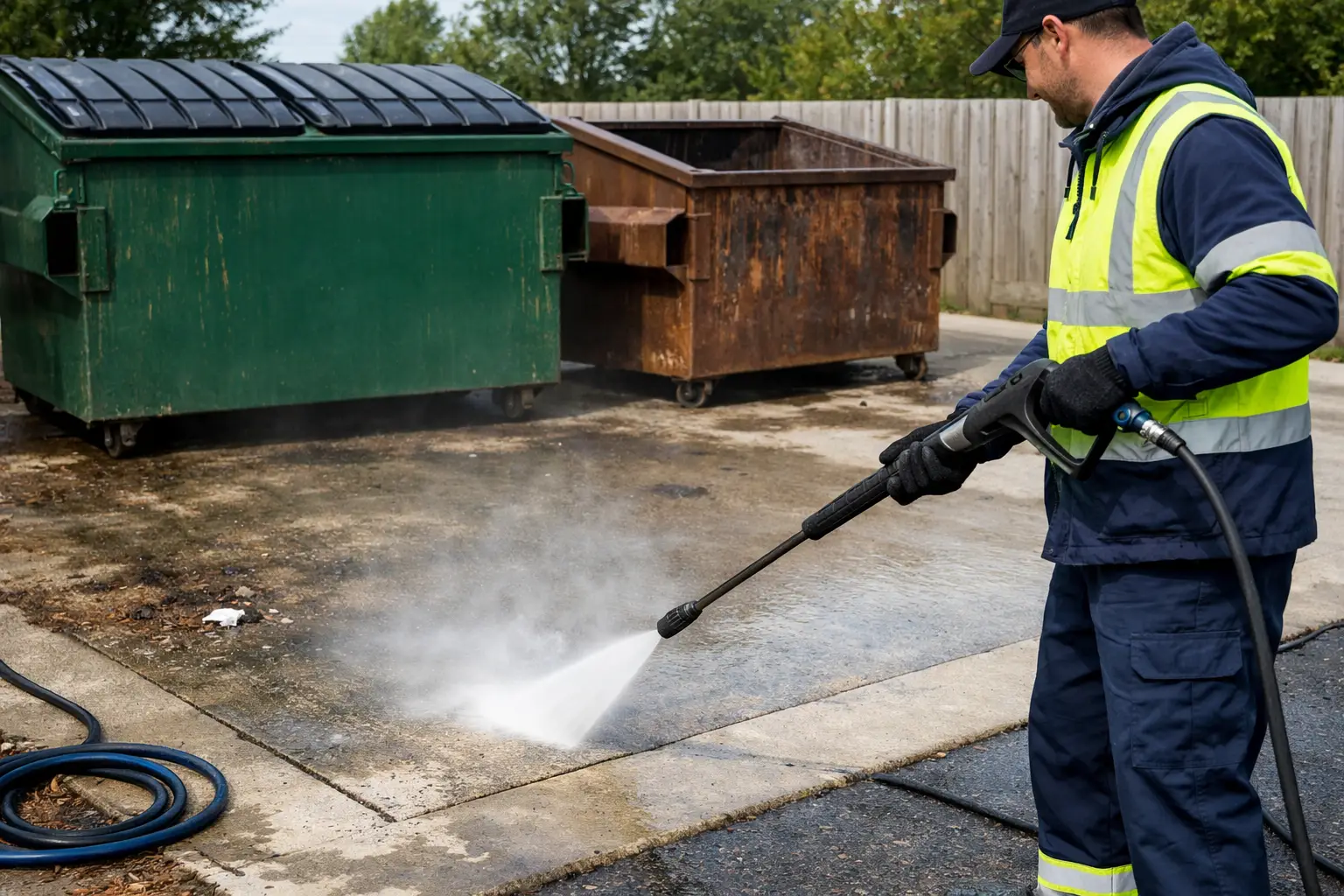
Pressure washing comes next, but more pressure is not always better. Concrete can be etched, joint material can be damaged, and contaminated spray can be thrown beyond the work zone if the equipment is not calibrated properly. In most commercial applications, the objective is controlled removal, not brute force. Hot water pressure washing is often preferred because it cuts grease more effectively and supports faster breakdown of organic residue.
Wastewater recovery is not optional on commercial sites
One of the biggest mistakes in dumpster pad cleaning is treating wastewater like an afterthought. The runoff from these areas can contain grease, bacteria, trash fluid, and chemical residue. Allowing that mix to enter a storm drain creates environmental exposure and unnecessary liability.
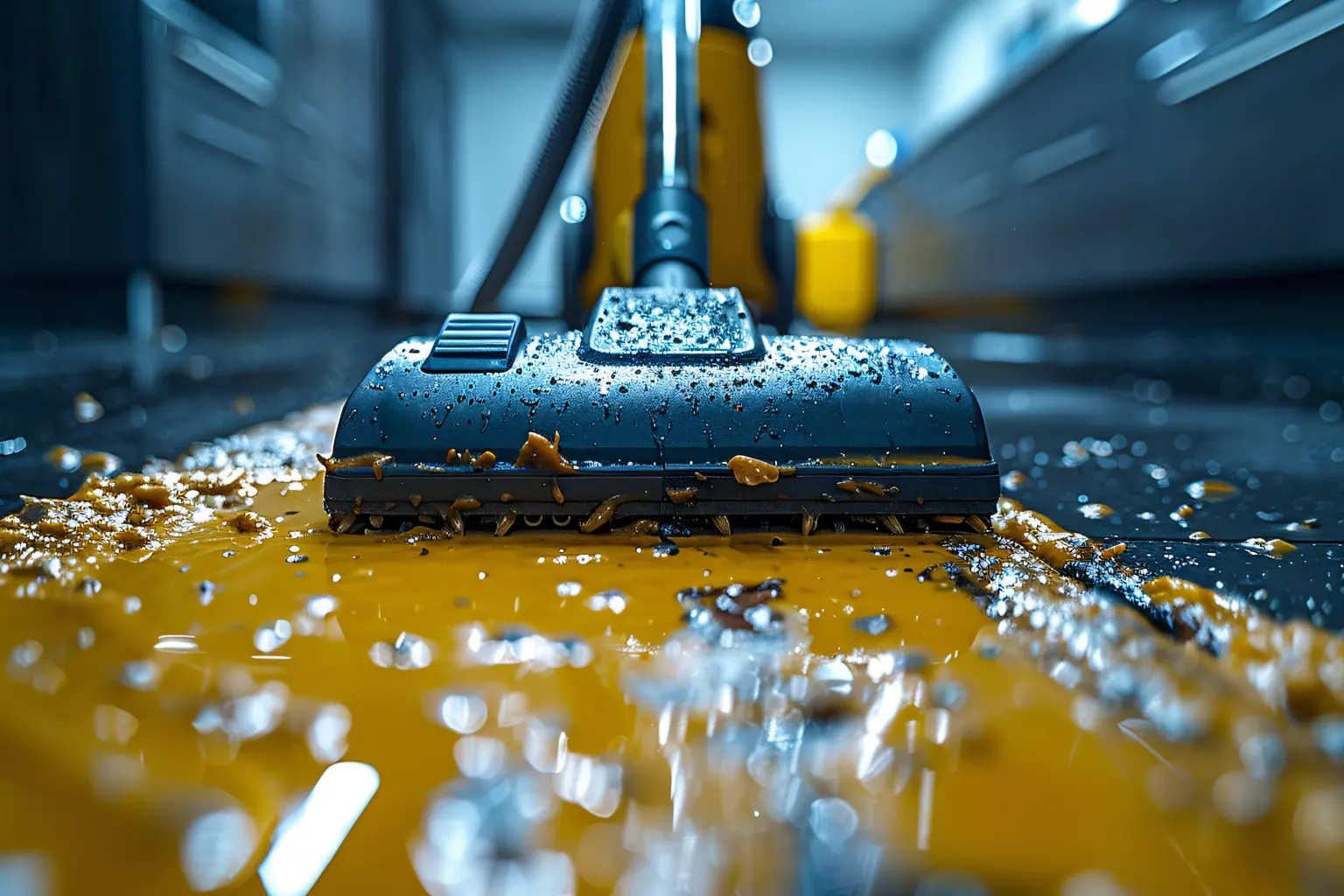
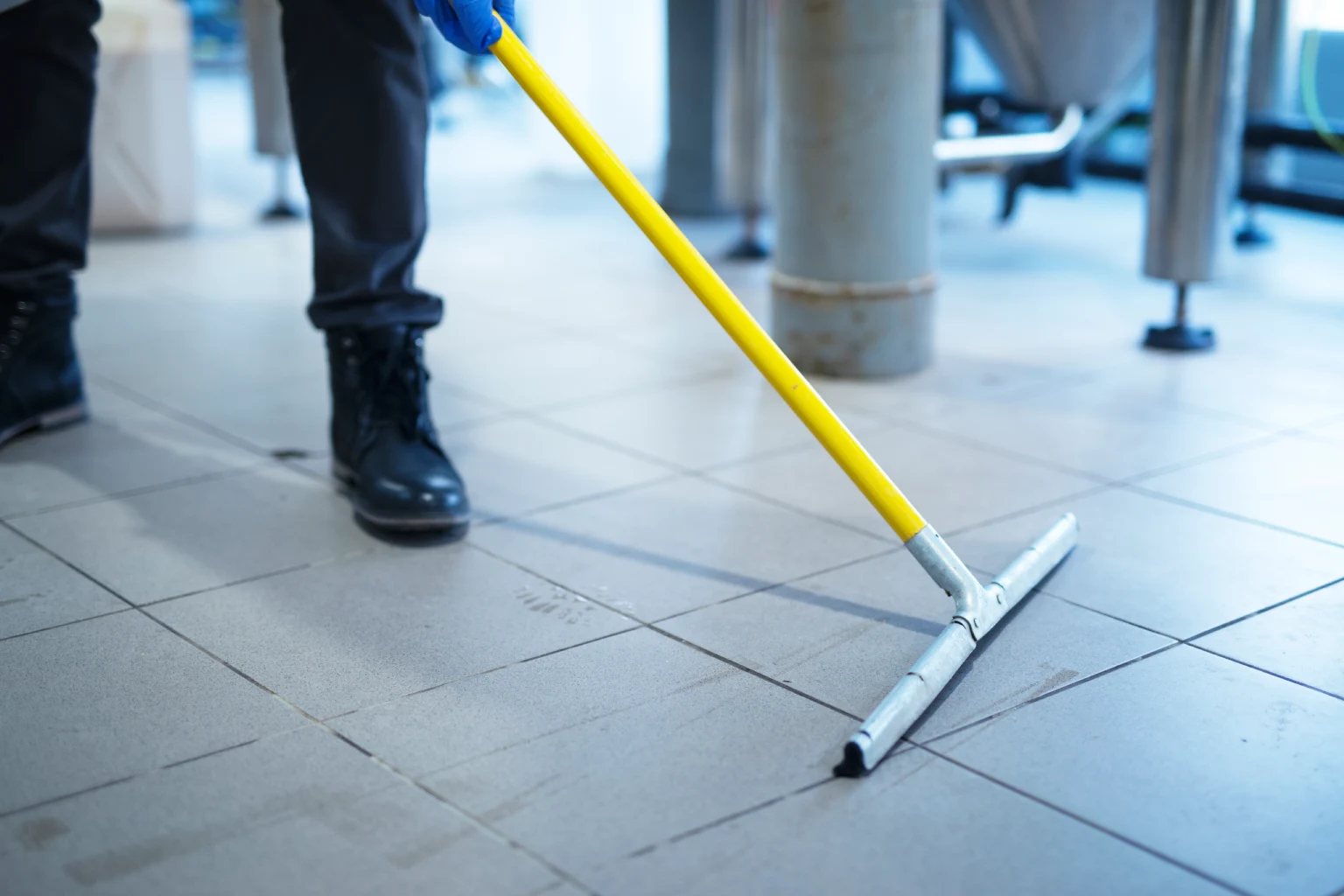
For that reason, professional dumpster pad cleaning should include containment and recovery. Berms, drain covers, vacuum recovery systems, and filtered collection methods help keep wastewater under control until it can be handled properly. This is especially important at shopping centers, restaurants, grocery-anchored retail, industrial facilities, and multi-tenant commercial properties where drainage paths are close to pedestrian and traffic zones.
For facility managers and property managers, this is where vendor selection matters. A contractor who can clean the pad but not manage the runoff is only solving part of the problem. On commercial properties, the process has to support both appearance and compliance.
Equipment and chemistry matter more than most people think
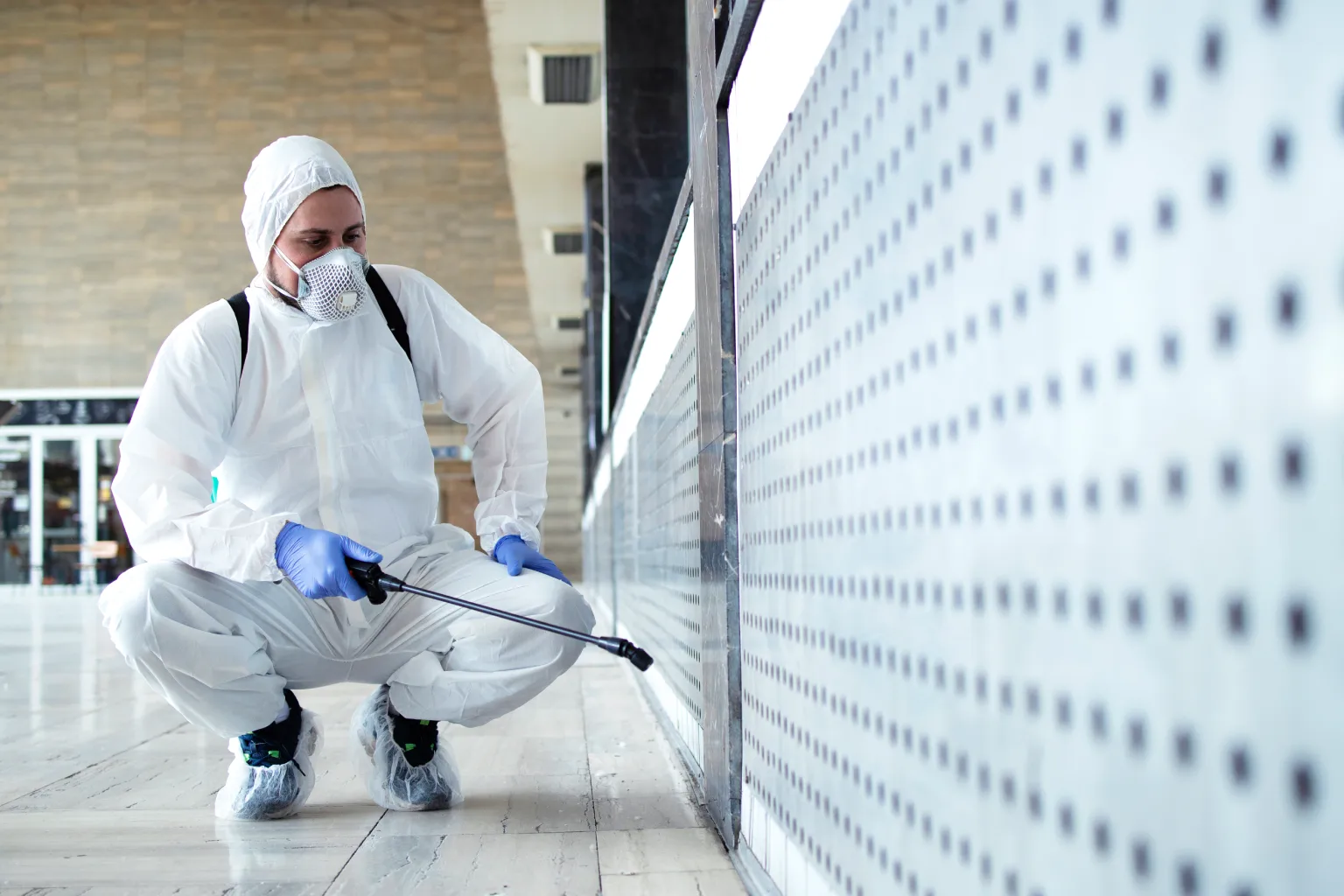
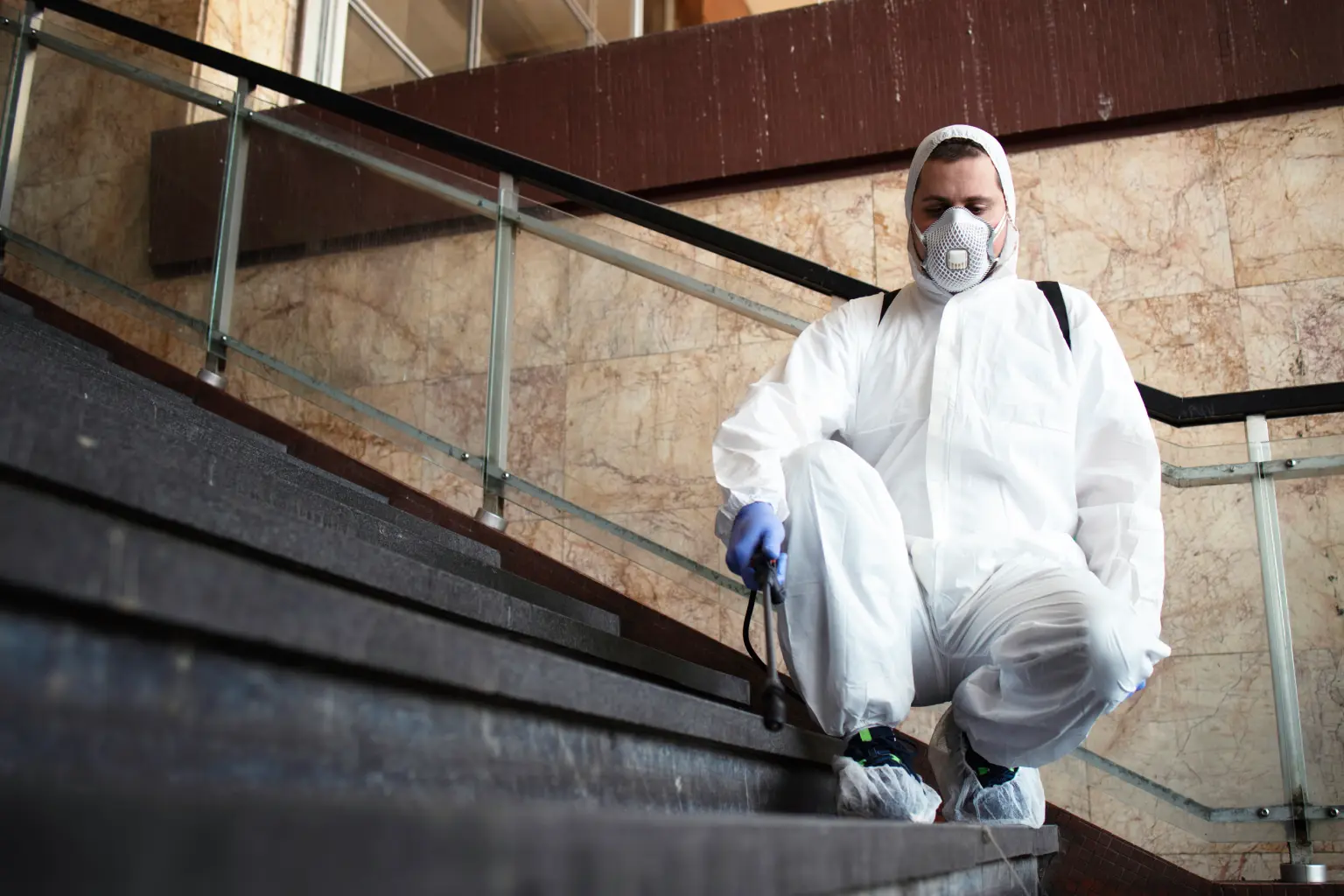
If the goal is long-term improvement rather than cosmetic rinsing, the cleaning setup needs to match the site conditions. Hot water units, professional surface cleaners, degreasers, foaming agents, recovery vacuums, and containment tools all play a role. The right combination depends on how the dumpster area is used and how severe the buildup is.
Restaurant-adjacent pads typically require stronger degreasing performance and more frequent service because of fats, oils, and food waste. Retail centers may have a broader mix of beverage staining, loose debris, and general trash residue. Industrial sites can introduce heavier oils, sediment, and loading-area contaminants that migrate into the enclosure. Each condition changes the cleaning plan.
There is also a trade-off between aggressive restoration and routine maintenance. A severely neglected dumpster pad may require more labor, stronger chemistry, and longer cleaning windows. Once the surface is restored, ongoing maintenance becomes more efficient and more cost-effective. That is why many commercial properties benefit from scheduled service instead of waiting until odor complaints or visible staining force a response.
Frequency depends on use, not just appearance
A common question is how often dumpster pads should be cleaned. The honest answer is that it depends on traffic, tenant type, climate, and enforcement standards at the property. A retail center with food users may need monthly or even more frequent service. A light-use commercial office property may be fine on a quarterly schedule. Properties with summer heat, high tenant turnover, or recurring overflow issues usually need tighter intervals.
Appearance should not be the only trigger. By the time a dumpster pad looks bad from a distance, the odor and contamination are already well established. It is more efficient to clean on a predictable cycle before buildup becomes embedded and difficult to remove. That approach also supports vendor coordination, budgeting, and property presentation.
This is where a managed service model has practical value. Documented scheduling, service records, site notes, and recurring work orders make it easier to maintain standards across one property or multiple locations. For operators managing a regional portfolio, consistency is usually more important than occasional deep cleaning.
Common mistakes that reduce results
The most common issue is relying on water alone. Without the right detergent, grease and organic staining often smear rather than release. Another frequent mistake is using excessive pressure on aging concrete, which can scar the surface and make future staining worse by increasing porosity.
Poor timing also creates problems. Cleaning during active waste pickup windows, peak tenant traffic, or extreme afternoon heat can disrupt operations and reduce cleaning performance. The work should be scheduled around site logistics, with attention to access, safety, and recovery setup.
Then there is the enclosure itself. If walls, gates, and bollards are ignored, the space will still smell dirty even if the slab improves. Effective dumpster area cleaning looks at the full impact zone, not just the center of the pad.
What commercial clients should expect from a professional service
A professional dumpster pad cleaning program should be structured, not improvised. That means a defined scope of work, scheduled service windows, clear communication, and documentation. On larger sites, it should also include coordination with access restrictions, waste hauler timing, and any environmental controls required by the property.
Execution matters, but so does administration. Commercial clients typically need dependable scheduling, confirmation, work tracking, and visibility into what was completed. That is especially true for multi-site operators who cannot inspect every location personally. Einstein Surface & Environmental Services is built around that standard, combining industrial-grade field execution with a managed service process that supports accountability across commercial properties.
If you are evaluating how to clean dumpster pads at your facility, the real question is whether the work is being handled as a maintenance system or as an occasional cleanup. One protects the asset, supports the site image, and reduces recurring problems. The other usually resets the clock for a few weeks.
A clean dumpster pad does not make headlines, but it does shape how a property performs day to day. When the area is maintained with the right process, the whole site feels more controlled, more sanitary, and easier to manage.