
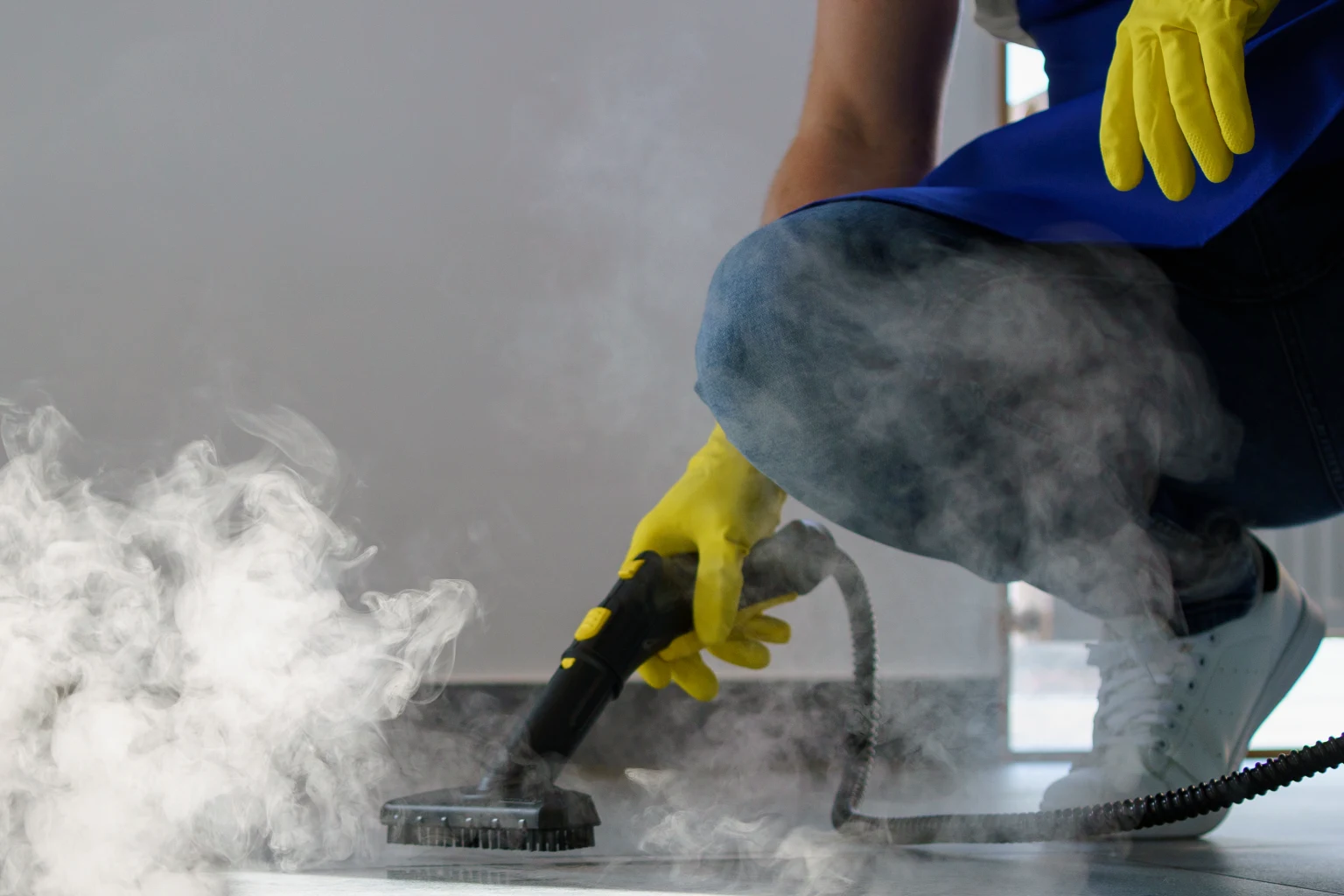


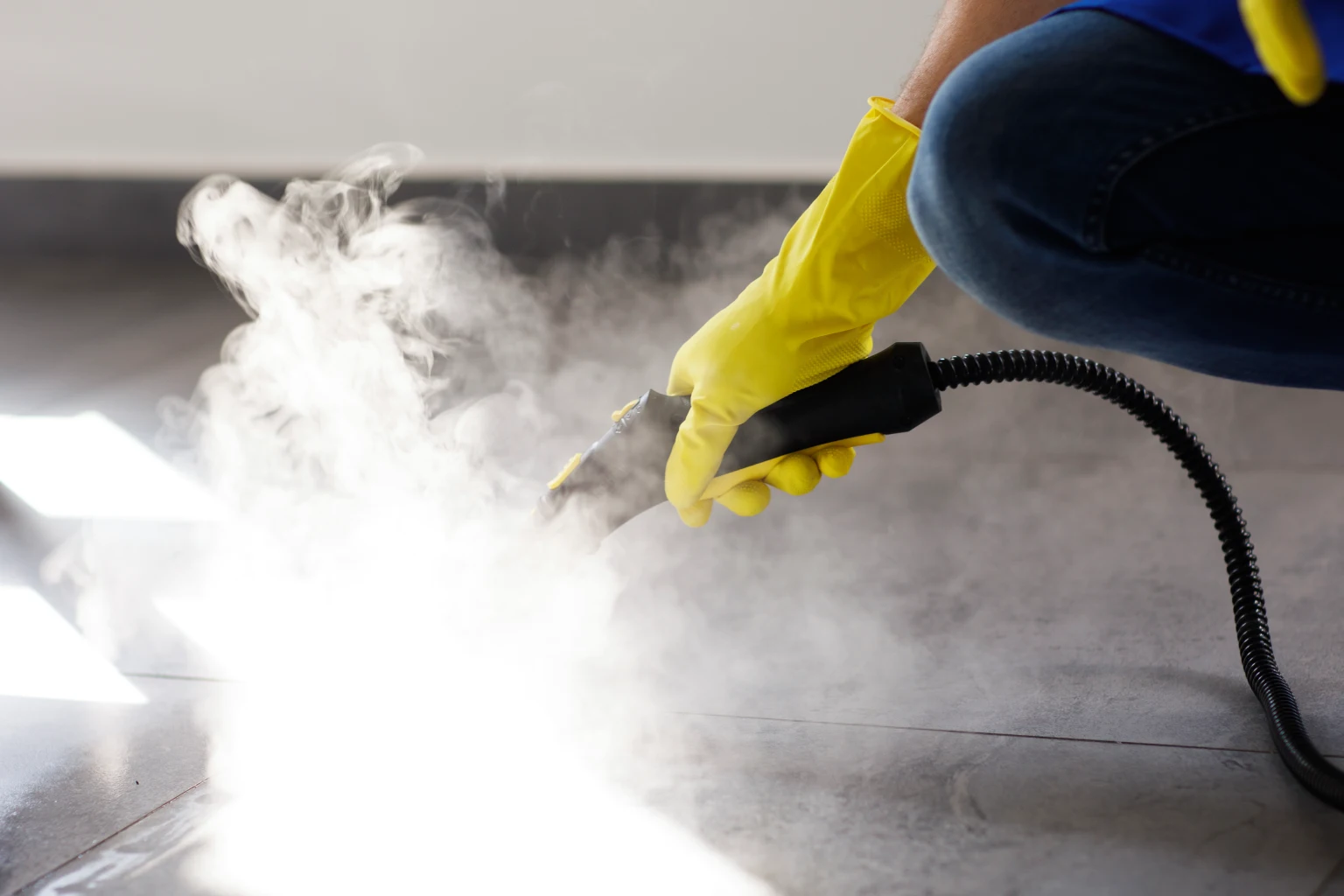
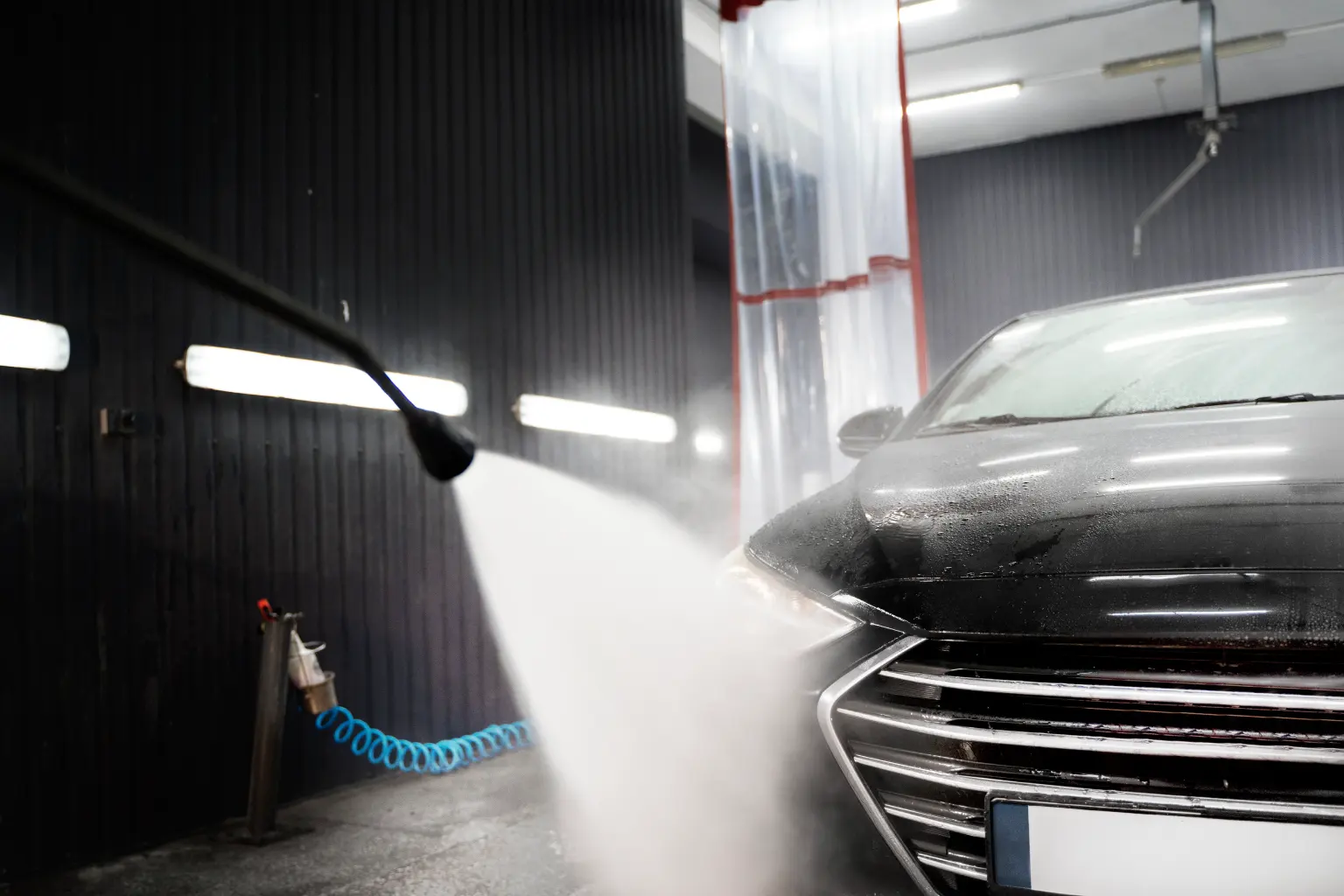








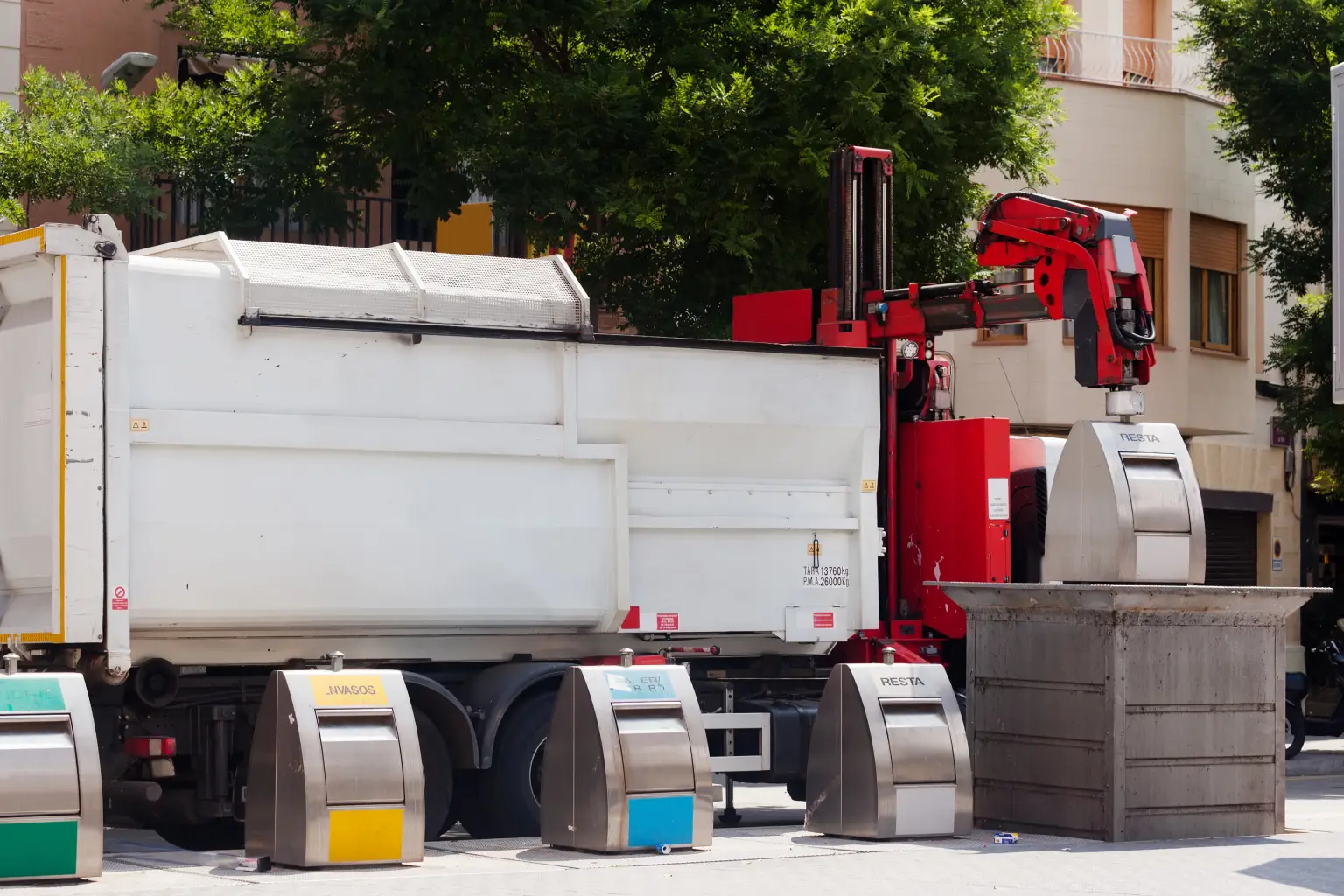



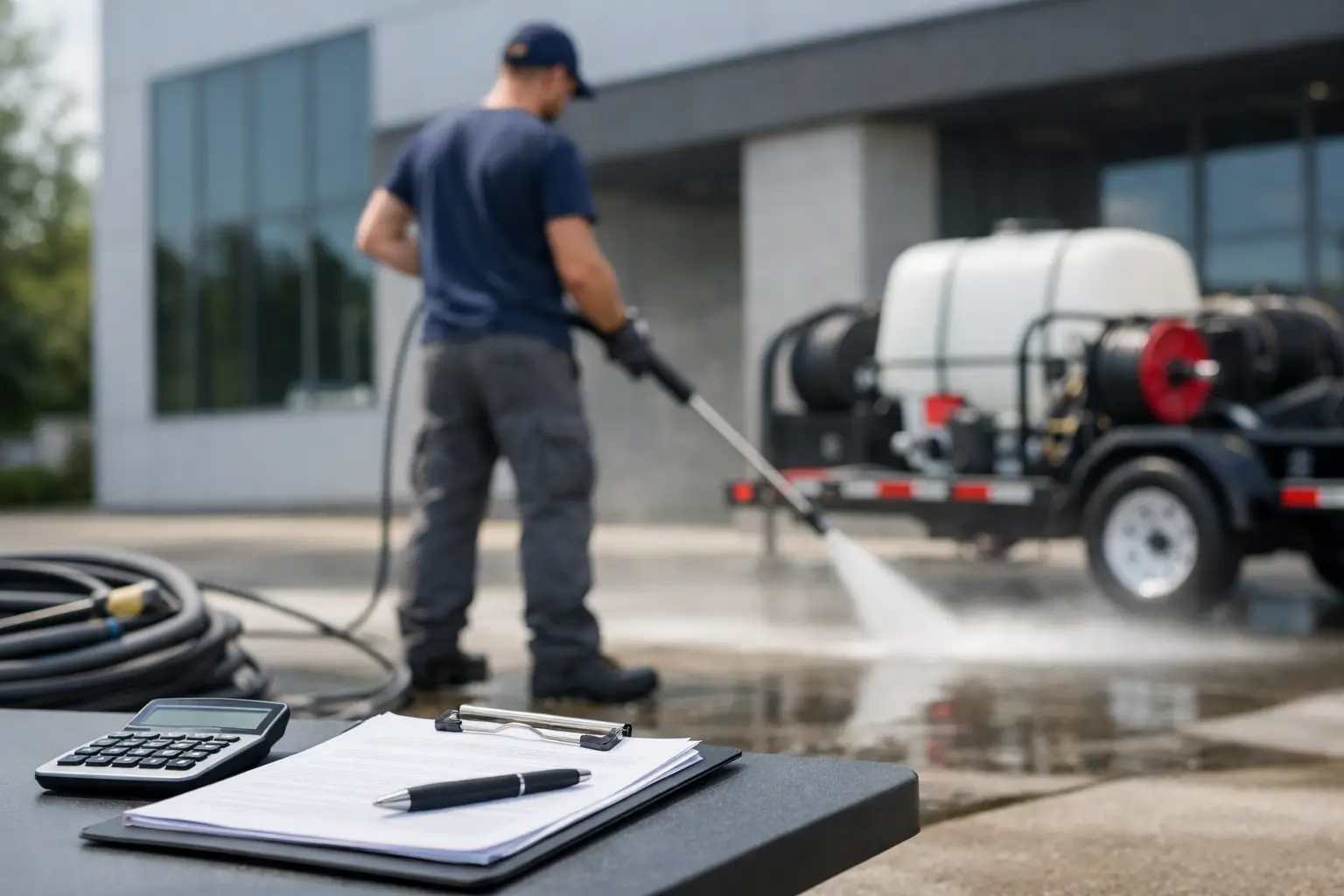
A parking lot with heavy oil staining, a grease-loaded dumpster pad, and a storefront that needs overnight access control should never be priced the same way. That is the core issue in how to bid commercial pressure washing jobs. Commercial work is not just about square footage. It is about production constraints, surface condition, water recovery requirements, risk exposure, access windows, and how reliably the work can be managed after the quote is approved.
For commercial properties, a low number is rarely the best number if it leads to missed service windows, incomplete cleaning, or avoidable callbacks. A disciplined bid has to protect the client’s operations and your margin at the same time. That means the estimate needs to reflect actual field conditions, the level of restoration required, and the administrative structure needed to execute the work consistently.
What matters most when bidding commercial pressure washing jobs
If you want to understand how to bid commercial pressure washing jobs correctly, start with scope definition. Commercial clients are usually not buying "pressure washing" in the abstract. They are buying a result tied to appearance, safety, compliance, and asset condition. The first task is to define exactly what is being cleaned, what standard of cleanliness is expected, and what limitations exist on the property.
A retail center walkway may need general soil removal and gum treatment. A loading dock may require degreasing around roll-up doors, bollards, and traffic lanes. A restaurant-adjacent dumpster enclosure may require hot water cleaning, odor reduction, and wastewater containment. Those are different scopes, and the pricing model should reflect that.
Square footage still matters, but it is only one input. In commercial estimating, surface type, contamination type, edge detail, obstructions, and recovery requirements often affect labor more than total area. A large, open concrete section can be faster to clean than a much smaller service area filled with tight corners, parked vehicles, and heavy buildup.
Start with a field-based scope, not a phone estimate
Commercial bids should be built from a site visit whenever possible. Photos help, satellite views help, and property data helps, but they do not replace field observation. Surface condition looks different at ground level. So do drainage patterns, security access issues, hose routing challenges, pedestrian traffic, and reclaim logistics.
During the walkthrough, document measurable quantities such as square footage, linear footage of curbs, number of dumpster pads, loading dock count, storefront count, and any areas requiring separate treatment. Then document operational conditions. Can the work be completed during business hours, or does it need to happen overnight? Is there a water source on site? Are there environmental restrictions tied to runoff? Will you need cones, barricades, lift access, or traffic control?
This is also where many underpriced bids begin. Contractors often see a dirty surface and price only the cleaning pass. They do not price setup time, hose deployment, reclaim staging, pre-treatment dwell time, post-rinse detail work, or the labor needed to work around active tenants. In commercial service, those support tasks are part of production.
Build the bid around production rates
The cleanest pricing method is usually labor-driven. Estimate how long the job will take under real site conditions, then apply your labor, equipment, overhead, and profit structure. That sounds straightforward, but the quality of the bid depends on using realistic production rates.
A flat concrete parking area with moderate soil may move quickly with a surface cleaner. A heavily stained dumpster pad with grease, bacteria, and runoff controls will move much slower. A storefront line may look simple, but if the crew has to detail around fixtures, signage bases, planters, and customer entry points, your hourly output drops.
Production rates should be based on your own field data whenever possible. If a two-person crew typically cleans a certain amount of open concrete per hour under moderate conditions, use that benchmark. Then reduce it when conditions become more complex. Grease, gum, rust, algae, restricted access, reclaim requirements, and after-hours scheduling all reduce speed.
This is where disciplined operators separate from guesswork estimators. Commercial pricing is strongest when it comes from repeatable operational data, not generic industry averages.
Include setup, breakdown, and non-cleaning labor
A commercial pressure washing bid should never price only active wand time. Crew arrival, staging, cone placement, water connection, chemical mixing, reclaim setup, final inspection, equipment breakdown, and photo documentation all consume labor hours. On multi-zone properties, repositioning between work areas can be significant too.
If the property manager expects detailed communication, appointment coordination, work orders, and service verification, that administrative effort also belongs in the bid structure. Professional service delivery is part of the product in commercial work.
Price the risk, not just the cleaning
Commercial properties carry more operational and liability exposure than small residential jobs. That has to show up in the bid. If the surface is near storefront entrances, loading operations, customer parking, or pedestrian pathways, the risk profile changes. If wastewater must be controlled, if the work must happen overnight, or if the property has zero tolerance for disruption, that changes pricing too.
The right question is not just, "How long will it take to wash this area?" It is, "What is required to perform this work without creating problems for the client?" Sometimes the answer includes extra labor for traffic control, a second technician for safety, higher-cost hot water equipment, environmental containment, or a phased cleaning plan.
That does not mean every bid should be padded. It means the bid should match the execution standard. Underpricing risk usually becomes expensive later, either through delays, rework, margin loss, or strained client relationships.
Know when to quote one-time restoration versus recurring maintenance
Many commercial clients ask for pricing on a dirty site that has been neglected for months or years. That first cleaning is often restoration-level work, not maintenance-level work. If you price it like a routine wash, the job can absorb far more labor and chemistry than expected.
A smart bid separates initial service from ongoing maintenance when appropriate. The first service may include deep stain treatment, gum removal, grease reduction, graffiti removal, or detail cleaning that resets the property. After that, monthly or quarterly service can be priced differently because the condition baseline has improved.
This matters for both sides. The client gets a more accurate picture of what it takes to bring the site up to standard and what it costs to keep it there. You avoid forcing restoration labor into a maintenance price.
Present options when the property condition varies
Not every client needs the same level of service. On some sites, a full restoration scope is justified. On others, the immediate need is high-visibility improvement in key customer-facing zones. If budget sensitivity is real, present phased options instead of reducing your standards without explanation.
For example, you might quote storefronts and front walkways as a priority scope, then price dumpster pads, loading zones, or rear service corridors separately. That gives the client control without forcing the estimator into a weak number.
Make the proposal specific enough to prevent scope drift
A commercial proposal should clearly define included areas, cleaning methods where relevant, scheduling assumptions, water or utility requirements, and exclusions. Ambiguity causes disputes. If gum removal, oil spot treatment, rust treatment, or wastewater recovery are included, say so. If they are not, say that too.
This protects both the contractor and the property stakeholder. A facility manager reviewing multiple bids needs to know whether they are comparing equivalent scopes. One low bid may exclude reclaim, detailed treatment, or overnight labor. Another may include all of it. Without clear scope language, the numbers are misleading.
Precision also communicates professionalism. Companies like Einstein Surface & Environmental Services build trust by treating estimating as part of a larger service management system, not as a rough number written on the hood of a truck.
Common mistakes that weaken commercial bids
Most bad commercial bids fail in one of three ways. They underestimate site complexity, they ignore operational constraints, or they treat commercial work like residential work with a larger invoice.
Commercial accounts expect consistency, documentation, and reliable scheduling. If the bid does not account for those expectations, margin erosion follows. Another common mistake is pricing purely to win the job, then trying to fix the economics later. That approach rarely works with sophisticated property clients. They remember surprises, missed expectations, and service instability.
A better approach is to explain the scope clearly, price it with discipline, and give the client a service plan they can trust. Serious commercial buyers are not just comparing numbers. They are comparing risk, responsiveness, and execution capability.
If you are refining how to bid commercial pressure washing jobs, think like an operator, not just a salesperson. Price the real field conditions, define the service standard, and leave room to execute professionally. A strong bid does more than win work. It sets the job up to run right.