
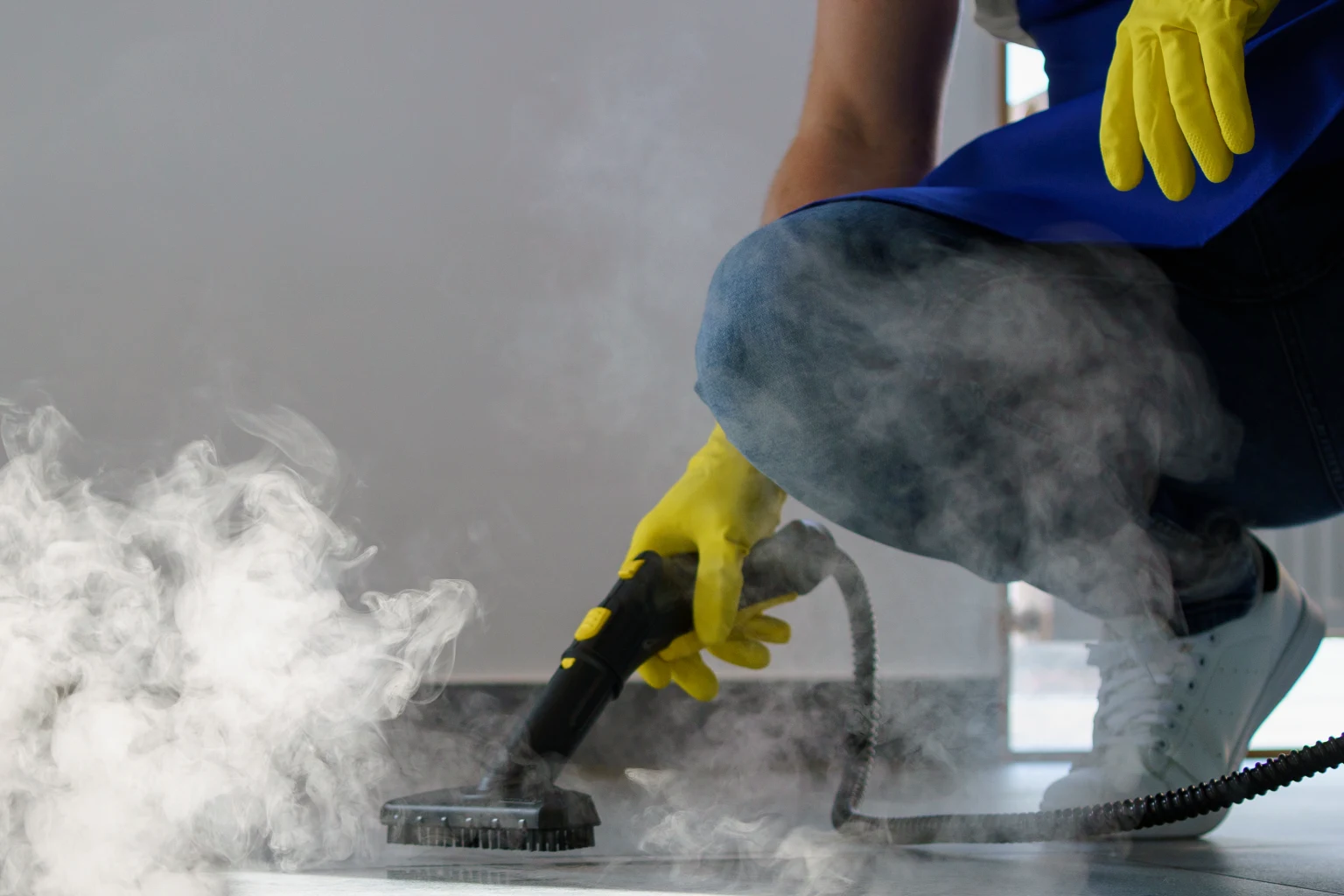


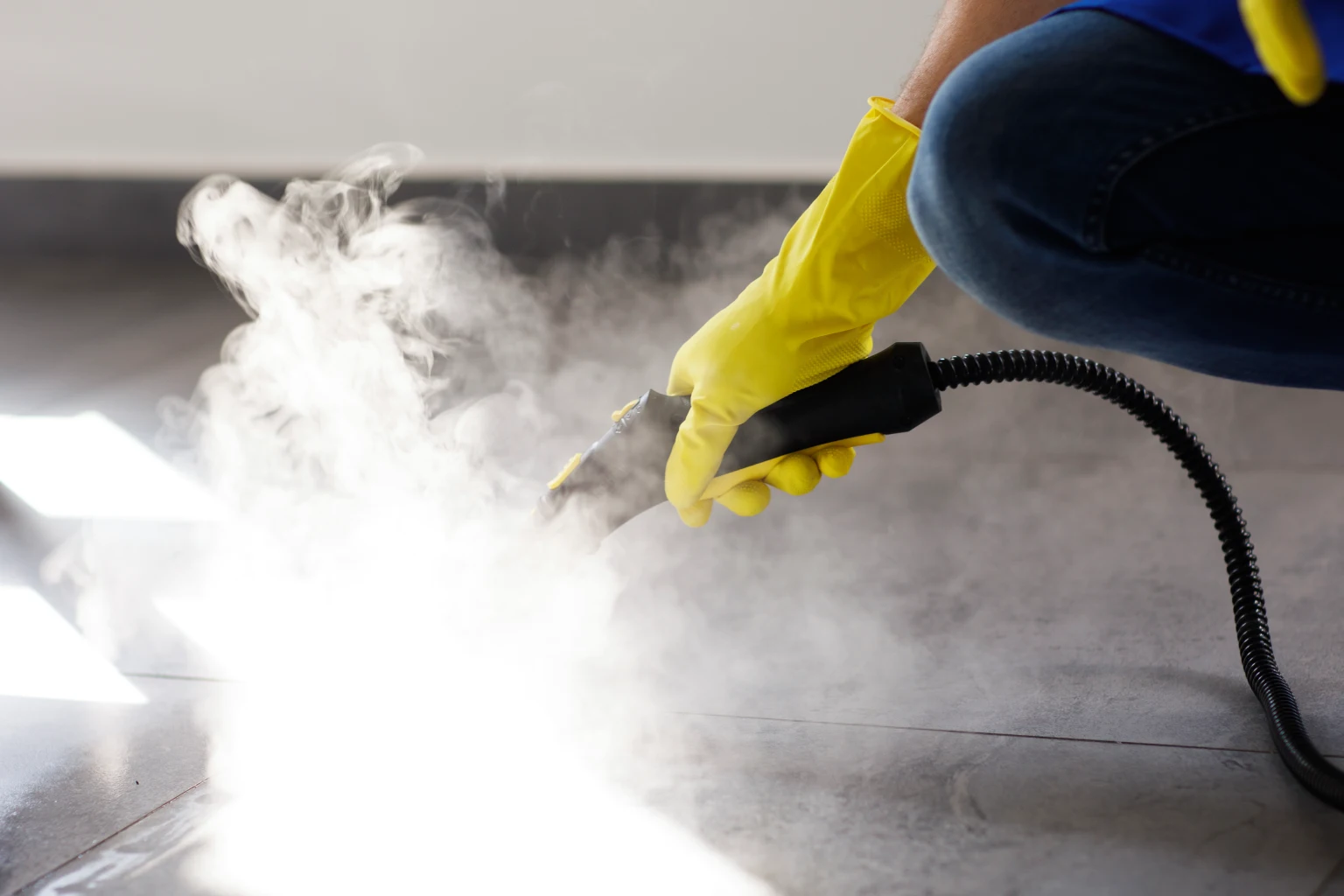








A fresh tag on a storefront wall can turn into a property management problem before the morning foot traffic even starts. Graffiti removal services are not just about appearance. For commercial sites, they are part of brand protection, surface preservation, tenant satisfaction, and response control.
On a retail center, warehouse, loading area, parking structure, or street-facing office property, graffiti creates a visible signal that maintenance standards may be slipping. That signal matters. Customers notice it. Tenants notice it. Ownership notices it. In some cases, repeated graffiti can also attract more vandalism if the site appears slow to respond.
What graffiti removal services actually solve
At the commercial level, graffiti removal is rarely a one-step cleaning issue. The visible mark is the immediate problem, but the larger issue is how quickly the property can be restored without damaging the underlying surface or disrupting site operations.
Different surfaces react differently to paints, inks, and aggressive cleaning methods. A painted CMU wall, sealed concrete, split-face block, stucco façade, metal roll-up door, and glass storefront each require a different approach. If the removal process is too aggressive, the result may be ghosting, shadowing, coating failure, etching, or uneven coloration that becomes its own repair issue.
That is why commercial graffiti removal services need to be process-driven. The goal is not simply to remove visible markings. The goal is to restore the affected area as closely as possible to a uniform, professional finish while controlling risk to the substrate.
Why response time matters on commercial properties
Graffiti is one of the few exterior issues that can change how a property is perceived overnight. Oil stains, weathering, and general dirt build gradually. Graffiti feels sudden and public. That changes the urgency.
For high-visibility properties, a delayed response can affect customer confidence and tenant experience. Retail operators are especially sensitive to this because storefront condition directly influences walk-in traffic and brand presentation. Industrial and logistics sites may be less customer-facing, but graffiti on perimeter walls, dock areas, and entry points still reflects on site control and maintenance discipline.
There is also a practical reason to act quickly. Fresh graffiti is often easier to remove than markings that have had time to cure, penetrate porous surfaces, or bake into substrates under Texas heat. Early response can improve removal results and reduce the likelihood of permanent staining.
Graffiti removal services by surface type
No serious commercial provider should treat all graffiti the same. Surface identification is the starting point because cleaning chemistry, pressure, dwell time, and temperature all need to match the material.
Concrete and masonry
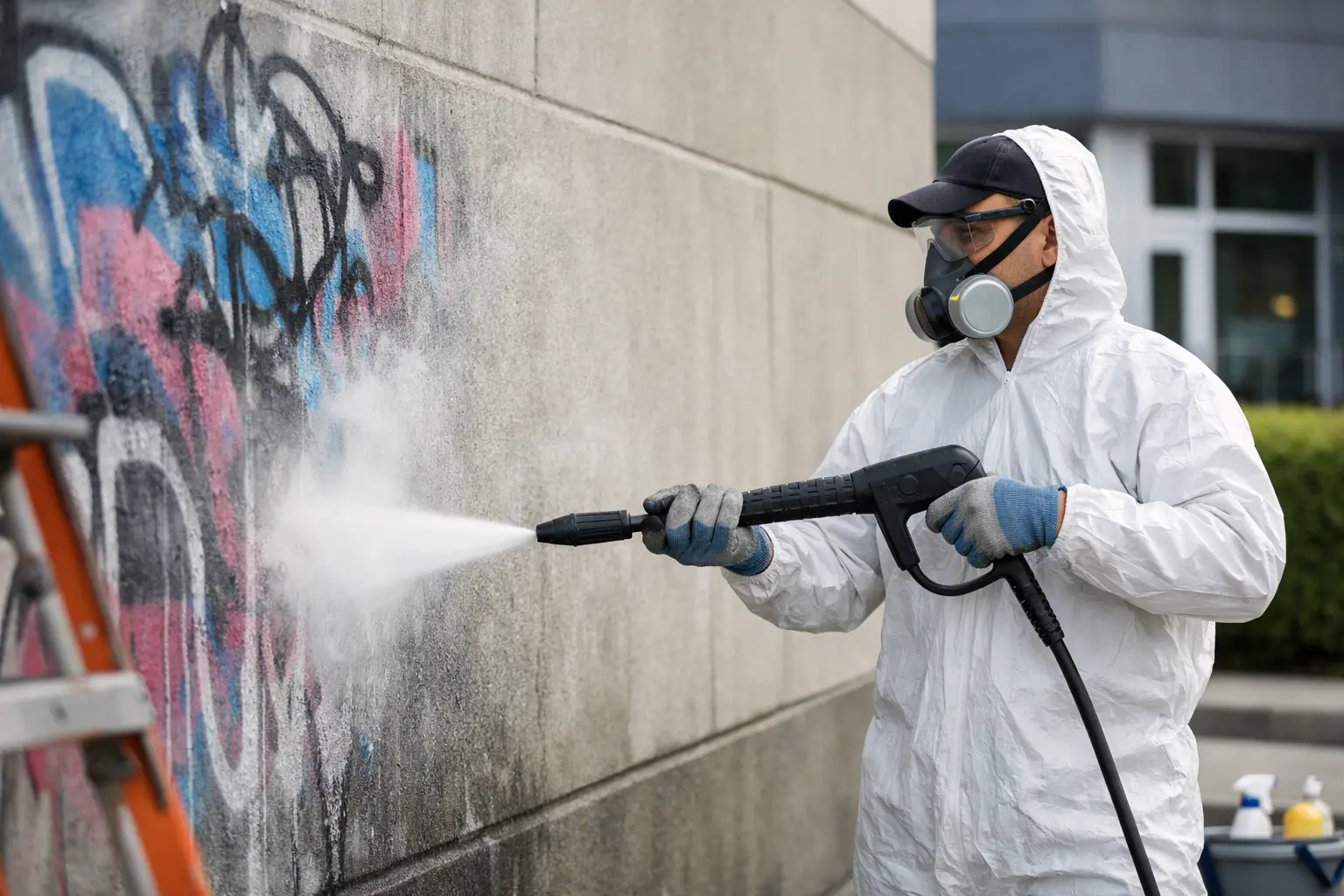
Concrete block, cast-in-place concrete, brick, and other porous masonry surfaces are among the most difficult categories. Paint and ink can migrate below the surface, especially on older or unsealed materials. Removal may require specialty chemistry, controlled pressure washing, and repeated treatment cycles. Even then, full restoration depends on how deep the material penetrated and whether the surface had prior coatings or sealers.
Painted surfaces
Painted walls, doors, and architectural features create a different challenge. The graffiti may release before the base coating does, or the opposite may happen. An overly aggressive method can strip the original finish and leave a larger visual defect than the tag itself. In these cases, experienced assessment matters. Sometimes removal is the right path. Sometimes controlled cleaning followed by repaint coordination is the more efficient option.
Metal, glass, and finished panels
Metal storefront components, service doors, and finished exterior panels usually allow for cleaner removal if the coating is intact and the graffiti has not been left in place too long. Glass can often be restored successfully, but scratching risk has to be managed carefully, especially where improper scraping methods have been used before.
The operational difference between a contractor and a managed service
Commercial clients usually do not need a one-time cleaner. They need a response system. That distinction matters most for multi-tenant properties, retail portfolios, industrial campuses, and high-traffic locations where exterior issues recur.
A managed approach to graffiti removal services includes scheduling discipline, documented scopes, site communication, work order tracking, and clear service records. That structure helps property teams move faster internally because they are not restarting the vendor coordination process every time a new incident appears.
For multi-site operators, this becomes even more valuable. Standardized response procedures, centralized communication, and account-level visibility reduce administrative friction. Instead of managing graffiti as a series of isolated vendor calls, it becomes part of a repeatable exterior maintenance program.
That is where companies like Einstein Surface & Environmental Services fit differently than a basic pressure washing provider. The field execution matters, but so does the system behind it.
What to expect from a commercial graffiti removal process
A professional process starts with site and surface evaluation. The provider should identify the substrate, estimate the type of marking involved, and determine whether the area can likely be restored through cleaning alone or whether touch-up or recoating may be needed.
From there, the cleaning method should be selected based on surface sensitivity and visibility requirements. High-profile areas usually require a more controlled restoration standard than back-of-house walls. The acceptable result is not always identical across every property zone, and experienced providers know how to align effort with operational priorities.
Execution should also account for pedestrian movement, tenant access, nearby vehicles, drainage, and environmental controls. On active commercial properties, graffiti removal cannot create a second problem through overspray, runoff, blocked entries, or after-hours coordination failures.
After service, documentation is useful for both property records and recurring issue management. If the same areas are repeatedly targeted, that pattern may influence lighting decisions, surveillance placement, coating strategies, or inspection frequency.
When anti-graffiti coatings make sense
Not every property needs a coating program, but some do. Sites with repeat incidents, vulnerable perimeter walls, alley-facing service areas, and exposed public frontage may benefit from protective coatings that simplify future cleanup.
The trade-off is cost and compatibility. Some coatings slightly alter surface appearance, and not every material benefits equally. On the right surface, however, they can reduce labor intensity during future removal and improve restoration consistency. For properties that deal with recurring vandalism, that can make long-term maintenance more predictable.
This is another area where a one-size-fits-all answer does not work. A coating strategy should be tied to incident history, surface type, and the visual standard expected for the property.
Choosing graffiti removal services for a portfolio, not just a single incident
If you manage more than one location, vendor selection should go beyond whether one wall can be cleaned this week. You need to know whether the provider can support ongoing service across different property types, communicate clearly with site contacts, and maintain consistency over time.
Look for operational maturity. That includes estimating accuracy, appointment confirmation, work order management, service documentation, and a process for handling recurring requests. For property managers and facility teams, administrative reliability is not a side benefit. It is part of the service.
Field capability matters just as much. The provider should understand porous versus non-porous surfaces, know when pressure helps and when it hurts, and recognize when removal attempts are likely to create shadowing or coating damage. The best outcome is often driven by judgment, not just equipment.
Graffiti removal as part of exterior standards
Graffiti rarely appears in isolation. Properties dealing with tagging are often managing other exterior presentation issues at the same time, including stained concrete, dirty dumpster pads, neglected loading zones, or high-traffic buildup around storefronts. Treating graffiti as part of a broader exterior maintenance standard usually produces better results than treating it as a standalone emergency every time.
That broader view helps with budgeting, scheduling, and site appearance consistency. It also supports tenant retention and customer perception in a more measurable way. A clean property does not guarantee better operations, but a neglected exterior almost always sends the wrong message.
For commercial properties, graffiti removal services are ultimately about control. Control of appearance, control of response time, control of surface impact, and control of how the property is experienced by the people who use it every day. When that control is backed by disciplined execution and a reliable service system, the result is not just a cleaner wall. It is a property that looks actively managed.