

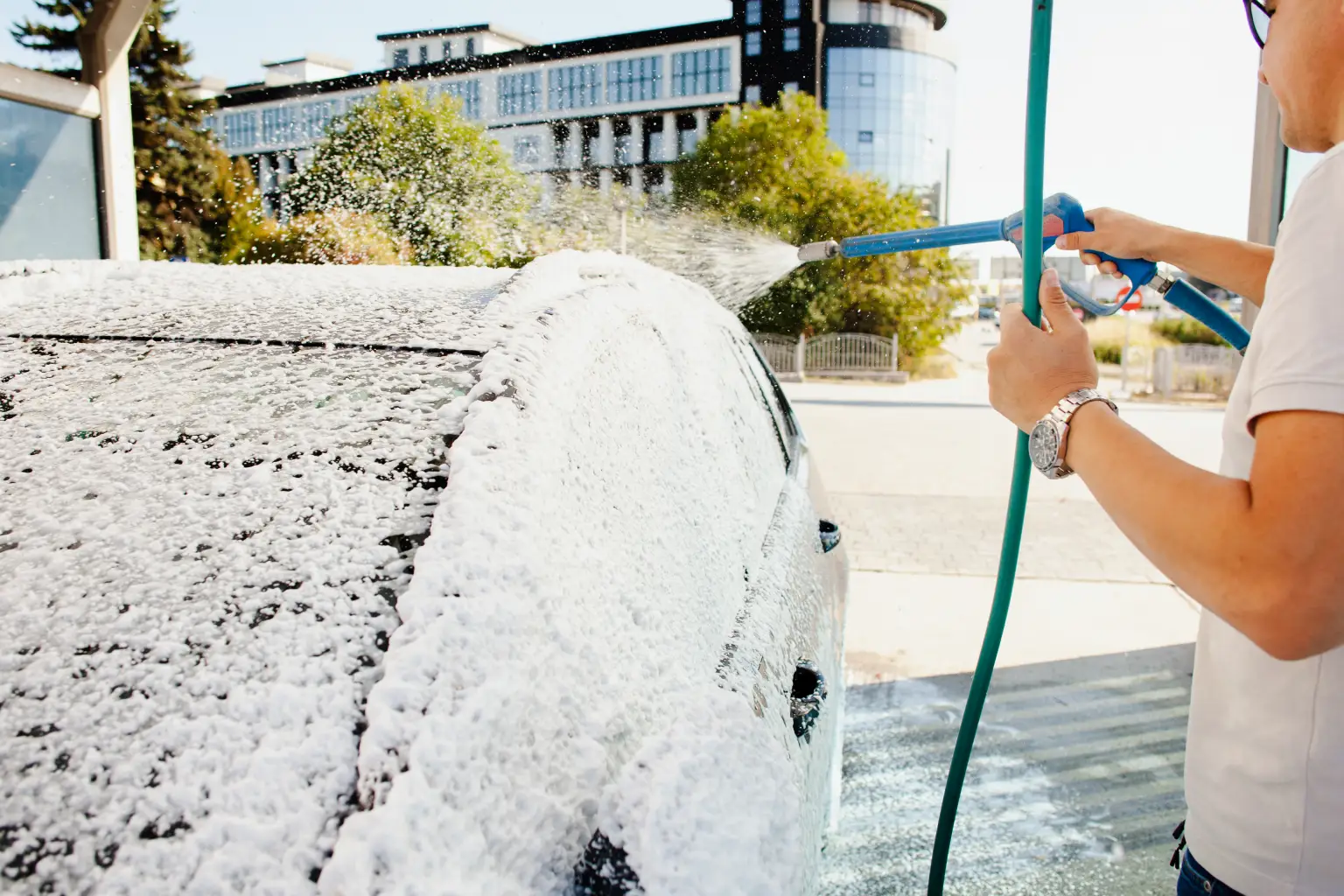


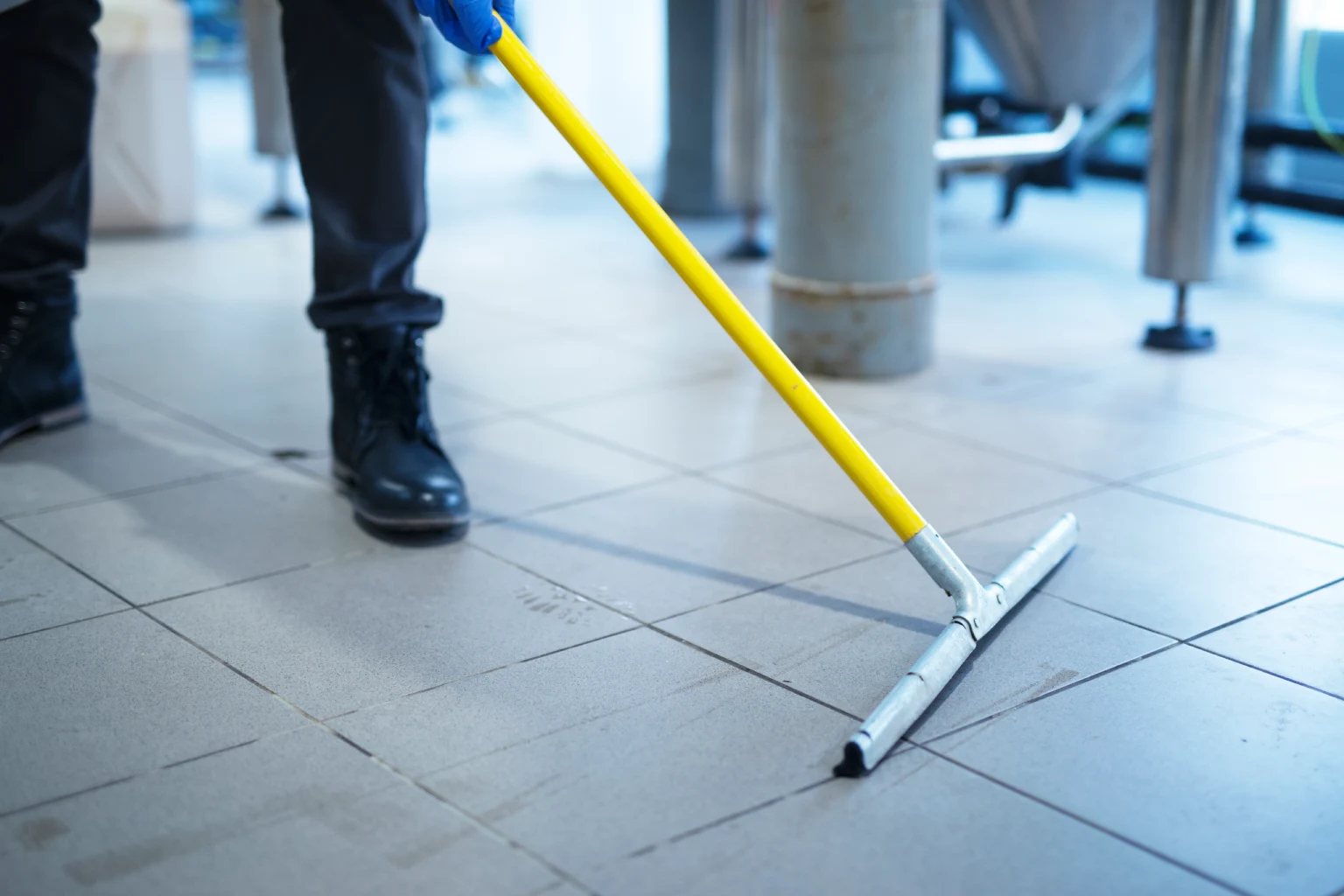

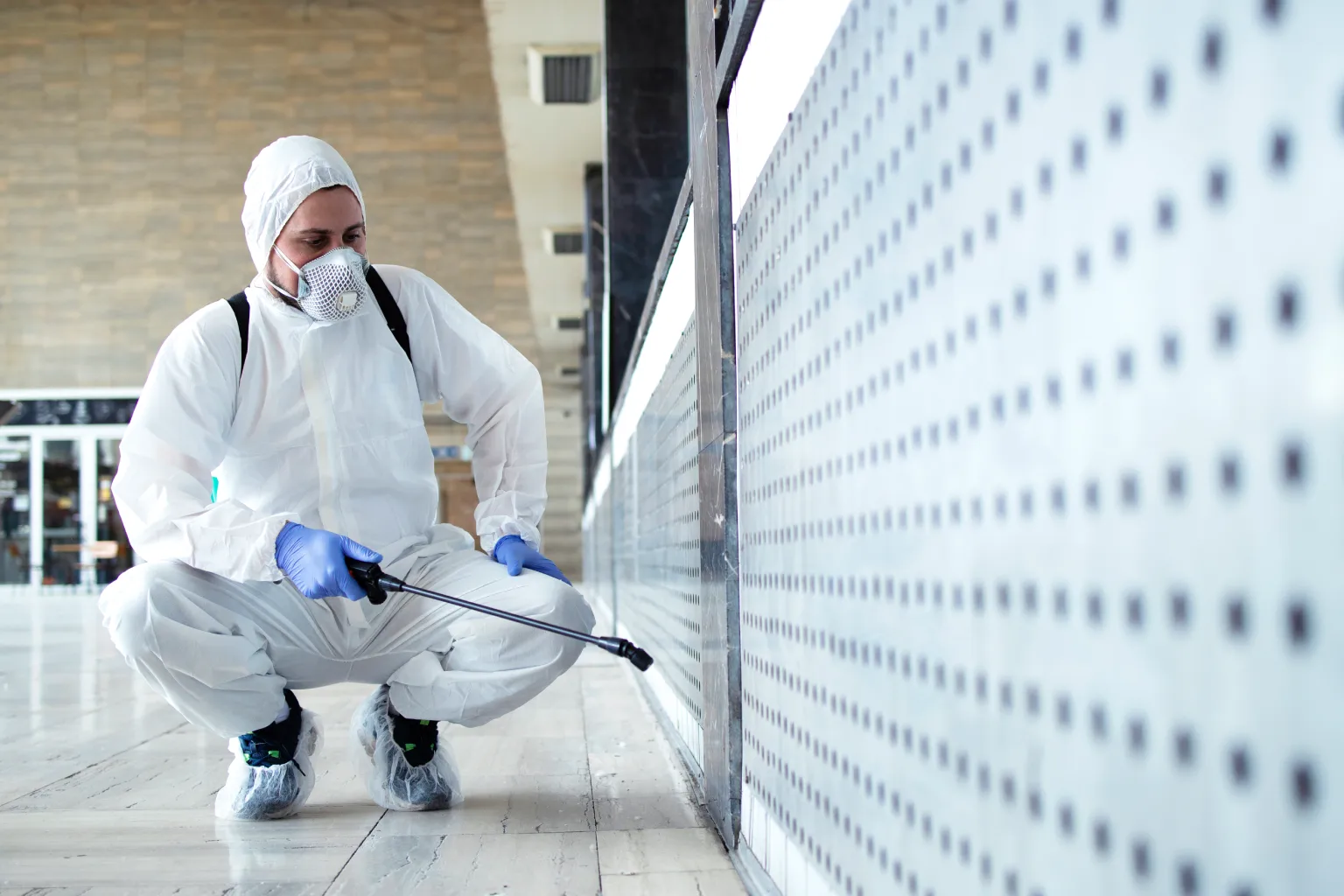


A stained concrete entrance, dark tire marks in a service lane, and grease buildup around a loading area do more than look neglected. They signal deferred maintenance, create avoidable slip risk, and pull attention away from the condition of the property itself. When people search for concrete floor cleaning services near me, they are usually not looking for a basic wash. They are trying to solve an operational problem without creating a new one.
For commercial and industrial properties, concrete cleaning is rarely a one-size-fits-all task. The right approach depends on traffic volume, staining type, drainage conditions, surface age, and how the area is used day to day. A retail storefront entry has different cleaning demands than a dumpster pad, warehouse threshold, service corridor, or loading dock apron. That is why vendor selection matters just as much as the cleaning equipment.
What commercial clients really need from concrete floor cleaning services near me
Most commercial stakeholders are not buying a single cleaning event. They are buying consistency, documentation, and reduced operational friction. A clean concrete surface matters, but so does how the vendor schedules the work, manages site access, handles runoff considerations, and communicates before and after service.
That distinction is where many providers separate quickly. Some contractors offer surface-level results with limited process control. They may have pressure washing equipment, but not a structured service model. For a property manager overseeing multiple locations or a facility supervisor coordinating vendor activity around tenants, delivery discipline is not optional.
Professional concrete floor cleaning for commercial properties should support appearance, safety, and maintenance planning at the same time. If the cleaning improves curb appeal but creates scheduling confusion, service interruptions, or inconsistent results between visits, it is not a complete solution.
Not all concrete cleaning methods are interchangeable
Concrete is durable, but it is still a porous surface with variable wear patterns. Oil, rust, gum, organic staining, tire residue, food waste, and general traffic soils do not respond the same way. The cleaning process needs to match the surface condition and the site environment.
High-pressure cleaning is only one part of the job
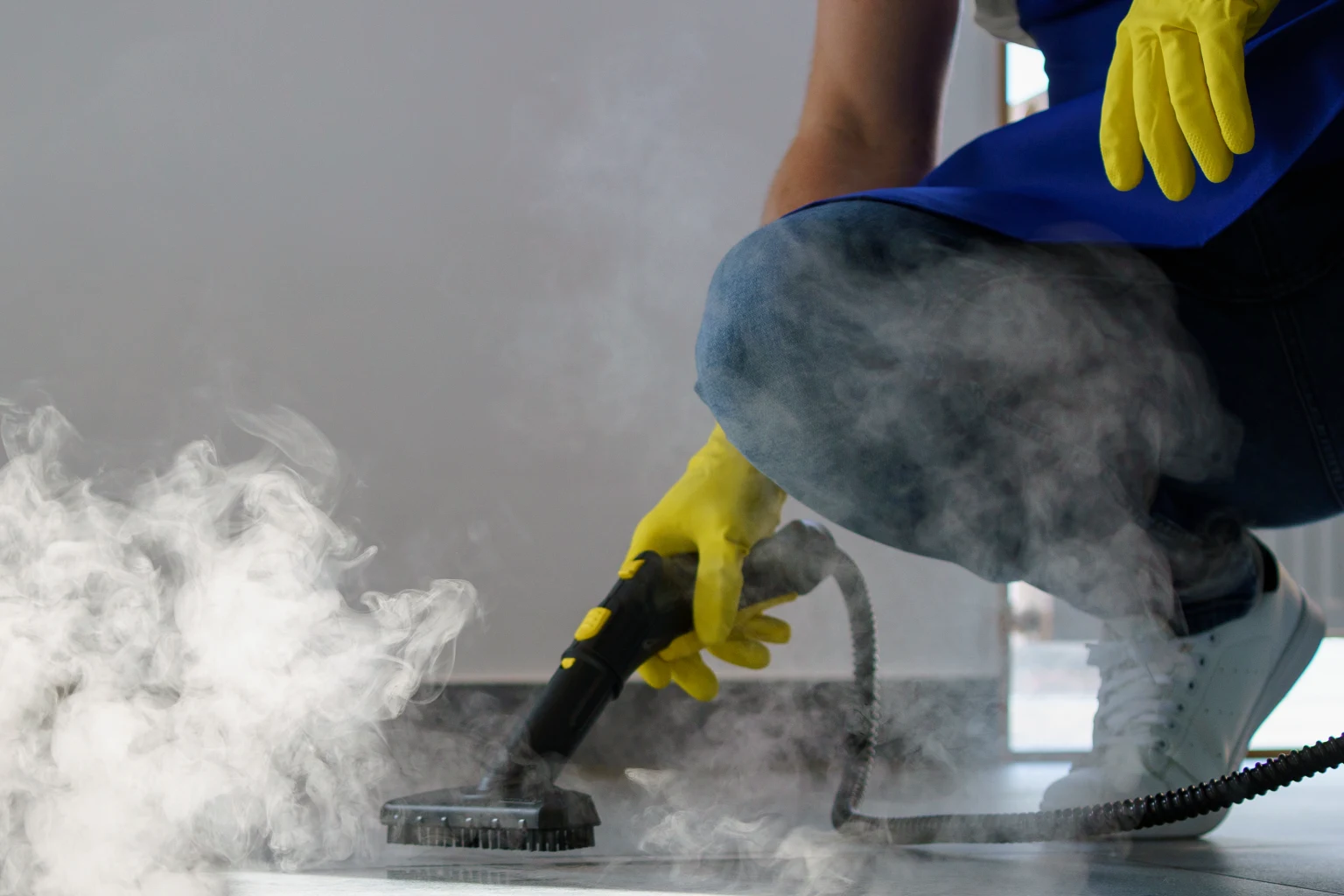
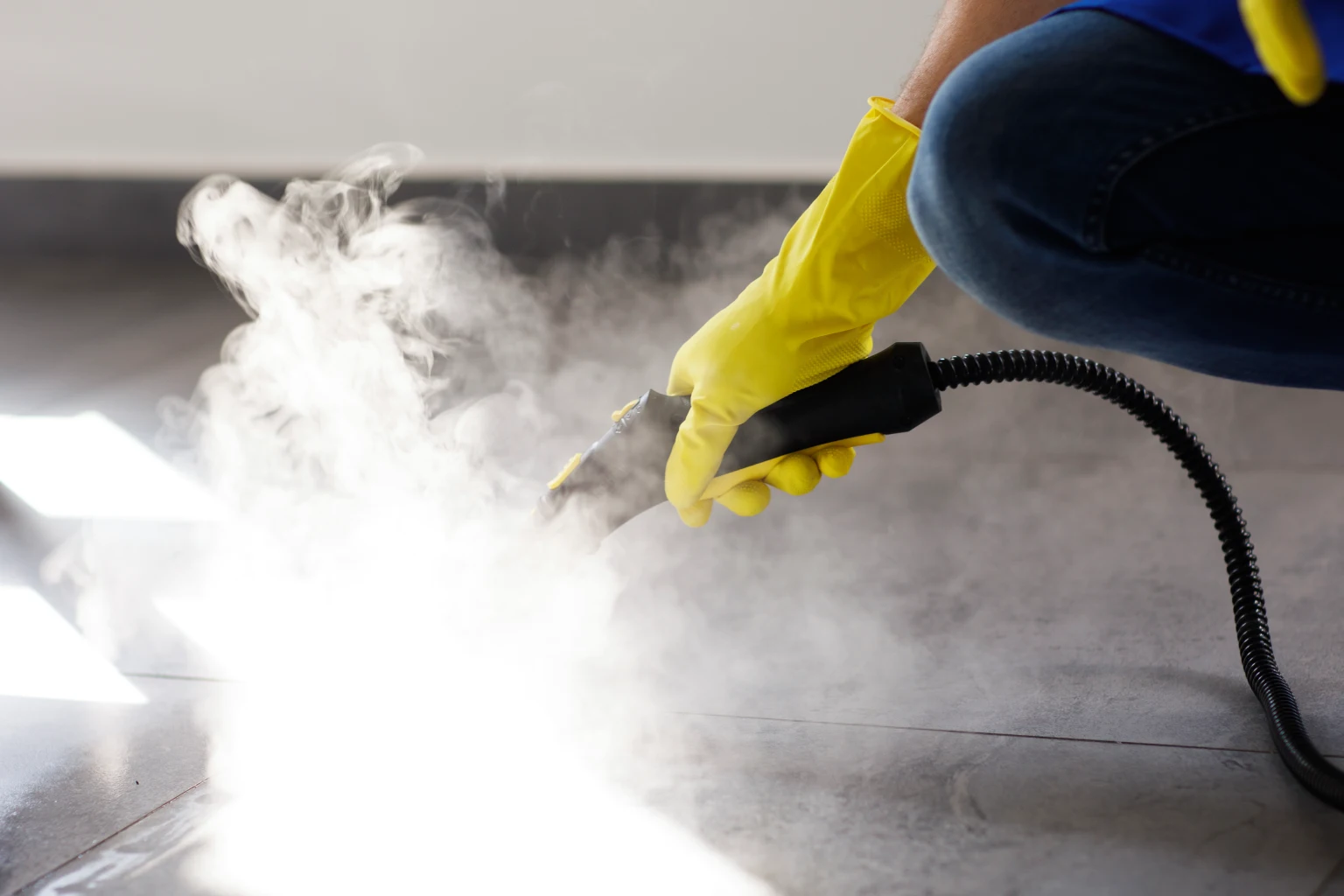
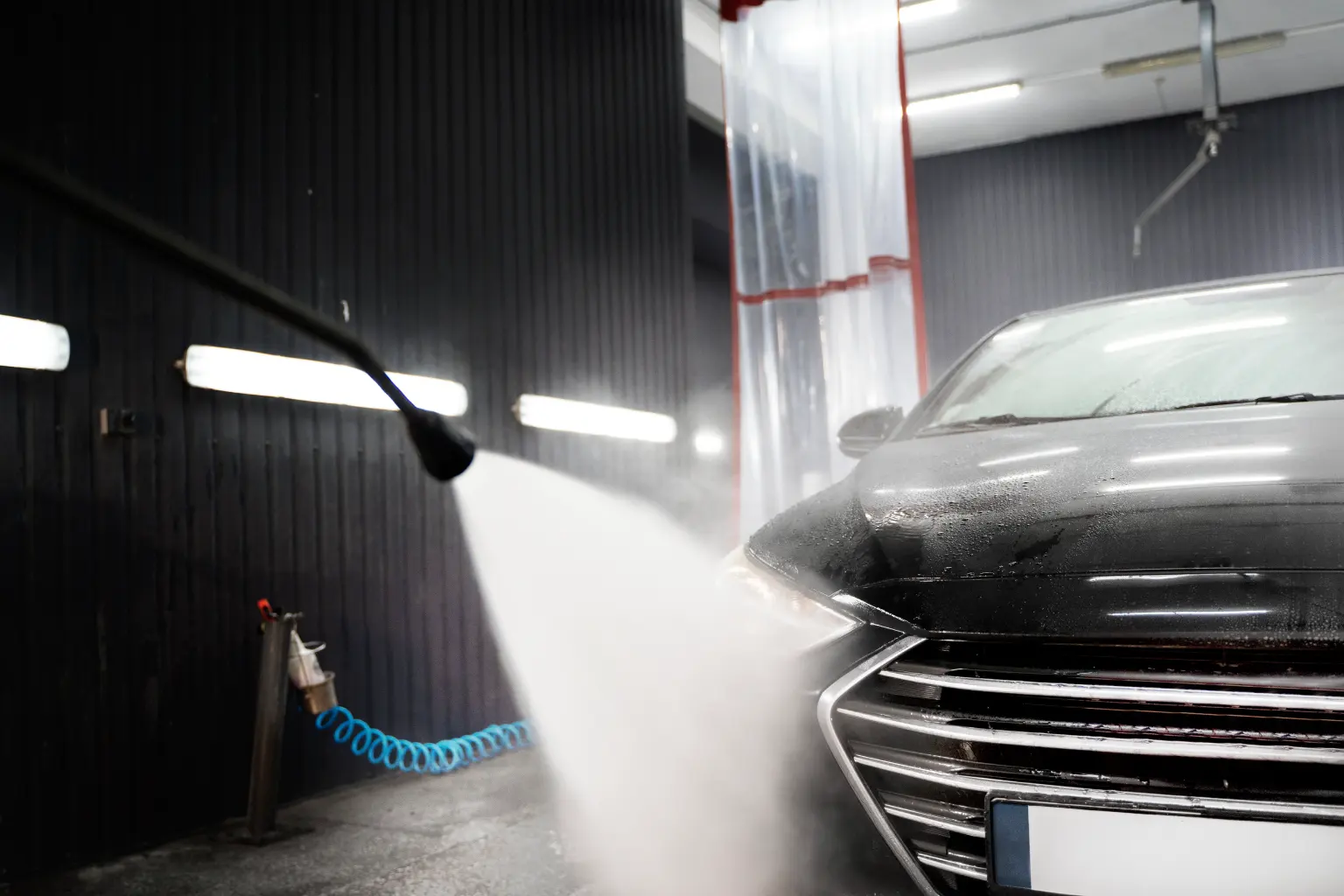
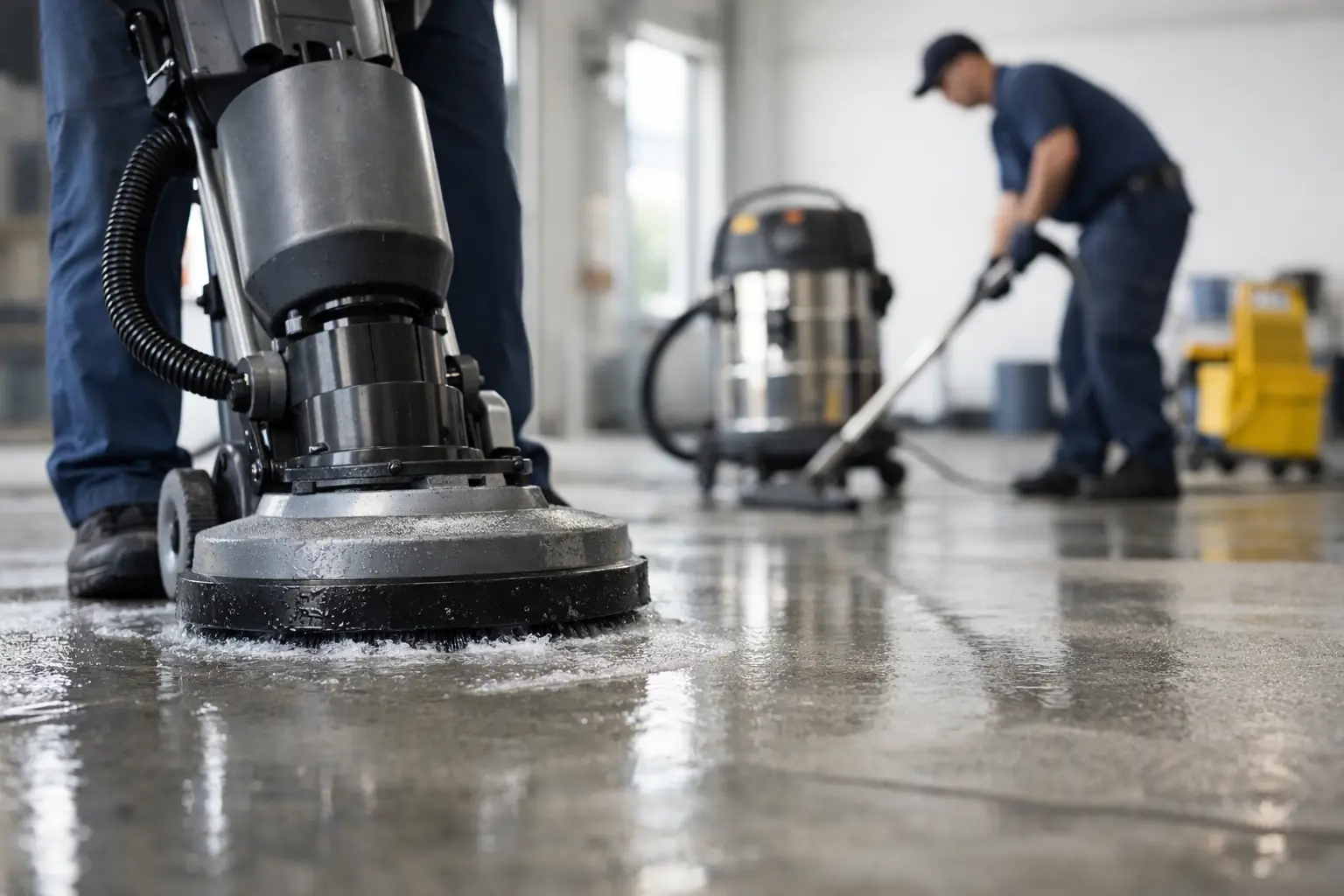
Pressure is useful, but pressure alone is not a strategy. On some sites, effective cleaning requires heat, surface-specific detergents, rotary surface cleaning, stain treatment, and wastewater control. On others, aggressive pressure can create problems by etching the surface, forcing contaminants deeper into pores, or splashing debris into surrounding areas.
A disciplined provider evaluates the concrete rather than defaulting to the same setup on every property. That is especially important for customer-facing retail spaces, food service zones, service alleys, and industrial areas where buildup can be heavy and recurring.
Frequency matters as much as technique
Some concrete surfaces need restoration-style cleaning after long neglect. Others benefit more from ongoing maintenance intervals that prevent buildup from becoming embedded. There is a practical trade-off here. A one-time intensive cleaning can improve appearance significantly, but if the site has heavy traffic or repeat contamination, the result will not hold without a maintenance plan.
For multi-tenant retail centers, loading zones, and high-visibility storefronts, scheduled service often produces better long-term value than waiting until staining becomes severe.
What to expect from a serious commercial provider
When evaluating concrete floor cleaning services near me, commercial buyers should look beyond the promise of cleaner concrete. The better question is whether the provider operates like a managed service partner or a task-based contractor.
A serious provider should be able to define scope clearly, identify surface conditions, explain the cleaning method, and set realistic expectations about stain removal. Not every stain will lift completely, especially if contamination has penetrated aged or damaged concrete. A credible contractor will say that directly instead of overpromising.
Communication standards also matter. Confirmed scheduling, documented work orders, service records, and clear post-service reporting become increasingly important as the property count increases. This is particularly true for regional portfolios, commercial campuses, and operators managing multiple vendors across different locations.
Providers with a structured management system tend to perform better in those environments because execution and administration are aligned. That means less guesswork, fewer missed details, and easier oversight for the client.
Areas where concrete cleaning has the biggest operational impact
Concrete cleaning is often treated as a cosmetic service until a property starts losing control of key exterior zones. In practice, the most important areas are usually the ones tied to traffic, waste, deliveries, and public visibility.
Storefront entries and walkways
These areas shape first impression immediately. They also collect gum, beverage spills, dirt tracking, mildew, and darkened traffic lanes. If the property serves customers, tenants, or visitors, neglected concrete at the entrance sends the wrong message before anyone reaches the door.
Loading docks and service corridors
These spaces take sustained abuse from forklifts, pallet jacks, deliveries, fluid leaks, and repeated impact. Cleaning here is less about appearance alone and more about maintaining a controlled, functional service environment. Built-up residue can affect traction and make a heavily used area harder to manage.
Dumpster pads and waste enclosures
This is one of the highest-risk categories for odor, staining, grease, and organic buildup. It often requires a more specialized process than general flatwork cleaning. If a vendor treats it like a routine rinse, the result usually fades fast.
Parking areas and approach lanes
Traffic patterns create visible staining over time, especially near entrances, curbs, pickup points, and service edges. These areas influence customer perception and can make an otherwise well-managed property look inconsistent.
How to compare local providers without wasting time
The fastest way to narrow the field is to look for commercial fit. Residential pressure washing experience does not automatically translate to commercial concrete cleaning. The scale, access requirements, documentation needs, and service consistency are different.
Ask how the provider handles site assessments, recurring scheduling, multi-location service, and communication. Ask what types of commercial concrete they clean most often. Ask whether they have experience with retail centers, industrial sites, loading zones, or high-traffic exterior surfaces. The answers should sound operational, not improvised.
It also helps to evaluate how they discuss results. Concrete cleaning is highly effective, but there are limits based on age, porosity, prior neglect, and stain chemistry. A professional contractor will distinguish between soil removal, stain reduction, and full restoration potential.
If your sites need repeat service, account structure matters too. Einstein Surface & Environmental Services, for example, is built around managed commercial delivery rather than one-off residential-style dispatch. That difference is meaningful when scheduling, reporting, and account consistency are part of the buying decision.
Signs the property needs scheduled concrete cleaning
Some sites call for immediate corrective service. Others show a slower pattern of deterioration that is easy to ignore until it becomes visible to customers, tenants, or ownership groups. Darkened walking paths, persistent spill marks, algae growth in shaded areas, odor near waste zones, and recurring grime around service entries are all indicators that routine cleaning is overdue.
Another sign is when spot cleaning stops working. If maintenance staff are repeatedly addressing the same problem areas with limited improvement, the issue may require industrial-grade equipment and a proper cleaning process rather than more in-house labor.
There is also a brand control issue. For commercial properties, concrete condition affects how the entire site is perceived. Well-maintained buildings can still look unmanaged if the flatwork is stained and uneven in appearance.
The value of a managed service approach
Commercial clients often need more than clean surfaces. They need predictable vendor behavior. That includes estimates that reflect actual scope, appointment confirmation, work orders that match the site, and reporting that supports internal accountability.
This is where service management becomes part of cleaning quality. A provider with strong field capability but weak administration can still create friction for the client. On the other hand, a provider with both industrial-grade execution and organized account management is easier to scale across locations and easier to trust over time.
That matters in Texas markets where weather, traffic, and site conditions can change quickly. A dependable cleaning partner should be able to adapt service timing, maintain standards across properties, and keep communication clear from estimate through completion.
If you are evaluating concrete floor cleaning services near me, the right choice is usually the company that treats concrete cleaning as part of a broader property maintenance system, not a standalone spray-and-go task. Clean concrete should look better, perform better, and be easier to maintain after the work is done. That is the standard worth hiring for.