
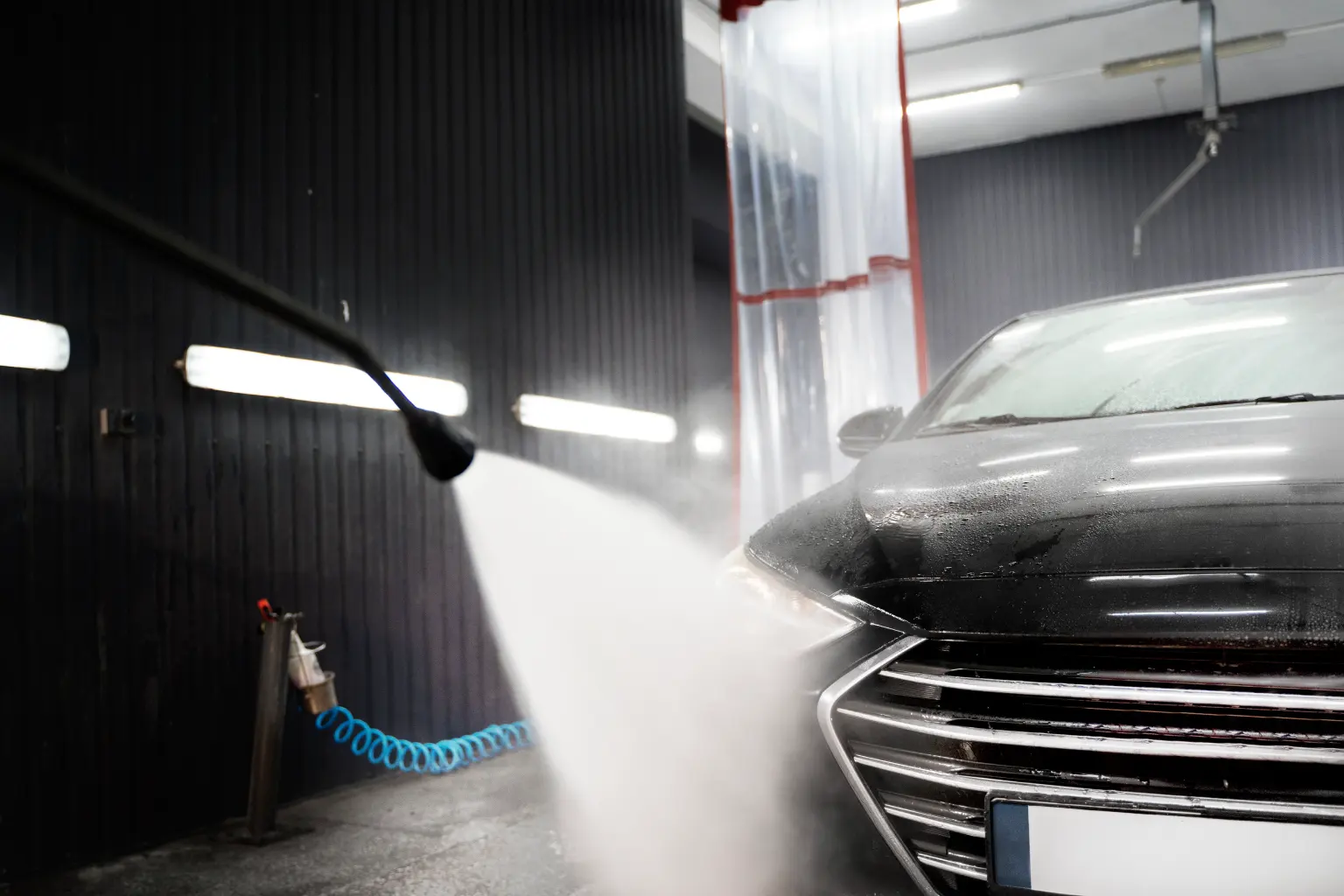
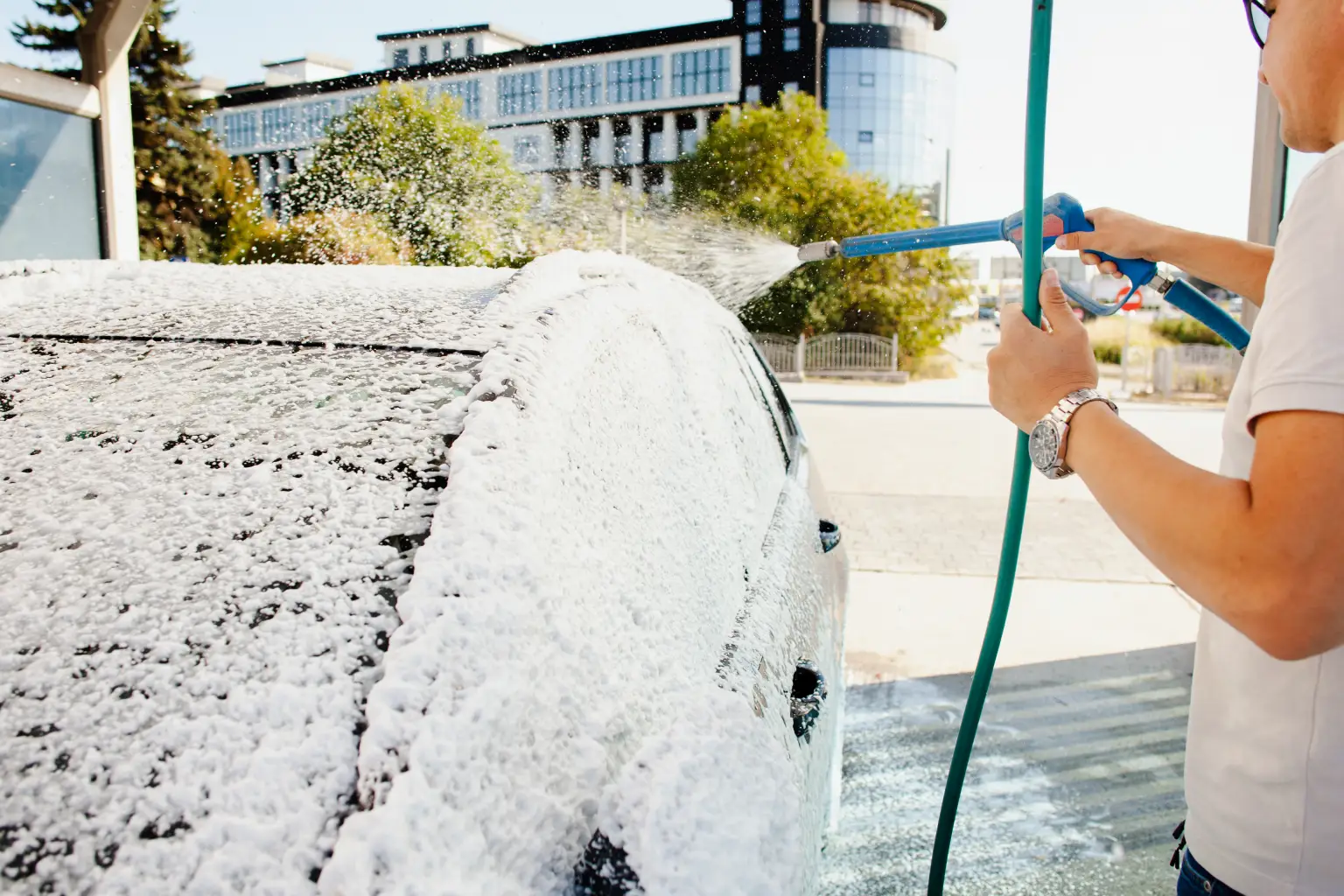


A stained entry walk, darkened loading area, or grease-marked service lane says more about a property than most operators want it to. For commercial sites, concrete cleaning services are not cosmetic extras. They are part of site presentation, risk control, and routine facility management.
Concrete carries the daily load of a property. It absorbs foot traffic, vehicle traffic, spills, organic growth, and weather exposure without much forgiveness. Once oil, rust, gum, food waste, tire marks, and runoff staining set in, the surface starts to look neglected even when the building itself is well maintained. That gap matters for retail centers, industrial facilities, office properties, restaurants, and multi-tenant commercial sites where exterior condition affects perception and operations.
What concrete cleaning services actually solve
Commercial concrete cleaning is not one task. It is a surface-specific maintenance function built around the kind of staining, traffic, and environmental exposure a property deals with every day. Sidewalks collect gum, drink spills, dirt loading, and mildew. Dumpster pads accumulate grease, organic waste, and bacteria-heavy residue. Loading docks pick up tire transfer, hydraulic fluid, pallet debris, and dark traffic patterns. Parking areas develop oil staining, sediment buildup, and runoff marks that make a site look older than it is.
A serious service approach starts by identifying the surface, the contaminant, and the cleaning objective. Some jobs are appearance-driven. Others are centered on sanitation, slip reduction, or restoring a safer walking and working surface. In many cases, the goal is all of the above.
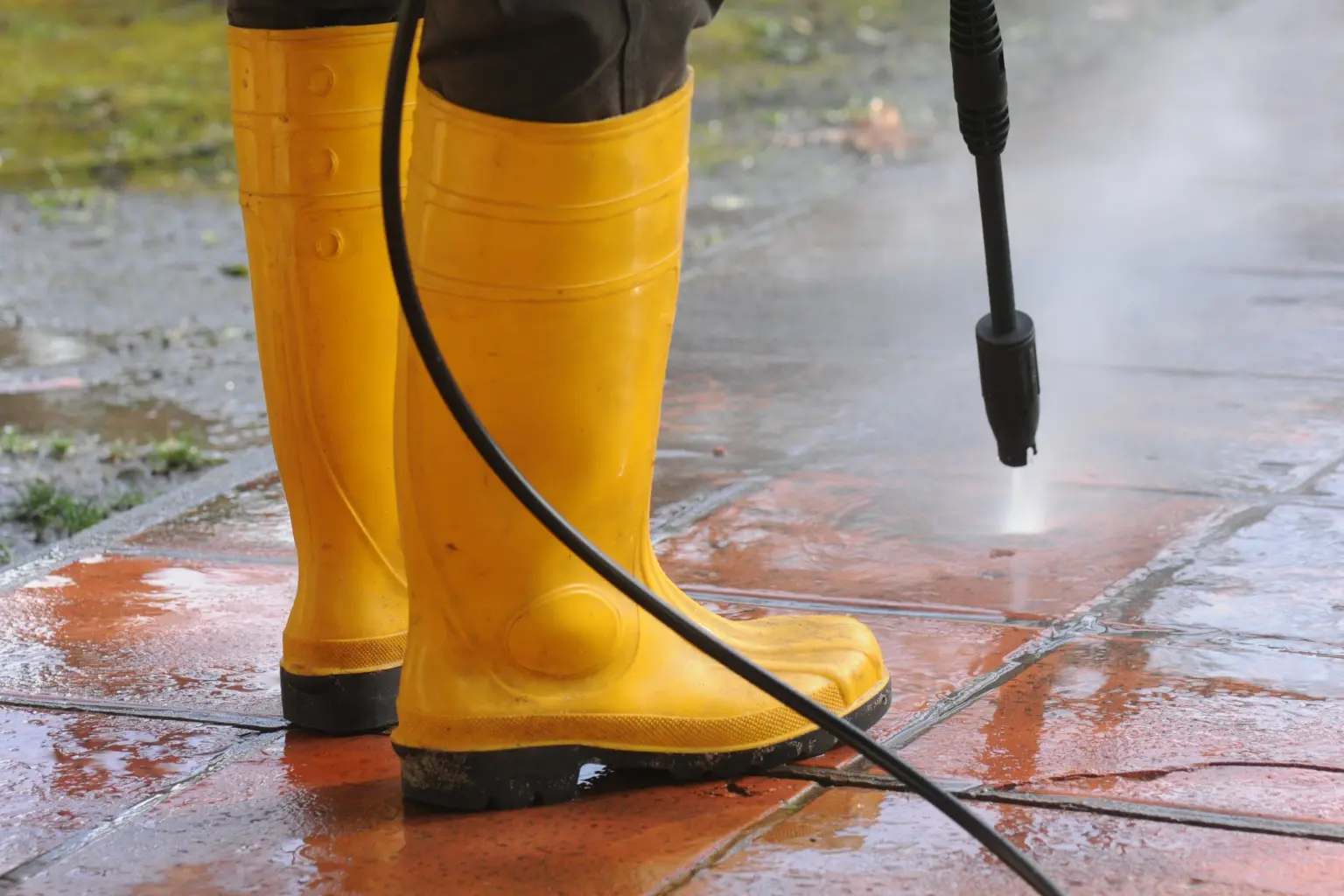
That is where generic pressure washing often falls short. High pressure alone does not resolve every condition, and on some surfaces it can create a poor result if the wrong methods are used. Commercial concrete needs controlled cleaning, not just aggressive blasting.
Why commercial properties need a managed approach
For a facility manager or property manager, the challenge is rarely whether the concrete is dirty. The challenge is how to correct it without creating operational friction, tenant complaints, scheduling problems, or inconsistent results.
Concrete cleaning services work best when they are managed like part of the property maintenance program. That means defined scopes, site access coordination, recurring schedules where needed, documented work orders, and enough field discipline to clean high-traffic areas without disrupting business more than necessary.
A one-off wash can improve appearance for a short window. A managed program is what keeps customer-facing and operational surfaces under control across seasons and heavy-use cycles. This matters even more for portfolios with multiple locations, where one site may need monthly attention at a dumpster pad while another needs quarterly sidewalk and parking area cleaning.
Where concrete cleaning has the biggest impact
The highest-value areas are usually the ones people see first or use hardest. Entry sidewalks and storefront approaches shape first impressions before a customer ever reaches the door. If the concrete is dark, stained, or visibly neglected, it reflects on the tenant and the property as a whole.
Service corridors, rear access lanes, and loading zones matter for a different reason. These are work surfaces. They affect traction, housekeeping standards, and overall site discipline. Dirty concrete in these zones can suggest broader maintenance issues, especially in industrial and logistics settings where buyers, inspectors, vendors, or corporate visitors may pass through.
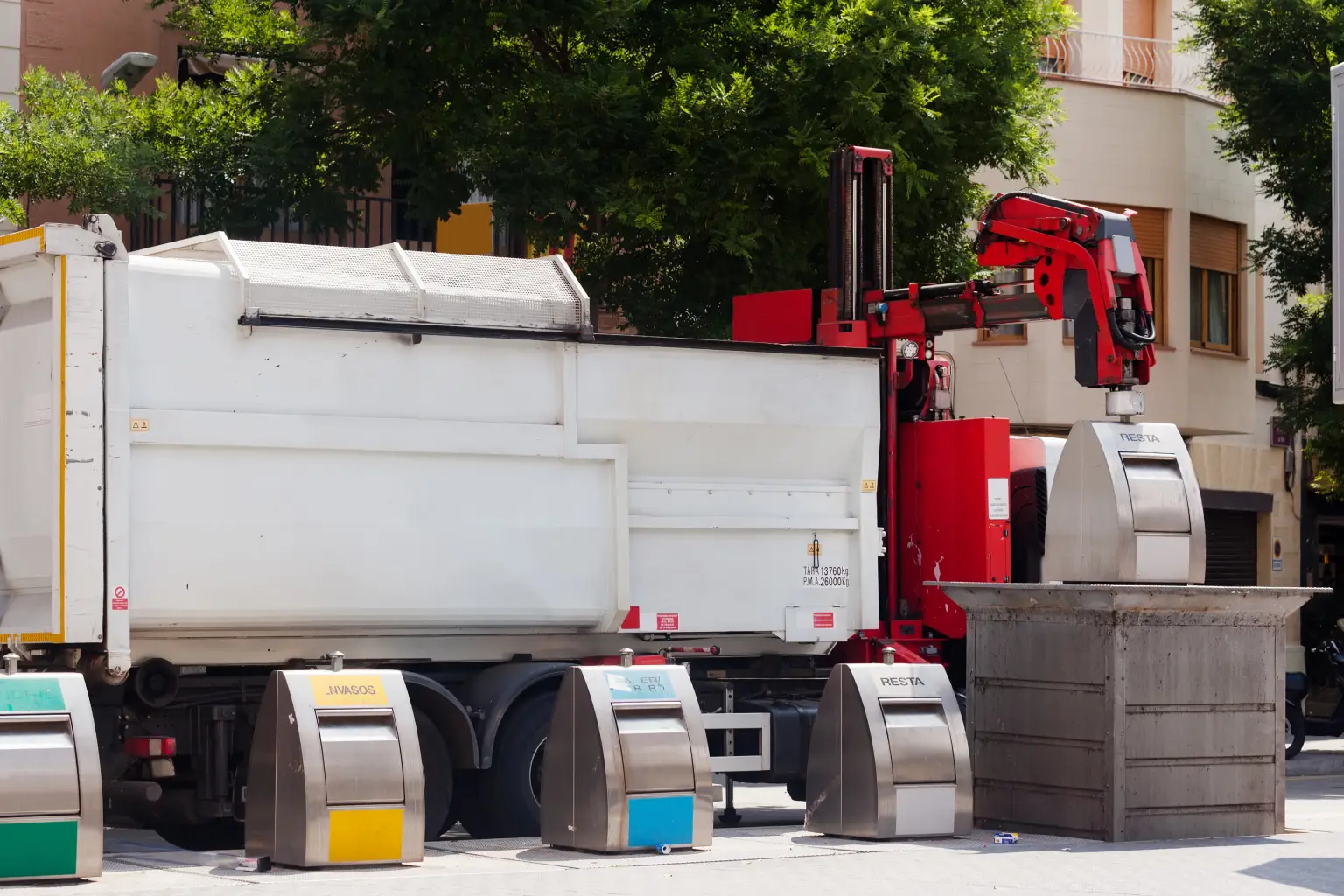
Dumpster enclosures and surrounding pads are another priority. These areas are difficult to manage internally because they combine liquids, organic waste, grease, and frequent abuse. Left untreated, they become a recurring source of odor, staining, pest attraction, and slip risk. Cleaning here is less about making the site look nice and more about maintaining a workable service environment.
The methods behind effective concrete cleaning services
Not every concrete surface should be cleaned the same way. Surface age, finish, porosity, drainage conditions, and adjacent materials all affect the right process. A retail sidewalk near glass and painted finishes requires a different level of control than a service yard or equipment area.
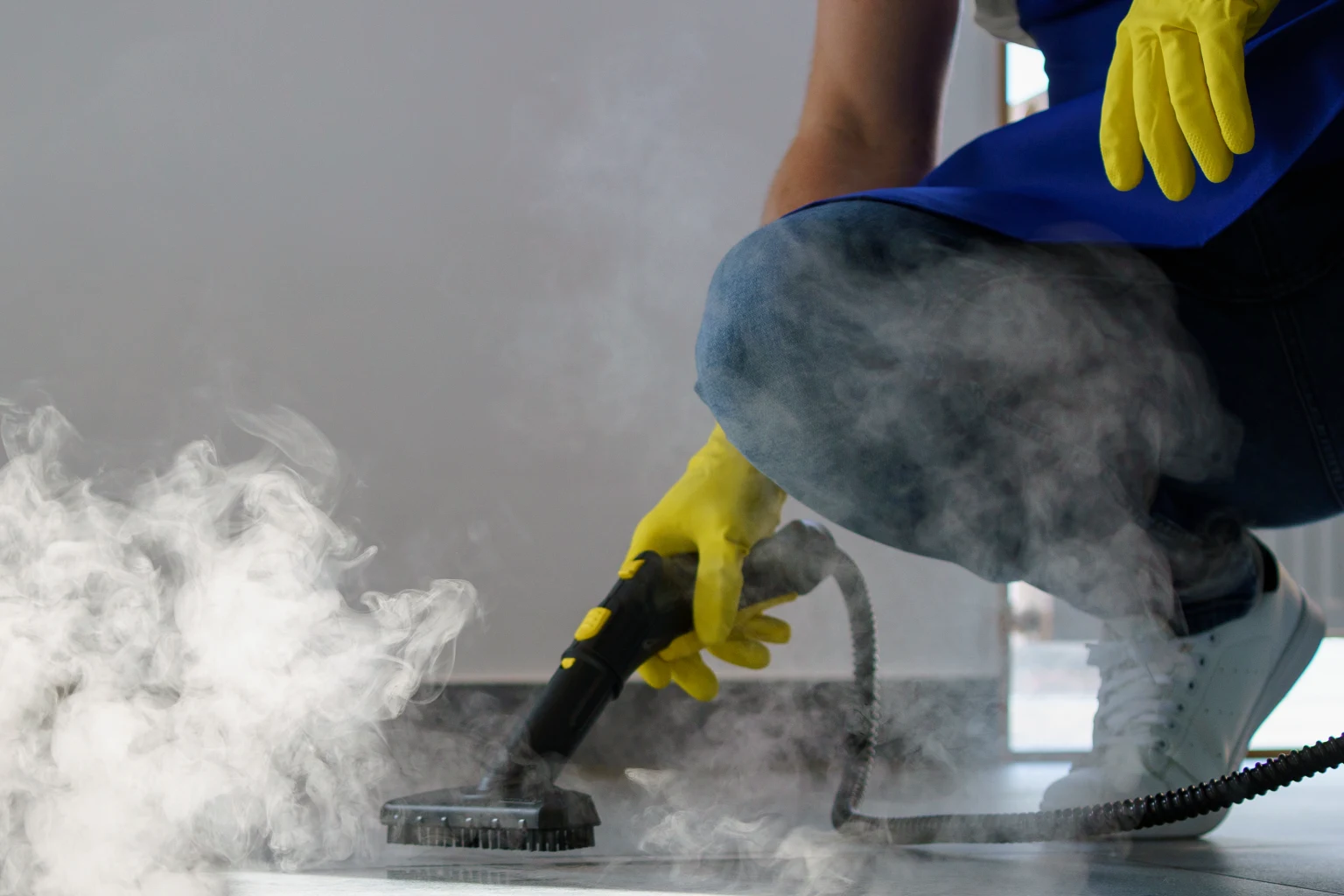
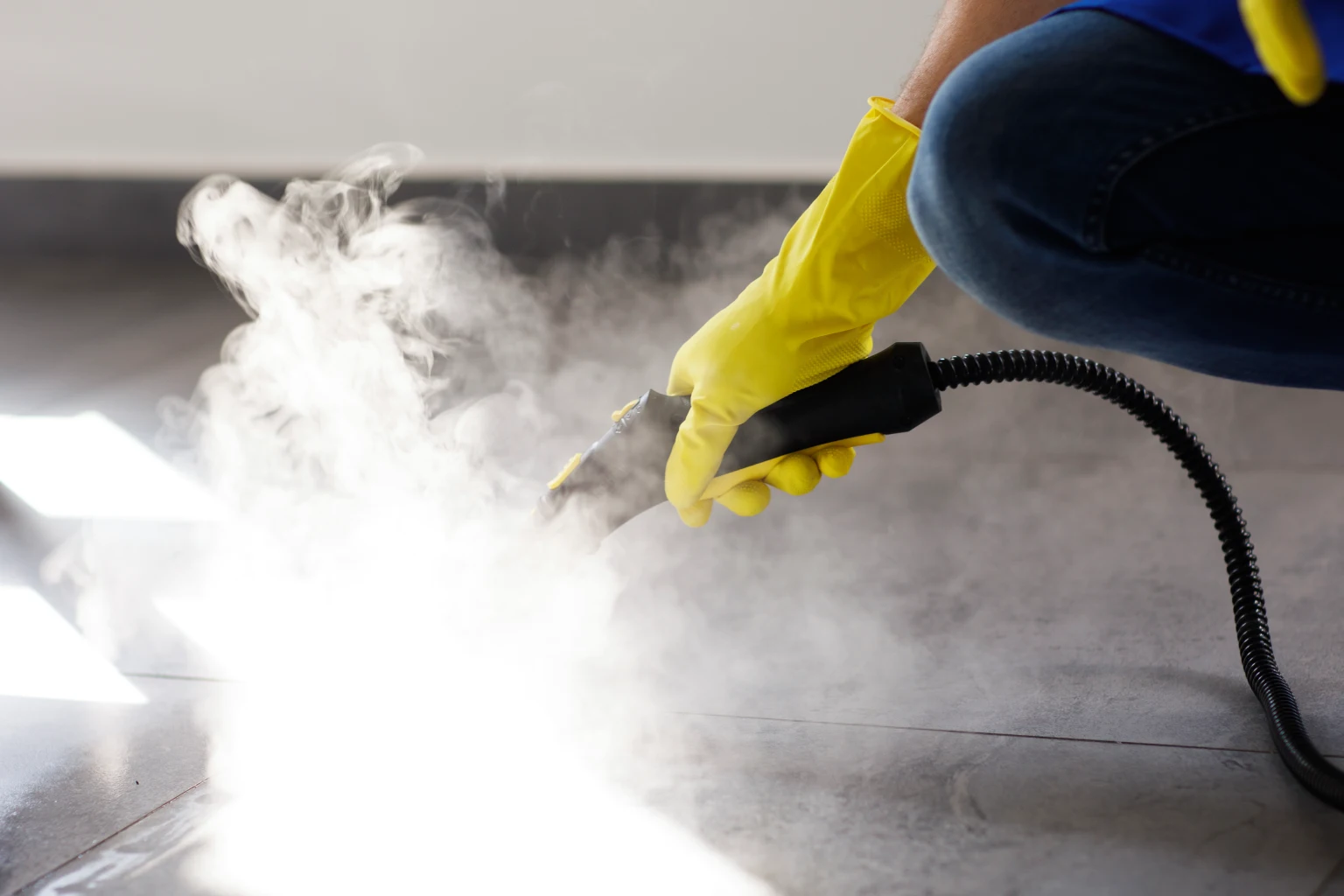
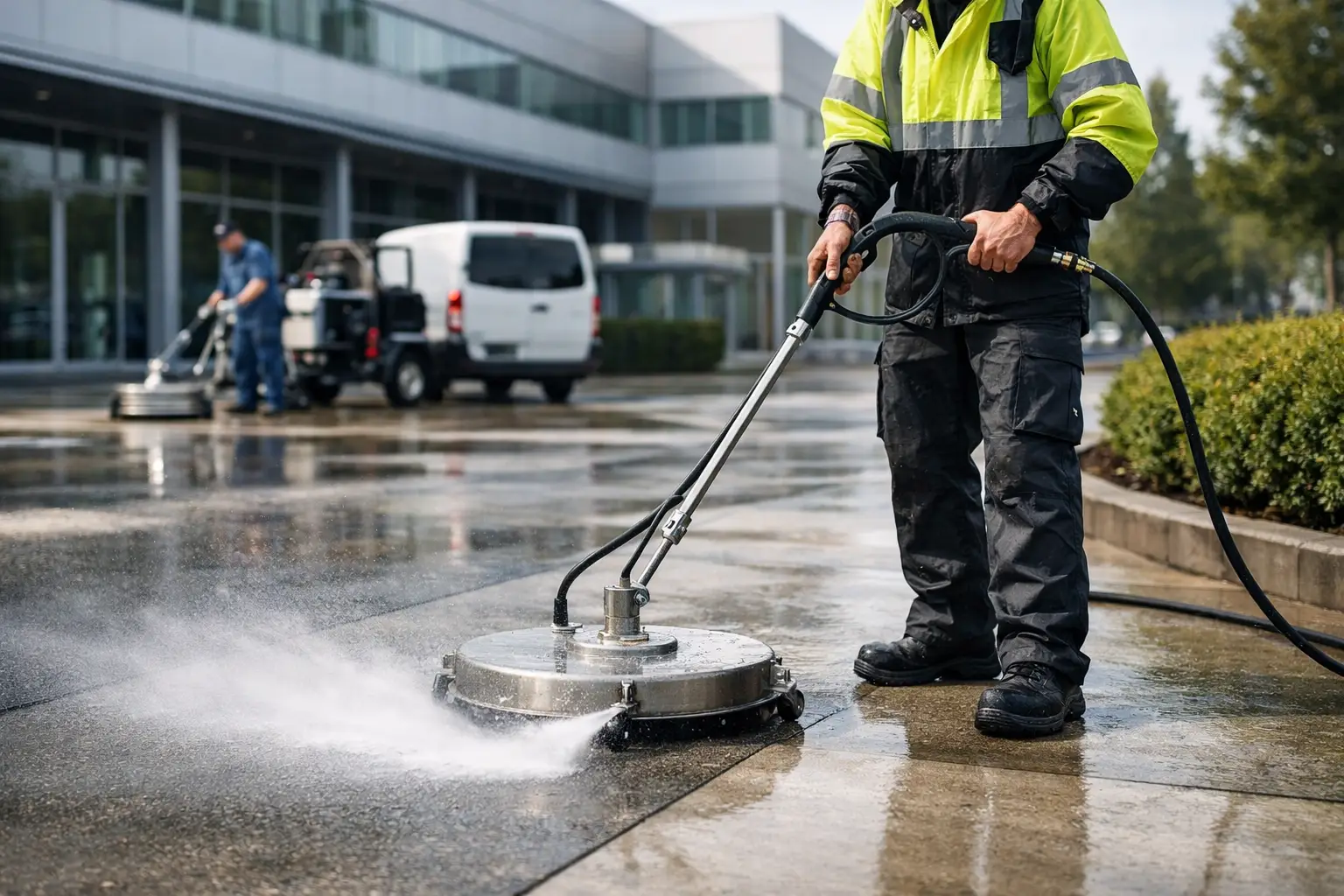
Professional concrete cleaning usually involves a combination of pressure, heat, detergents, degreasers, surface cleaners, recovery strategy, and stain-specific treatment. Grease and oil need a different chemistry than rust. Organic growth responds differently than gum or embedded dirt. Tire marks, battery acid staining, and food waste residue each require their own approach and expectations.
This is also where trade-offs matter. Some contamination can be substantially improved but not fully erased, especially if it has penetrated deep into older or damaged concrete. Etching, spalling, and permanent discoloration are not always cleaning failures. Sometimes the cleaning process reveals existing surface wear that staining had masked.
An experienced contractor should set those expectations before work begins. Commercial clients typically do not need exaggerated promises. They need a realistic scope, a disciplined process, and a clear understanding of what improvement is achievable.
Safety, compliance, and water control
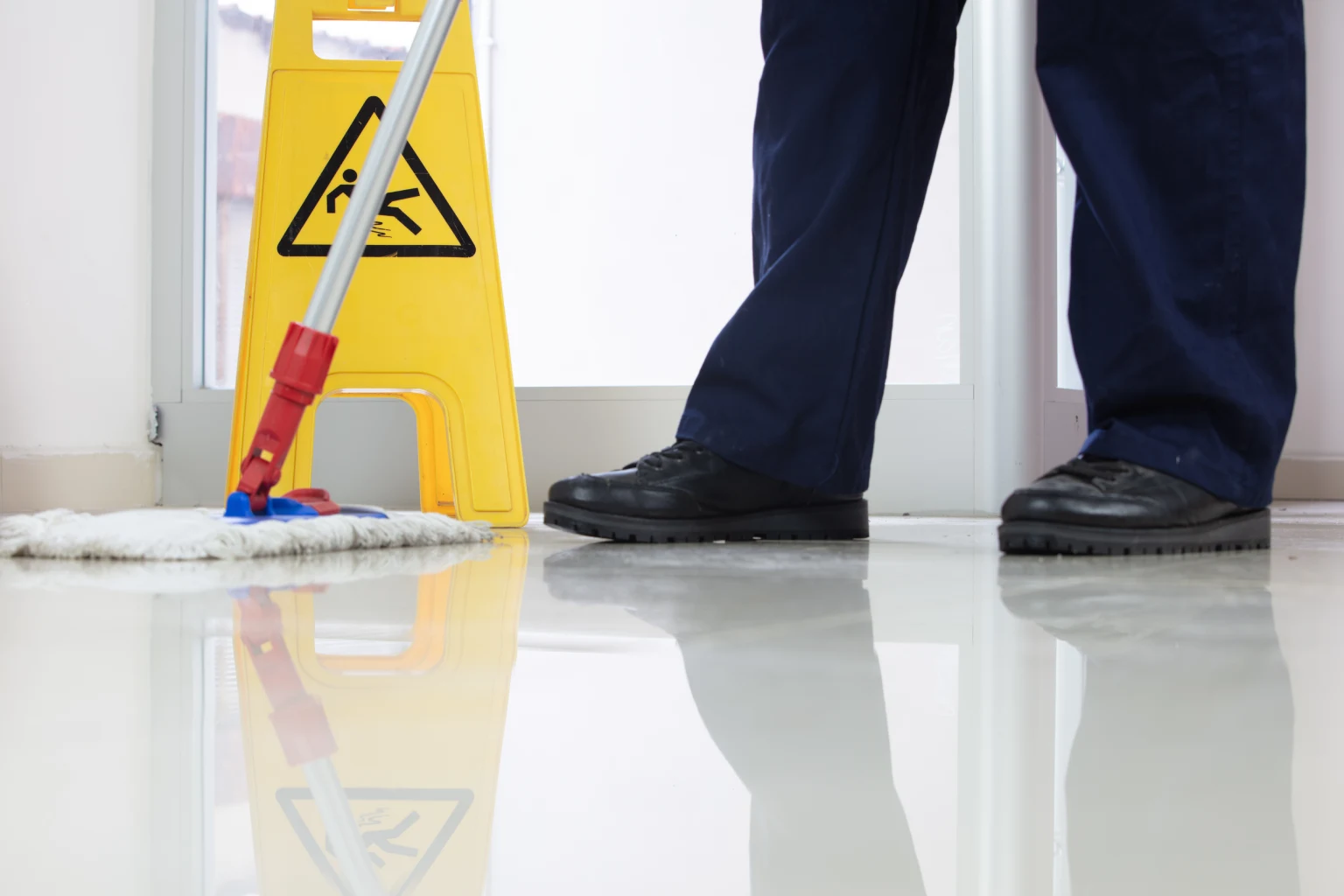
Concrete cleaning on commercial properties is tied directly to safety and environmental management. Grease buildup, algae, soap residue, and food waste can create slip hazards, especially around entrances, restaurant pads, fueling areas, and shaded walkways. Removing contamination is part of reducing risk exposure.
Water control is equally important. On a commercial site, runoff cannot be treated casually. Cleaning methods should account for drainage paths, neighboring tenant areas, pedestrian traffic, and any environmental handling requirements associated with wastewater or contaminants. This becomes more critical in service-heavy environments where oils, chemicals, or waste residue are present.
For site managers, this is one of the clearest distinctions between a basic pressure washing vendor and a commercial service partner. The issue is not just whether the concrete gets cleaner. It is whether the work is executed with operational control.
How often should commercial concrete be cleaned?
It depends on use, visibility, and contamination type. High-traffic retail sidewalks may need recurring service to stay presentable. Restaurant-adjacent concrete and dumpster pads usually need more frequent attention because buildup returns quickly. Industrial loading areas may tolerate a less frequent schedule from an appearance standpoint, but still require routine cleaning to manage residue and safer footing.
Seasonality also plays a role. Wet periods can increase organic growth and dark staining. Dry periods can leave dust, sediment, and runoff marks more visible. Properties near heavy traffic corridors, food service activity, or frequent deliveries typically need a more aggressive maintenance cycle than lower-impact office settings.
A practical standard is to build frequency around how the area functions, not just how it looks on its worst day. If a surface repeatedly affects customer impression, employee safety, or tenant satisfaction, it belongs on a schedule.
What to look for in a concrete cleaning provider
Commercial clients should look past equipment claims and ask how the service is managed. The right provider should be able to define scope clearly, identify surface-specific methods, coordinate around site operations, and document work consistently. Reliability is often more valuable than a dramatic before-and-after photo.
For multi-site owners and managers, administrative structure matters. Scheduling, estimating, appointment confirmation, work orders, reporting, and account visibility all reduce friction on the client side. A contractor that can clean concrete well but cannot manage communication or recurring service logistics will create avoidable problems over time.
This is especially true for portfolios spread across multiple Texas markets. Regional consistency matters when brand standards, tenant expectations, and operational accountability need to stay aligned. Einstein Surface & Environmental Services is built around that model - industrial-grade field execution supported by a structured service management system for commercial accounts.
Concrete cleaning services as asset maintenance
Clean concrete does not turn a poor property into a strong one, but neglected concrete can drag down an otherwise well-run site. Exterior surfaces shape how people read the condition of a property. Customers notice it. Tenants notice it. Inspectors, vendors, and ownership groups notice it too.
The practical value is straightforward. Cleaner surfaces support a stronger property image, better day-to-day housekeeping standards, and fewer visibly neglected areas that invite complaints. In some environments, the benefit is also operational - cleaner work zones, reduced residue buildup, and better traction under regular use.
The strongest results come from treating concrete cleaning as part of planned exterior maintenance rather than a reactive fix after conditions have become obvious. Once staining compounds over time, restoration becomes more difficult and expectations become harder to manage.
If your sidewalks, service lanes, pads, or loading zones are carrying more buildup than your team wants to explain, that is usually the right time to address it. Well-managed concrete cleaning is not about making a site look perfect. It is about keeping a commercial property clean, functional, and professionally represented where people actually see and use it every day.