

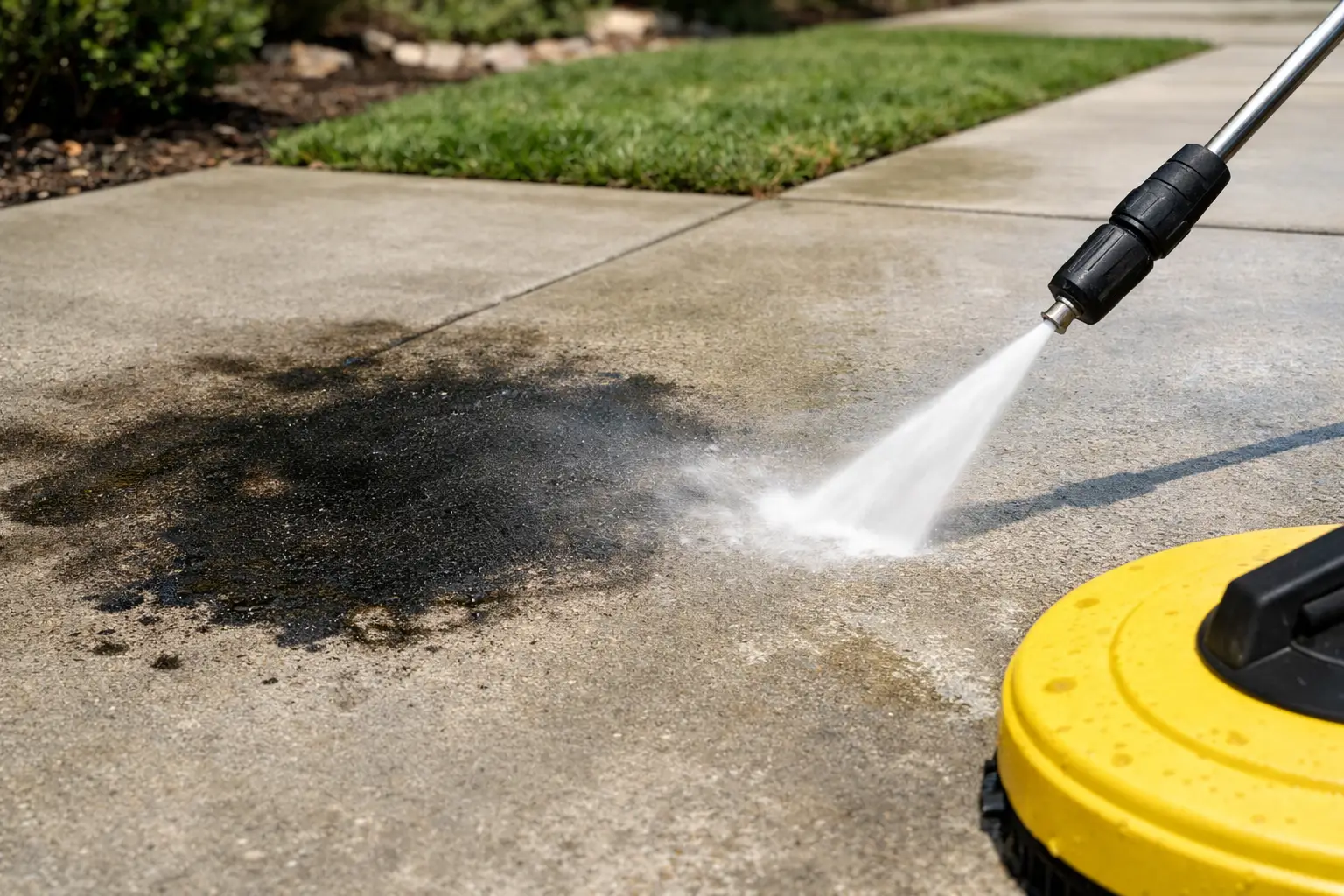
Fresh oil in a parking stall looks like a cleanup issue. Set-in oil at a loading dock, dumpster pad, or service lane is different. If you are asking whether can pressure washing remove oil stains, the short answer is yes - sometimes. But for commercial concrete, the real answer depends on how long the oil has been there, what surface was affected, and whether the cleaning process is designed to extract contamination instead of just rinsing the top layer.
Oil does not behave like dirt. It migrates into porous concrete, bonds with surface voids, and leaves behind dark staining even after the slick residue is gone. That is why many property managers see disappointing results when basic washing is used on petroleum-heavy areas. Pressure alone is rarely the full solution.
Can pressure washing remove oil stains on concrete?
It can, but only under the right conditions. When the stain is recent and still concentrated near the surface, pressure washing can remove a meaningful amount of oil, especially when paired with heat, degreasing chemistry, and proper dwell time. On older stains, pressure washing often improves appearance without fully restoring the concrete to a uniform color.
That distinction matters for commercial properties. A facility manager may not need every slab to look new, but they do need a cleaner, safer, and more controlled surface condition. In high-visibility spaces like storefront entries, service lanes, fueling zones, and dumpster enclosures, partial improvement may not be enough if the remaining stain still signals neglect.
The common mistake is treating oil like a general surface soil. Standard cold-water pressure washing can push residue around, lighten the stain at the edges, and leave the embedded contamination behind. In some cases, it can make the area look uneven by cleaning surrounding concrete more effectively than the stained section itself.
Why oil stains are difficult to remove
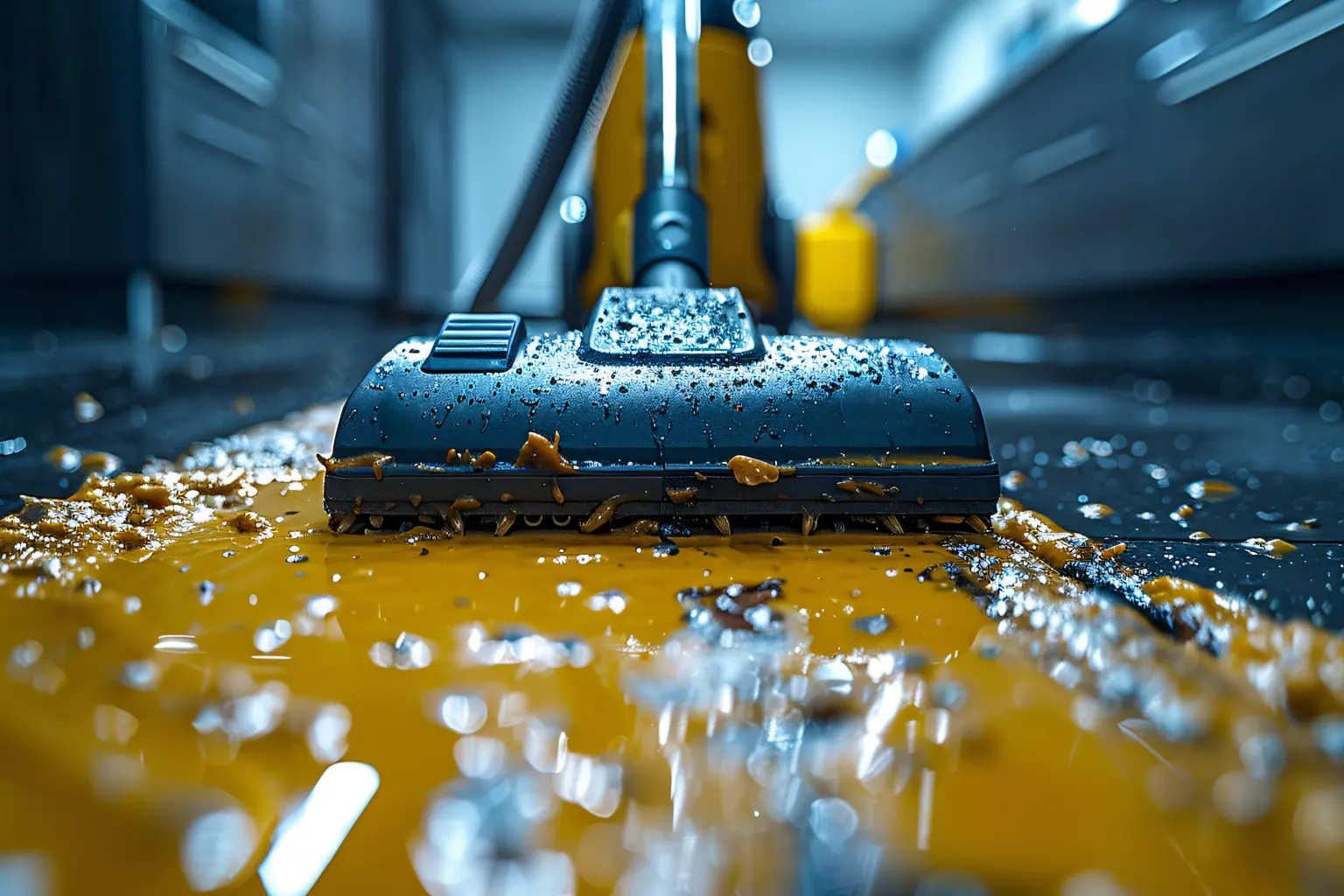
Concrete is porous, and that porosity is what complicates oil removal. Once oil penetrates below the surface, the stain is no longer a simple wash-off condition. It becomes an extraction problem. The cleaning process has to break down the petroleum, suspend it, and flush it from the surface matrix without spreading it into adjacent areas.
Commercial sites add another layer of difficulty. Parking lots, loading areas, and service pads usually have repeated exposure, not one-time spills. That means the stain may consist of motor oil, hydraulic fluid, grease, carbon residue, tire transfer, and general traffic soil all layered together. What appears to be one black mark is often a combination of contaminants requiring more than one treatment cycle.
Age also matters. A stain that has baked through multiple Texas heat cycles is much harder to correct than a spill addressed within a day or two. Sun exposure, traffic compaction, and prior rinse attempts can all drive contamination deeper into the concrete.
What actually makes pressure washing effective
If the goal is real improvement, pressure washing has to be part of a controlled process. Commercial oil stain removal works best when pressure is combined with the right temperature, chemistry, agitation, and wastewater management approach.
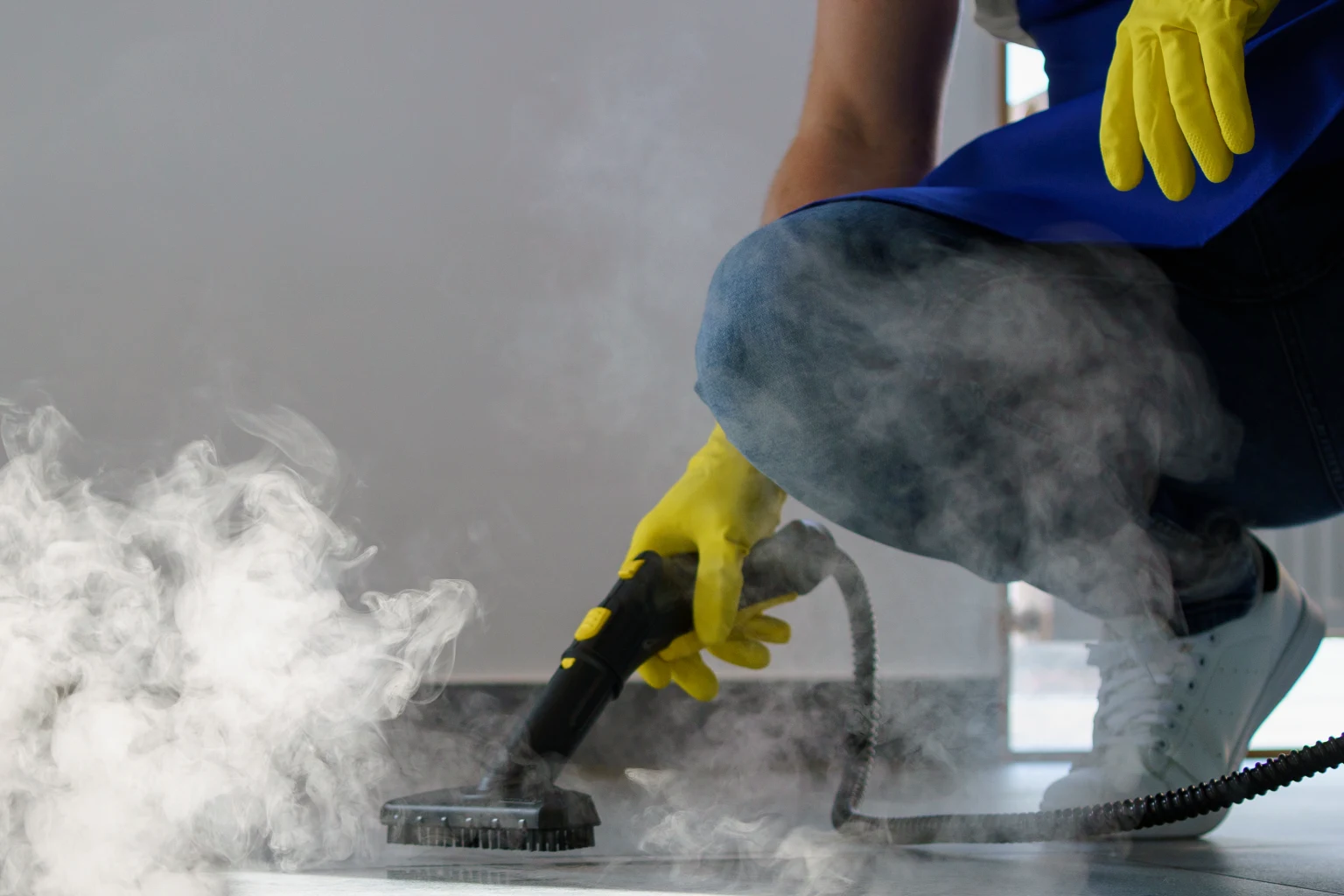
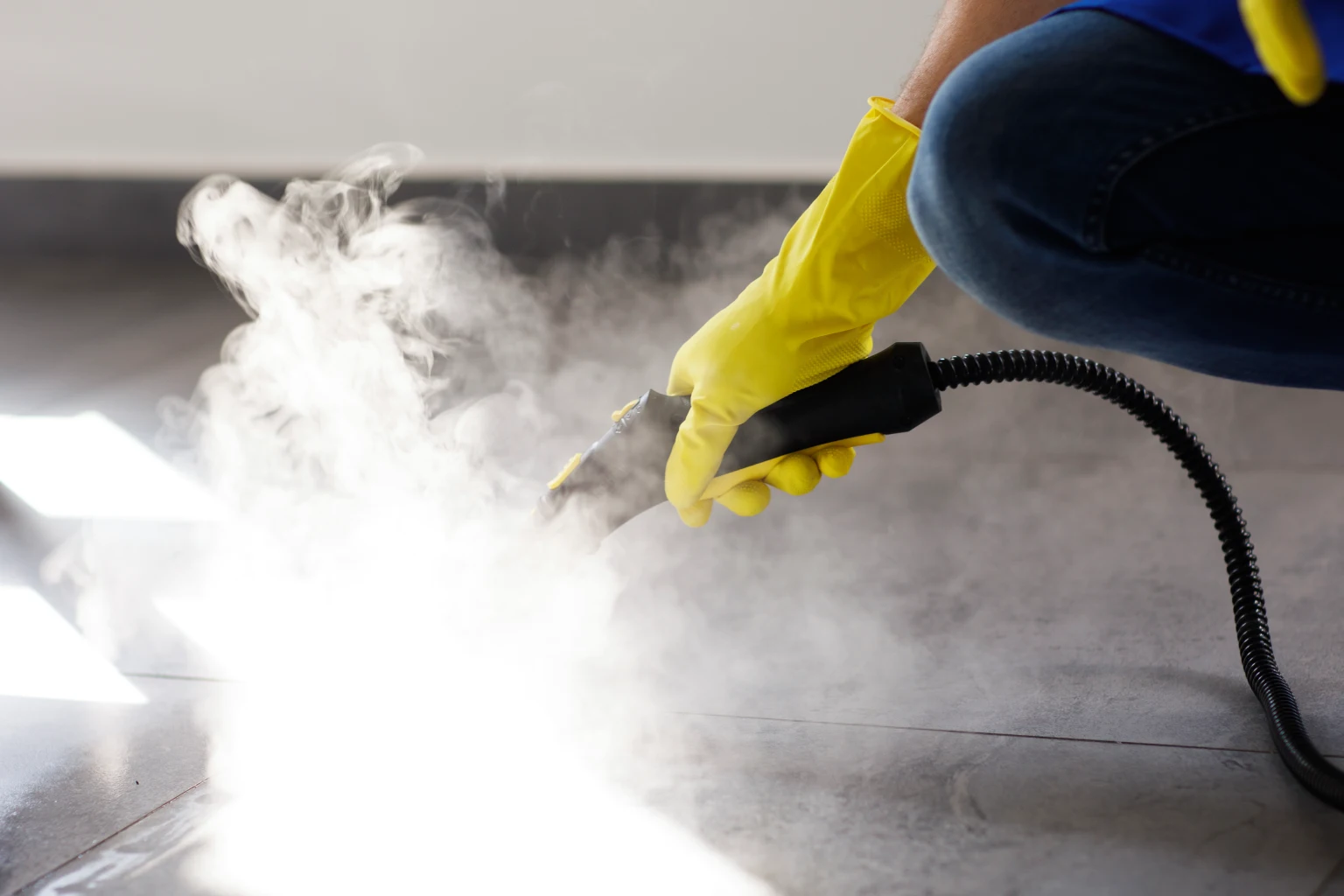
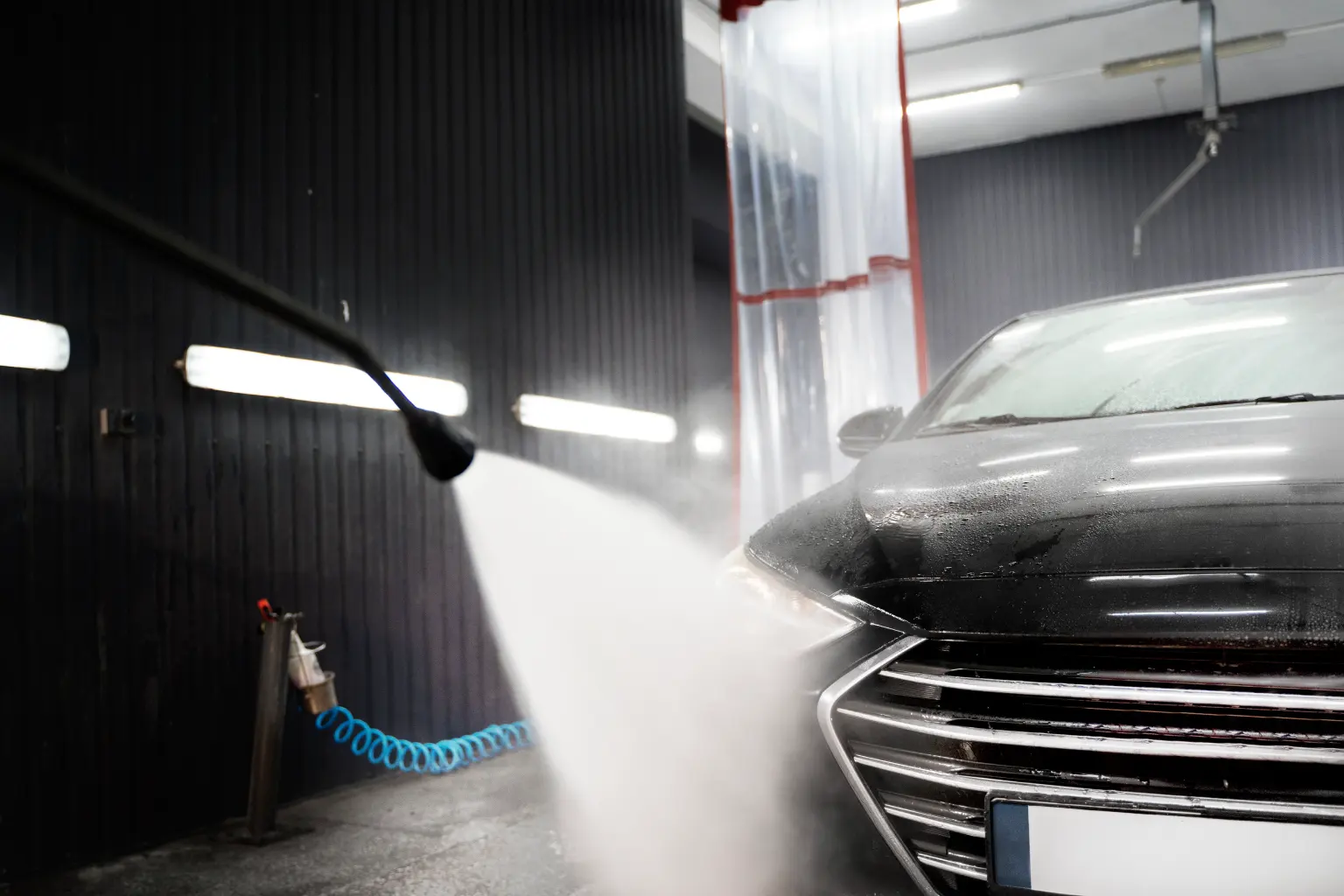
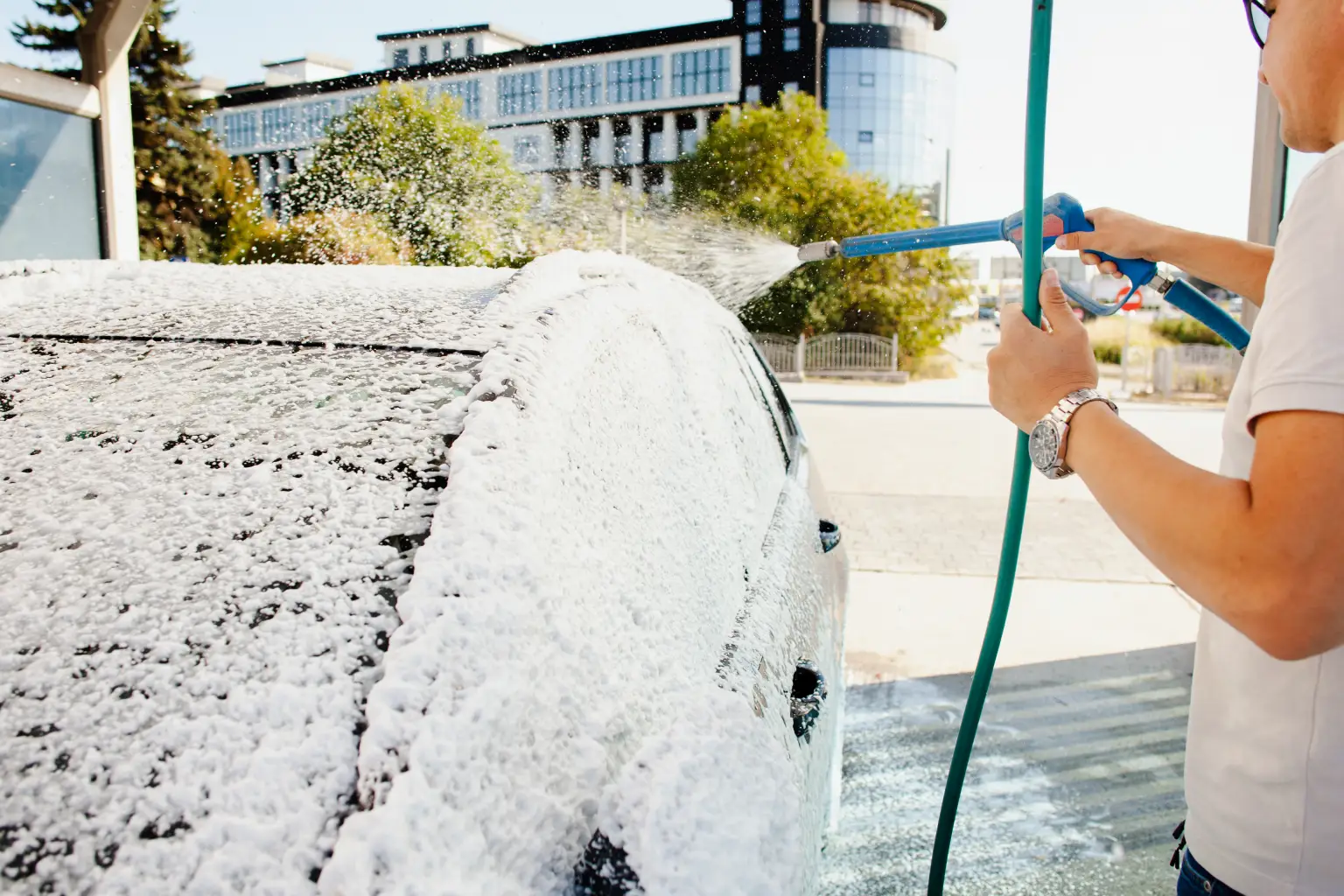
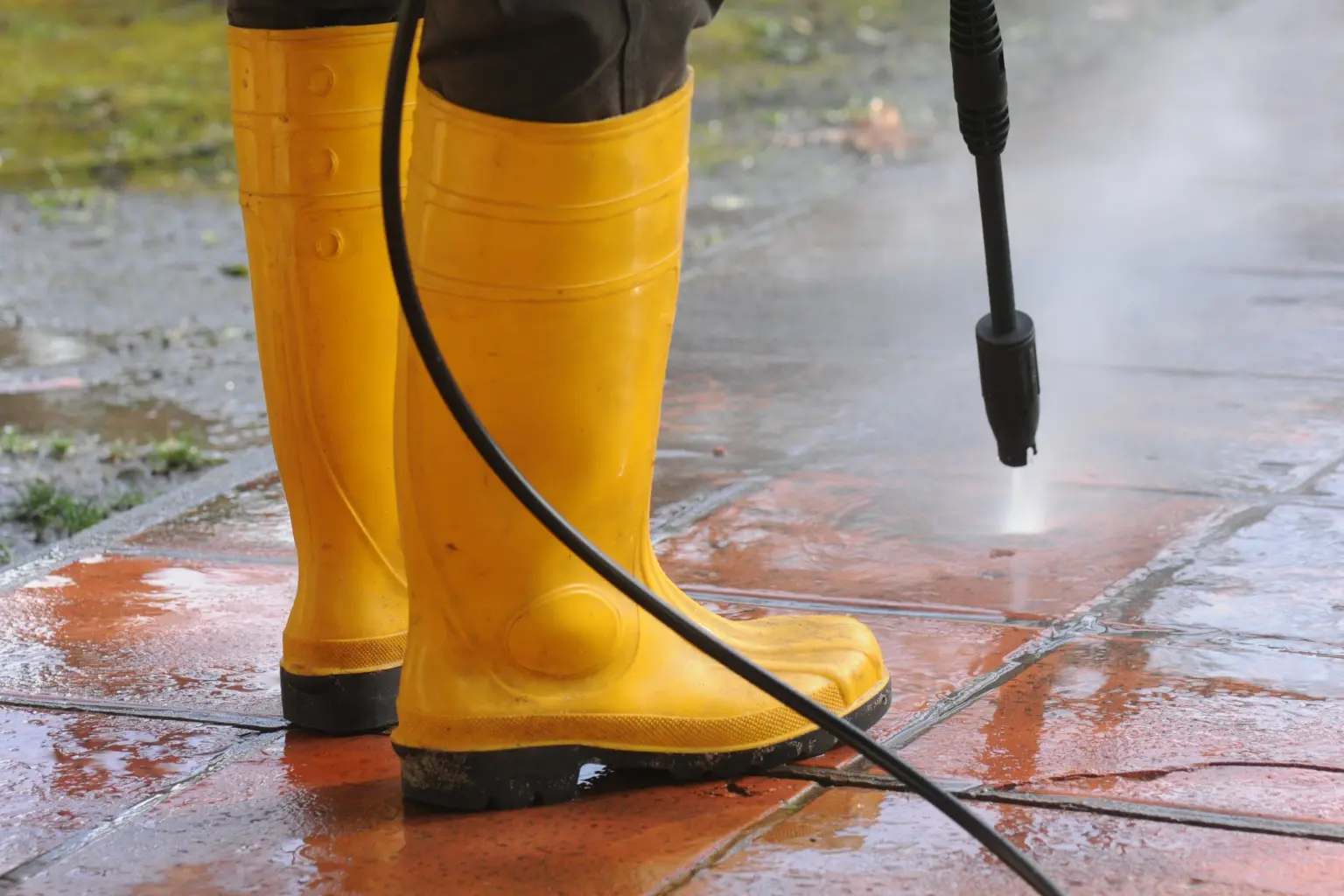
Hot water is typically more effective than cold water because it helps break down oily residue and improves detergent performance. Degreasers formulated for petroleum contamination are also critical. The chemical needs time to dwell so it can emulsify the oil before the surface is rinsed. If that step is rushed, the wash process becomes mostly cosmetic.
Surface agitation is another factor. On dense, old stains, the cleaner often needs to be worked into the surface instead of simply sprayed on. Then pressure washing can be used to flush out what has been loosened. This is one reason professional results tend to outperform spot treatment with a retail pressure washer.
Containment matters as well. On commercial properties, oil-contaminated runoff cannot always be washed freely across pavement or into storm drainage pathways. A managed cleaning operation has to account for environmental controls, especially in service areas and industrial settings.
When pressure washing removes oil stains well
Pressure washing tends to perform best in three situations: when the spill is fresh, when the concrete is relatively dense and in good condition, and when the stain has not been reheated and reabsorbed through repeated exposure. In those cases, the combination of degreasing and hot-water pressure washing can produce a significant visual correction.
It also works well as part of routine maintenance. If a shopping center, warehouse, or retail pad receives scheduled cleaning, small oil drops can often be addressed before they become deep-set staining. That is one of the strongest arguments for ongoing exterior maintenance rather than waiting until conditions are heavily degraded.
For commercial operators, this is less about chasing perfect appearance and more about preserving baseline condition. Early intervention usually costs less and delivers better visual consistency across the site.
When pressure washing may not fully remove oil stains
This is the part many vendors gloss over. Some oil stains will not come out completely, even with industrial-grade cleaning. If the contamination has penetrated deeply, if the slab is old and highly porous, or if the area has seen years of repeated leakage, the result may be stain reduction rather than full removal.
That does not mean the work failed. In commercial cleaning, success is often measured by how much contamination is removed, how much the area is improved, and whether the site now looks professionally maintained. There is a difference between restoring a neglected service pad to a clean operational standard and making a ten-year-old petroleum stain disappear entirely.
This is where expectation setting matters. A disciplined contractor should explain the likely outcome before work begins, especially on aged concrete. Overpromising full stain removal creates frustration and usually ignores the material science involved.
Can pressure washing remove oil stains without chemicals?
Usually not to a professional standard. Water pressure by itself can remove loose residue and surface film, but oil needs a cleaning agent that can break its bond with the substrate. Without that chemistry, the process is often limited to superficial improvement.
There are exceptions for very fresh spills on sealed surfaces, but most commercial concrete is unsealed or inconsistently sealed. On those surfaces, oil has already started to move below the top layer. Pressure alone is not enough to reverse that.
For facility teams trying to manage appearance and compliance, this is an important operational point. The right equipment matters, but process design matters more.
What commercial property managers should look for
If oil stain removal is part of a broader site maintenance strategy, the provider should be evaluating more than PSI. They should be assessing stain age, concrete condition, traffic patterns, runoff control, and whether the area requires one-time restoration or recurring service.
A storefront sidewalk with incidental spotting needs a different approach than a dumpster pad or loading dock apron. The same is true for multi-tenant retail centers, industrial facilities, and fleet-heavy service locations. A professional service model should account for scheduling, documentation, repeatability, and minimal disruption to operations.
That is where a managed commercial provider has an advantage. Companies such as Einstein Surface & Environmental Services build oil stain treatment into a broader exterior maintenance system instead of treating it as a one-off rinse job. For multi-site operators, that level of consistency is often as valuable as the cleaning itself.
The practical answer for commercial sites
So, can pressure washing remove oil stains? Yes, but not by pressure alone, and not with the same result in every situation. The best outcomes come from a combination of heat, degreasing chemistry, proper technique, realistic expectations, and ongoing maintenance.
For commercial properties, the more useful question is whether the cleaning process will materially improve appearance, reduce buildup, support site standards, and prevent stains from becoming a long-term liability. In most cases, that answer is yes when the work is approached with industrial-grade methods and proper service control.
If an oil stain has been there for months or years, do not judge the situation by whether it can be erased completely. Judge it by whether the surface can be restored to a cleaner, safer, more professional condition - and whether the same issue can be managed earlier next time.