















A parking lot tells people what kind of property they are about to enter before they ever reach the door. Oil spotting, trash buildup, gum, runoff staining, and dirty entrances create an immediate operations problem, not just a cosmetic one. That is why best practices parking lot cleaning should be treated as a managed maintenance function, especially at commercial sites where traffic volume, tenant standards, and liability exposure are all high.
For property managers, retail operators, and facility teams, the goal is not simply to wash pavement when it looks bad. The goal is to maintain a safer, more controlled environment with predictable service intervals, documented execution, and minimal disruption to customers, tenants, and site operations. Parking lot cleaning works best when it is scheduled, site-specific, and aligned with the way the property actually functions.
Why best practices parking lot cleaning matter
Most parking lots fail gradually. Debris collects along curbs and islands. Oil accumulates in stalls and drive lanes. Organic growth builds in shaded areas. Stormwater pathways carry dirt into low spots and around drains. None of this looks urgent on day one, but over time it affects appearance, slip risk, drainage performance, and customer perception.
At high-visibility commercial properties, deferred cleaning tends to create secondary issues. Entrances get dirtier faster. Stains set deeper into concrete. Dumpster traffic spreads grease and residue into parking areas. Water can pond around clogged drains and contribute to premature surface wear. A disciplined cleaning program helps control those variables before they become expensive restoration problems.
There is also a branding component. Retail centers, medical offices, industrial sites, and mixed-use properties all benefit when the exterior matches the standards expected inside. Clean pavement, defined curb lines, and debris-free walk paths communicate active management. That matters to tenants, customers, inspectors, and ownership groups alike.
Start with a site-specific cleaning plan
The most effective parking lot cleaning programs are built around actual site conditions, not a generic checklist. A suburban office lot with light daytime traffic needs a different service rhythm than a retail center with constant turnover, food traffic, and heavy evening use. The same is true for industrial properties, where loading activity, vehicle leaks, and operational residue can create more concentrated cleaning demands.
A proper plan accounts for traffic patterns, surface type, drainage layout, stain sources, pedestrian zones, and hours of operation. It should identify where debris collects, where water can be recovered or redirected, and where service can be performed with the least interference to business activity. In practice, this often means separating the lot into service zones rather than treating the entire property as one uniform area.
This is where a managed service approach has real value. Structured scheduling, work orders, and documented site instructions reduce inconsistency across recurring visits. For multi-tenant or multi-location portfolios, that level of process control becomes even more important.
Prioritize debris removal before pressure washing
One of the most common mistakes in parking lot cleaning is going straight to washing without removing dry debris first. Dirt, sand, leaves, litter, and loose trash should be collected before surface cleaning begins. If they are not, they can turn into slurry, clog drains, and slow down the entire process.
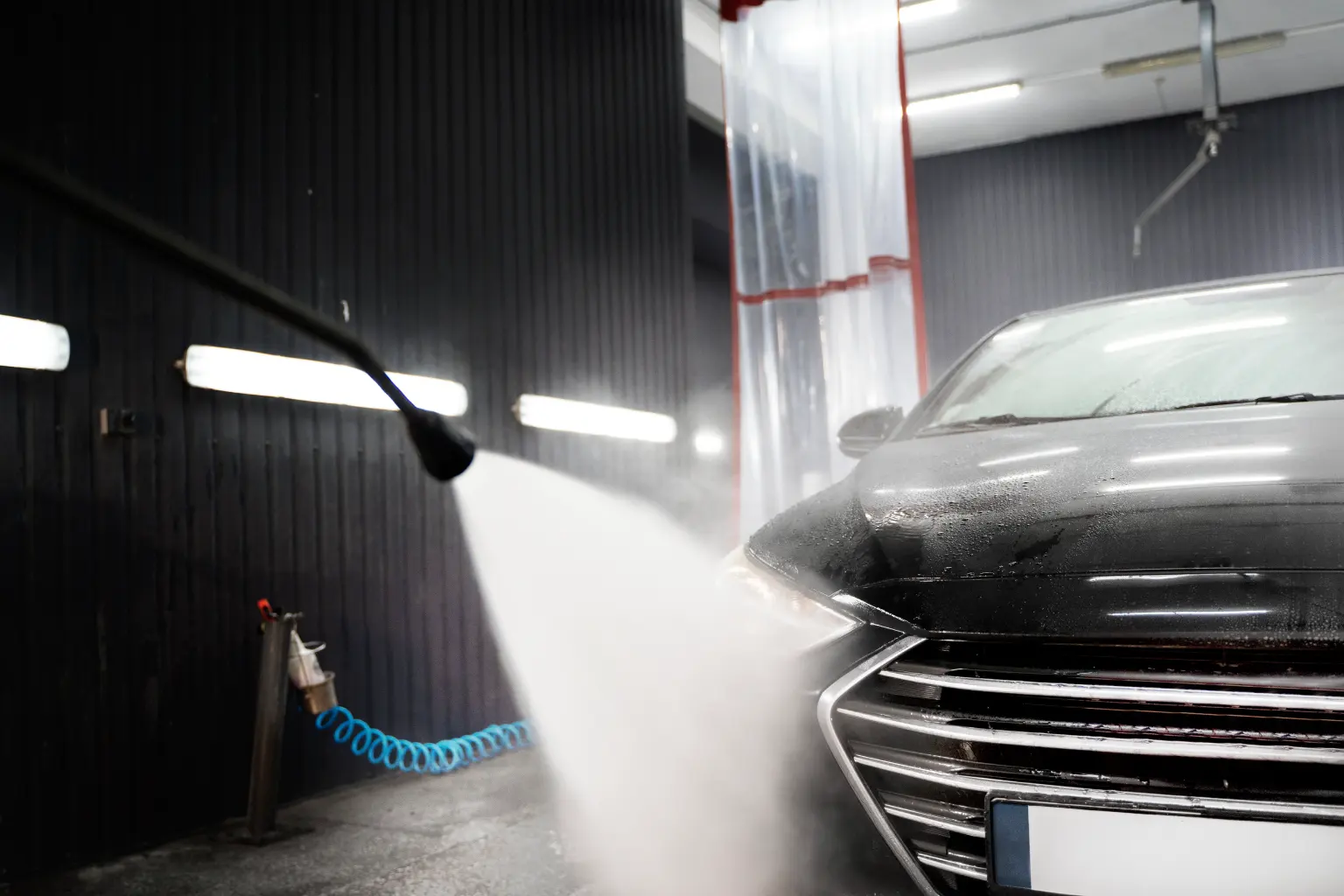
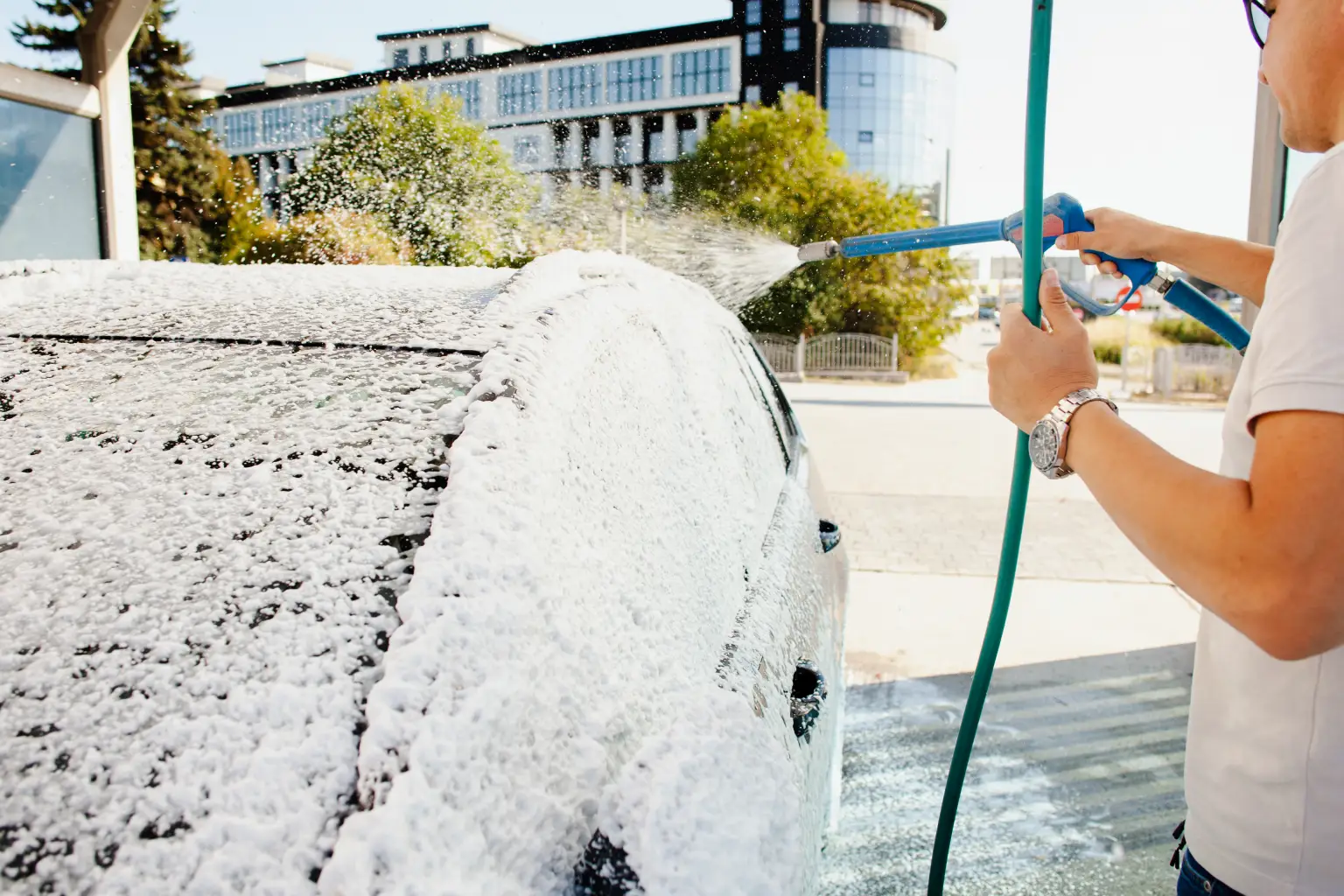
Mechanical sweeping or targeted blower work is often the first operational step, depending on the site and debris load. Parking stalls, curb lines, landscape edges, cart corrals, and islands deserve special attention because they trap material that general traffic does not move. Once dry debris is addressed, pressure washing is more controlled and more effective.
This sequence also improves environmental management. When solids are removed first, wastewater handling becomes easier and cleaner. For commercial properties that need professional documentation and risk control, that matters.
Match the cleaning method to the surface and the soil load
Not every parking lot condition should be cleaned the same way. Concrete and asphalt respond differently to pressure, heat, chemistry, and recovery methods. Fresh oil staining, embedded tire marks, food spills, gum, rust, and organic growth all require different treatment decisions.
Concrete typically tolerates more aggressive cleaning than asphalt, but even then, pressure should be calibrated to avoid striping or etching. Asphalt can be more vulnerable, especially if it is aging, recently sealed, or already deteriorating. In those cases, overly aggressive washing may create surface damage that costs more than the cleaning itself.
The right method depends on both the material and the contamination level. Hot water cleaning can improve results on grease-heavy areas. Surface cleaners can improve consistency across wide sections. Spot treatment may be necessary where stains are concentrated. On some properties, full restoration is appropriate. On others, the smarter approach is maintenance cleaning focused on appearance control and safety rather than complete stain removal.
That trade-off matters. Commercial clients should expect measurable improvement, but not every stain can or should be chased to a like-new finish if doing so risks the surface or disrupts operations excessively.
Focus on high-impact zones first
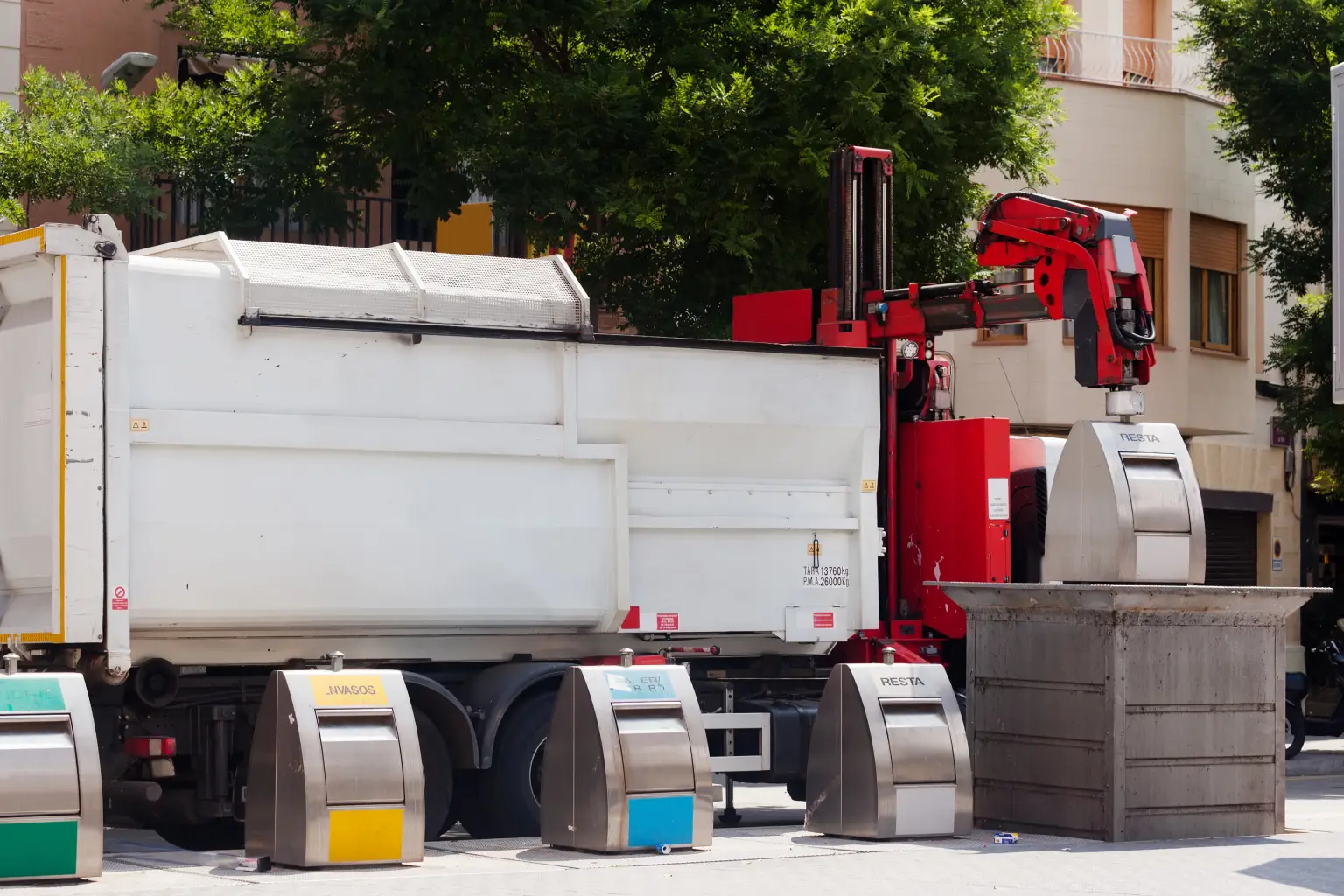
In most lots, a small percentage of the surface creates the majority of visible problems. Entrance drives, storefront approaches, ADA paths, cart return areas, payment zones, and spaces near food tenants usually show wear first. Service lanes, loading edges, and dumpster-adjacent routes are also common problem areas.
A disciplined program prioritizes these zones instead of spreading effort evenly across the entire property. That does not mean ignoring the rest of the lot. It means assigning service frequency based on use, visibility, and contamination patterns. High-traffic pedestrian areas may need more frequent cleaning than back-row parking. Grease-prone service routes may need targeted treatment between full-site visits.
This approach is more efficient and usually more defensible from an operations standpoint. Budget follows risk and visibility. Cleaning effort goes where it protects the asset and the user experience most effectively.
Manage water, runoff, and drainage carefully
Parking lot cleaning is not just about pressure and detergents. Water control is a major part of professional execution. Poorly managed runoff can move contaminants into landscape beds, storm drains, storefronts, and pedestrian paths. It can also create hazards during service if water crosses active traffic lanes.
Best practice is to evaluate drainage before work starts. Crews should know where water naturally flows, where drains are located, and whether containment, diversion, or recovery measures are needed. This is especially important around fuel residues, dumpster areas, loading zones, and sites with environmental compliance expectations.
Drain areas themselves deserve attention. Cleaning a lot while leaving drain inlets packed with sediment and trash solves only part of the problem. If water cannot move properly after the service, appearance and safety degrade quickly.
Schedule around operations, not against them
A parking lot can be perfectly cleaned and still poorly managed if the service disrupts tenants, customers, or deliveries. Timing matters. For many commercial properties, early morning, overnight, or segmented daytime service is the best fit. For others, work may need to be phased by building frontage, tenant cluster, or parking field.
The correct schedule depends on occupancy levels, business hours, lighting, noise sensitivity, and access requirements. A shopping center may need off-hours storefront and front-row cleaning, while an industrial property may need coordination around shift changes and truck circulation. There is no single right schedule for every site.
What matters is communication and execution. Clear service windows, coned work zones, vehicle control, and preplanned access routes reduce friction. This is one reason commercial clients often prefer providers with a stronger management system rather than a basic field-only model.
Documentation and consistency are part of the service
For commercial accounts, cleaning quality is only one piece of the service standard. Consistency, reporting, and follow-through matter just as much. A well-run parking lot cleaning program should include scope clarity, service history, site notes, and a record of what was addressed during each visit.
This becomes especially valuable for large properties and multi-site portfolios. If one location has recurring oil issues near a tenant, or another needs more frequent attention around a loading route, that pattern should be documented and reflected in future scheduling. Otherwise, the account stays reactive.
Einstein Surface & Environmental Services operates in this more structured category of exterior maintenance, where field execution is supported by scheduling discipline, work order control, and organized client communication. For commercial stakeholders, that administrative reliability is often what turns a decent cleaning vendor into a dependable maintenance partner.
Build cleaning into the broader exterior maintenance cycle
Parking lot cleaning performs best when it is coordinated with the rest of the exterior environment. If dumpster pads are neglected, residue will migrate. If storefront sidewalks are not maintained, front-row parking areas will degrade faster. If graffiti, loading zones, and service corridors are addressed separately without a unified plan, the property never quite looks under control.
A broader maintenance view usually produces better results than isolated service calls. It also makes budgeting easier because the property team can align cleaning frequency with seasons, traffic cycles, and tenant demands. Spring pollen, summer storms, fall debris, and holiday traffic all change how a site should be maintained.
The most effective standard is simple: clean before appearance drops below brand expectation, before debris interferes with drainage, and before surface buildup becomes difficult to remove efficiently.
A well-maintained parking lot does not happen by accident. It comes from inspection, planning, controlled execution, and repeatable service intervals that reflect how the property actually operates. When that process is in place, the lot stops being a recurring headache and starts functioning the way it should - clean, safe, and ready for the people who use it every day.