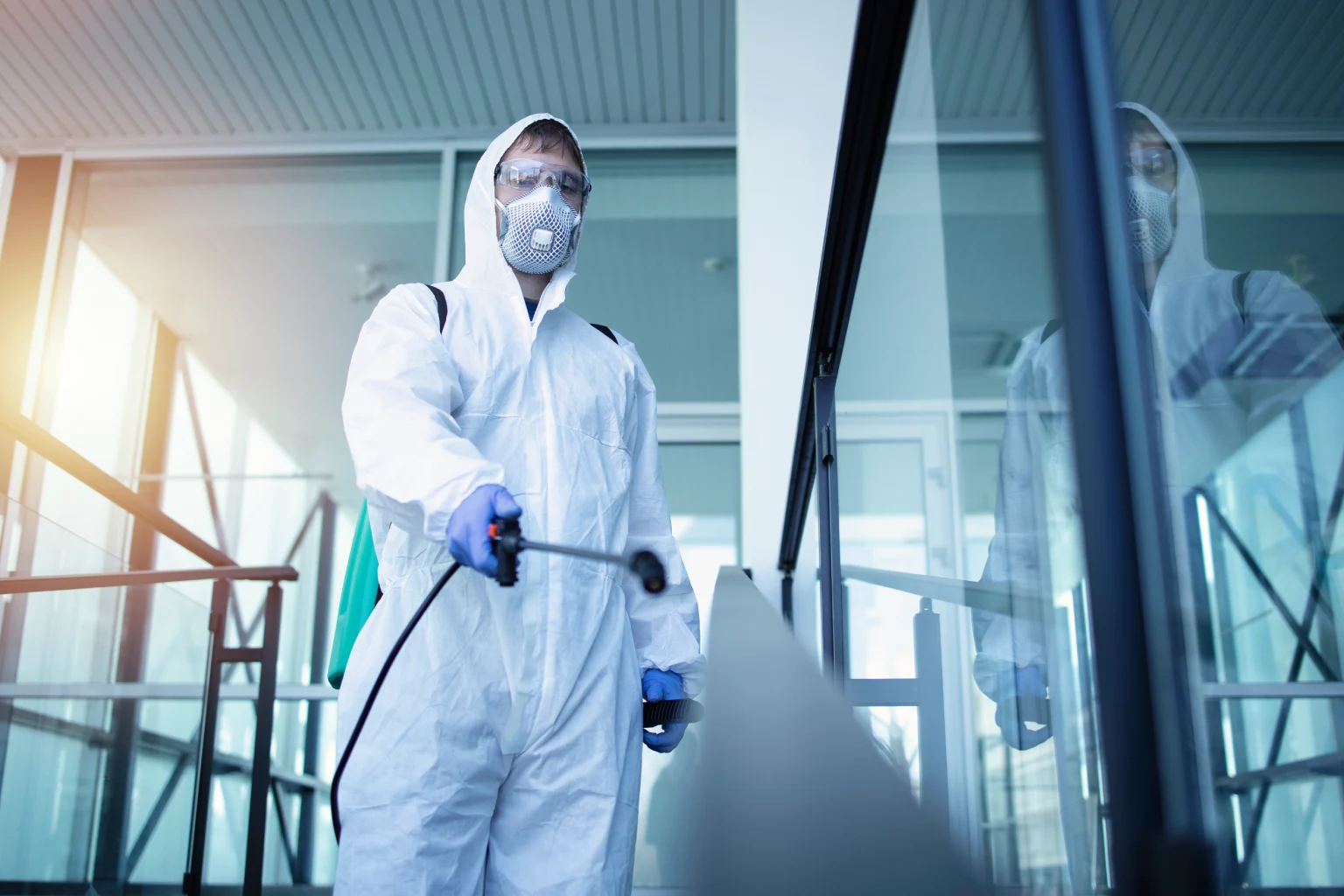
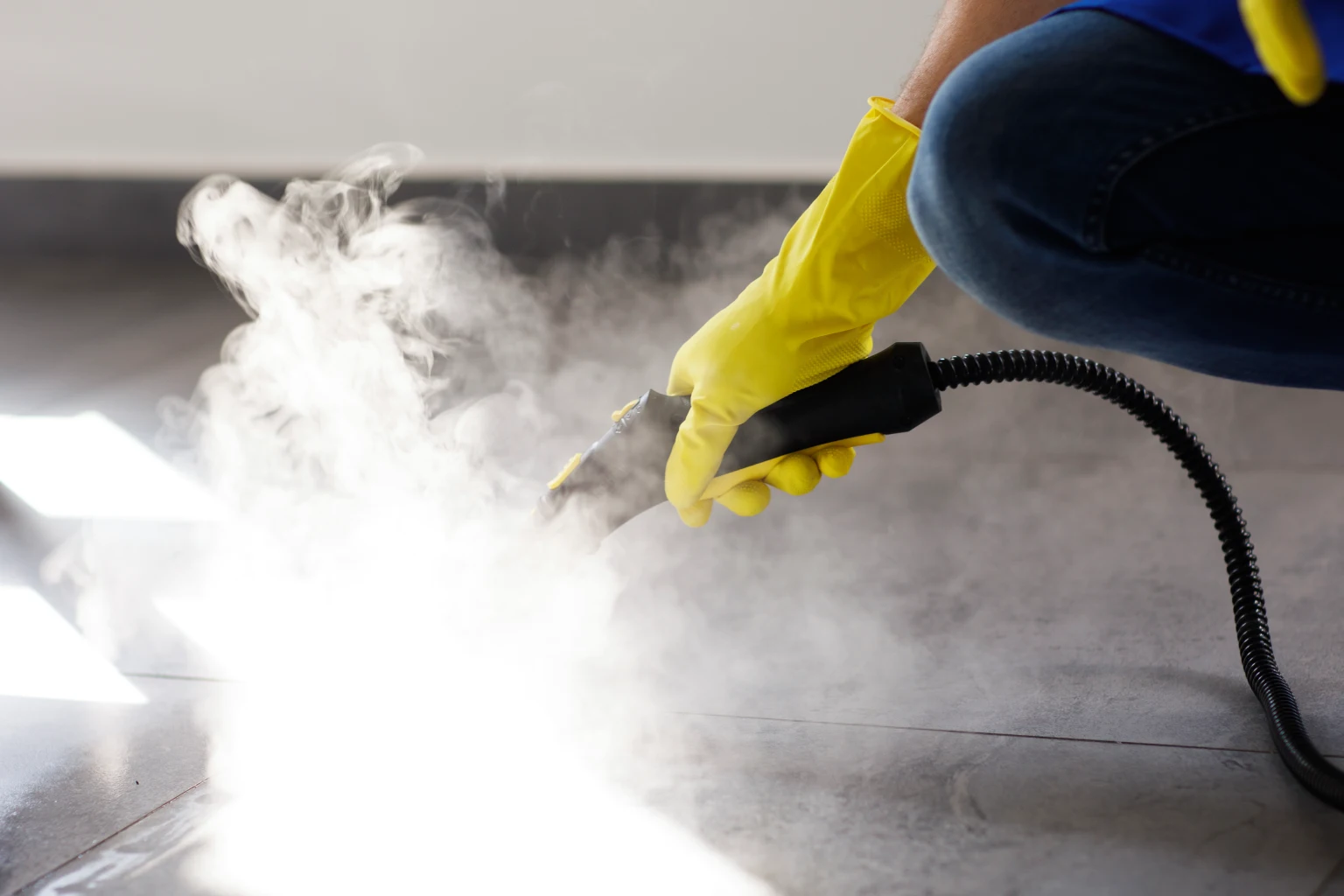
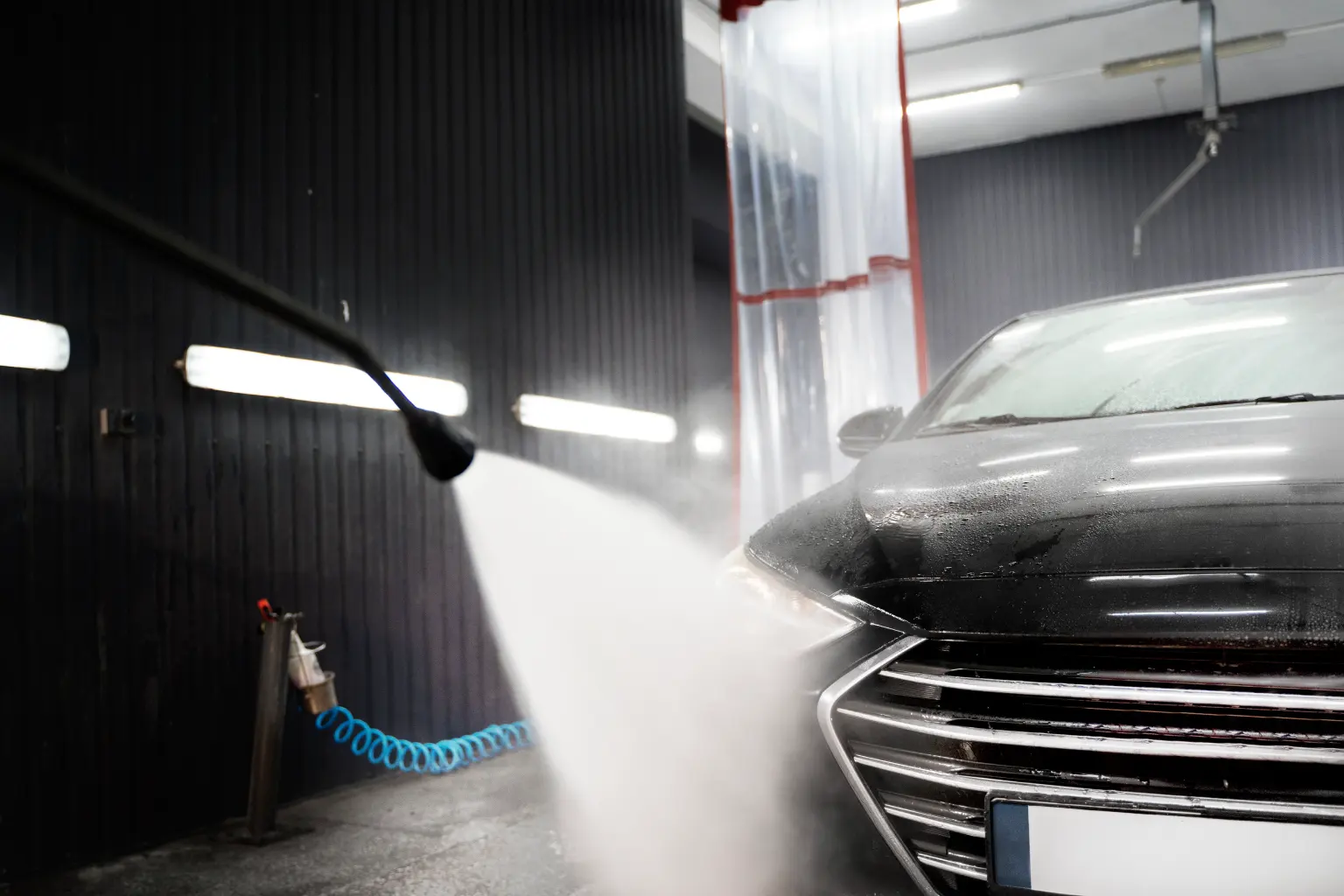
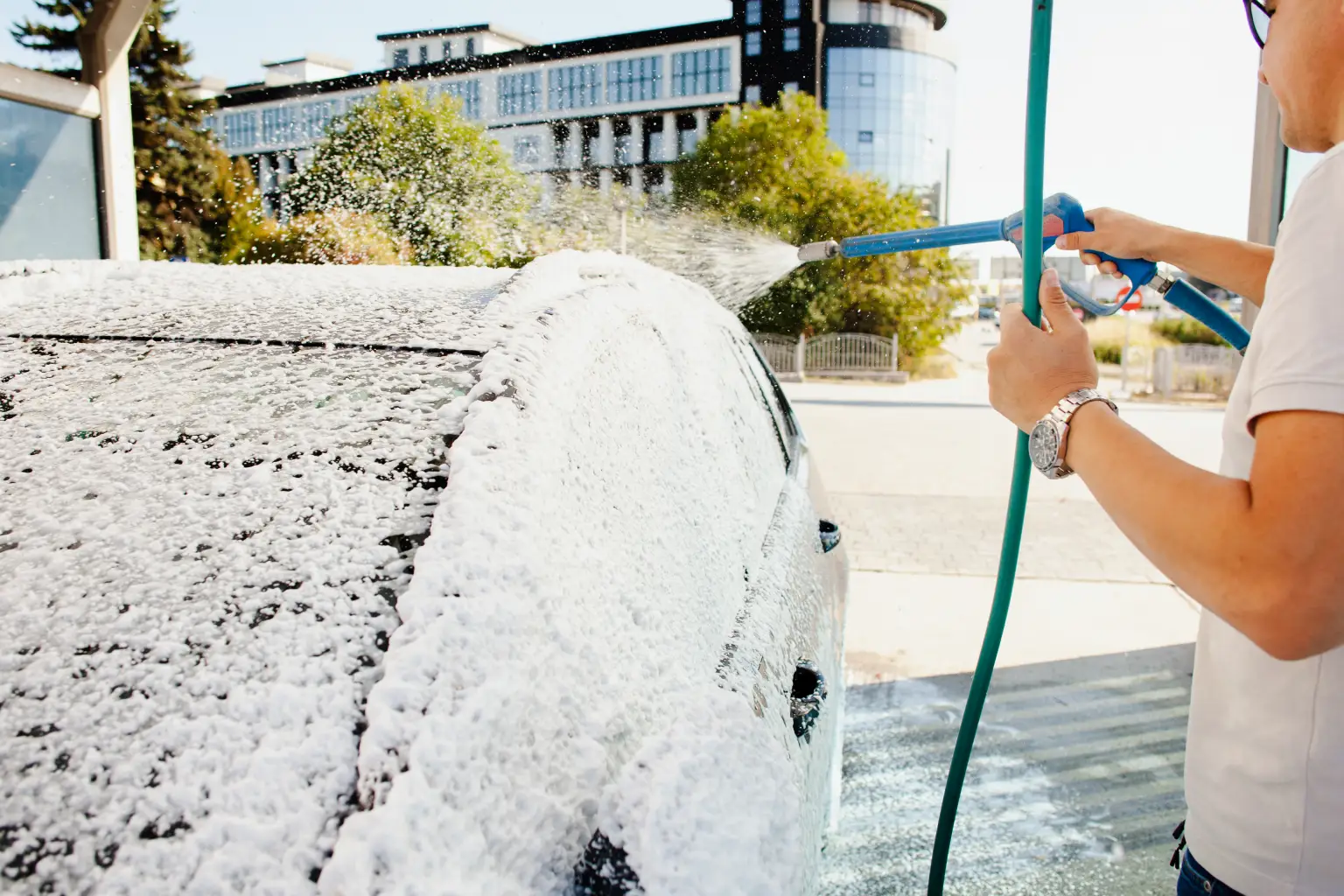

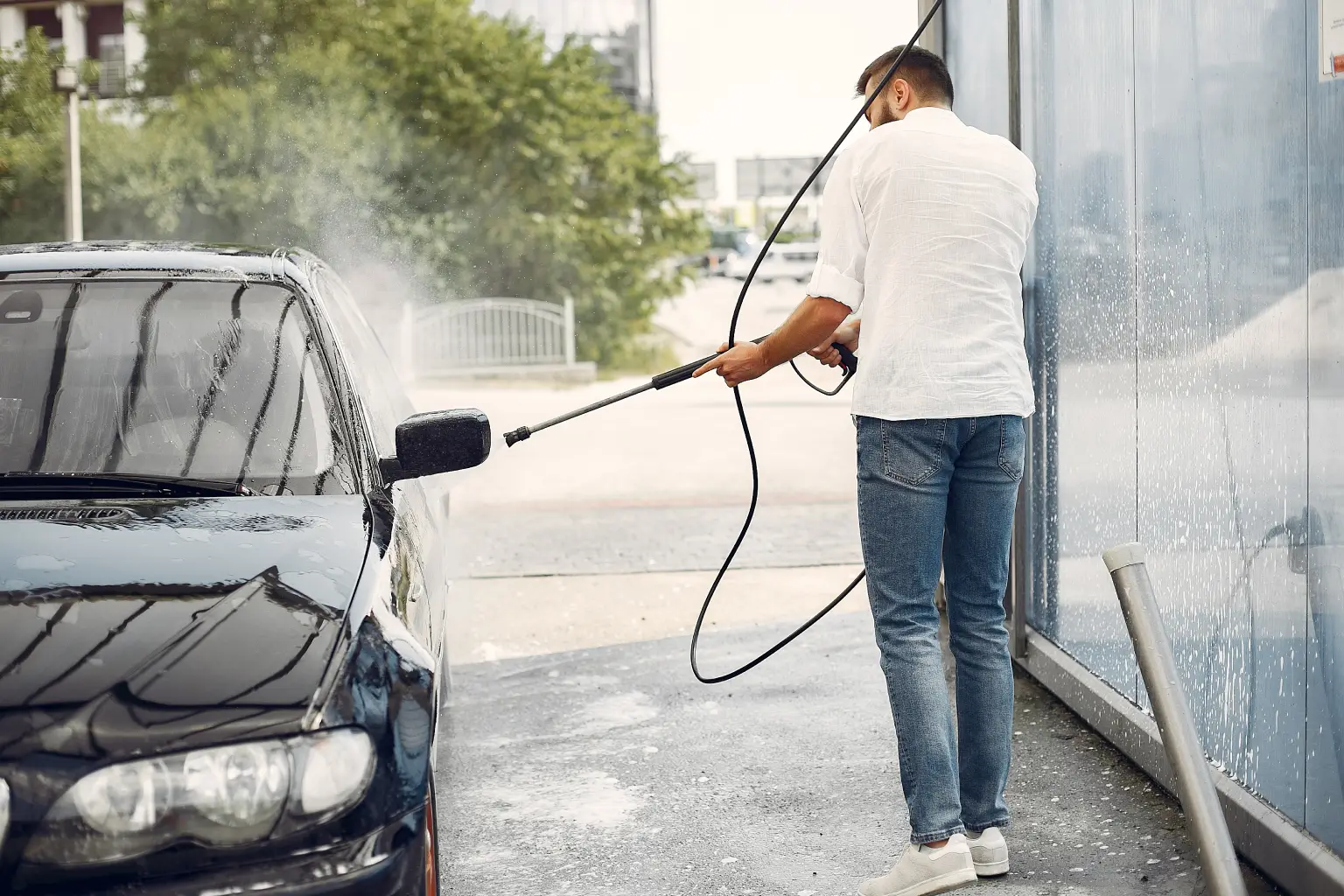
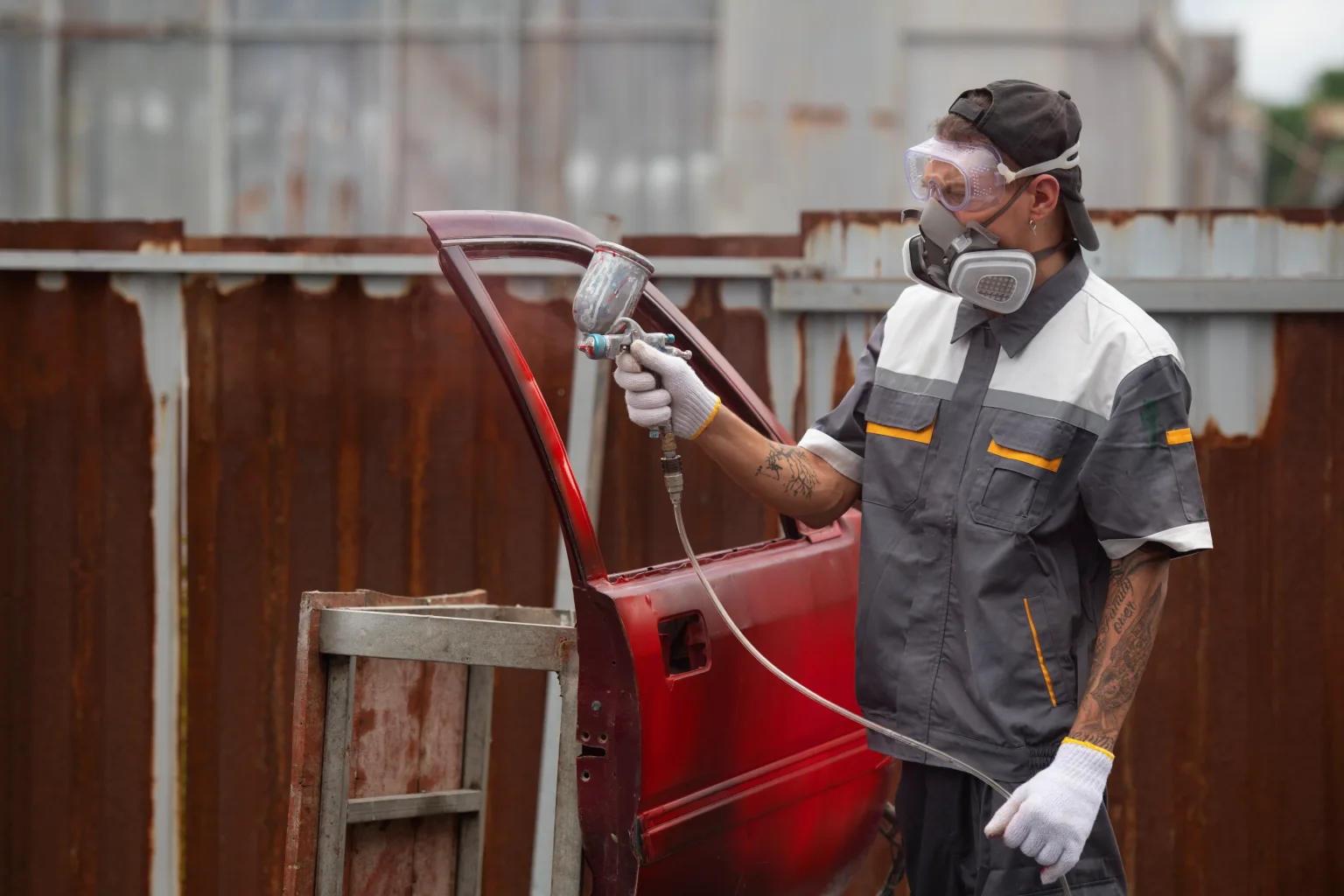
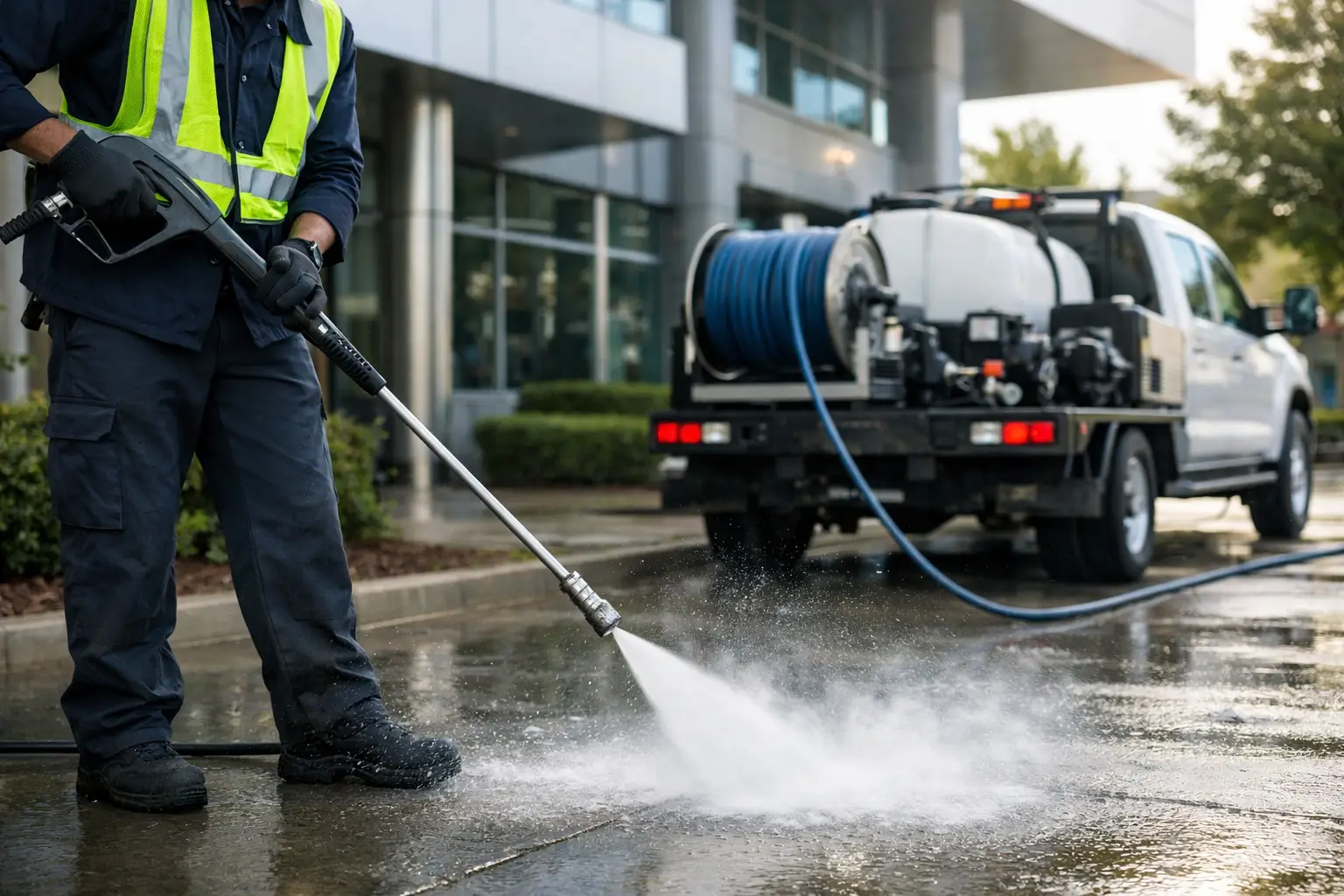
A stained dumpster pad, a grease-marked loading zone, and a high-traffic storefront sidewalk do not need the same cleaning force. That is the first answer to what psi for commercial pressure washing. PSI matters, but in commercial work, it is only one control point in a larger process that includes surface type, soil type, nozzle selection, water flow, heat, chemical support, and operator technique.
For property managers and facility teams, the practical issue is not how much pressure a machine can produce. It is how to remove buildup efficiently without etching concrete, stripping coatings, damaging mortar, forcing water into building assemblies, or creating avoidable liability. Higher PSI is not automatically better. In many commercial environments, correct PSI paired with the right flow rate and cleaning method delivers a cleaner result with less risk.
What PSI for commercial pressure washing depends on
Commercial pressure washing is not a single service category. Concrete restoration, storefront cleaning, loading dock cleaning, graffiti removal, and parking lot maintenance all involve different substrates and different contamination levels. That means the PSI range changes based on the work.
For heavy concrete cleaning, many commercial crews operate in the 2,500 to 4,000 PSI range. That can be appropriate for uncoated concrete with embedded dirt, oil residue, gum shadowing, and general traffic buildup. Even then, the exact setting should be matched to the age and condition of the slab. Older concrete, patched areas, expansion joints, and damaged sections may require a more controlled approach.
For lighter commercial surfaces, pressure often drops. Painted surfaces, EIFS, softer masonry, awnings, exterior facades, and some storefront materials may need significantly less PSI, sometimes closer to 500 to 1,500 PSI, with more reliance on detergents, dwell time, soft wash methods, or heated water. In those cases, excessive pressure creates damage faster than it creates results.
PSI is only part of the cleaning equation
Many buyers focus on PSI because it is easy to compare on paper. Commercial cleaning crews know GPM, or gallons per minute, often matters just as much. PSI is force. GPM is rinse power and productivity. A machine with balanced pressure and higher flow can clean broad commercial surfaces more effectively than a machine pushing extreme PSI with insufficient water volume.
That distinction matters on parking lots, sidewalks, dumpster pads, and loading areas where contamination must be flushed away rather than simply blasted in place. Heat also changes the equation. Grease, oil, food waste residue, and organic buildup often respond better to hot water and targeted chemistry than to higher pressure alone.
A disciplined service model looks at the full operating setup - pressure, flow, temperature, detergent, recovery needs, runoff control, and surface sensitivity. That is how commercial exterior cleaning stays productive and controlled instead of aggressive and inconsistent.
Typical PSI ranges by commercial surface
There is no universal chart that replaces field judgment, but there are practical ranges that help frame expectations.
Concrete sidewalks, pads, and service areas
Dense concrete in good condition can often tolerate 2,500 to 4,000 PSI, especially when cleaning embedded traffic film, food spills, dumpster leakage, or surface staining. On heavily soiled service areas, the operator may use surface cleaners and hot water to keep results even and reduce visible striping.
The caution is simple. High PSI on weak concrete can leave wand marks, surface scarring, or exposed aggregate. If the slab is old, flaking, recently repaired, or coated, pressure should be reduced and testing becomes essential.
Parking garages and parking lots
These areas usually call for enough pressure to cut grime but not so much that it damages striping, coatings, or deteriorated concrete. In many cases, moderate to high PSI combined with strong flow works better than maximum pressure. Large flatwork responds well to surface cleaner systems that keep pressure consistent and reduce operator variability.
Oil staining is the common point of confusion here. Pressure alone may improve appearance, but deep petroleum staining often needs pretreatment, heat, and repeat service cycles rather than simply more PSI.
Loading docks and industrial service zones
Loading docks collect tire marks, hydraulic fluid, warehouse dust, packaging debris, and food or product residue depending on the facility type. PSI may run in the same commercial concrete range, but the method must account for dock seals, doors, electrical components, bollards, and adjacent pedestrian areas. This is where precision matters more than raw force.
A professional crew will often vary pressure across the same dock area based on what is being cleaned. The slab may handle far more pressure than the doors, wall panels, or dock equipment around it.
Storefronts, building exteriors, and customer-facing entries
These surfaces usually require a lower-pressure approach. Glass, painted trim, signage, stucco, decorative stone, and facade elements can be damaged by unnecessary PSI. Customer-facing properties also have less tolerance for visible mistakes. Etching, oxidation lines, broken seals, or displaced caulk are not minor issues when appearance standards are part of the brand experience.
In these settings, lower PSI with detergent support is often the correct method. The goal is controlled cleaning with minimal disruption, not brute-force washing.
Graffiti removal
Graffiti is one of the clearest examples of why asking only about PSI is incomplete. The right pressure depends on whether the graffiti sits on brick, sealed concrete, painted metal, masonry block, or a coated panel system. Too much pressure can remove the graffiti and the finish beneath it.
Professional removal often uses specialized chemistry first, then calibrated pressure to rinse and finish the surface. On sensitive substrates, lower PSI is a sign of control, not weaker service.
When high PSI becomes a problem
Commercial clients usually call after the surface already looks bad. That creates pressure to restore appearance quickly, especially at retail centers, restaurant properties, and industrial entrances. But pushing PSI too high to accelerate a result often creates a second problem.
Concrete can be etched. Mortar can be disturbed. Painted surfaces can peel. Window seals and door frames can be compromised. Water can be driven into wall cavities, electrical areas, or joints not intended to take direct pressure. On aged assets, the damage may not be obvious until after the surface dries.
There is also an operational problem. Excessive pressure without process control can leave inconsistent cleaning patterns, tiger striping, and visible pass lines across large flatwork. That is not the standard commercial properties need, especially across multi-site portfolios where consistency matters.
How professionals determine the right PSI
A disciplined contractor does not arrive and default to one machine setting for every job. The process starts with inspection. Surface material, age, condition, coating status, traffic exposure, staining type, drainage, and adjacent risks all affect the pressure range.
Test sections are a key part of this. A small controlled area shows whether the surface can handle the proposed pressure and whether chemistry or heat should do more of the work. This protects the asset and avoids committing an entire property to the wrong method.
The most effective crews also think in terms of production planning. A shopping center entrance cleaned during business hours has different constraints than an industrial service yard cleaned after hours. PSI decisions should reflect not only cleaning power, but runoff control, pedestrian safety, noise, overspray, and how fast the site must return to service.
That is where a managed commercial provider stands apart from a basic contractor. The equipment matters, but the work order, site notes, scheduling discipline, and repeatable field process matter just as much.
What property managers should ask instead of only asking about PSI
If you are evaluating a provider, asking what PSI for commercial pressure washing is a reasonable starting point. It should not be the only question. A stronger question is how they determine the proper PSI for each surface and contamination type.
You should also ask whether they use hot water where needed, how they protect sensitive materials, whether they pre-treat stains, how they handle wastewater concerns, and how they document service across multiple locations. Those answers reveal whether you are hiring a pressure washer or a commercial exterior cleaning operation.
At Einstein Surface & Environmental Services, that distinction matters. Commercial properties need industrial-grade execution, but they also need scheduling control, consistent communication, and a service process that scales across locations without lowering standards.
The right PSI is the one that cleans effectively, protects the surface, and fits the operational realities of the site. If a contractor can explain that clearly before work begins, you are usually talking to the right team.