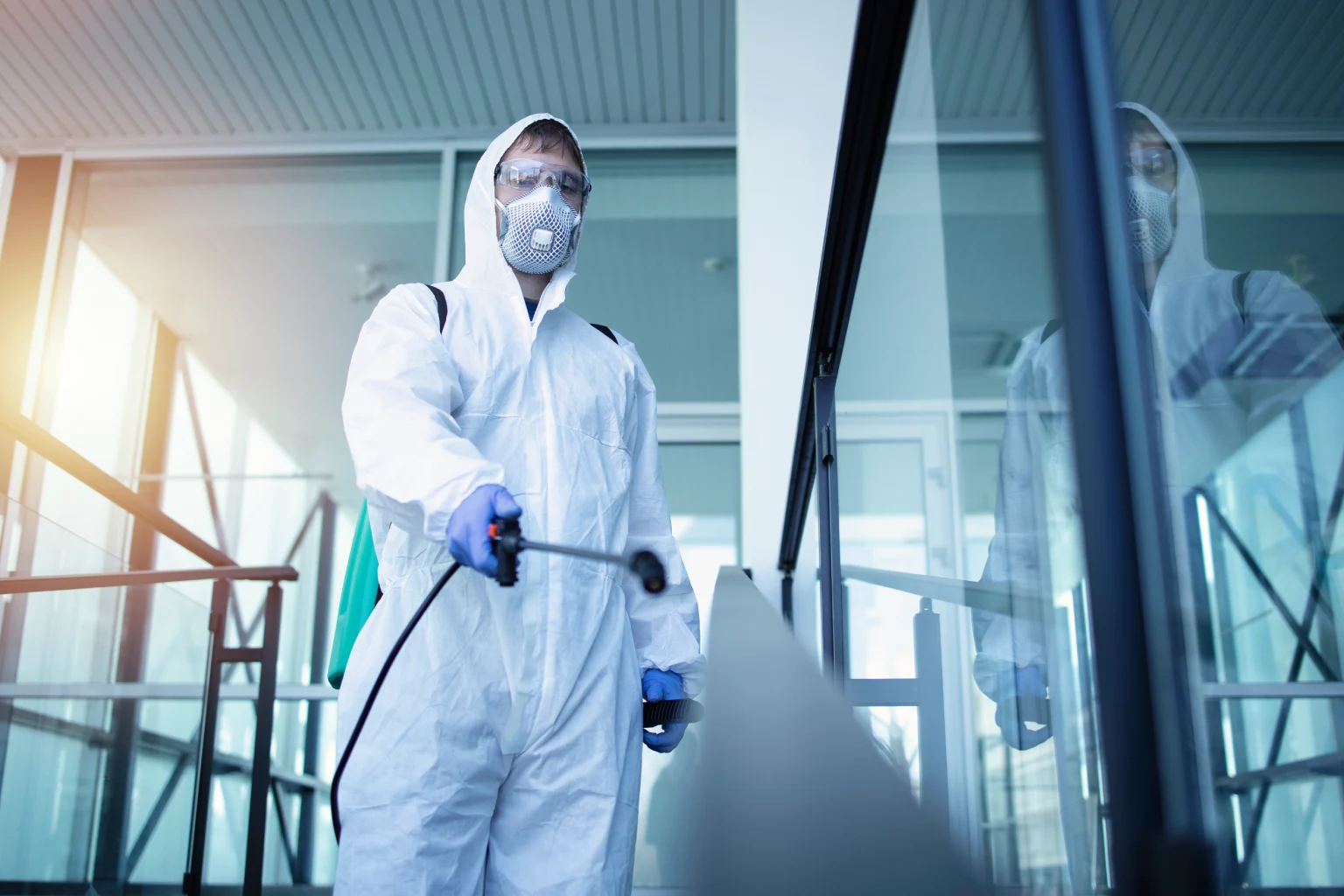
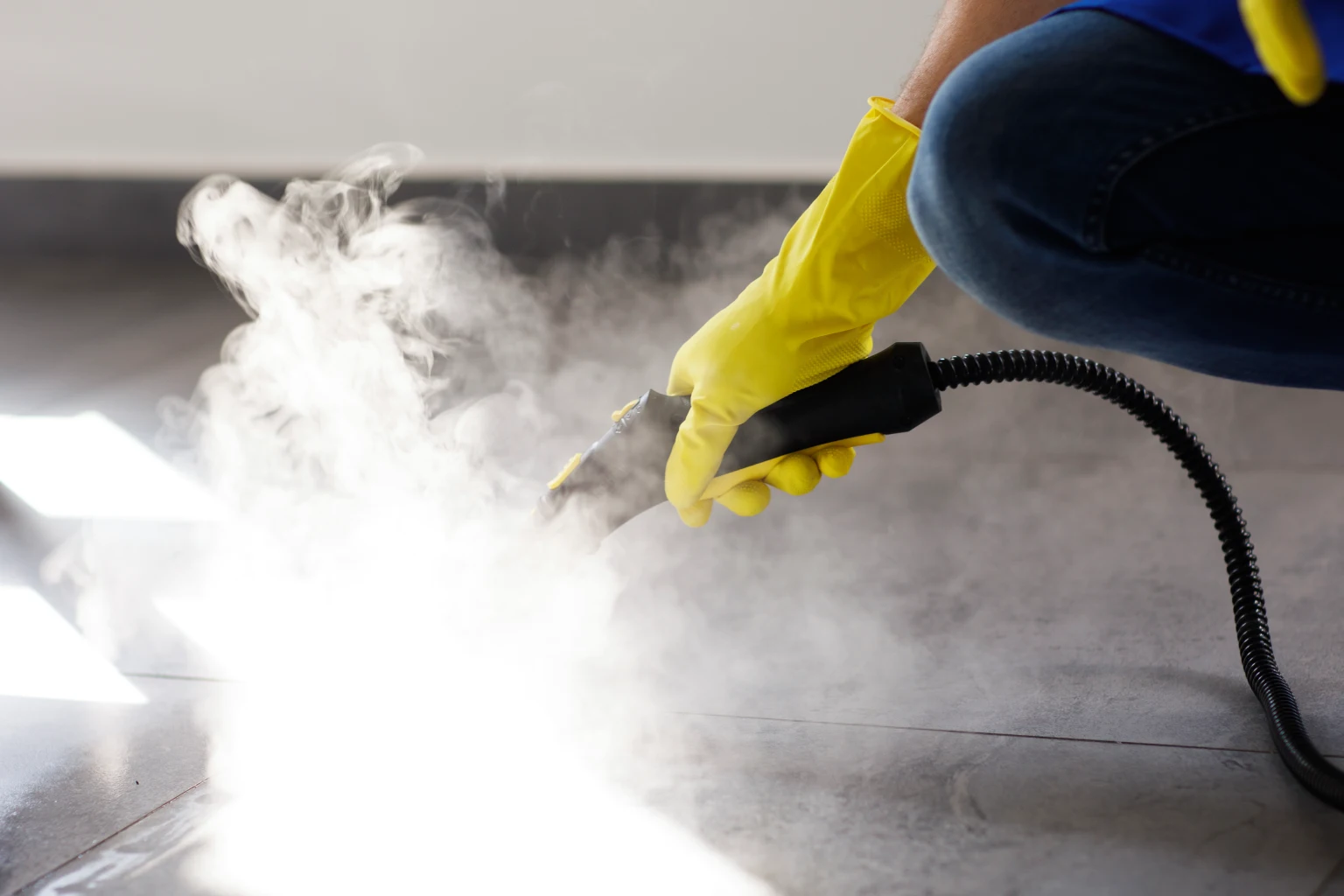
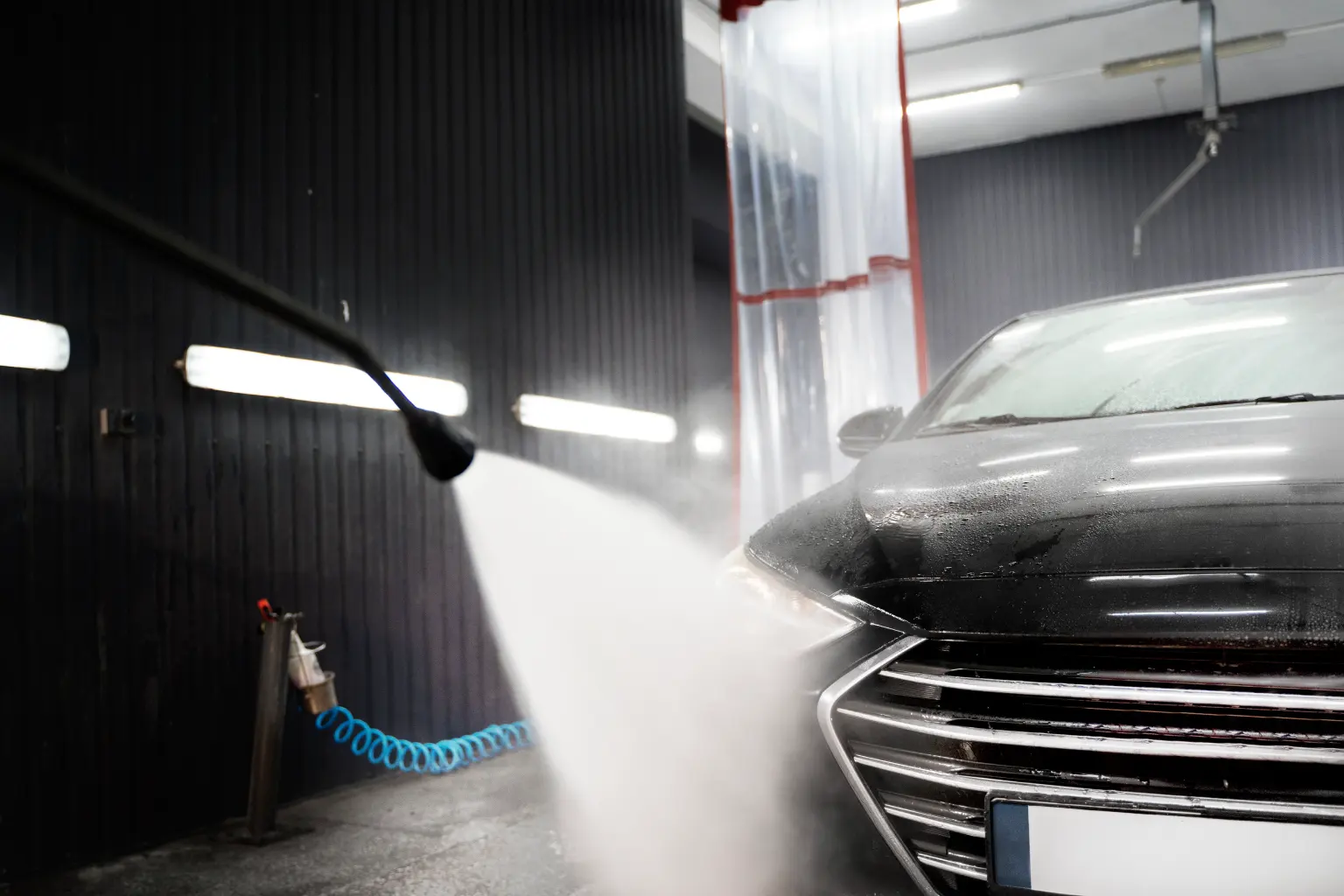
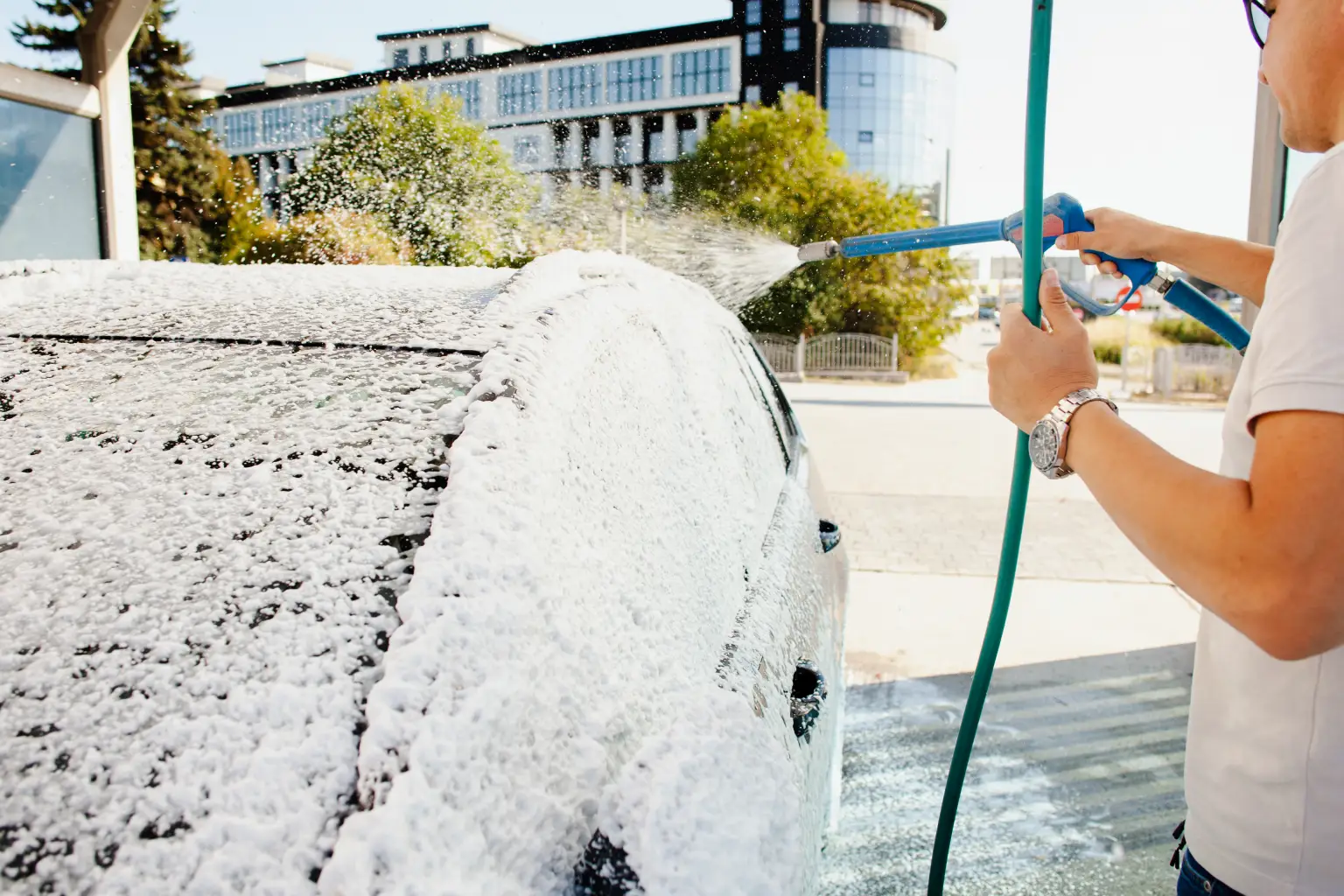

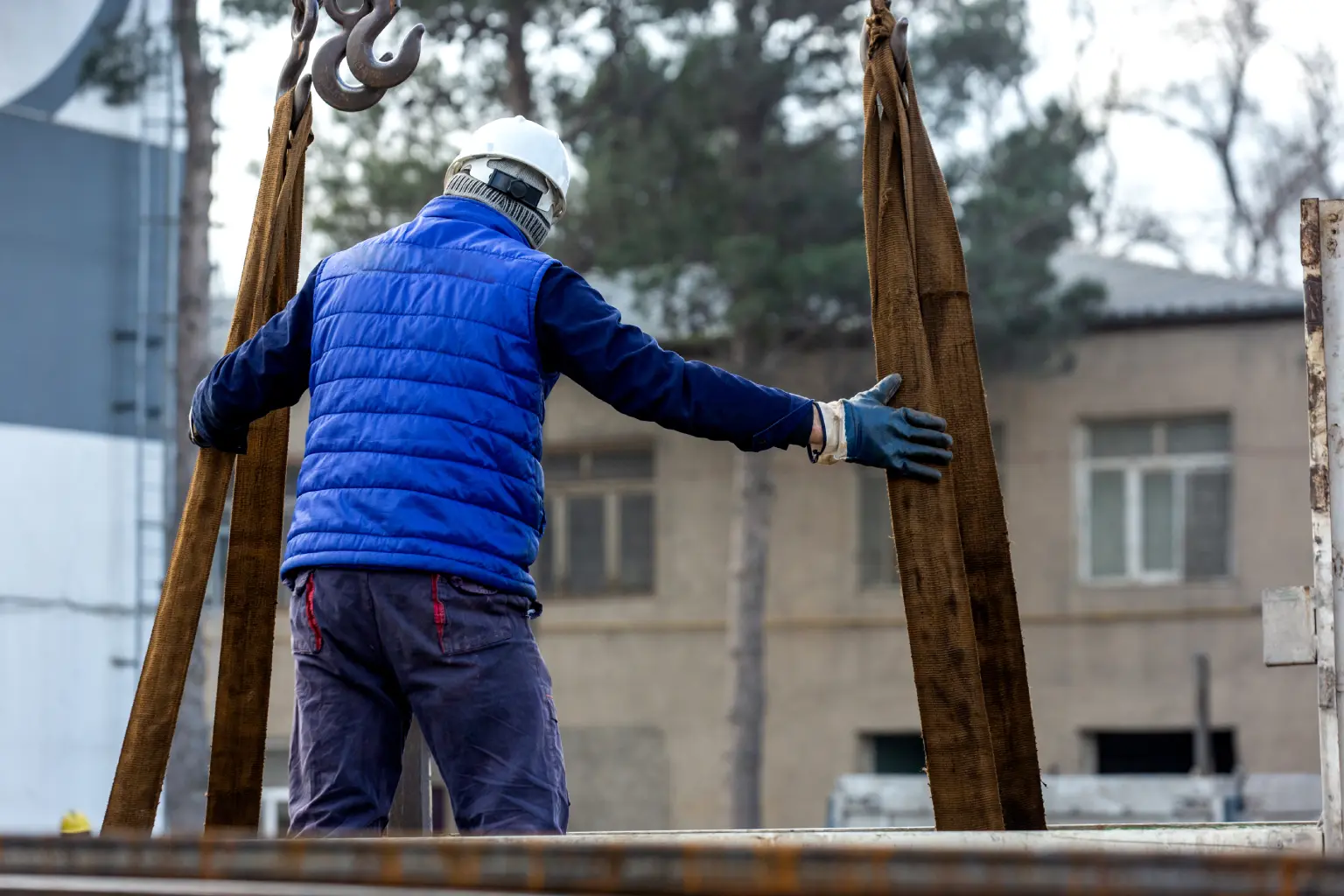
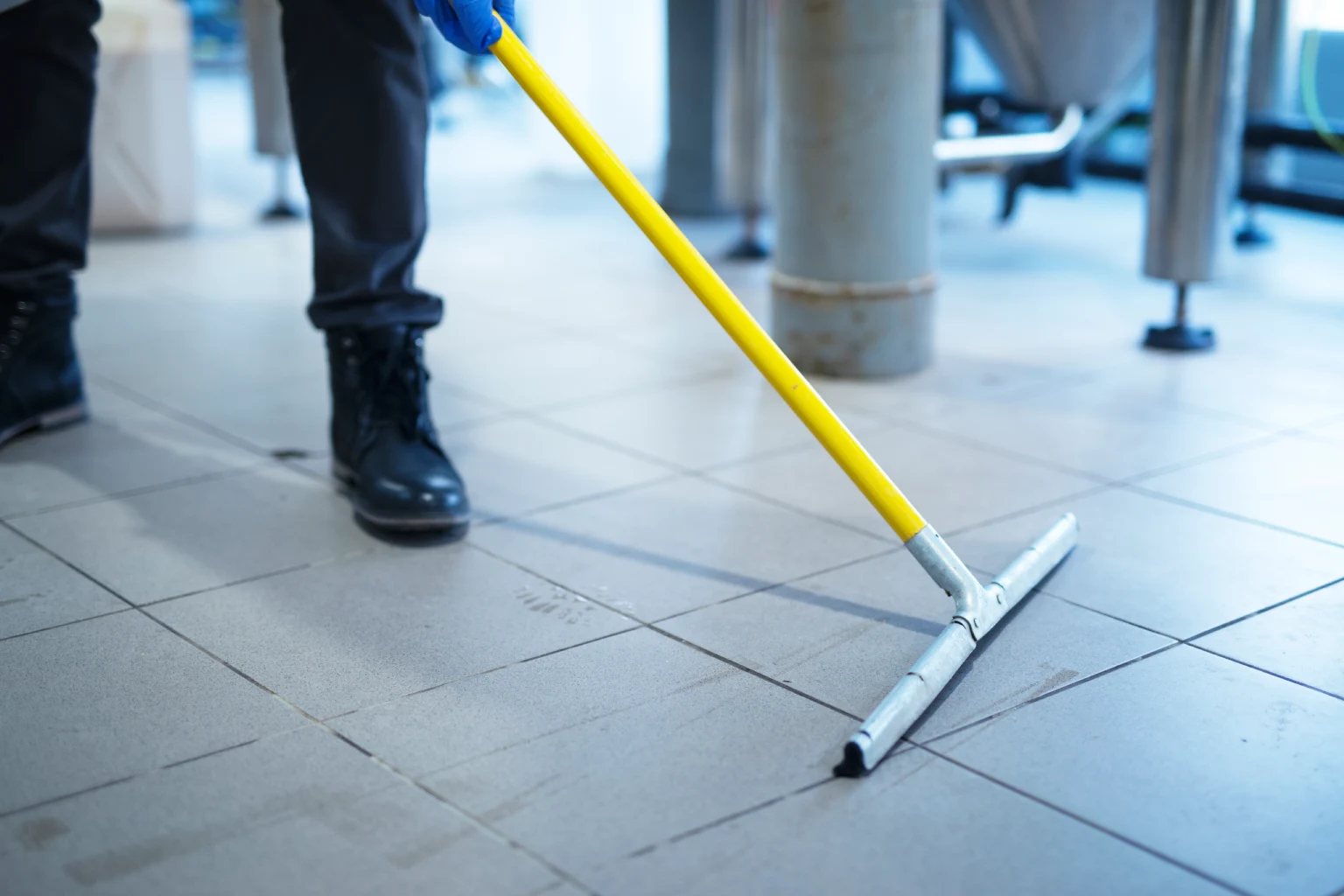
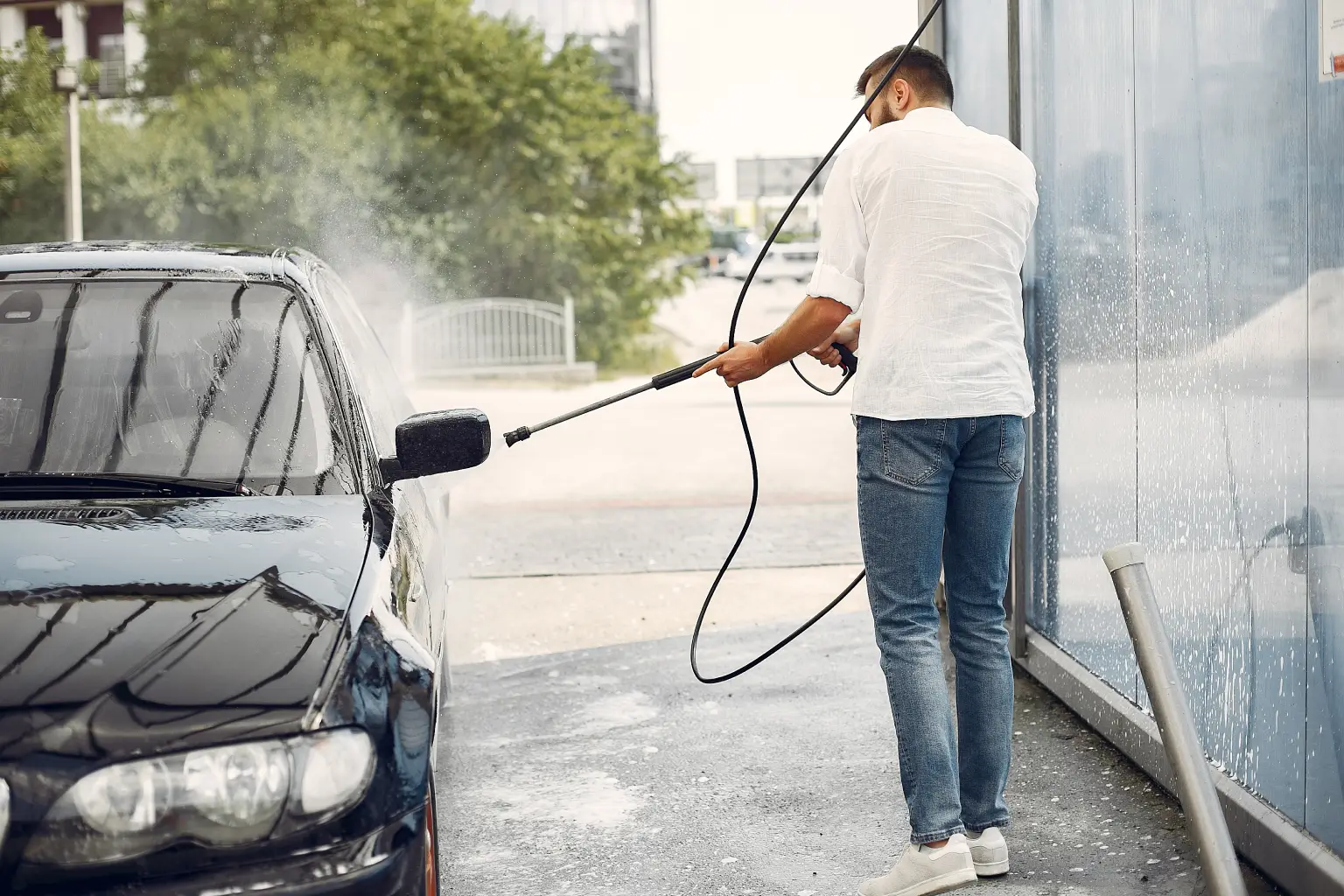
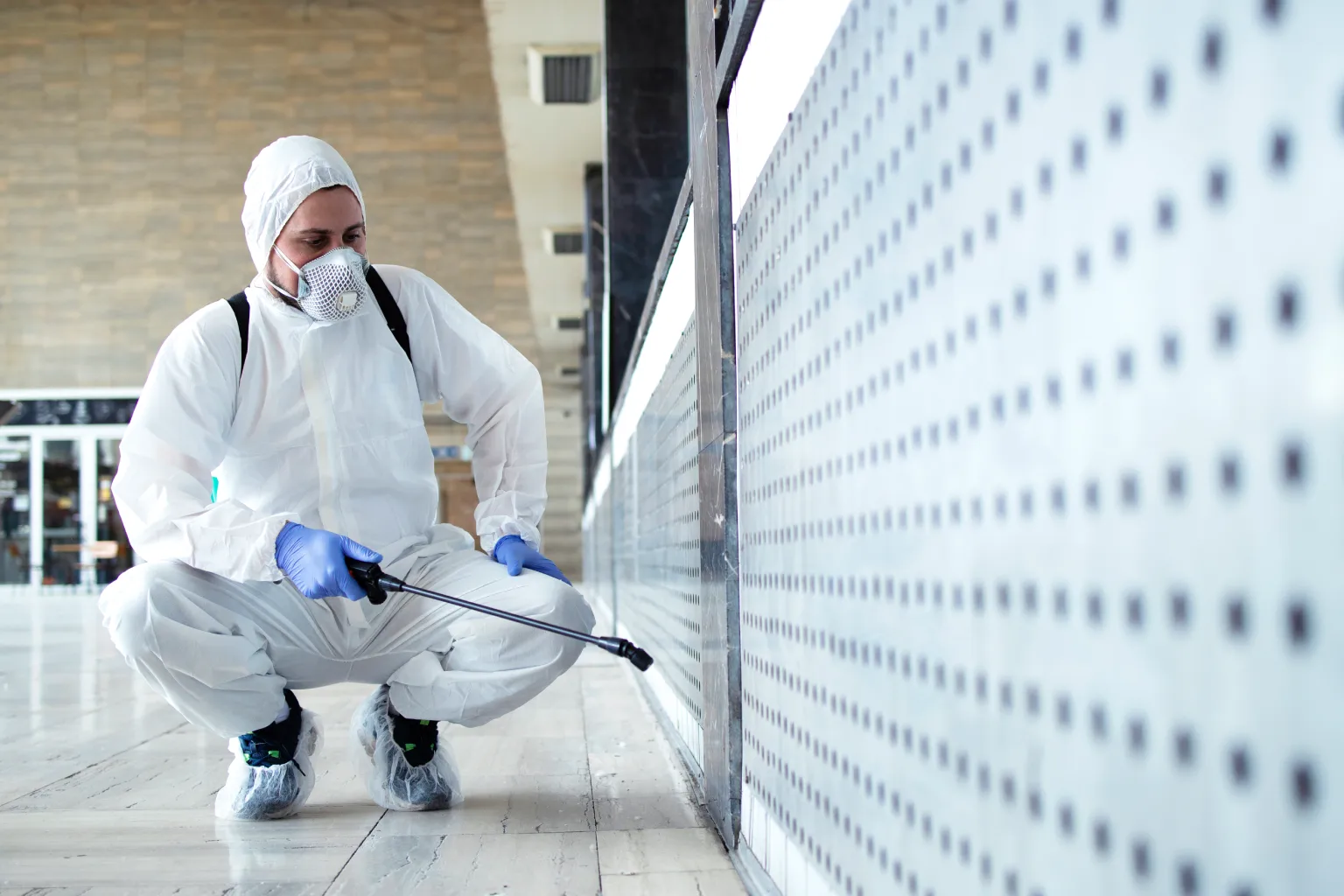
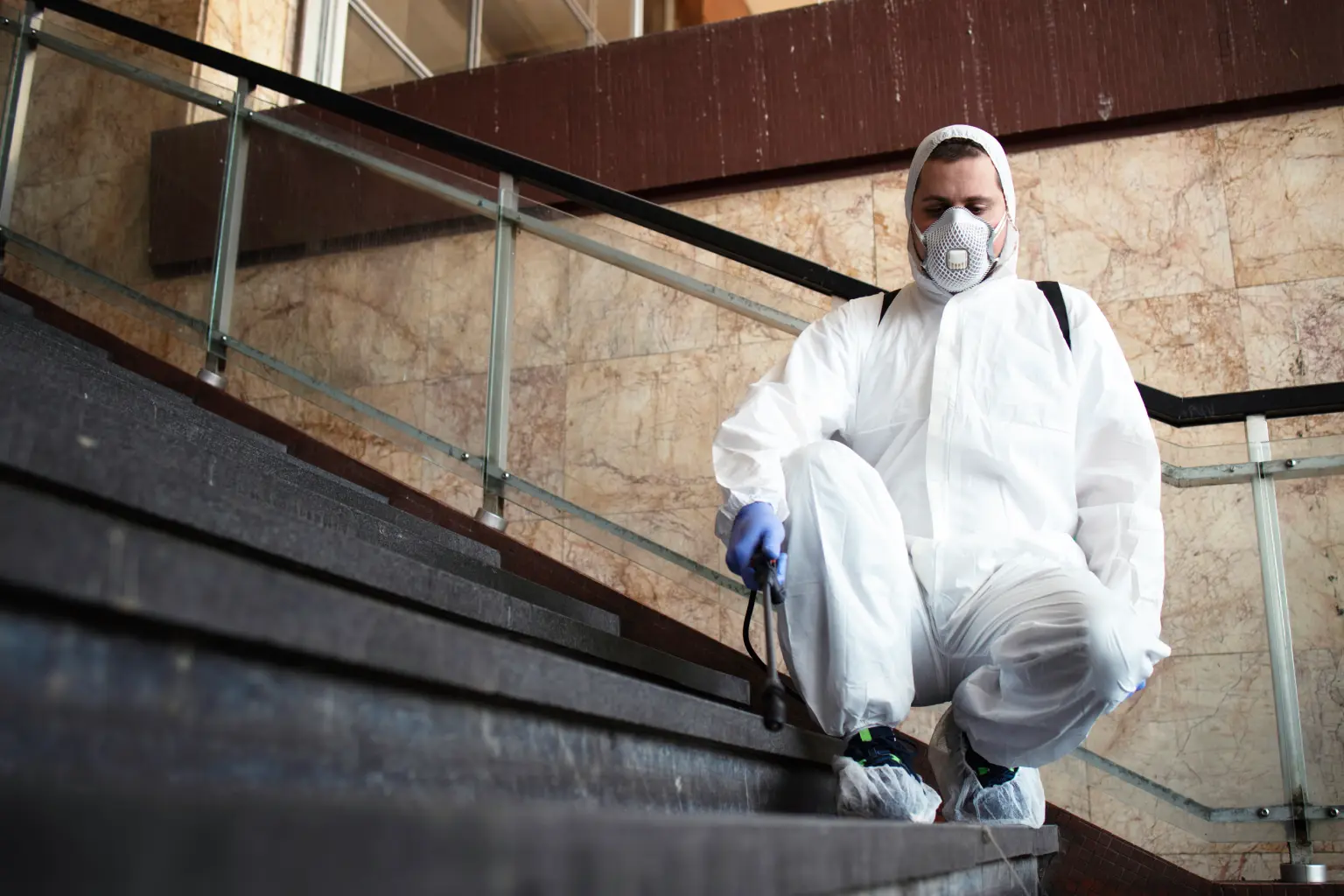
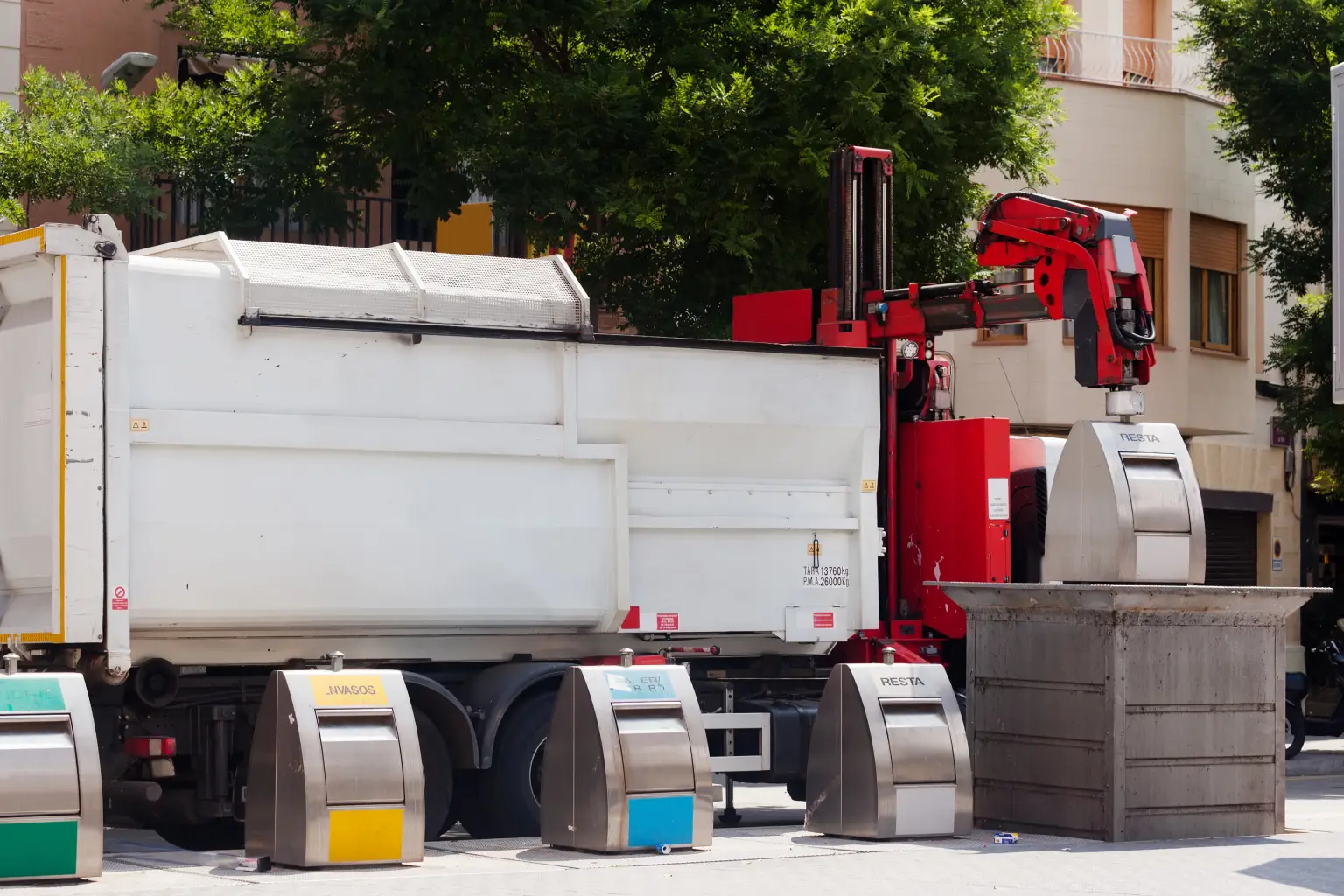
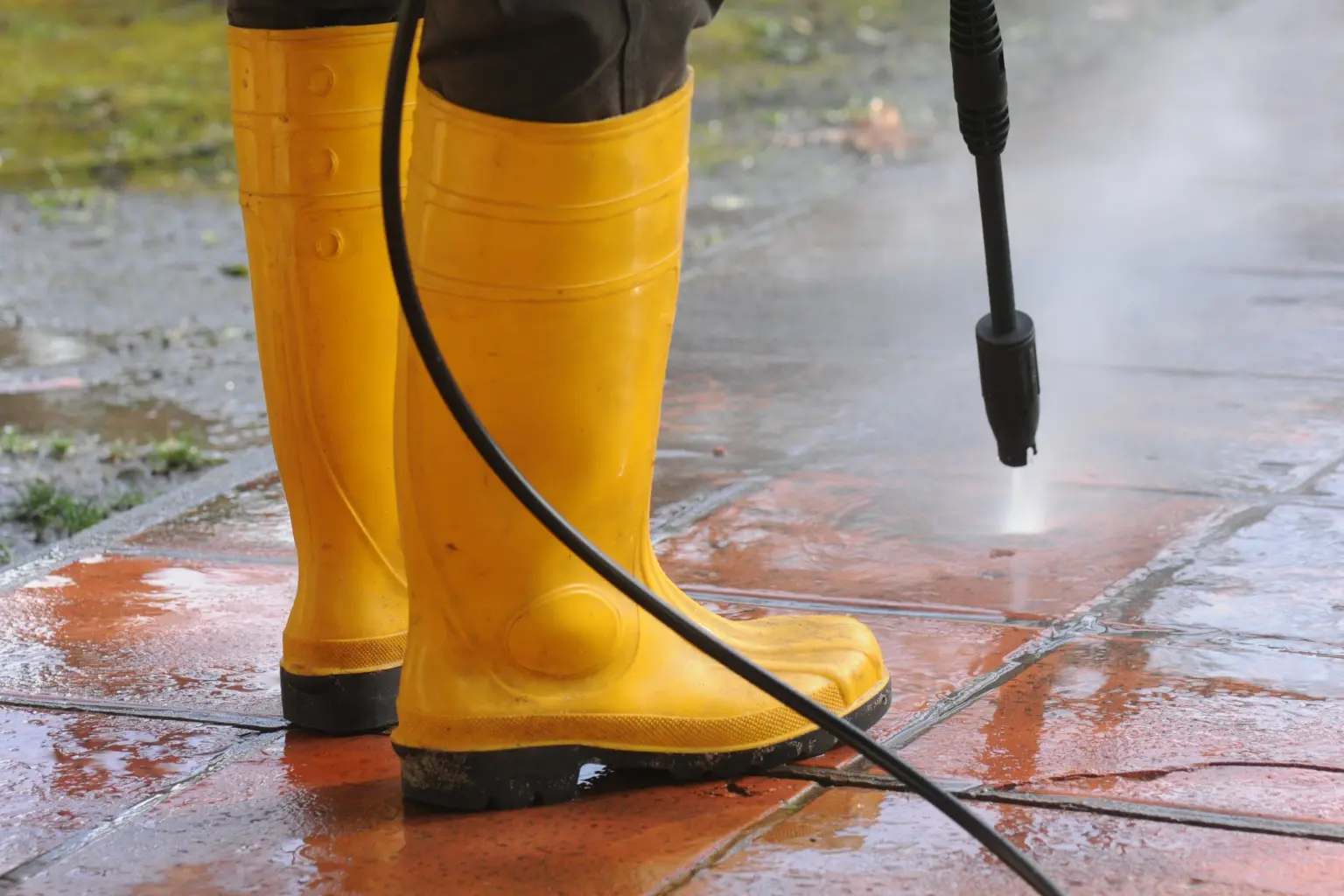
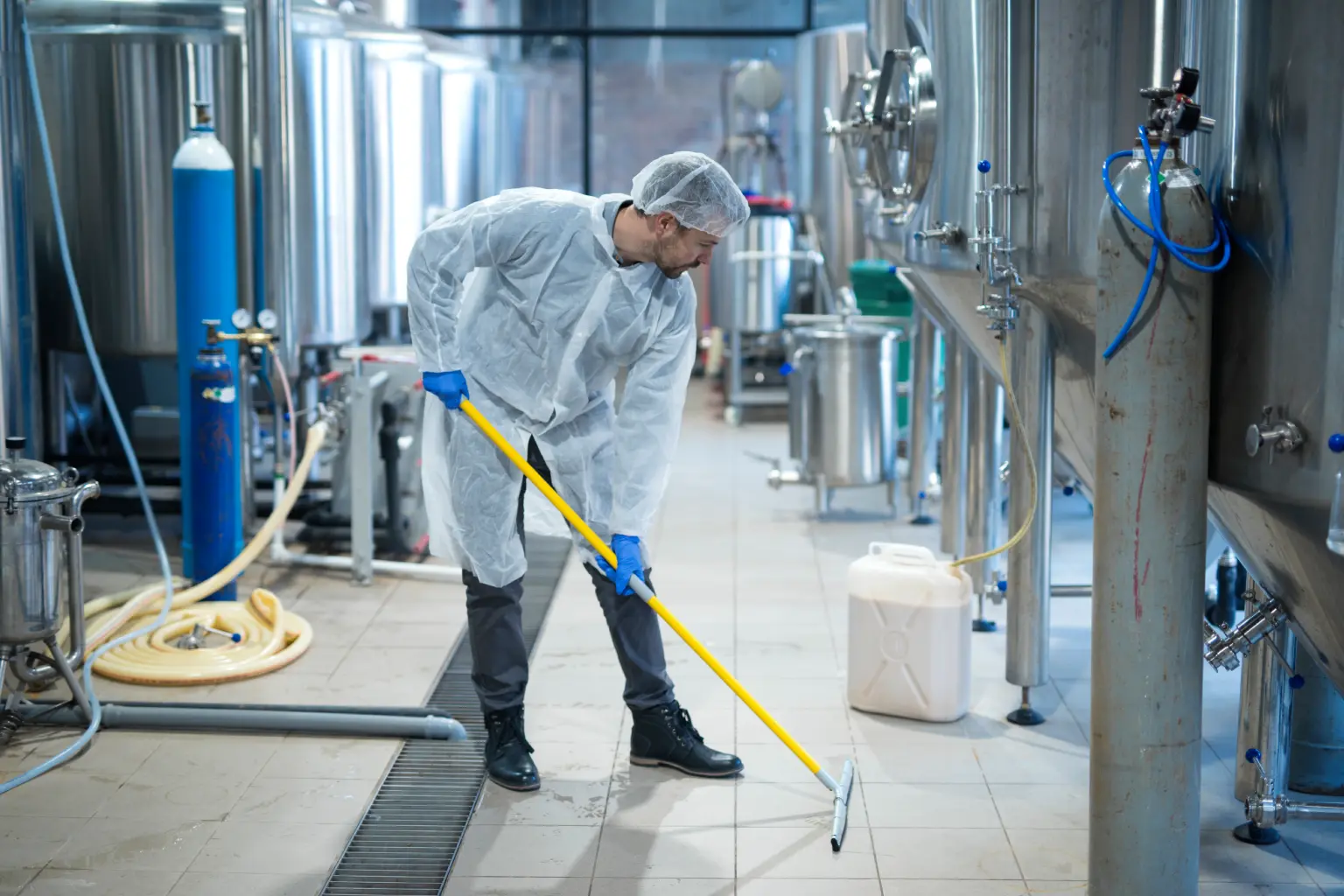
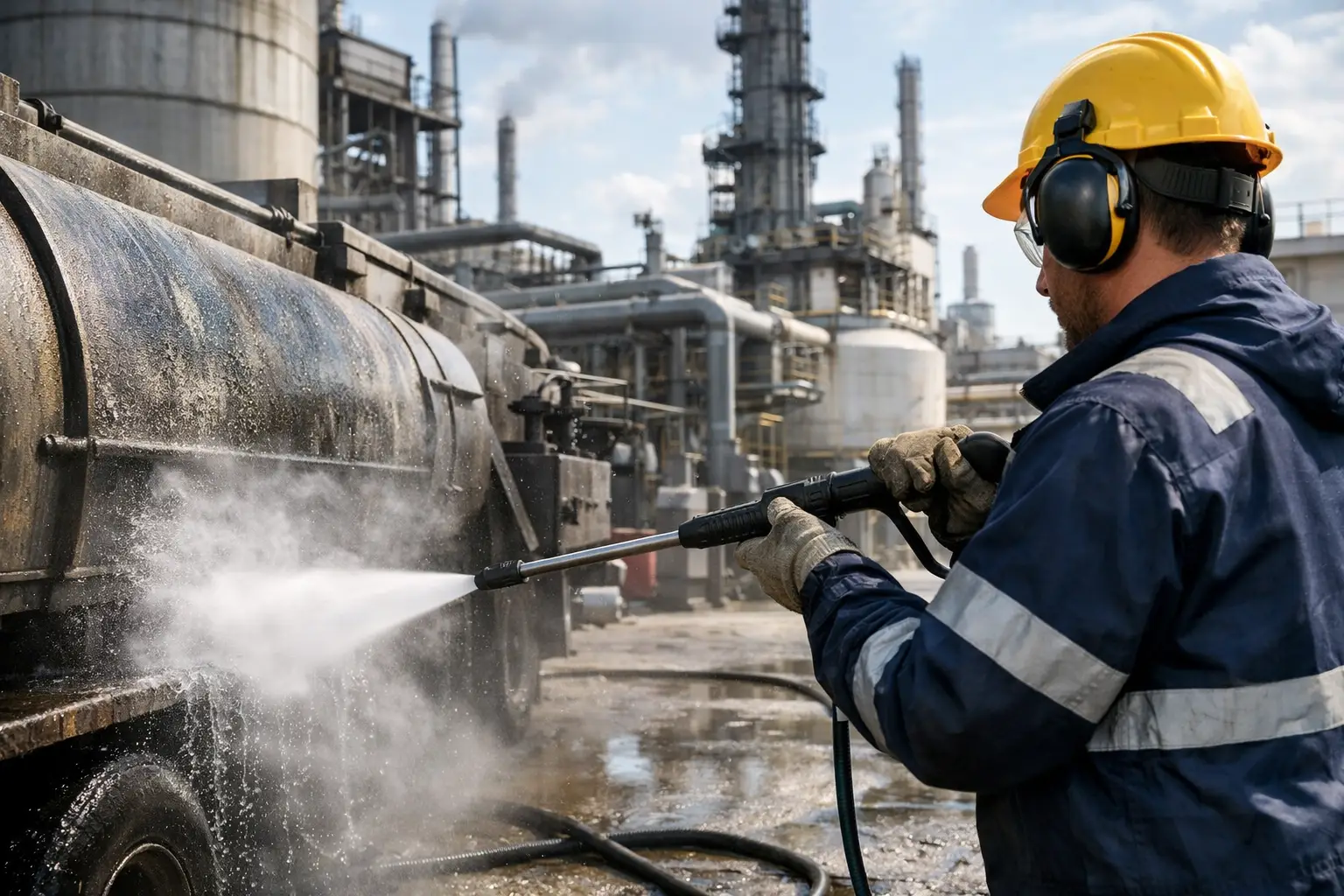
A loading dock with oil staining, a dumpster enclosure with buildup, and a retail sidewalk that has darkened from traffic do not have the same cleaning requirements. That is the first useful answer to the question, what is industrial pressure washing. It is not simply spraying water at high force. It is a controlled exterior cleaning process designed for commercial and industrial environments where surface condition, safety, runoff, access, and operational timing all matter.
Industrial pressure washing uses commercial-grade equipment, trained field methods, and site-specific cleaning plans to remove contaminants from hard exterior surfaces. Depending on the property, that may include dirt, grease, algae, gum, food waste, oxidation, soot, graffiti residue, or embedded staining. The goal is not just to make a surface look better. It is to restore function, support safety, protect the asset, and maintain a property standard that aligns with how the site is used.
What Is Industrial Pressure Washing in Practice?
In practice, industrial pressure washing is a managed cleaning service for high-traffic and high-exposure environments. It typically applies to shopping centers, parking areas, loading zones, storefronts, service corridors, dumpster pads, warehouse exteriors, and other commercial surfaces that accumulate heavy buildup over time.
The word industrial matters because the work is different from basic residential washing. The equipment is more capable, the scope is larger, and the cleaning methods have to account for material type, contamination level, pedestrian traffic, drainage conditions, and business operations. A property manager may need overnight service to avoid disruption. A facility supervisor may need documented work orders and recurring scheduling across multiple sites. A retail operator may need the front entrance cleaned without affecting morning foot traffic. Industrial pressure washing sits inside that operational reality.
This is also why pressure alone is only one part of the process. In many cases, excessive pressure is the wrong approach. Effective cleaning often depends on balancing pressure, water volume, temperature, dwell time, detergents, surface recovery methods, and technician control. Concrete can tolerate one approach. Painted surfaces, building facades, and delicate finishes may require another.
How Industrial Pressure Washing Works
Most industrial pressure washing projects begin with a site assessment. The contractor identifies the surface material, the type of contamination, any runoff concerns, and the access limitations around the work area. That assessment shapes the cleaning plan.
From there, technicians use industrial-grade pressure washing systems that may include hot water units, surface cleaners, reclaim systems, and specialized chemical application tools. Hot water is often necessary for grease, food-related residue, and petroleum staining because temperature improves the breakdown of oily contaminants. Cold water can be sufficient for some dirt and sediment, but it is not always enough for heavy commercial buildup.
The method changes based on the task. A dumpster pad may require pretreatment, agitation, hot water cleaning, and close attention to wastewater control. A storefront walkway may need lower-impact cleaning with a focus on appearance and slip reduction. A loading dock may require removal of tire marks, hydraulic fluid residue, and compacted grime without interfering with deliveries.
That is where experienced execution matters. Industrial pressure washing is rarely one standard setting applied across an entire property. It is a series of controlled adjustments made to achieve the right result without damaging the surface or creating avoidable operational issues.
Where Industrial Pressure Washing Is Used
Commercial properties rely on industrial pressure washing anywhere appearance, safety, sanitation, or asset condition can decline from buildup. Parking lots and parking garages are common examples because vehicle traffic leaves behind sediment, leaks, and staining that gradually make a site look neglected. Storefronts and sidewalks are another because customer-facing areas show wear quickly and influence first impressions.
Service-heavy zones often need even more attention. Dumpster pads, rear corridors, loading docks, and service entrances collect organic waste, grease, spilled liquids, and persistent odor sources. These areas are not always visible to the public, but they still affect sanitation standards, slip risk, pest pressure, and tenant satisfaction.
Industrial sites may also use pressure washing for yard areas, equipment pads, structural concrete, and exterior walls where production residue, dust, or environmental buildup accumulates. The right scope depends on the facility type. A retail center has different priorities than a distribution site, and both differ from a restaurant-heavy commercial property.
What Industrial Pressure Washing Removes
The practical value of industrial pressure washing becomes clearer when you look at the contaminants involved. Surface dirt is the easy part. Commercial and industrial sites often deal with layered buildup that bonds to the substrate over time.
That can include grease, oil, tire marks, gum, rust transfer, mildew, algae, soot, food waste residue, graffiti shadowing, and staining from trash enclosures or foot traffic. Some of these contaminants are mainly aesthetic. Others create safety issues, odor issues, or accelerated surface deterioration.
Not every stain will disappear completely, and that is an important distinction. Older rust, deep oil penetration, etching, and permanent discoloration may improve significantly without returning to a like-new condition. A professional contractor should be clear about that. Good industrial pressure washing improves the surface as far as the material and contamination history allow. It is not a promise of cosmetic perfection on every substrate.
Why Commercial Clients Invest in It
For commercial stakeholders, the value is broader than cleanliness. Industrial pressure washing helps control property presentation, reduce slip hazards, support tenant expectations, and keep service areas from falling into obvious decline. On customer-facing sites, that affects brand perception. On managed properties, it affects asset condition and operational standards.
There is also a maintenance advantage. Buildup that sits too long becomes harder and more expensive to remove. Routine cleaning usually produces better results than occasional restoration after severe neglect. That matters for concrete, coated surfaces, and high-traffic areas that absorb repeated exposure to vehicles, waste, moisture, and foot traffic.
For multi-site operators, consistency is another reason to invest. A professional service model brings scheduling, documentation, recurring scope management, and accountability into the process. That reduces the common problem of exterior cleaning being handled reactively, site by site, with uneven standards.
Industrial Pressure Washing vs. Standard Pressure Washing
The main difference is not just machine size. It is the combination of capability, process control, and service structure. Standard pressure washing often refers to smaller-scale cleaning with less operational complexity. Industrial pressure washing is built for larger properties, tougher contamination, tighter timelines, and higher service expectations.
That difference shows up in several ways. The equipment is more specialized. The technicians are expected to understand different surfaces and contamination types. The scheduling often has to work around business hours, deliveries, and tenant activity. Documentation may be required. Environmental controls may be necessary. In many commercial settings, the vendor is being evaluated not only on cleaning results but also on responsiveness, communication, and repeatability.
That is why serious commercial clients tend to look beyond a low-price contractor model. They need a provider that can execute in the field and manage the account professionally.
What to Look for in an Industrial Pressure Washing Provider
A capable provider should be able to explain how they will clean the surface, what level of improvement is realistic, and how the work will be scheduled around site operations. They should also understand runoff concerns, access restrictions, and the difference between one-time restoration and recurring maintenance.
For commercial portfolios, administrative structure matters as much as field execution. Clear estimates, appointment confirmation, work orders, service tracking, and a reliable communication process reduce friction for property teams. That is especially important when multiple stakeholders are involved or when service is being coordinated across several locations.
Companies like Einstein Surface & Environmental Services are built around that higher standard of delivery. The cleaning itself matters, but so does the management system behind it.
When It Makes Sense and When It Depends
Industrial pressure washing makes sense when buildup is affecting presentation, safety, sanitation, or long-term surface condition. It is especially useful for properties with heavy traffic, service activity, food exposure, or frequent public visibility.
Still, the right frequency depends on the site. A restaurant-adjacent retail center may need recurring dumpster pad and sidewalk cleaning far more often than a low-traffic office property. A loading area with regular freight movement will usually need more attention than a decorative facade. Some sites benefit from monthly or quarterly service. Others need seasonal restoration with spot treatment in between.
The best approach is usually not the most aggressive one. It is the most controlled, repeatable one.
Industrial pressure washing is ultimately about restoring surfaces with precision and managing the process with discipline. For commercial properties, that combination matters more than raw water pressure ever will. When the work is scoped correctly and delivered consistently, exterior cleaning stops being a recurring problem and becomes part of a property standard you can actually maintain.