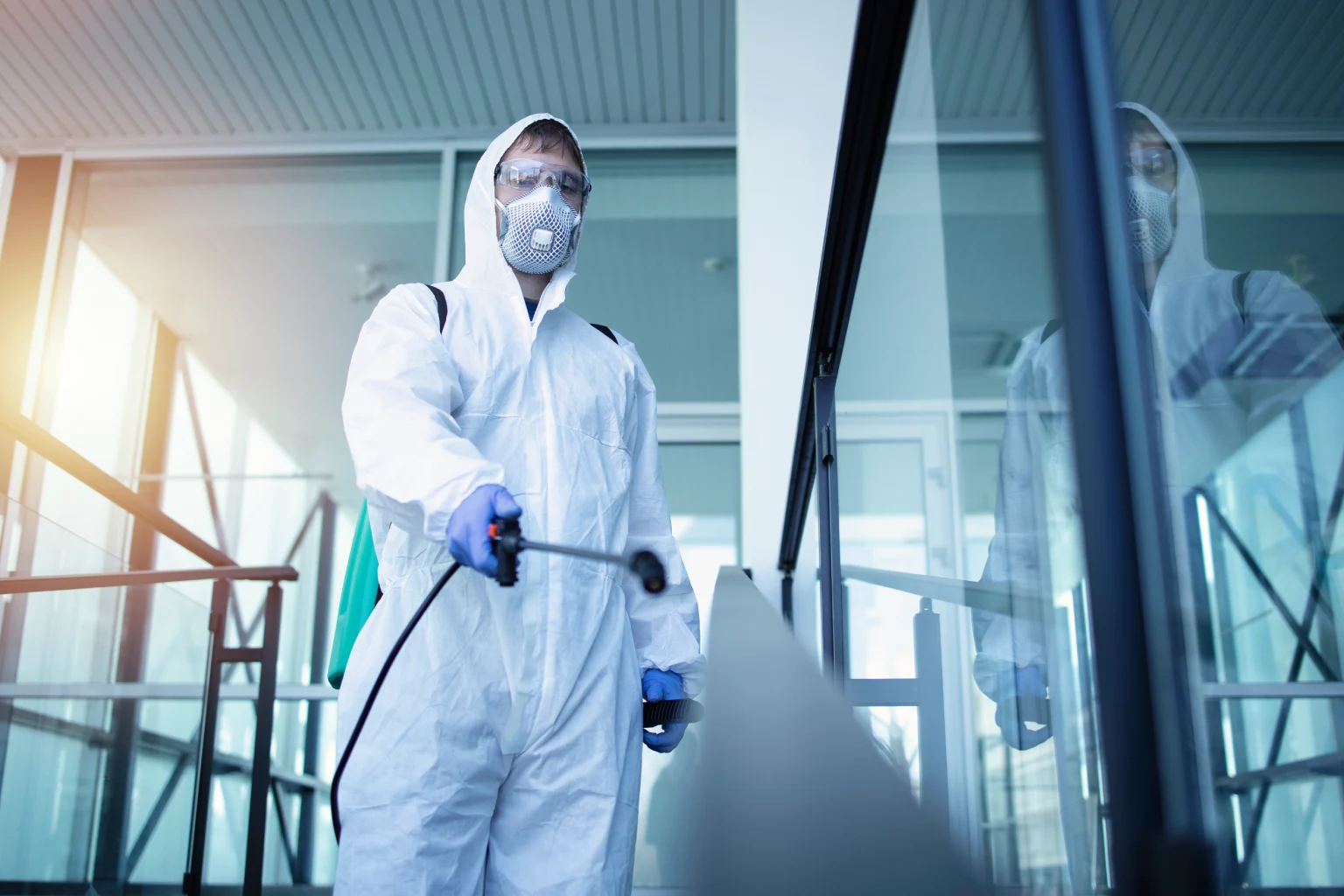
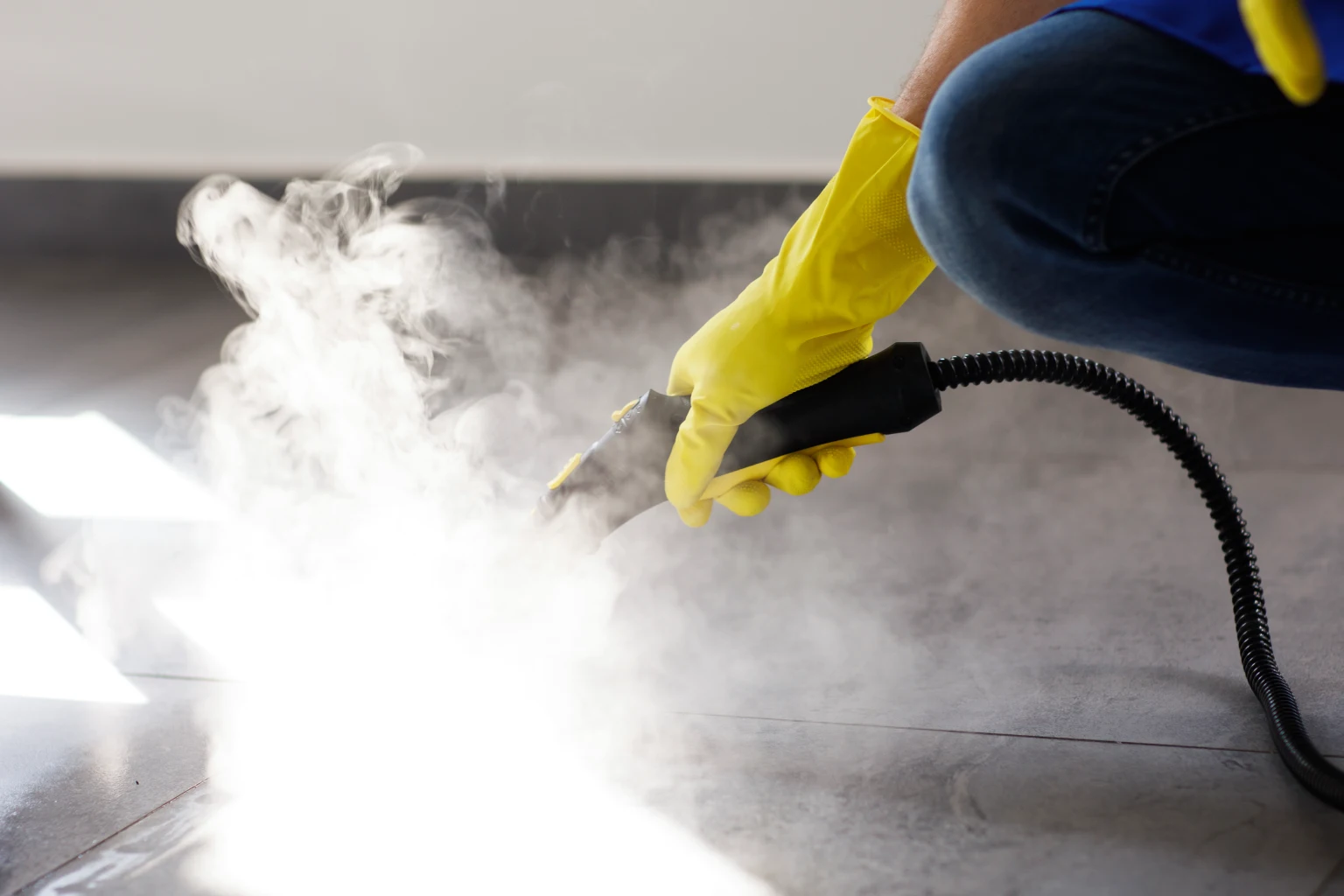
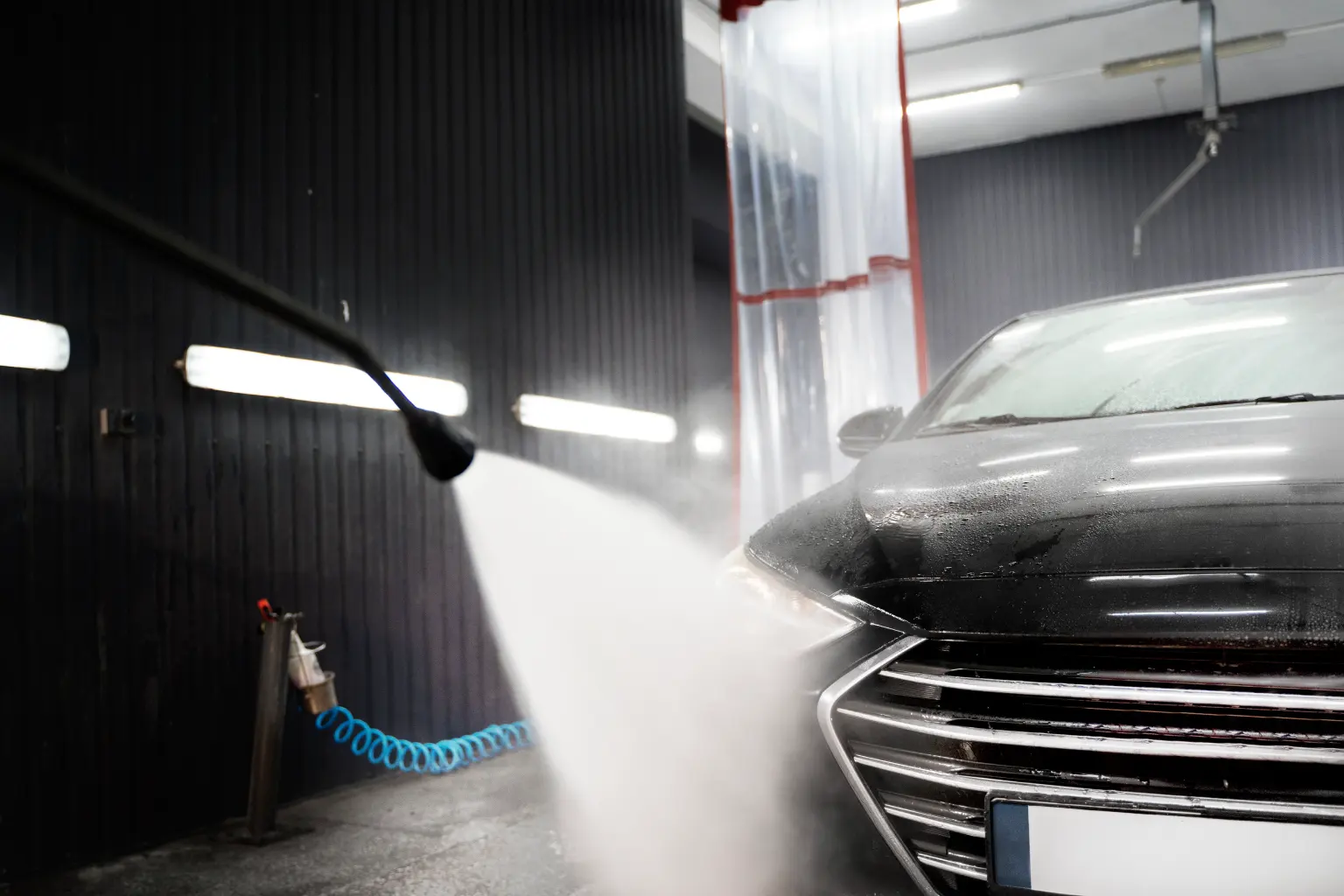
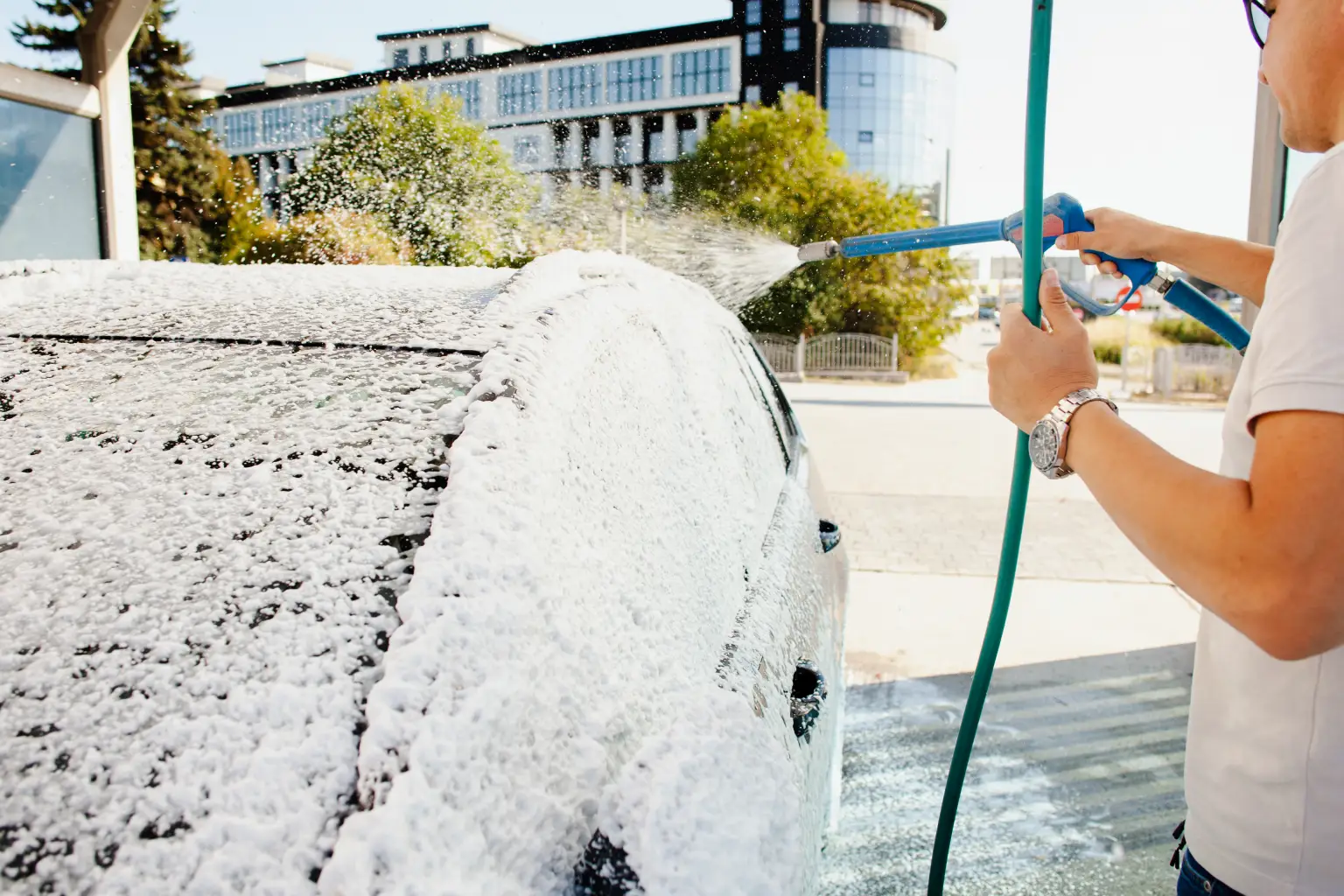
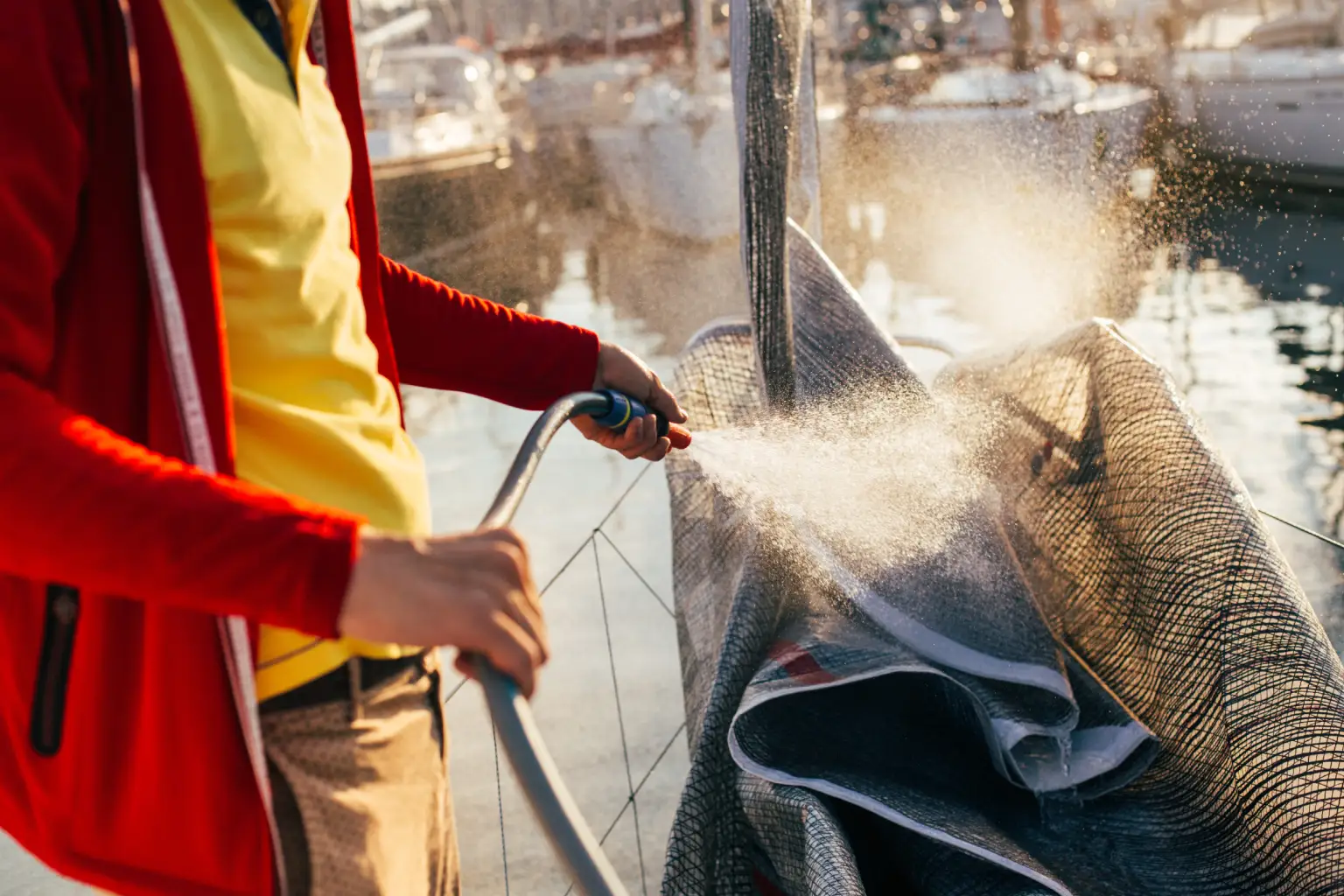
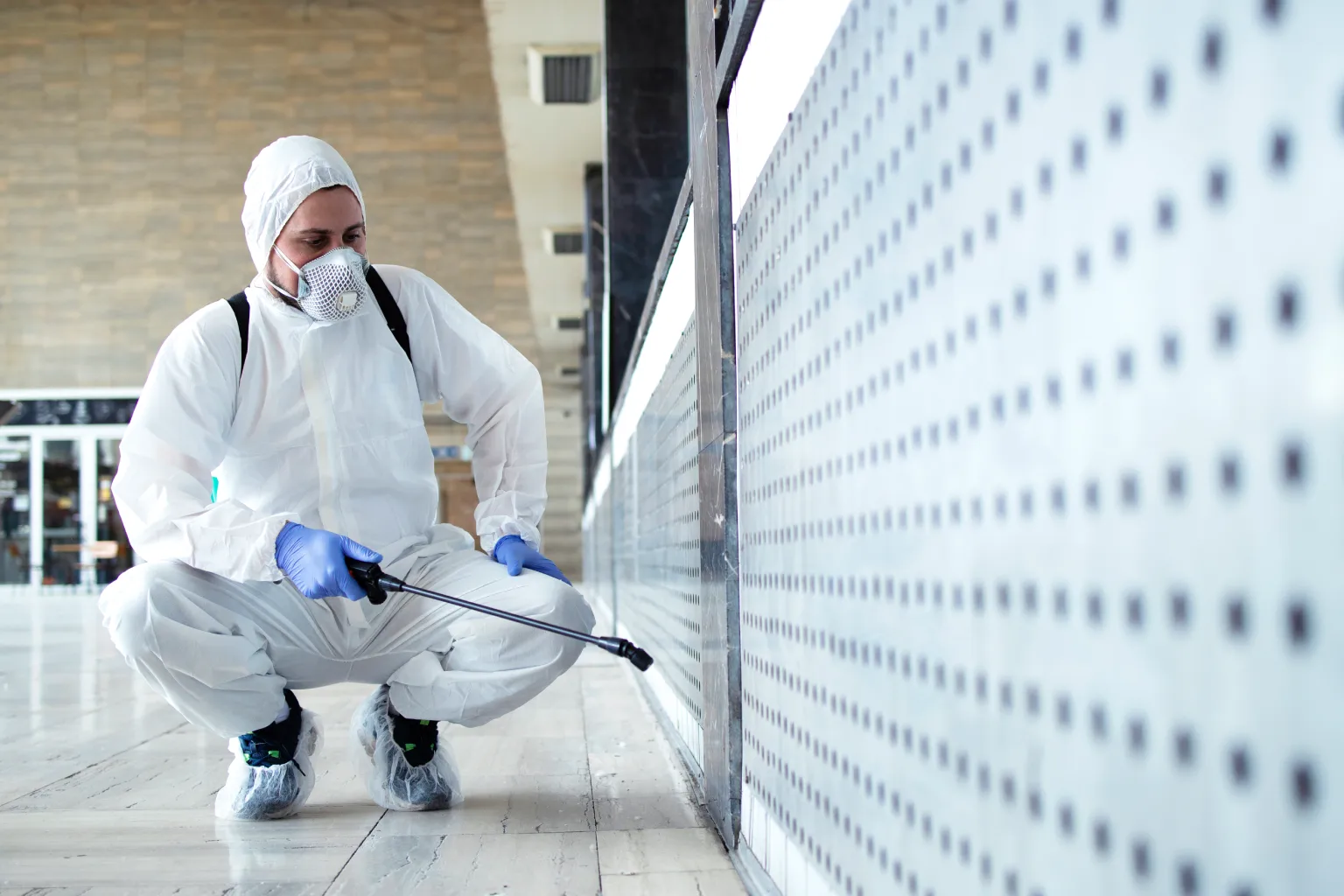
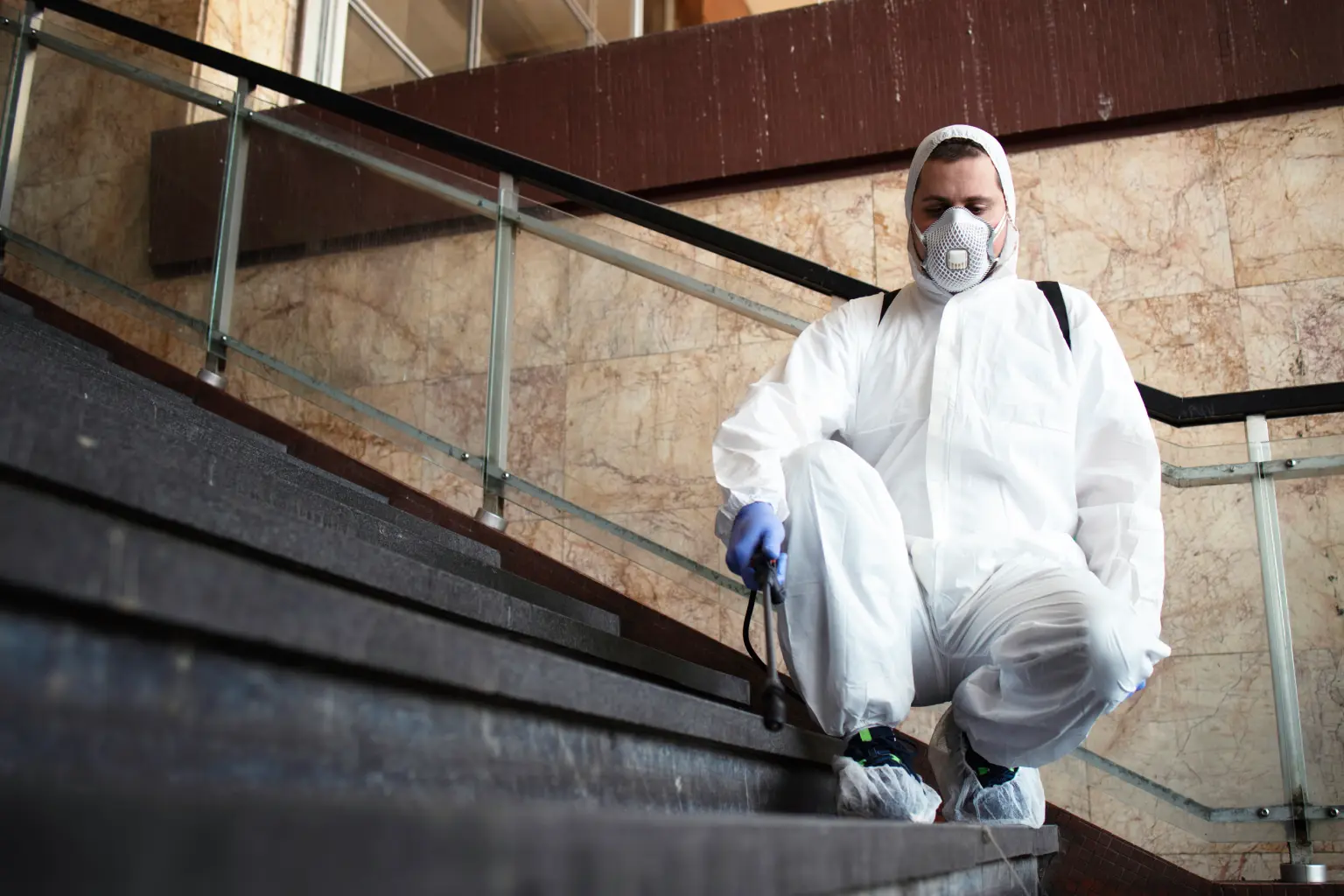
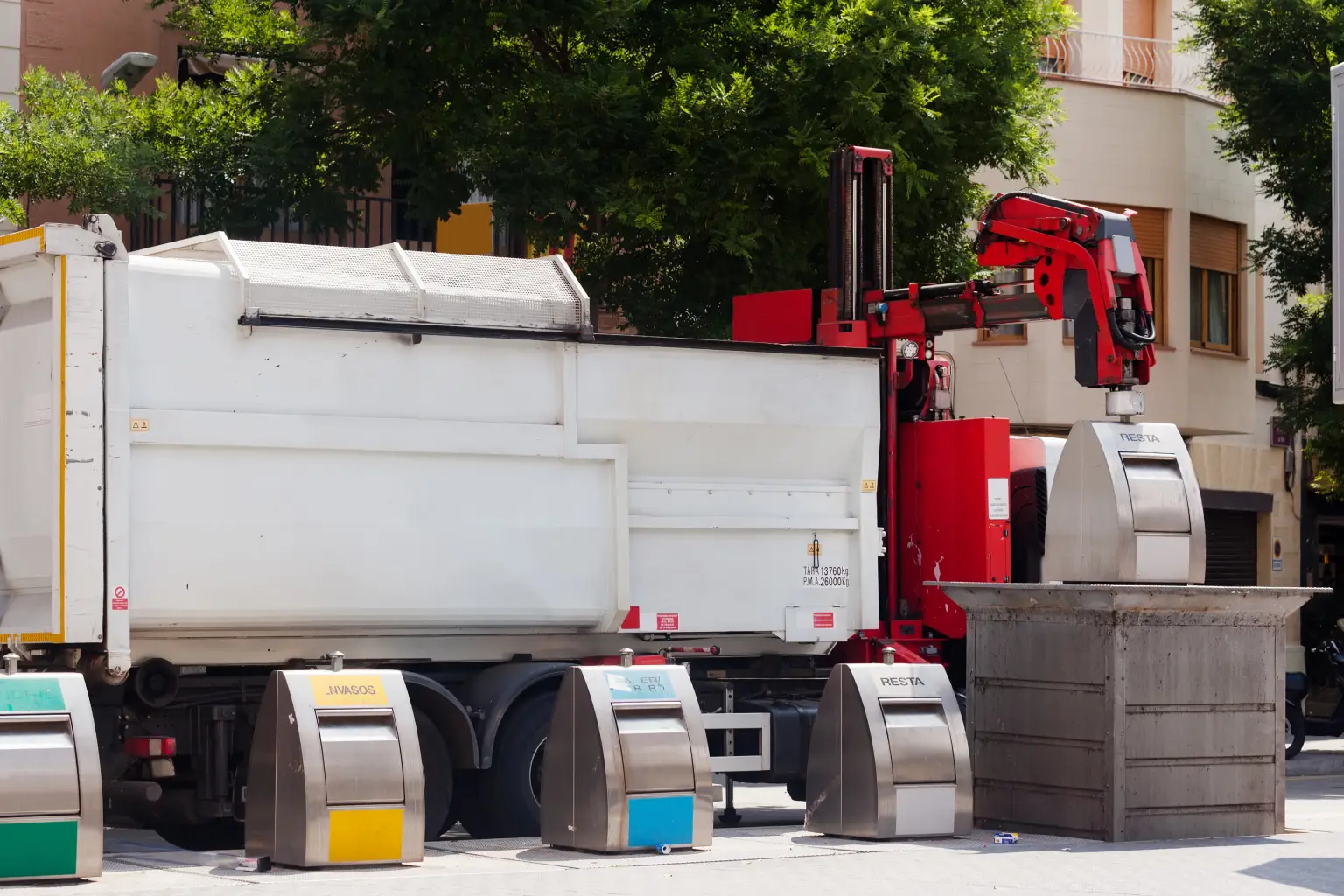
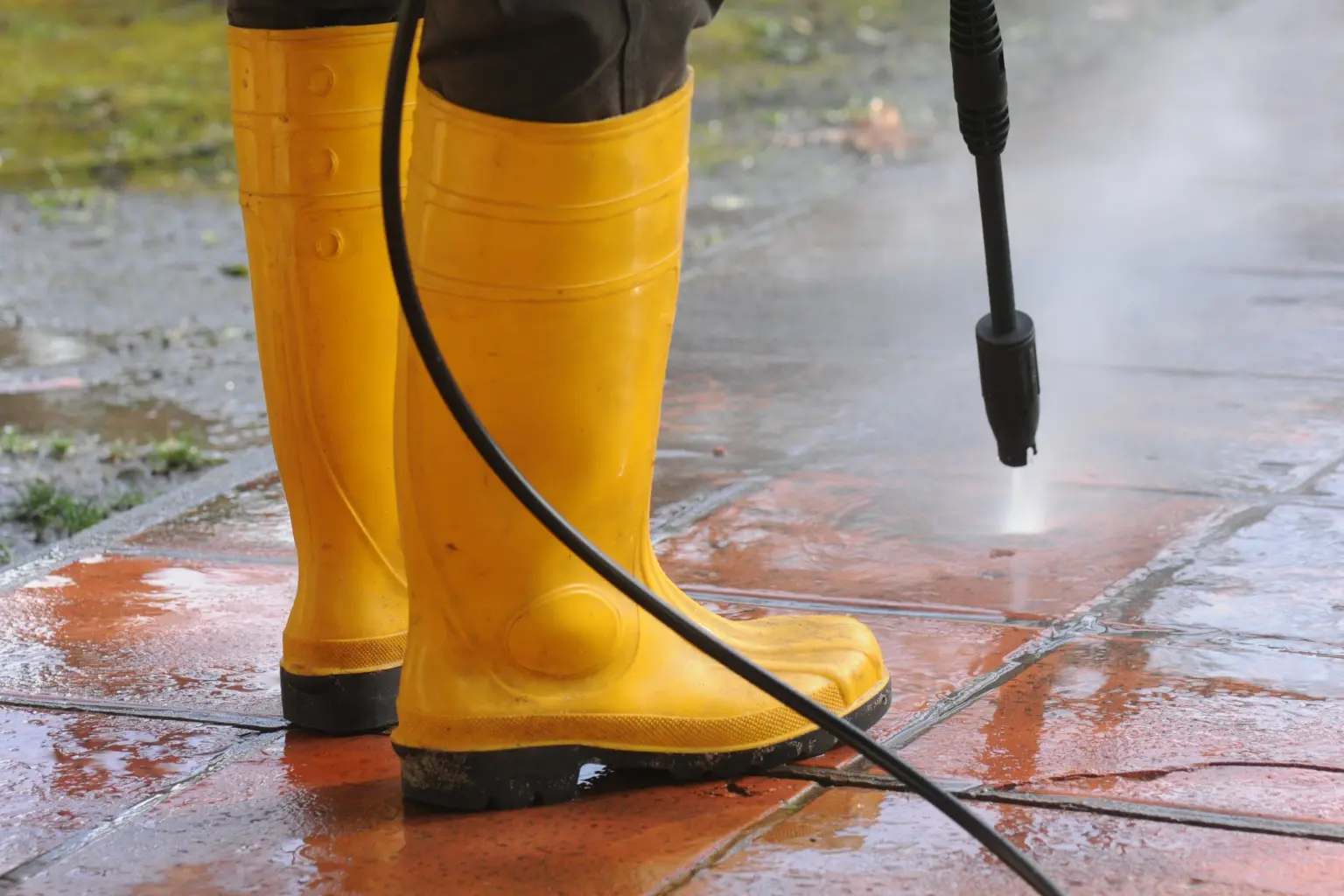
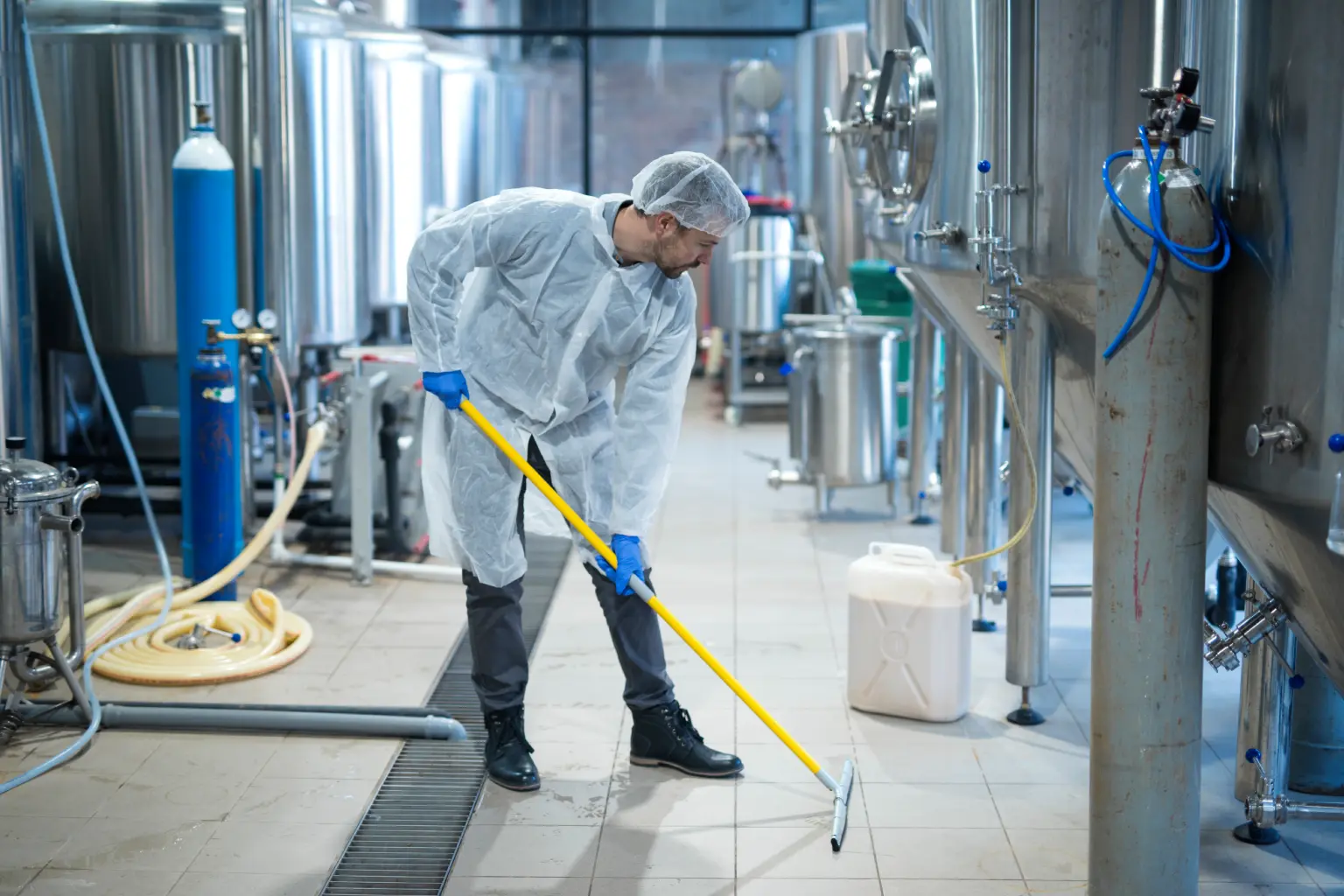
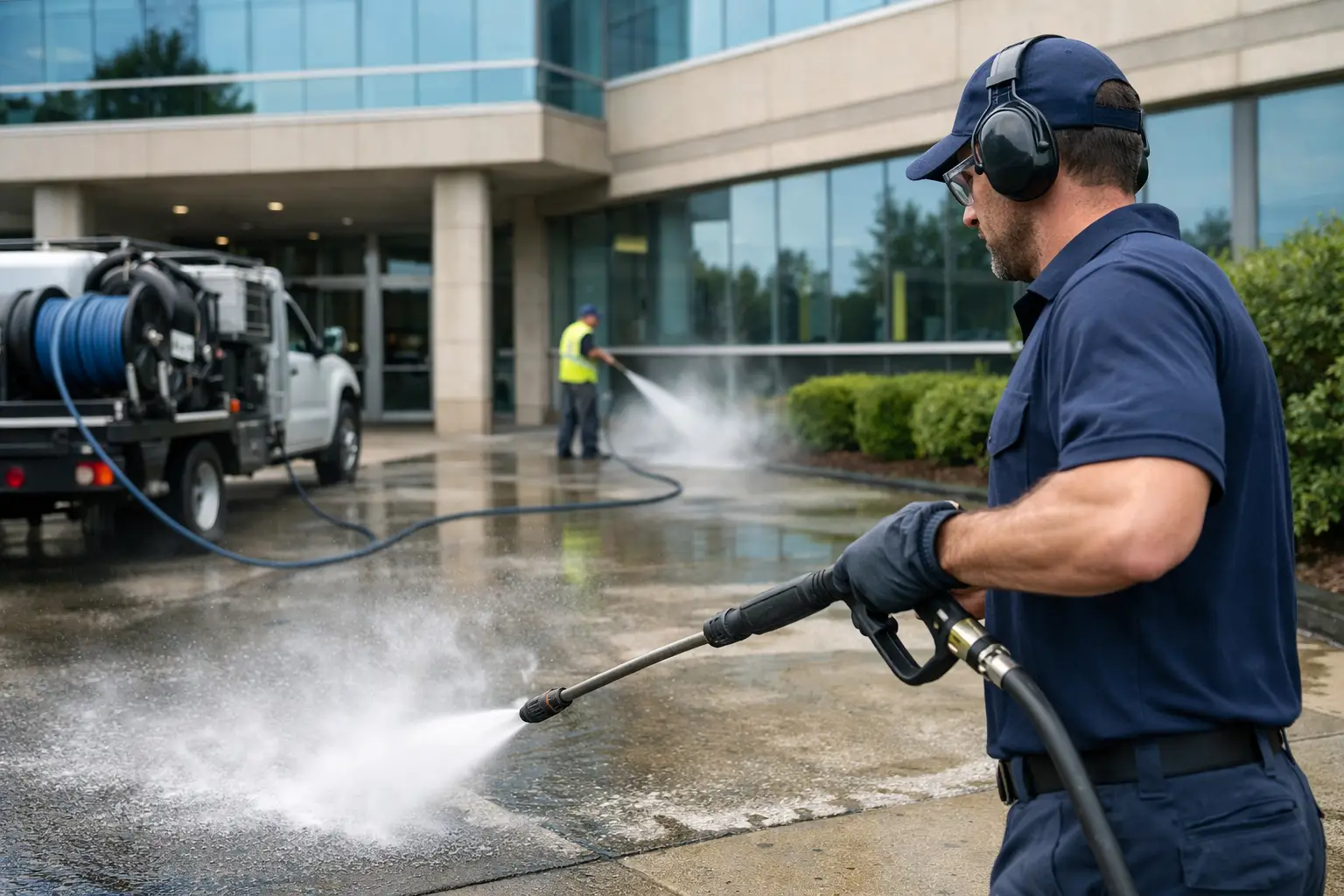
A stained entry walk, a grease-marked loading zone, and a dumpster pad that carries odor into the parking lot all send the same message - this property is not being managed closely. That is why property teams ask, what is commercial pressure washing, and where does it fit into a serious exterior maintenance program?
Commercial pressure washing is the process of cleaning exterior commercial and industrial surfaces using pressurized water, often paired with surface-specific methods, detergents, heat, containment practices, and scheduled service management. It is not simply spraying down a building. In a commercial setting, the work is tied to safety, asset appearance, tenant standards, customer perception, and operational control.
What Is Commercial Pressure Washing in Practice?
In practice, commercial pressure washing is a managed cleaning service for high-traffic, high-visibility, and service-heavy exterior areas. It is used on sidewalks, storefront approaches, dumpster enclosures, loading docks, concrete pads, parking lots, drive lanes, building exteriors, and other surfaces that collect dirt, gum, grease, mildew, food waste, and environmental staining.
The commercial part matters. A residential contractor may clean a driveway once or twice a day with a basic setup. Commercial work often involves larger square footage, stricter scheduling windows, higher public visibility, repeat service intervals, and more complex risk factors. Water recovery, environmental compliance, pedestrian safety, equipment selection, and documented work orders may all be part of the scope.
For facility managers and property managers, the value is not just the visible cleaning result. It is the ability to keep exterior conditions under control across one site or multiple sites without creating disruption for tenants, staff, or customers.
How Commercial Pressure Washing Works
Pressure washing uses water delivered at controlled pressure to remove contaminants from a surface. That sounds simple, but the actual method depends on what is being cleaned and what needs to be removed. A concrete service lane with oil staining requires a different approach than a painted wall with graffiti or a storefront entry with gum and beverage residue.
In commercial applications, technicians typically evaluate the substrate, contamination type, water access, drainage conditions, foot traffic, and cleaning objective before work begins. From there, they select the right combination of pressure, flow rate, temperature, cleaning agents, and surface tools. Higher pressure is not always better. On some surfaces, too much pressure can scar concrete, strip coatings, damage mortar, or force water into unwanted areas.
That is where experienced execution matters. Effective commercial pressure washing is less about brute force and more about matching the right method to the site condition. Precision-focused cleaning protects the surface while delivering a measurable visual improvement.
Common Areas It Cleans
Most commercial properties have several exterior zones that benefit from routine pressure washing, and each one affects the property in a different way.
Storefronts and entrance areas carry the highest visibility. These are the first surfaces customers see, and they collect foot traffic film, spills, gum, and runoff staining quickly. If they look neglected, the entire property feels less controlled.
Dumpster pads and enclosure areas are a separate issue. Here, pressure washing helps remove food waste buildup, grease residue, bacteria-supporting organic matter, and odors that standard sweeping cannot address. These areas also affect pest pressure and sanitation standards.
Loading docks, service corridors, and back-of-house concrete often accumulate heavy grime, pallet debris, oil residue, and tire marking. For industrial sites and retail centers, these zones influence safety and operational cleanliness even if the public rarely sees them.
Parking lots, curbs, and drive lanes also benefit, especially around entrances, drive-thru areas, pickup zones, and pedestrian crossings. These surfaces shape the overall impression of the site and can become slippery or visually degraded if buildup is left in place.
The Difference Between Commercial and Residential Pressure Washing
This distinction is often overlooked. The equipment may look similar from a distance, but the service model is not.
Residential pressure washing is usually project-based and appearance-driven. Commercial pressure washing is often maintenance-driven and tied to repeat service cycles, site documentation, scheduling coordination, and risk management. A commercial client may need overnight service, phased cleaning around tenant operations, scope consistency across multiple locations, and communication that fits procurement or facilities workflows.
There is also more at stake. A missed residential appointment is frustrating. A missed commercial service can affect tenant relations, brand standards, customer traffic, or health and safety conditions. That is why sophisticated providers build systems around estimating, scheduling, appointment confirmation, work orders, reporting, and account oversight.
Why Commercial Properties Use It
The first reason is appearance, but that is only the starting point. Exterior cleanliness influences how customers, tenants, inspectors, and stakeholders perceive the property. Dirty concrete, algae staining, gum accumulation, and neglected service areas create an impression of deferred maintenance.
The second reason is safety. Slippery organic growth, grease buildup, and waste residue can contribute to slip hazards and unsanitary conditions. Pressure washing is not a substitute for repairs or full environmental remediation, but it is part of keeping site conditions safer and more manageable.
The third reason is asset protection. Contaminants that sit on concrete, masonry, coatings, and exterior surfaces over time can accelerate deterioration or make restoration more costly later. Routine cleaning helps preserve the condition and usable life of those surfaces.
The fourth reason is operational consistency. For multi-tenant retail, industrial properties, and managed portfolios, a clean exterior is not an occasional improvement. It is part of a repeatable property standard.
What Commercial Pressure Washing Does Not Mean
Not every cleaning problem should be treated with the same pressure washing method. Some surfaces need soft washing. Some stains need specialized chemistry. Some environmental conditions require water capture and controlled disposal. In certain cases, pressure washing improves the surface significantly but does not fully reverse deep etching, permanent discoloration, or long-term neglect.
That is an important trade-off to understand. The right provider should be clear about what can be restored, what can only be improved, and what may require additional services beyond washing alone. Honest scoping is part of professional execution.
Scheduling, Frequency, and Service Strategy
How often a property needs commercial pressure washing depends on traffic volume, tenant type, surface material, weather exposure, and the kind of contaminants generated on site. A shopping center with food service tenants may need far more frequent sidewalk and dumpster pad cleaning than an office property with lighter public traffic. A loading dock at an industrial facility has different cleaning demands than a medical office entry.
This is why one-time service and maintenance service serve different purposes. One-time cleaning is useful for corrective work, inspections, property turnover, or restoring a neglected area. Ongoing service is better for sites that need standards maintained consistently.
A managed program typically performs better than reactive service because it reduces the swing between clean and neglected conditions. It also makes budgeting, scheduling, and site oversight easier for the client.
Choosing a Commercial Pressure Washing Provider
If you are evaluating vendors, the real question is not who owns a pressure washer. It is who can manage the work at a commercial standard.
Look for a provider that understands commercial site conditions, can define scope clearly, and uses methods appropriate for the surface and contamination type. Reliability matters as much as cleaning capability. So does communication. For commercial accounts, organized scheduling, documented service, responsive coordination, and consistent field execution are not extras. They are part of the service.
For clients managing multiple properties or higher-demand sites, administrative discipline becomes especially important. Einstein Surface & Environmental Services is built around that model, combining industrial-grade cleaning execution with structured service management for commercial exterior environments.
What Is Commercial Pressure Washing Really Solving?
At its best, commercial pressure washing solves more than dirt. It corrects visible neglect, reduces nuisance conditions, supports safer access areas, and helps commercial properties operate with a cleaner, more controlled exterior standard.
That matters whether you manage one storefront or a regional portfolio. Clean surfaces do not replace good property management, but they make it visible.