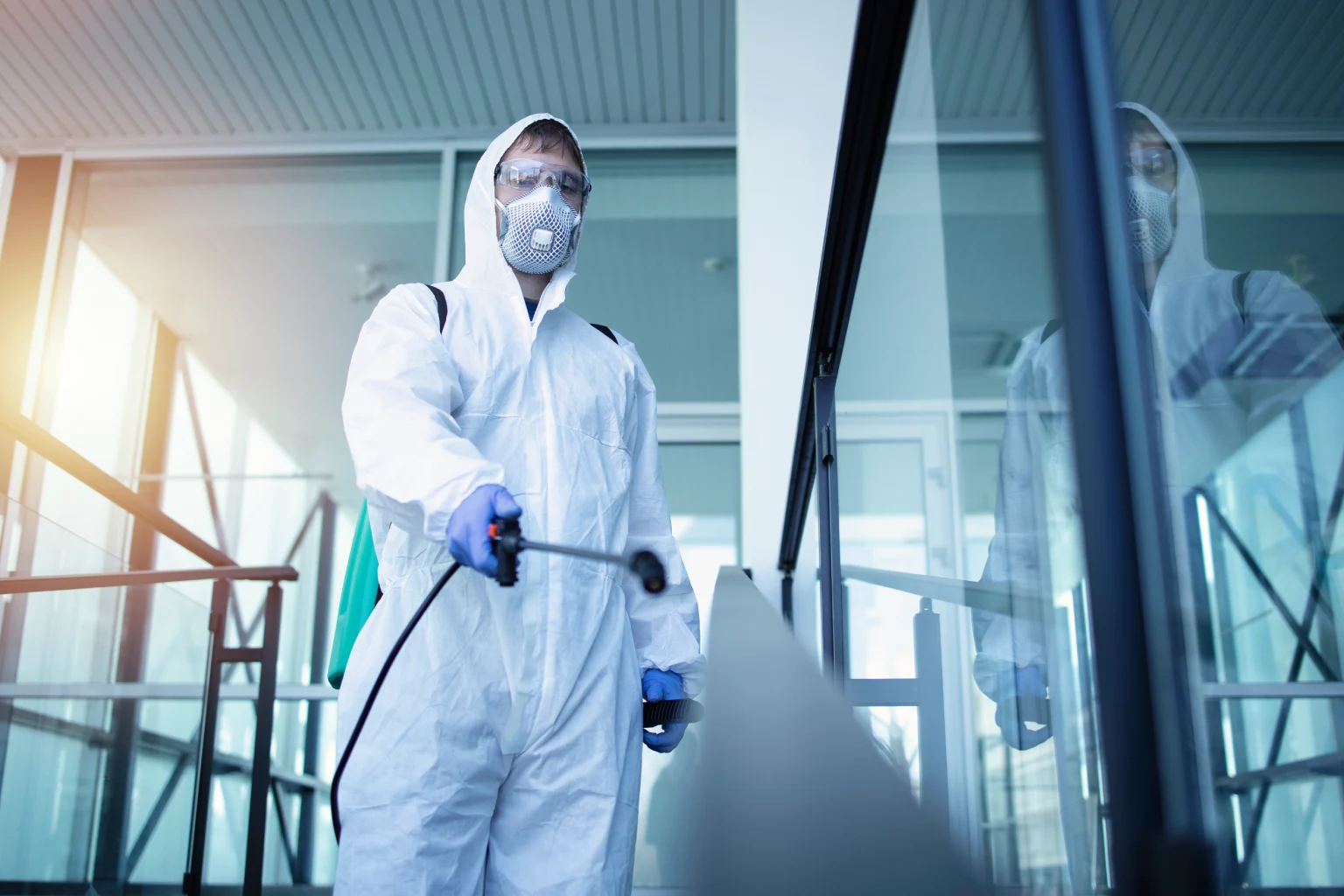
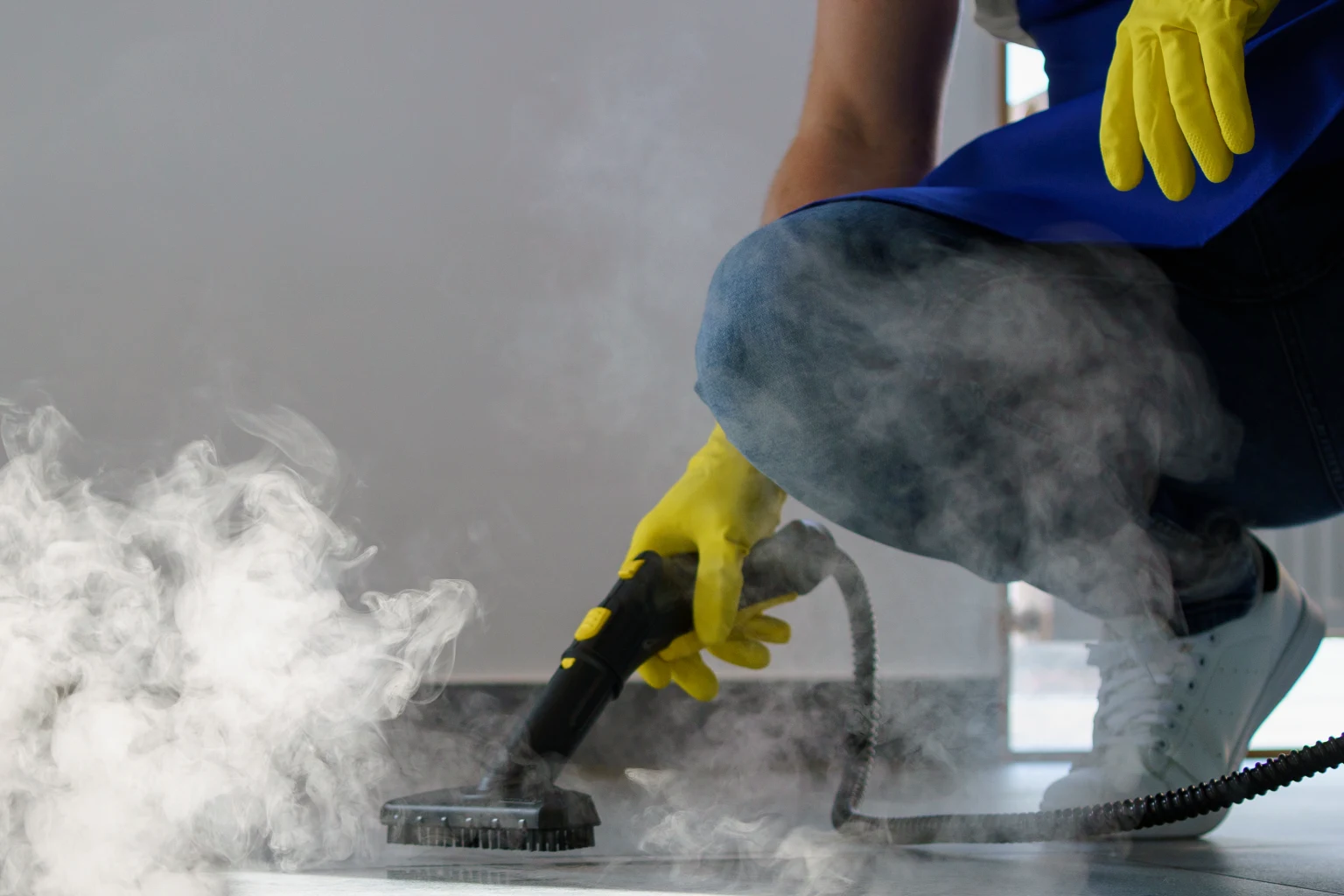
When a property team is trying to correct staining, improve curb appeal, or maintain compliance standards, the choice between pressure washing vs soft washing is not a minor technical detail. It affects surface life, cleaning quality, tenant experience, and liability exposure. On a commercial site, using the wrong method can leave behind contamination, damage finishes, or create avoidable maintenance costs.
That is why this decision should be made by surface type, soil load, and operational context - not by assuming more pressure means better cleaning. In commercial exterior maintenance, the best result usually comes from matching the method to the material and the condition being treated.
Pressure washing vs soft washing: the core difference
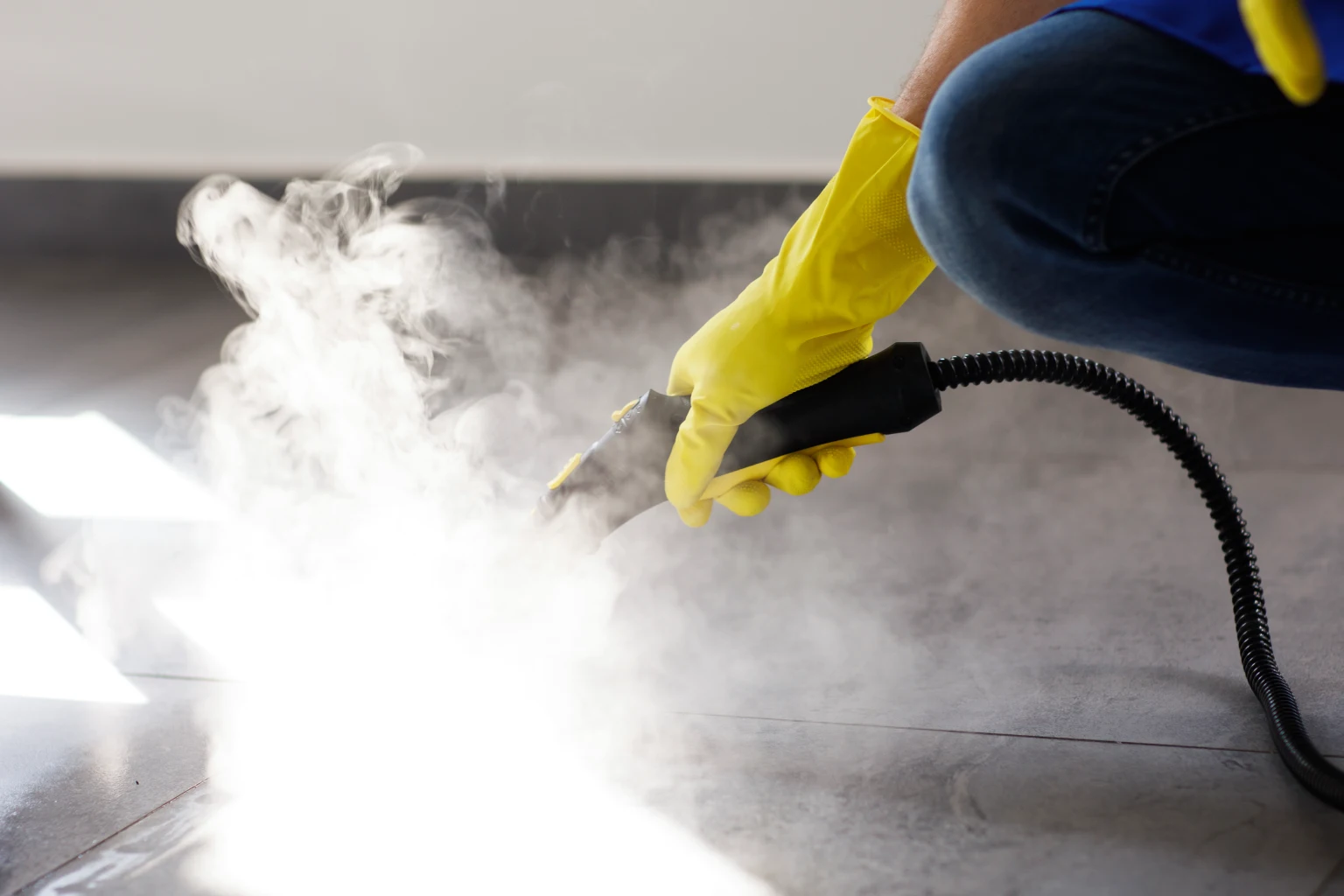
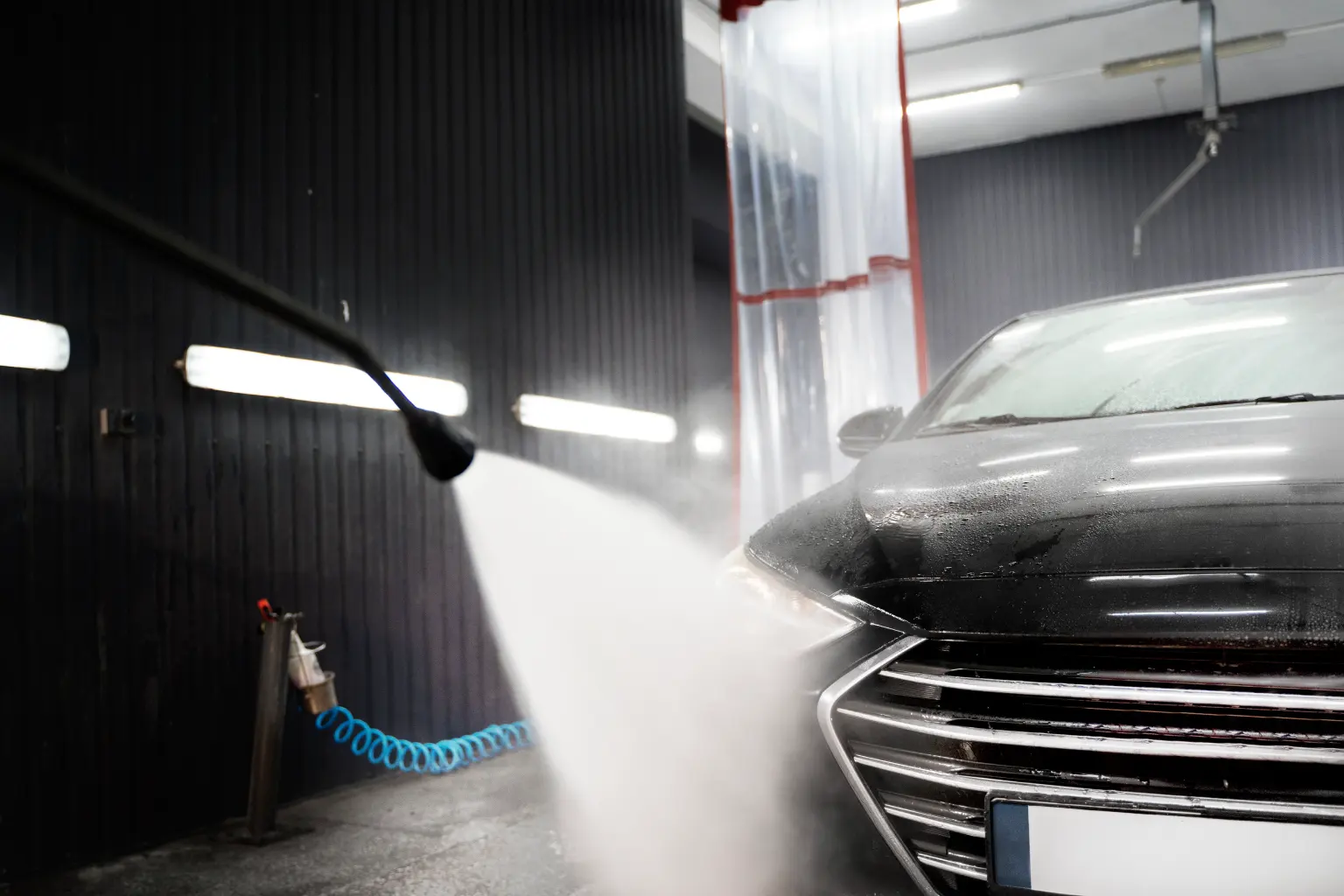
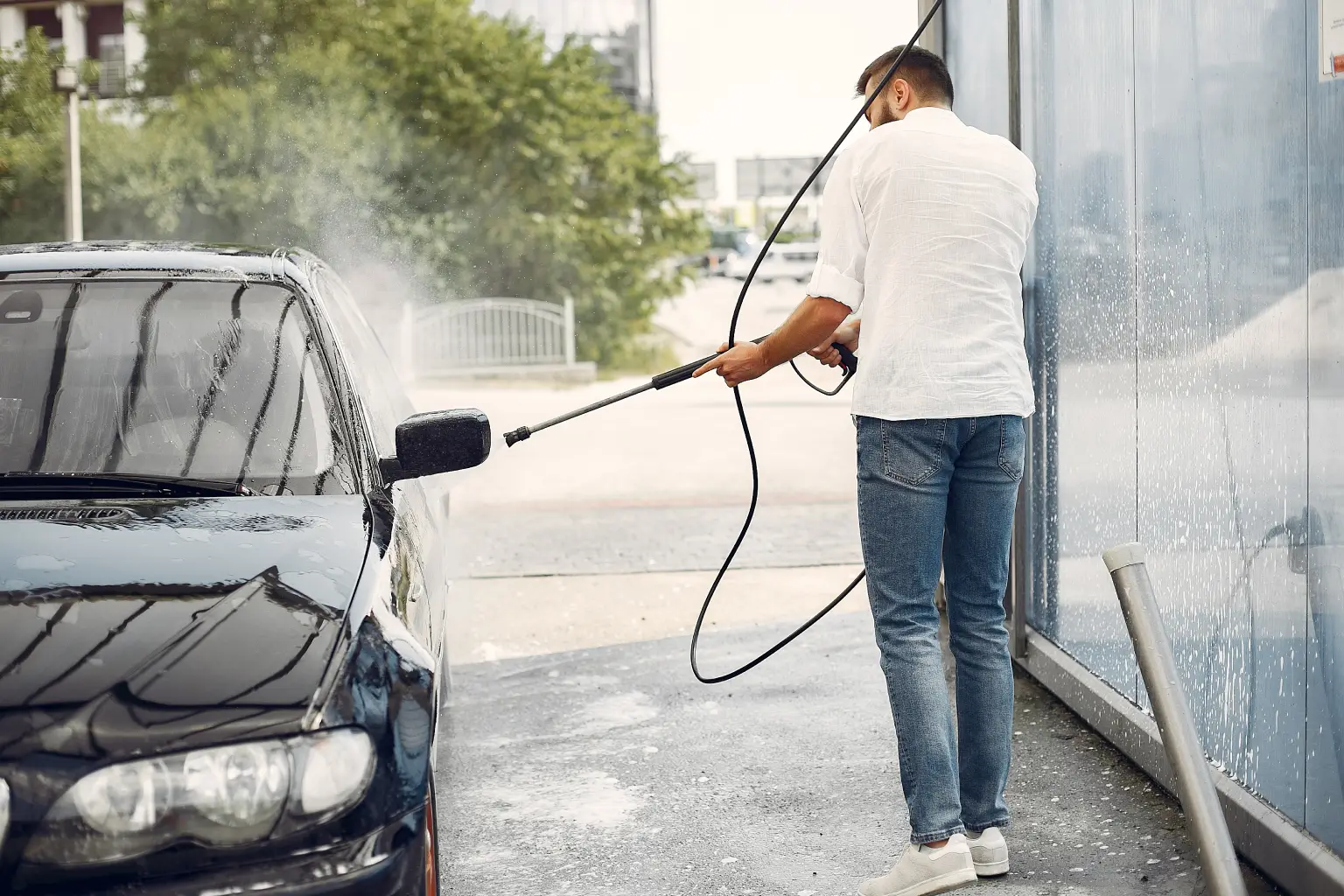
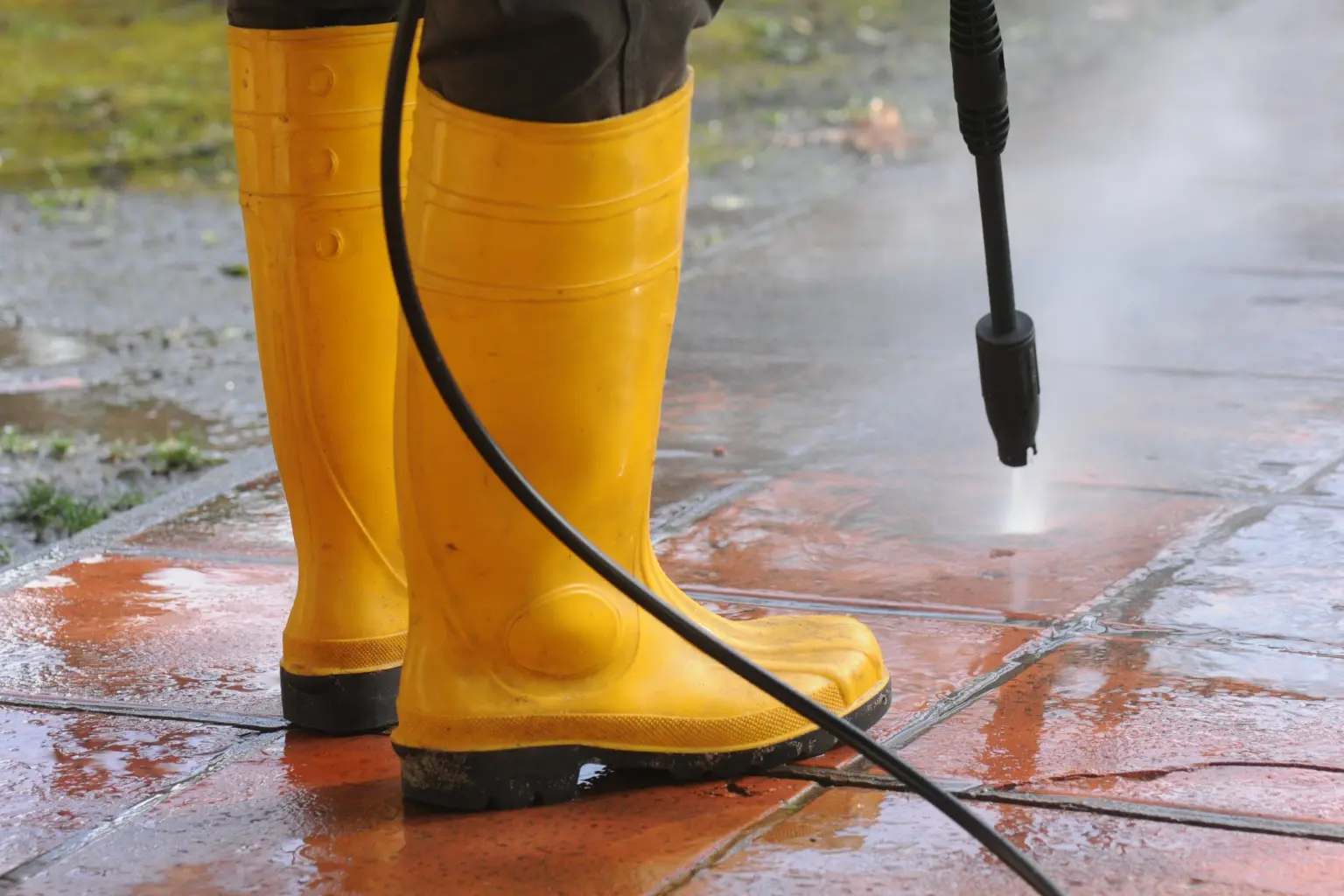
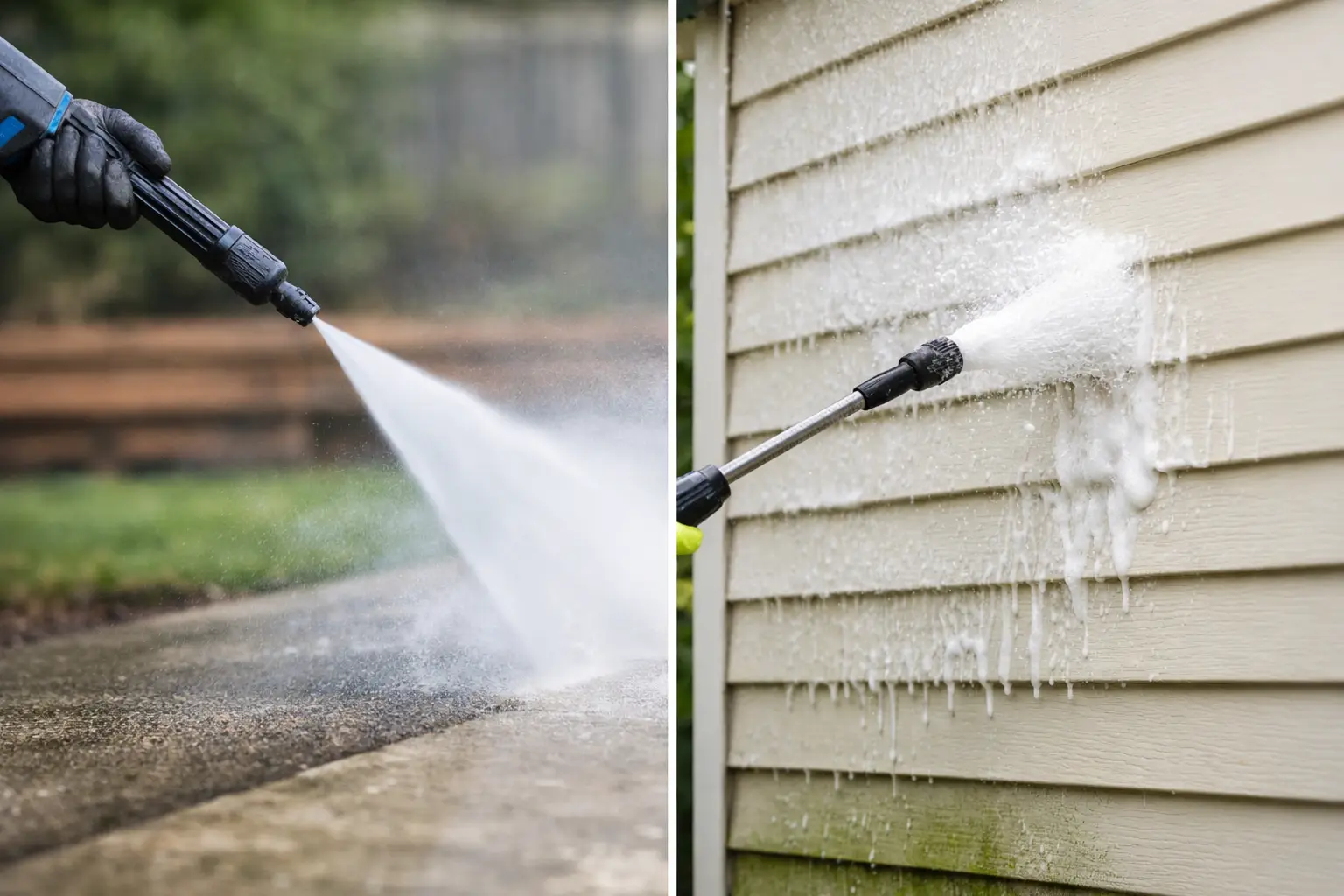
Pressure washing relies on high-pressure water to remove buildup from durable surfaces. It is effective when the surface can tolerate force and the contamination needs mechanical removal. Think embedded dirt, grease transfer, tire marks, sediment, and compacted grime on hardscape and service areas.
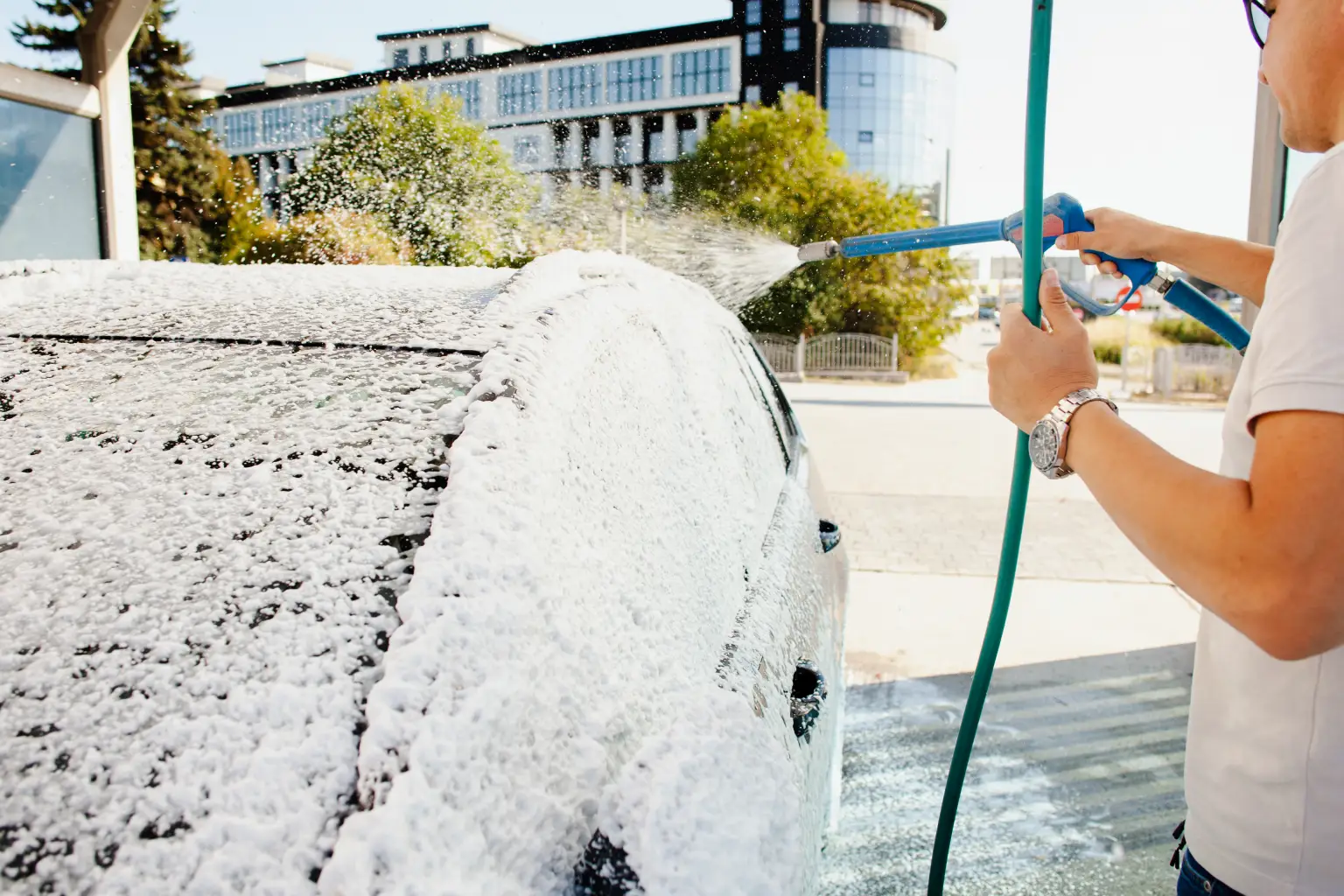
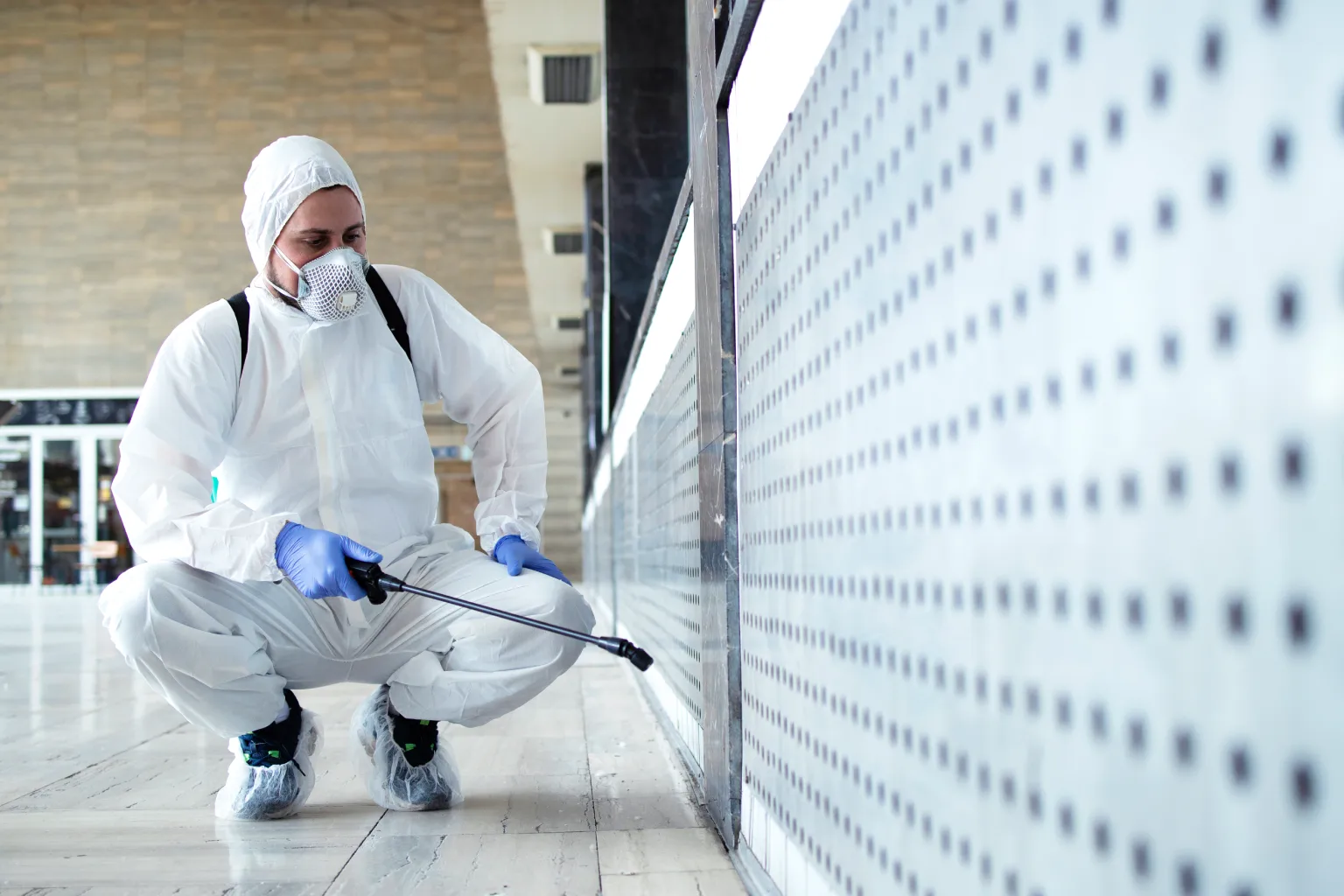
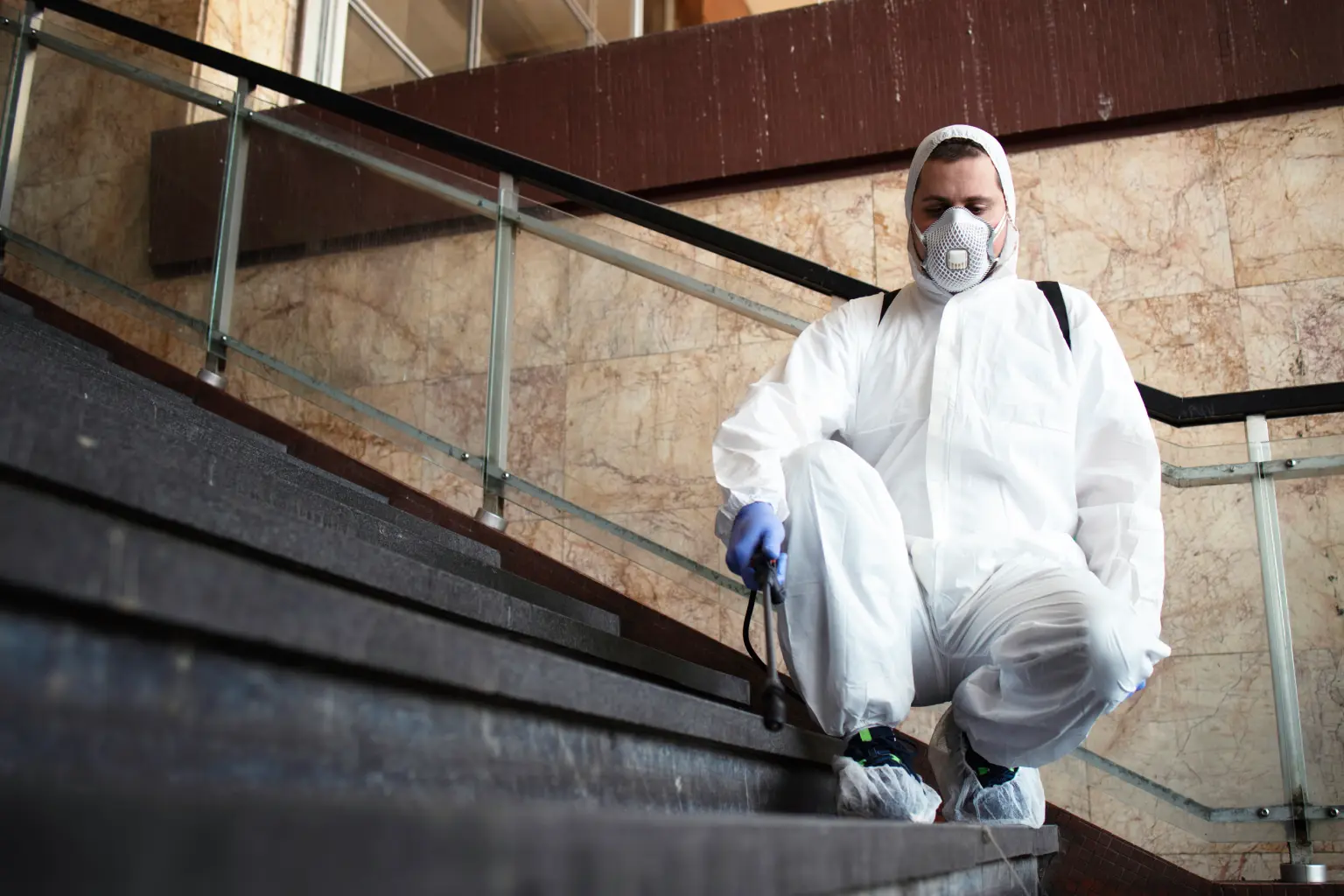
Soft washing uses lower pressure combined with cleaning solutions designed to break down organic growth, atmospheric staining, and surface contaminants. Instead of forcing debris off with pressure alone, it uses chemistry and dwell time to do the work. That matters on surfaces that can be etched, scarred, or water-intruded if cleaned too aggressively.
For commercial properties, the distinction is practical. Pressure washing is typically the better fit for concrete, loading zones, dumpster pads, and other hard-wearing surfaces. Soft washing is often the right choice for painted exteriors, stucco, EIFS, some siding systems, and areas where a controlled cleaning process matters more than raw force.
Where pressure washing makes sense
Pressure washing is well suited for industrial-grade surface cleaning where the substrate is dense and structurally stable. Parking lots, sidewalks, curbs, service lanes, loading docks, and dumpster enclosures often benefit from this method because the contamination is heavy and the surfaces are built to handle more aggressive cleaning.
Concrete is the clearest example. Oil staining, food waste residue, gum shadowing, and general traffic soil often require high-pressure rinsing, sometimes paired with heat or specialty degreasers depending on the site conditions. In retail centers and industrial properties, this kind of cleaning is less about appearance alone and more about maintaining a safe, brand-appropriate environment.
Even then, pressure is not a one-setting solution. Old concrete, damaged mortar, decorative flatwork, striping, and patched surfaces can all respond differently. A disciplined operator adjusts pressure, flow, nozzle selection, stand-off distance, and recovery planning based on what is actually in front of them.
Where soft washing is the better tool
Soft washing is often the better approach when the surface is coated, porous, aged, or visually sensitive. Stucco, painted masonry, exterior siding, screen walls, canopies, and trim details can all suffer from improper high-pressure cleaning. On these materials, the goal is to remove mildew, algae, oxidation film, dust accumulation, and environmental staining without forcing water behind the surface or stripping the finish.
This is especially relevant on storefronts, customer-facing facades, and multi-tenant commercial buildings where appearance standards are high. A surface can look dirty not because it needs more force, but because it needs the right chemistry and a controlled rinse process.
Soft washing is also more effective on organic growth. If a surface has algae or mildew, blasting it with pressure may remove the visible layer while leaving biological material behind. That can lead to faster regrowth. Soft washing addresses the source more directly when the solution is selected and applied correctly.
The real issue is not pressure - it is surface risk
Many commercial clients frame this as a simple equipment question. In practice, it is a risk-management question. What is the surface? What is the contaminant? What is nearby? What level of finish does the property require? What happens if water migrates into joints, penetrations, electrical areas, or aging wall systems?
A high-traffic shopping center has very different cleaning demands than an industrial yard. A dumpster pad may need aggressive grease removal and wastewater control. A painted facade may need low-pressure treatment to preserve finish quality. A loading dock may tolerate more force, but still require careful handling around seals, doors, bollards, and safety markings.
That is why experienced contractors do not sell one method as the answer to every problem. They build the cleaning scope around the asset, the contamination type, and the operational constraints of the property.
Pressure washing vs soft washing for common commercial surfaces
On concrete sidewalks and parking areas, pressure washing is usually the primary method because these surfaces collect compacted dirt, spills, and traffic residue. However, if the issue includes organic staining near landscaped zones or shaded walkways, a soft wash treatment may be part of the process before or after rinsing.
On building exteriors, soft washing is often the safer choice, especially for painted surfaces, stucco, and facade materials that show damage easily. Pressure washing may still be used selectively on masonry or unfinished concrete elements, but only where the substrate can handle it.
For dumpster pads and service corridors, pressure washing is common because these zones deal with grease, food waste, bacteria load, and heavy staining. Yet chemistry still matters. Pressure alone rarely solves sanitation-related buildup in these environments.
For storefronts and customer-facing entries, the method depends on the material mix. Glass, frames, painted trim, EIFS, and signage usually call for a more controlled approach. Hard concrete at the entry may require pressure washing, while adjacent facade sections are better soft washed.
Why commercial properties often need both
For many sites, the best answer is not pressure washing or soft washing. It is a coordinated use of both. A shopping center, medical office, industrial site, or multi-building commercial asset rarely consists of one uniform surface. There are hardscape zones, facade materials, service areas, pedestrian approaches, and high-visibility entrances all requiring different treatment standards.
A managed cleaning program should reflect that complexity. Using one method across the entire property may be faster in the short term, but it can produce inconsistent results and unnecessary wear. Precision-focused exterior maintenance means applying the correct process to each area, documenting scope, and executing work with minimal disruption.
This is where operational discipline matters. On commercial accounts, cleaning is not just about sending a crew with equipment. It involves scheduling around tenant activity, identifying water access, controlling runoff, documenting service, and maintaining consistency across repeat visits or multiple locations. Einstein Surface & Environmental Services is built around that management model because commercial clients need more than a basic wash-and-go contractor.
What property managers should ask before approving the work
Before authorizing exterior cleaning, decision-makers should ask how the contractor determines method selection, whether the chemistry is matched to the surface, and what controls are in place for runoff, overspray, and adjacent materials. They should also ask how the work is documented and how recurring maintenance is managed over time.
Those questions matter because poor method selection does not always fail immediately. Sometimes damage appears later as surface etching, coating wear, oxidation marks, water intrusion, or uneven cleaning patterns. A professional process reduces those risks upfront.
It also improves budget control. When the right method is used the first time, surfaces stay cleaner longer, finishes last longer, and rework becomes less common. For facility managers and asset teams, that is a meaningful operational advantage.
Choosing the right method starts with a site-specific assessment
If the goal is long-term exterior care, pressure washing vs soft washing should never be reduced to which option sounds stronger. Strength is not the same as control. On commercial properties, control is what protects surfaces, supports appearance standards, and keeps service predictable.
The right contractor should assess material type, contamination level, access conditions, drainage considerations, and the visibility of each cleaned area before recommending a process. Some surfaces need force. Others need restraint. Most larger properties need a combination handled with consistency and documented execution.
A clean exterior is not just a visual improvement. It signals standards, protects assets, and supports the daily operation of the property. The right cleaning method helps you get there without creating a new maintenance problem next quarter.