
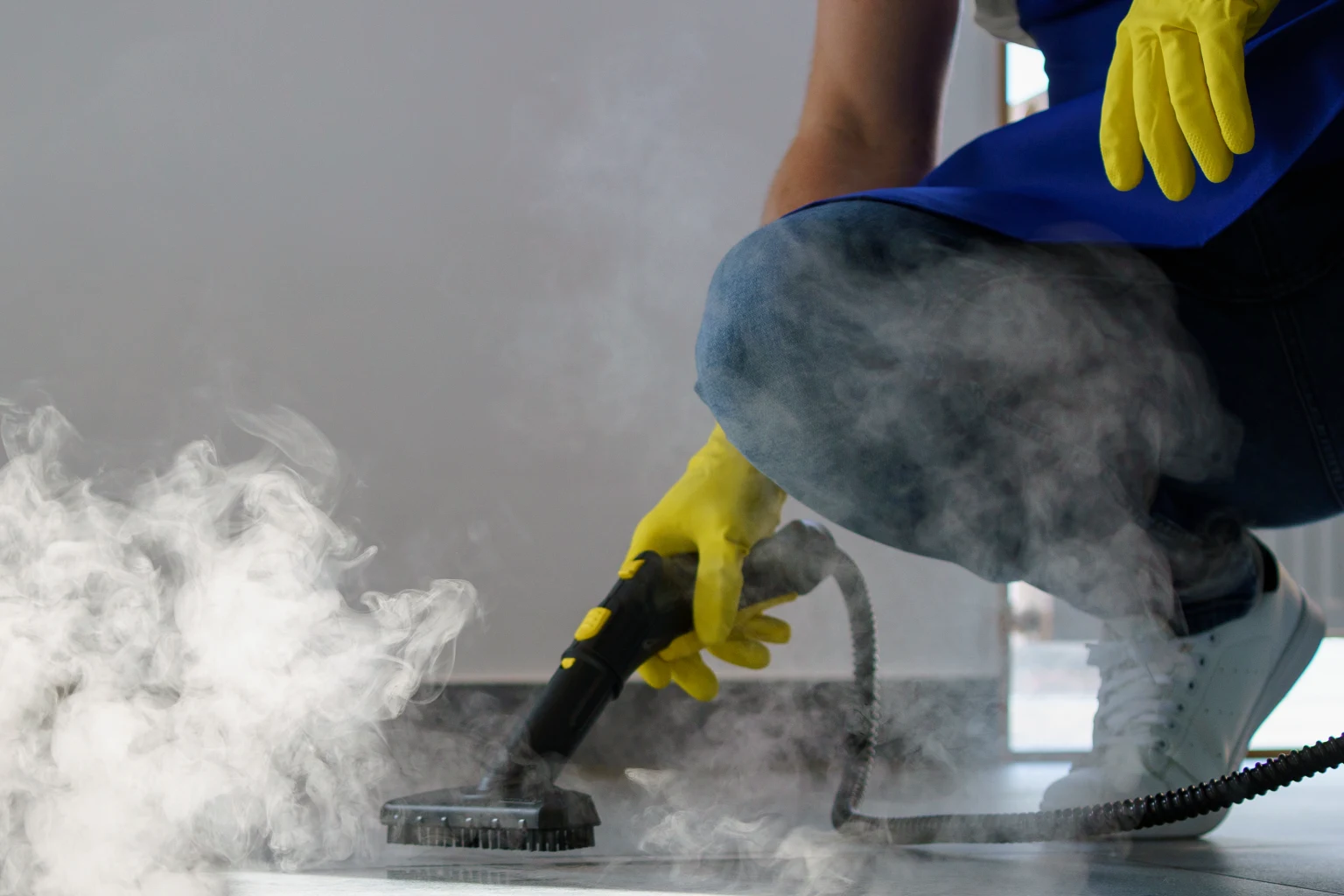
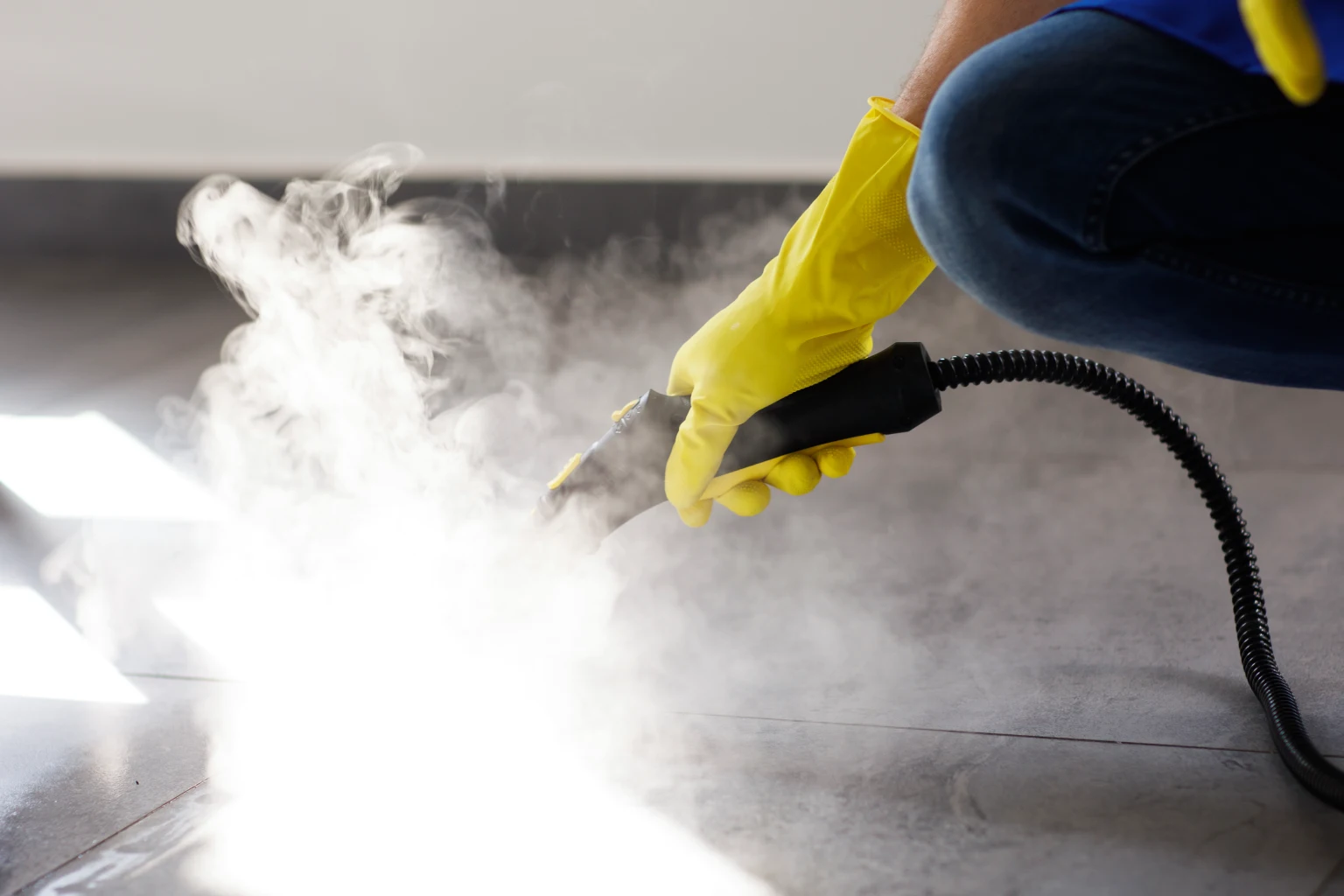





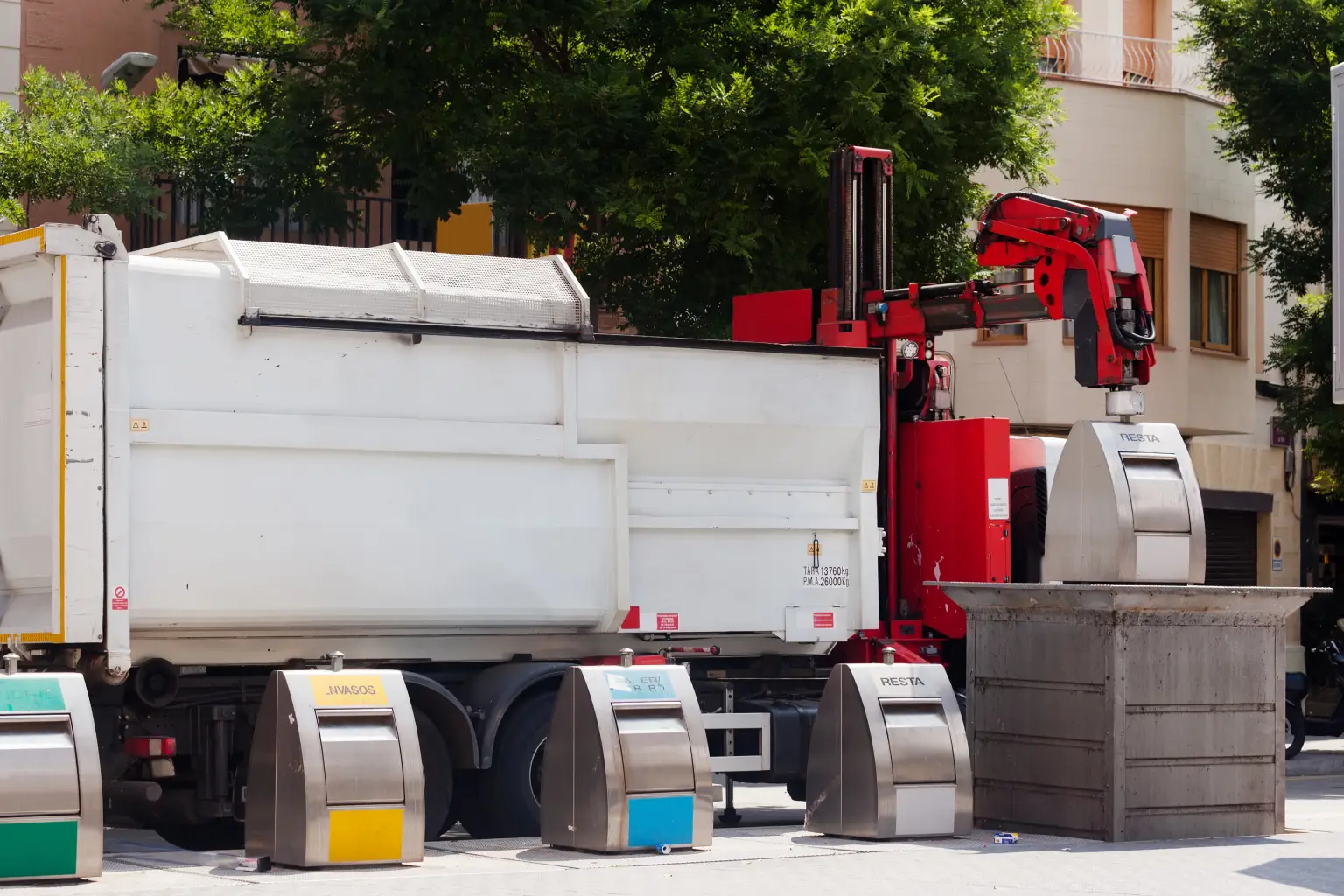


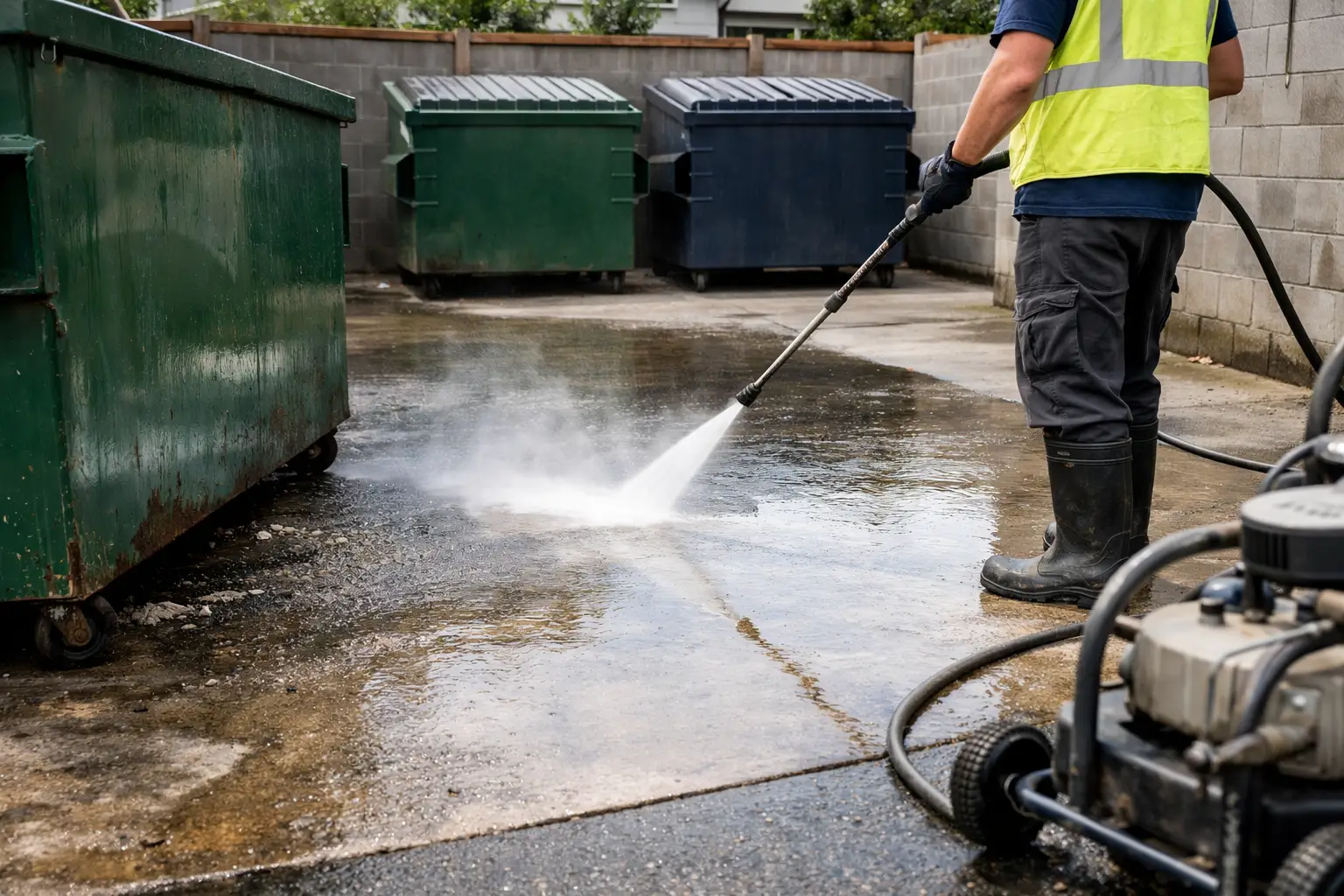
A dumpster pad usually gets attention after complaints start - odor at the back door, grease tracking into service corridors, stained concrete, flies, or runoff collecting where it should not. By that point, the question is no longer how often should dumpster pads be cleaned. The real issue is whether the property has a cleaning schedule that matches its waste volume, operating hours, and risk profile.
For most commercial properties, monthly cleaning is a workable baseline. But baseline does not mean correct for every site. A quick-service restaurant with heavy food waste may need weekly or biweekly service, while a light-use office property may be fine on a less frequent cycle if the enclosure stays dry and contamination is limited. The right frequency comes from the conditions on the ground, not a one-size-fits-all number.
How often should dumpster pads be cleaned for commercial sites?
If you manage multiple properties, it helps to think in tiers. High-volume food service, grocery, hospitality, and entertainment sites often require cleaning every week or every two weeks. These locations generate organic waste, liquid leakage, grease, and packaging residue at a pace that stains concrete quickly and creates odor issues fast.
Mid-volume retail centers, medical offices, mixed-use commercial properties, and busy industrial facilities often land on a monthly schedule. That frequency is usually enough to control buildup before it hardens into a restoration issue. It also helps maintain a more consistent appearance in service areas that tenants, employees, haulers, and inspectors regularly see.
Low-volume office buildings or properties with tightly managed waste streams may be able to move to every six to eight weeks. Even then, the pad should be inspected regularly. A single leaking compactor, missed pickup, or stormwater event can change the required frequency overnight.
The practical answer is this: clean often enough to prevent accumulation, not just respond to it. Once contamination soaks into concrete, service shifts from routine maintenance to more aggressive treatment, and the cost, labor, and downtime usually increase with it.
What actually determines cleaning frequency?
Waste type is the biggest variable. Food waste, grease, sugary liquids, and bag leaks create faster contamination than dry cardboard or general office trash. Pads behind restaurants and grocery stores almost always need a tighter maintenance interval because organic material breaks down quickly, produces odor, and attracts pests.
Pickup frequency matters too. If dumpsters are emptied several times a week, that can reduce overflow, but it does not eliminate residue on the pad. In some cases, more hauling activity means more drips, more wheel traffic, and more surface staining. A high-turn site can still require frequent washing.
Climate is another factor, especially in Texas markets. Heat accelerates odor and bacterial activity. Rain can spread contamination across the enclosure and into surrounding pavement, while standing water can hold residue in low spots. During hotter months, many properties need to tighten their schedule simply because the same level of buildup becomes a larger problem faster.
Pad design also affects service timing. Poor drainage, cracked concrete, unsealed surfaces, and inadequate enclosure layout all make cleanup harder and contamination more persistent. A well-constructed pad with proper slope and containment can sometimes hold up longer between cleanings. A damaged pad usually cannot.
Finally, tenant behavior matters. If lids are left open, bags are placed outside containers, or grease is dumped carelessly, cleaning frequency has to compensate for operational gaps. In those cases, washing helps, but site management and tenant communication are part of the fix.
Signs your current schedule is too infrequent
Most managers can tell when a dumpster area is dirty. The more useful question is whether the dirt is still surface-level maintenance or already turning into a liability.
If odor persists more than a day or two after waste pickup, the pad is likely holding contaminated residue. If flies, gnats, or rodents are consistently active around the enclosure, the cleaning interval is probably too long. If stains remain dark and tacky, or if runoff carries visible contamination beyond the pad, the site is overdue.
There are also operational signs. Tenants start mentioning smell near receiving doors. Employees avoid the enclosure. Haulers leave more spillage behind because the area is already slick and congested. Concrete darkens permanently around the front edge of the dumpster. These are not cosmetic issues alone. They point to a maintenance schedule that is reacting instead of controlling conditions.
Weekly, biweekly, or monthly? A practical framework
Weekly service is usually appropriate for restaurants, food courts, grocers, bars, cafeterias, convenience stores, and any property with wet waste or grease-heavy disposal. In these environments, waiting a month often allows residue to become embedded, odor to intensify, and pest pressure to rise.
Biweekly service works well for properties with moderate food-related waste or mixed retail use. This can include shopping centers with several restaurant tenants, hospitality sites with back-of-house disposal activity, and facilities where compactor leakage is intermittent but recurring.
Monthly service is often the most efficient fit for general retail, industrial, and commercial properties without heavy organic waste. It provides enough control to prevent visible decline while keeping the dumpster area on a managed maintenance cycle.
Beyond monthly can work for low-impact properties, but only with inspection discipline. If no one is tracking surface condition, runoff, and odor, extended intervals tend to look economical on paper and expensive in the field.
Why reactive cleaning usually costs more
Many properties clean dumpster pads only after a complaint, inspection concern, or visible staining issue. That approach seems efficient until the pad needs degreasing, hot water treatment, gum and residue removal, odor control, wastewater management, or repeat passes to restore the surface.
Routine cleaning is more predictable. It limits buildup, protects the concrete, supports cleaner waste handling, and reduces the chance that contamination spreads into adjacent traffic areas. It also makes service easier to schedule around business operations instead of treating every visit like an urgent correction.
For portfolio managers, reactive cleaning creates another problem: inconsistency across sites. One location is maintained, another is neglected, and brand presentation starts to vary property by property. A structured maintenance schedule is easier to document, easier to budget, and easier to manage across multiple markets.
How often should dumpster pads be cleaned in Texas heat?
In warm-weather markets, frequency often needs to increase during peak heat. A pad that performs acceptably on a monthly schedule in cooler months may need biweekly attention in summer, especially at food-service locations. Heat intensifies odor, speeds up decomposition, and makes even minor leakage more noticeable.
Storm season can also affect timing. Heavy rain can push contaminants beyond the enclosure, especially where slope, drain placement, or surface damage already create control issues. After major weather events, an off-cycle cleaning may be the right move even if the regular service date is still weeks away.
This is where a managed service approach matters. Cleaning frequency should not stay fixed if site conditions change. It should adjust based on season, tenant mix, and observed performance.
Build the schedule around inspection, not guesswork
The most effective programs start with a baseline and then tighten or relax the interval based on actual site behavior. For many clients, that means beginning at monthly service, reviewing odor, staining, runoff, and waste volume, and then moving to biweekly or weekly where needed.
Documentation helps. If you oversee multiple locations, you need a record of when service occurred, what was observed, and whether conditions are stabilizing. That kind of process control is what separates managed exterior maintenance from simple wash-on-demand vendor work.
A precision-focused provider should be evaluating not just whether the pad was cleaned, but whether the frequency is preventing recurrence. If the same contamination returns before the next cycle every time, the answer is not better reporting. The answer is a different interval.
Einstein Surface & Environmental Services approaches dumpster pad cleaning the same way commercial clients expect the rest of their exterior maintenance to be handled - with industrial-grade execution, disciplined scheduling, and service management that supports consistent results across properties.
A clean dumpster pad does not happen by accident, and it usually does not stay clean on an outdated schedule. Set the frequency by waste type, traffic, weather, and site performance, then adjust before the pad starts signaling that it has been left too long.