
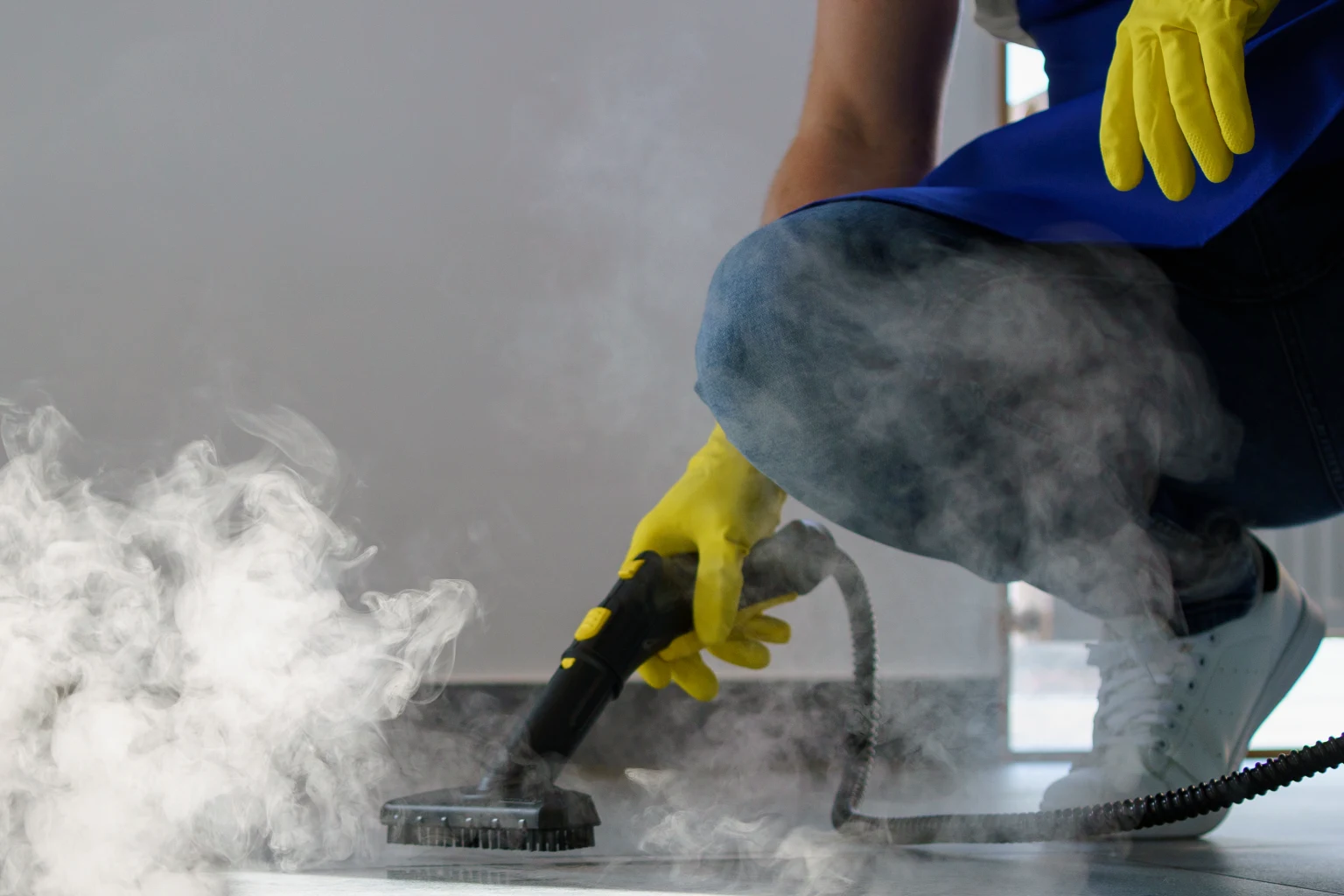


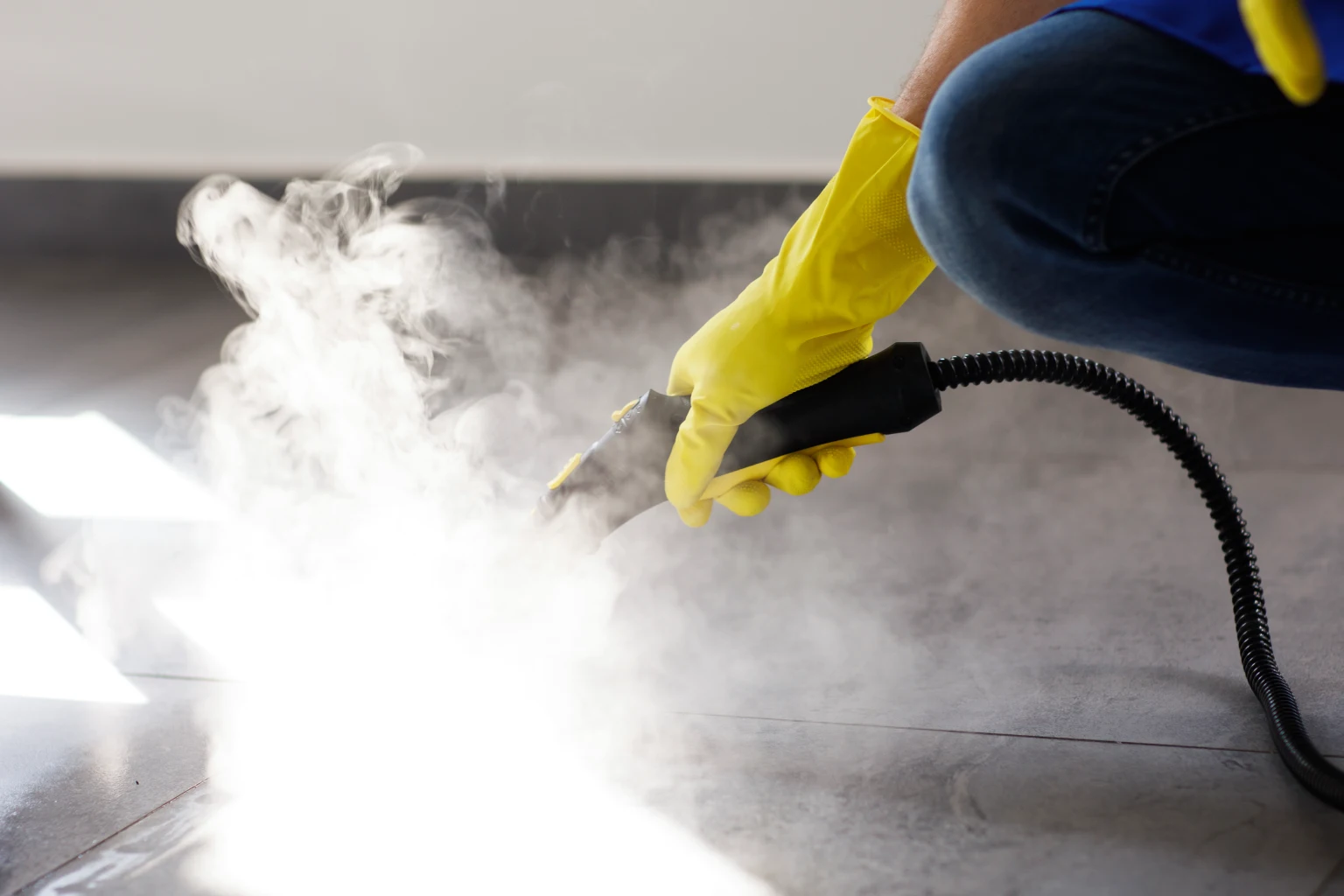
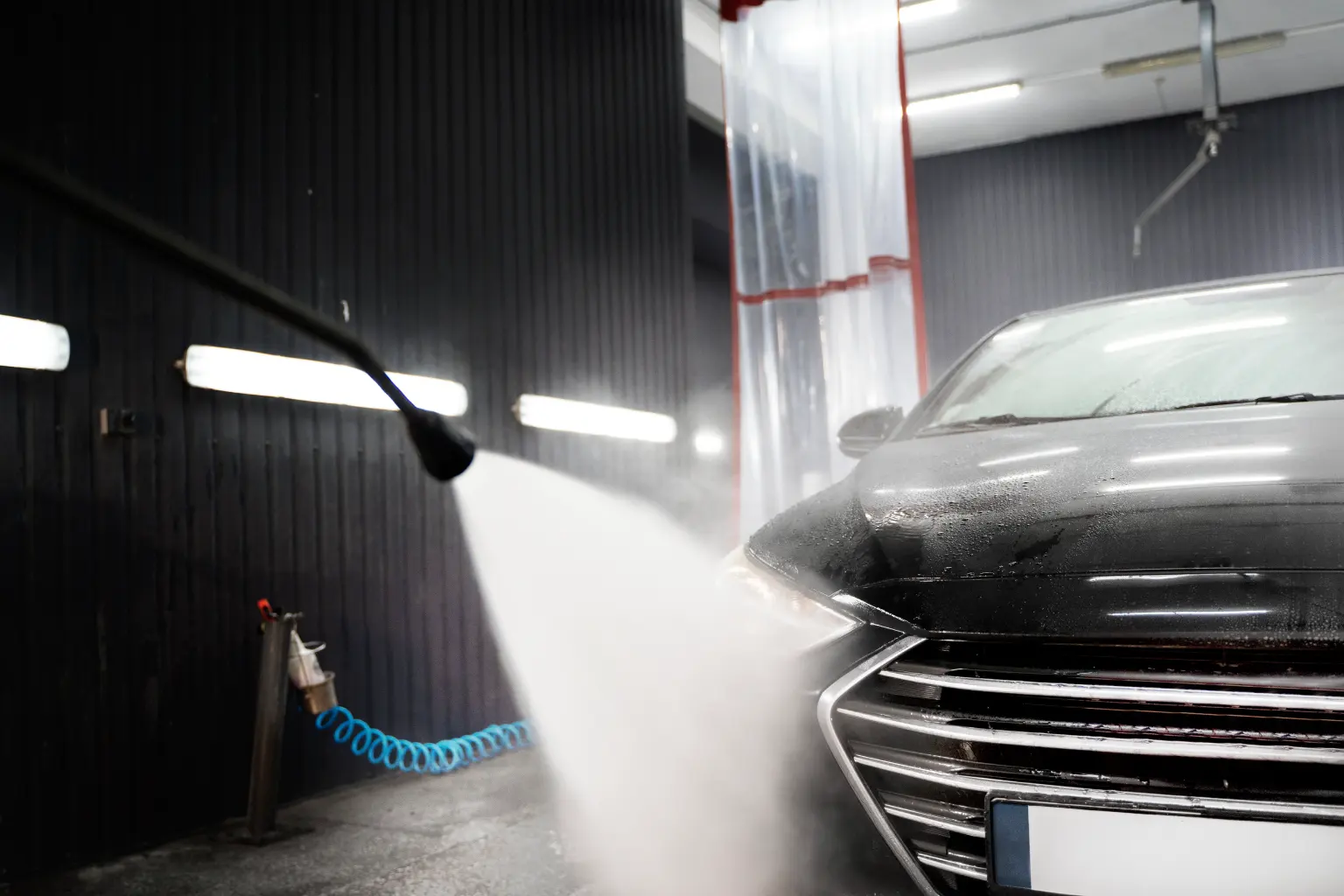








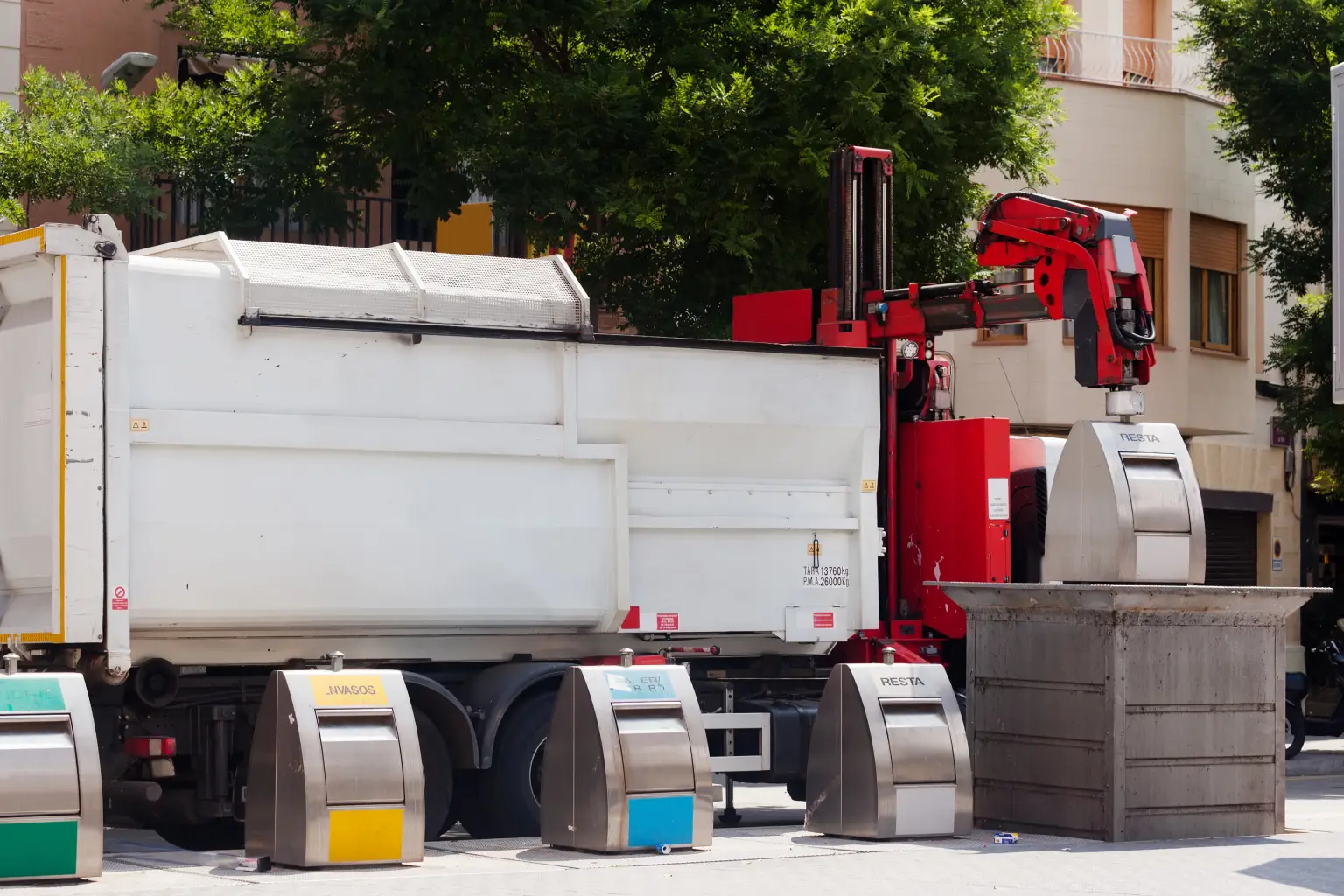



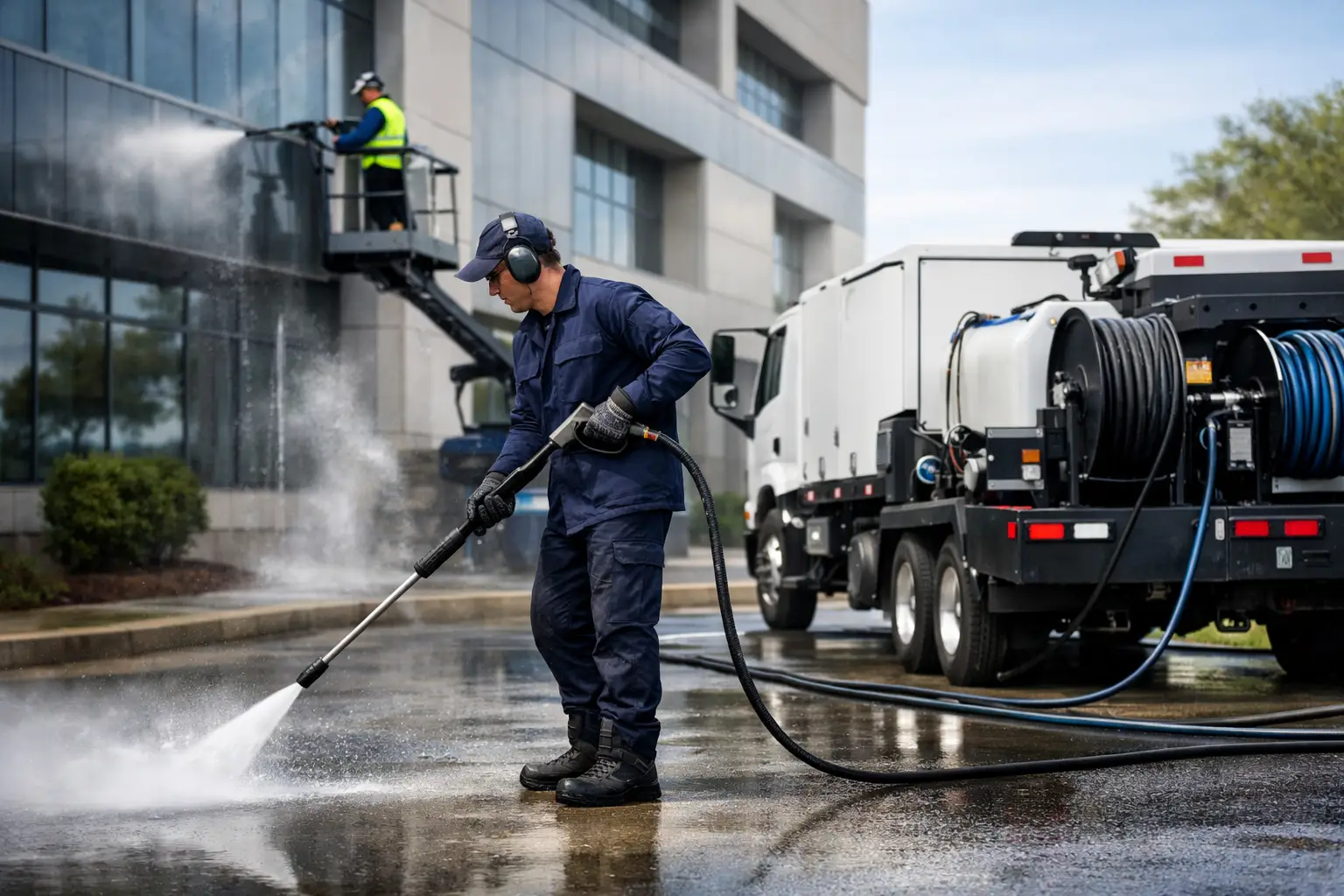
A storefront with black runoff under the awning, oil staining at the loading area, and a dumpster pad that never fully comes clean tells tenants, customers, and inspectors the same thing: exterior maintenance is drifting. Commercial pressure washing services are not just cosmetic work in that situation. They are part of property control, risk reduction, and brand protection.
For commercial properties, the standard is different from residential cleaning. The surfaces are larger, the staining is heavier, traffic is constant, and the work often has to happen without interrupting tenants, deliveries, or customer access. That changes how the job should be planned, executed, documented, and repeated.
What commercial pressure washing services actually cover
On a commercial site, pressure washing is rarely one isolated task. It usually involves multiple surface types, different contamination levels, and areas with different operational priorities. Parking lots collect oil, sediment, and organic buildup. Storefront sidewalks hold gum, beverage spills, and foot traffic staining. Loading docks accumulate grease, tire marks, and warehouse residue. Dumpster enclosures and pads deal with some of the toughest sanitation and odor issues on the property.
That is why commercial pressure washing services often sit inside a broader exterior maintenance program. The work may include concrete cleaning, storefront cleaning, loading dock cleaning, parking lot cleaning, graffiti removal, and high-impact service zones that need recurring attention instead of occasional cleanup.
Not every surface should be treated the same way. Concrete can handle one approach, coated surfaces another, and older masonry something more controlled. Water pressure alone is not the strategy. Surface type, staining source, runoff control, recovery requirements, access, and timing all affect the correct method.
Why commercial properties need a managed service model
The main failure point in exterior cleaning is not always field execution. Often, it is inconsistent scheduling, poor communication, and a lack of visibility once the work order is assigned. That is a problem for property managers overseeing multiple vendors, multi-tenant sites, or regional portfolios.
A managed service model solves a different class of problem than a basic wash-and-go contractor. It supports estimating, scheduling, appointment confirmation, service documentation, work orders, and account oversight. For a facility manager or asset manager, that structure matters because the cleaning itself is only one part of the outcome. The other part is knowing when service is happening, what was completed, and whether the standard was met.
This becomes even more valuable across multiple sites. A single retail location can often get by with informal coordination. A portfolio of shopping centers, service facilities, or industrial locations cannot. At that level, commercial pressure washing services need process discipline as much as cleaning capability.
The operational value behind the appearance
Clean exteriors affect customer perception quickly, but the business case goes further than curb appeal. Stained walkways and slick buildup in high-traffic areas can increase slip risk. Neglected dumpster pads can create sanitation issues and draw complaints from tenants or visitors. Graffiti that sits too long can signal neglect and invite repeat vandalism. Loading areas coated in residue can become harder to maintain over time, leading to more aggressive restoration needs later.
Routine pressure washing helps preserve surfaces by removing contaminants before they become embedded or layered beyond simple maintenance cleaning. It also gives site operators a more controlled maintenance rhythm. Instead of reacting when conditions become visible enough to trigger complaints, they can maintain a cleaner baseline and avoid larger corrective jobs.
There is a cost trade-off here. Recurring service means planned spend, while reactive service may look cheaper in the short term. But deferred cleaning often creates higher restoration costs, more tenant dissatisfaction, and more operational friction. For many commercial properties, the better financial decision is not the lowest immediate invoice. It is the service schedule that protects surface condition and reduces disruption.
Where precision matters most
Some areas of a commercial property carry more exposure than others. Front entrances shape first impressions. Storefront aprons are highly visible and heavily used. Dumpster areas affect odor, sanitation, and pest control. Loading docks influence both safety and operational appearance. Parking fields and drive lanes shape how the entire site is perceived before anyone reaches the building.
These are not equal in urgency, and they should not all be serviced at the same frequency. A property with steady retail foot traffic may need more frequent storefront and sidewalk cleaning than back-of-house service areas. An industrial facility may prioritize loading zones, heavy concrete cleaning, and runoff-sensitive areas. A restaurant-adjacent shopping center may need dumpster pad cleaning far more often than a professional office park.
That is where a precision-focused provider stands apart. The goal is not to apply one service interval to every surface. It is to align the service plan with how the property functions.
How to evaluate commercial pressure washing services
When commercial buyers compare providers, price often gets early attention. That is reasonable, but it should not be the only filter. On commercial and industrial properties, execution quality depends on whether the vendor can handle access constraints, service timing, documentation, repeat scheduling, and site-specific requirements.
A strong provider should be able to explain scope clearly, identify the difference between maintenance cleaning and restoration work, and set expectations around what results are realistic. Some staining will lift quickly. Other conditions, especially deep oil staining, rust transfer, or long-term neglect, may improve significantly without returning to a like-new appearance. Clear communication on that point prevents misunderstandings and supports better budgeting.
It also helps to evaluate whether the company operates with an actual service management system or simply dispatches crews when called. Commercial clients benefit from structured estimating, confirmed appointments, defined work orders, and post-service accountability. Those details reduce administrative friction and make vendor performance easier to track.
For regional or multi-site accounts, coverage matters too. A provider serving multiple Texas markets with consistent operating standards is better positioned to support portfolios than one that performs well at a single local site but lacks scalable coordination.
Scheduling without disrupting the property
Pressure washing on active commercial sites has to work around business operations. That may mean overnight storefront cleaning, early-morning parking lot service, or carefully phased work around delivery windows and tenant access. The quality of the cleaning matters, but so does the quality of the plan.
Poorly timed service can create avoidable complaints even when the finished result looks good. Water in the wrong place, blocked walkways, interrupted loading activity, or unclear site communication can turn a routine maintenance task into an operational problem. A disciplined service provider anticipates those issues before the crew arrives.
This is especially relevant for retail centers, industrial facilities, healthcare-adjacent properties, and multi-tenant commercial sites. Each has different traffic patterns and access priorities. The right schedule depends on the property, not the contractor's convenience.
Restoration work versus recurring maintenance
Not every job starts from the same baseline. Some sites need an initial restoration phase before recurring maintenance can keep conditions under control. That often happens when concrete has years of embedded staining, dumpster pads have been neglected, or parking areas have not been cleaned on any regular cycle.
After restoration, maintenance intervals can usually be adjusted based on traffic, weather exposure, tenant mix, and visual standards. This is where a structured provider can be especially useful. Instead of treating each visit as a separate transaction, the service can be managed as an ongoing property standard.
For commercial stakeholders, that creates predictability. The property looks more consistent, the service history is easier to review, and exterior conditions are less likely to swing from acceptable to unacceptable between visits.
Einstein Surface & Environmental Services is built around that model - industrial-grade execution supported by a professional service interface designed for commercial account management.
What a better vendor relationship looks like
The best commercial cleaning relationships are not based on repeated follow-up from the client. They are based on clear scope, responsive communication, reliable arrival windows, documented service, and results that match the property's operating needs. That is what separates a managed commercial partner from a basic contractor.
If you oversee exterior conditions across one site or many, the real question is not whether the property needs cleaning. It is whether your current approach gives you control. When commercial pressure washing services are structured correctly, they support appearance, safety, and maintenance planning at the same time.
A clean property is visible. A well-managed service program is felt in the absence of complaints, surprises, and preventable deterioration.